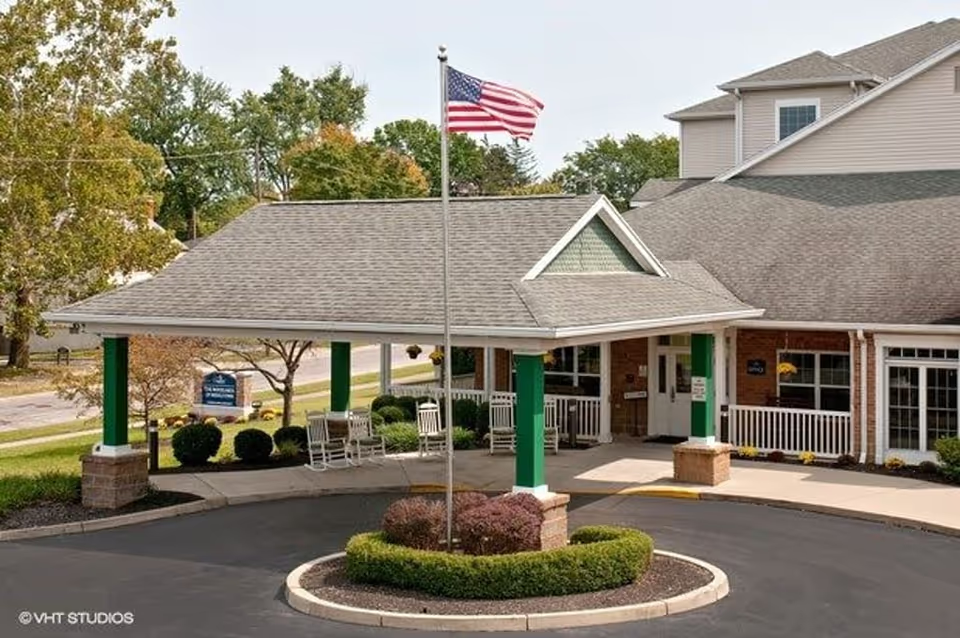
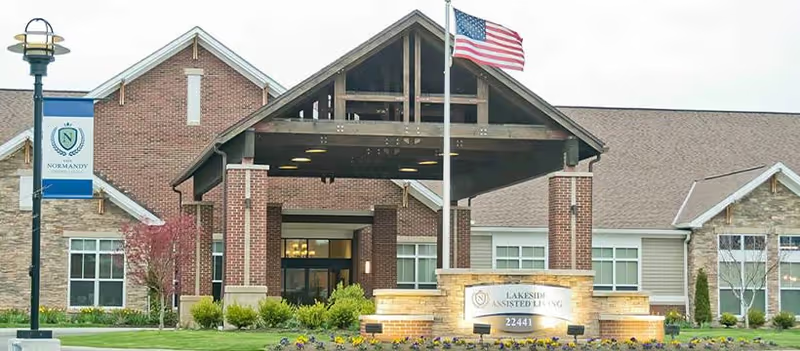
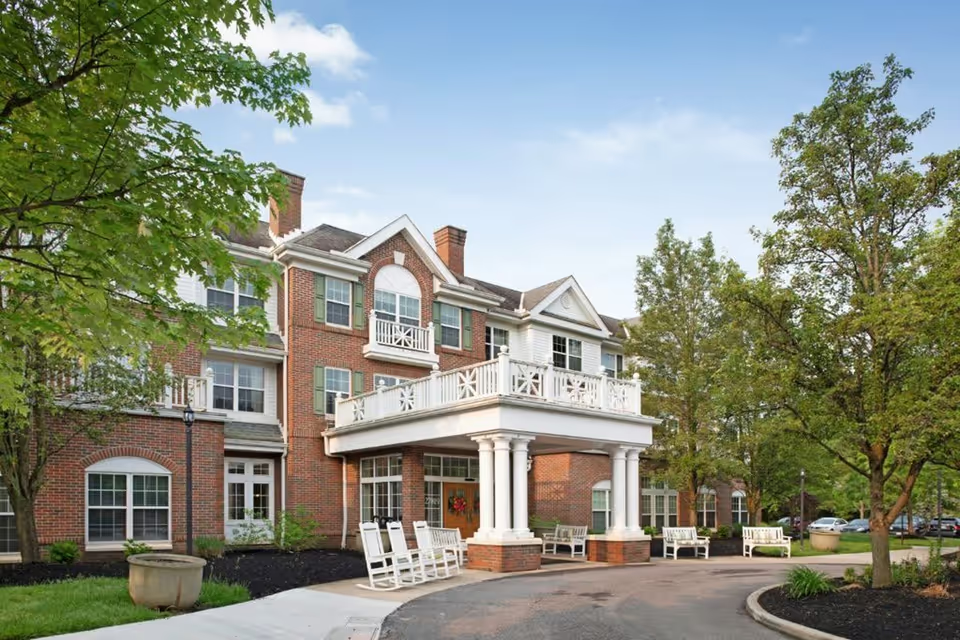
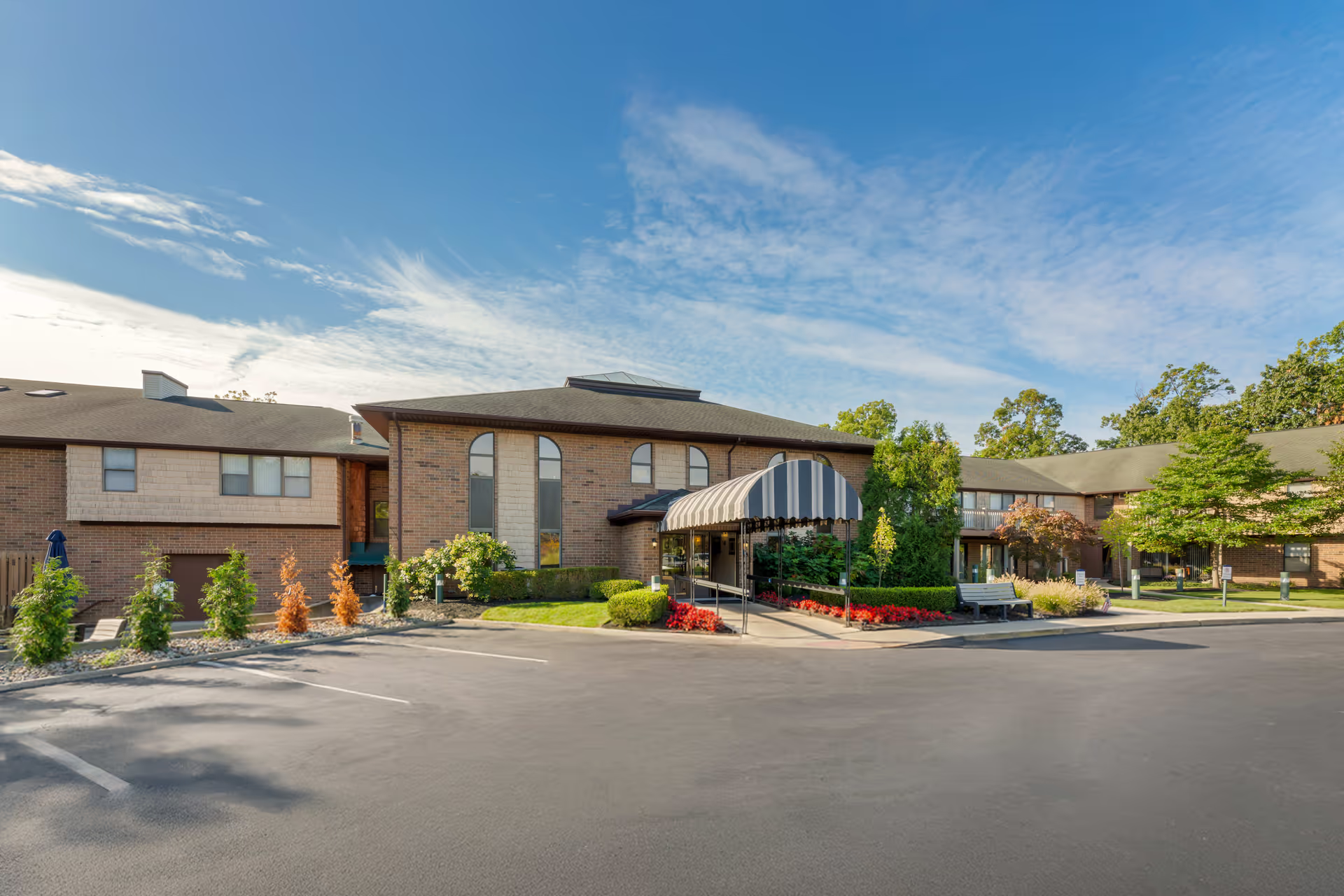
Overview: Reviews describe a facility with a clearly observable strength at the point of direct care — many families and visitors praise nursing staff, aides, and therapists for compassion, clinical competence, and individualized attention. Short-term rehabilitation and stroke-recovery support are frequently highlighted as effective; therapy teams and respiratory-care staff received positive mentions for knowledge and reassurance. The community is often described as warm and family-like, with admissions and tour personnel noted for being welcoming and informative. The property’s location and overall CMS quality rating are additional positives cited by families.
Care and staff: Clinical care and bedside caregiving are the most consistently cited strengths. Reviewers reported attentive nursing, measurable therapy progress for rehab and stroke recovery, and stand-out interactions from respiratory-therapy personnel. At the same time there are pattern-level concerns about inconsistent responsiveness and reliability of staff coverage. Some comments describe delays in answering calls or fulfilling routine tasks, and there are assertions of punitive supervisory practices that can affect staff morale. These management and supervisory patterns appear to influence frontline performance in certain situations.
Dining and activities: There is limited specific feedback about dining and organized activities in the set of reviews provided; where daily life is discussed, emphasis is placed on the social atmosphere, comfortable communal interactions, and a home-like environment. Families who focused on rehabilitation tended to emphasize therapy access and clinical outcomes rather than dining or activity programming, so prospective residents should request current menus and activity schedules during a tour to confirm fit.
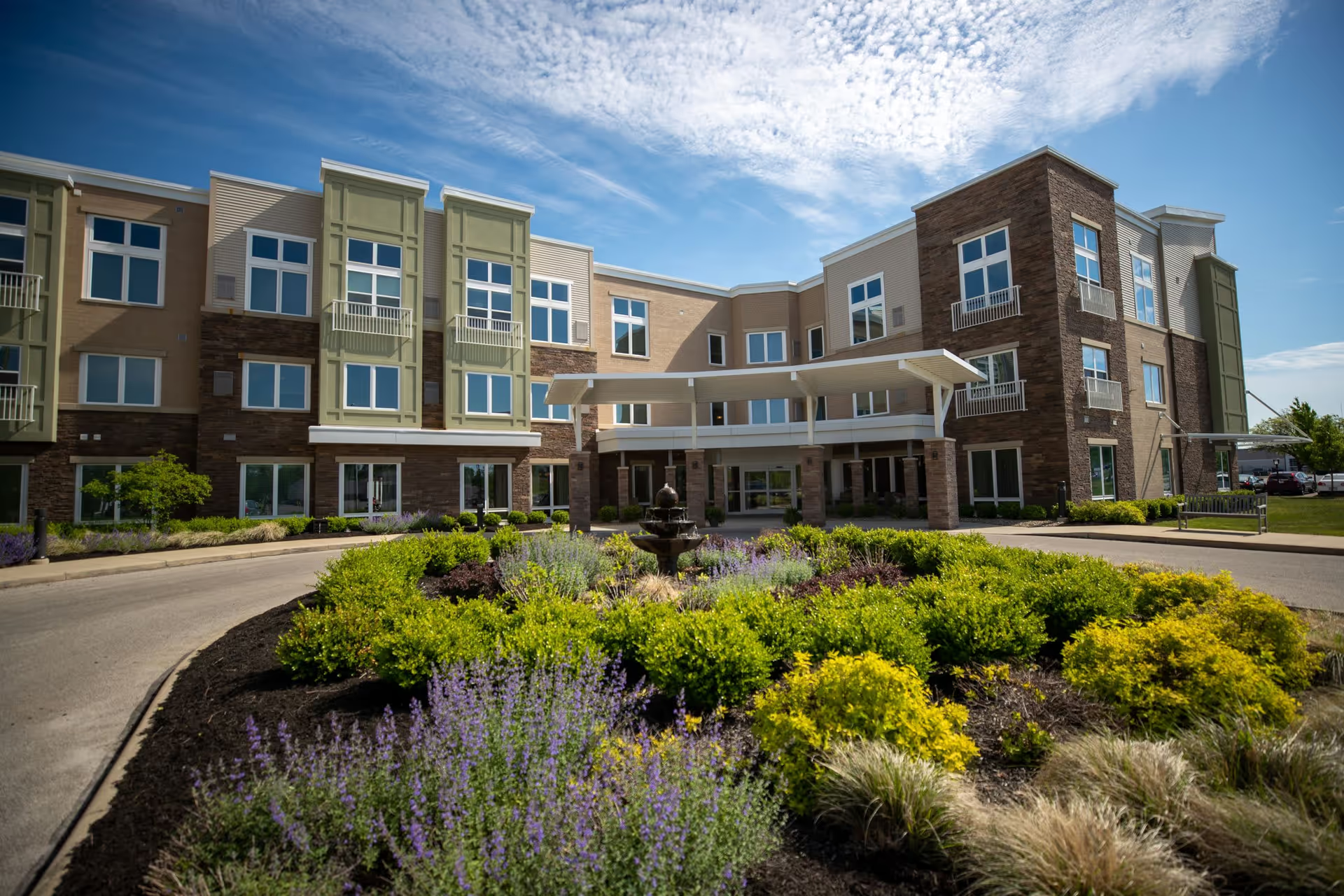
Facilities and maintenance: Several reviewers praised the general upkeep of common areas and described the building as clean and welcoming. However, other comments point to maintenance gaps — notably delays in addressing roof leaks and moisture that led to mold concerns in at least one unit — and sanitation or infection-control issues that reviewers associated with preventable health events. These items suggest uneven facility maintenance and infection-prevention practices that warrant focused questions during a visit and review of the facility’s maintenance logs and infection-control policies.
Management and notable patterns: Management impressions are mixed. Some accounts characterize administration as caring and engaged with residents and families; others raise significant concerns about leadership conduct, HR responsiveness, and personnel processes. Specific operational patterns include perceived favoritism in hiring or staffing decisions, weak grievance-handling by HR, and serious individual allegations such as staff theft and property-security gaps. Where legal or formal disputes were mentioned, details varied; these should prompt families to ask about complaint escalation procedures, staff vetting, and property-security measures when evaluating placement.
What to ask and verify: Given the mixed signals, prospective residents and families should confirm staffing ratios and on-call responsiveness, review the facility’s infection-control and maintenance logs, ask about recent corrective actions for moisture/mold remediation, inquire about human-resources procedures for complaints and staff discipline, and request references from recent rehab and respiratory-care patients. Overall, the facility demonstrates notable strengths at the point of care and in therapy services, but there are recurring operational and management concerns that deserve direct inquiry before decision-making.