Overall impression: Reviews of Pleasant Lake Villa are highly polarized. Numerous families and clinicians describe compassionate caregiving, strong therapy outcomes, helpful admissions and social work support, and a lively activities program. At the same time, a substantial set of reviews raise operational and clinical concerns that recur across weekdays, evenings, and weekends. Prospective residents and families will find examples of both positive, recovery-focused placements and instances of care-process breakdowns.
Care quality and clinical safety: The facility demonstrates clear strengths in rehabilitation and specialty therapy services — physical, occupational, speech, and respiratory therapy receive frequent praise and are credited with good functional outcomes. Many reviewers also praised individual nurses and aides for attentive, dignified care and for effective end-of-life support. However, there are repeated concerns about medication management (missed or delayed medications, inconsistent delivery of hospital-prescribed drugs, and confusion over dosing changes), delays in essential assistance (long waits for response to call lights, delayed bathroom and hygiene assistance), and variable wound and skin care follow-up. These operational weaknesses have been associated with hospital readmissions, pressure-injury concerns, and family escalation in some cases.
Staffing, conduct, and management: A dominant theme is uneven staffing and high workload. Night and weekend coverage, shift-change handoffs, and occasional single-nurse shifts are described as problematic, contributing to slow responses and gaps in supervision. Reviewers also describe instances of staff distraction (personal-device use) and lapses in bedside attentiveness. Conversely, multiple reviews single out specific staff members, nursing leaders, and therapy clinicians as highly professional and effective; this indicates variability in performance that may reflect staffing levels, turnover, or supervisory capacity. Communication with families and among clinical teams is another recurrent issue: delayed or unclear updates, difficulty reaching nursing staff by phone, and inconsistent documentation and handoff practices were noted alongside accounts of helpful social-work and admissions staff.
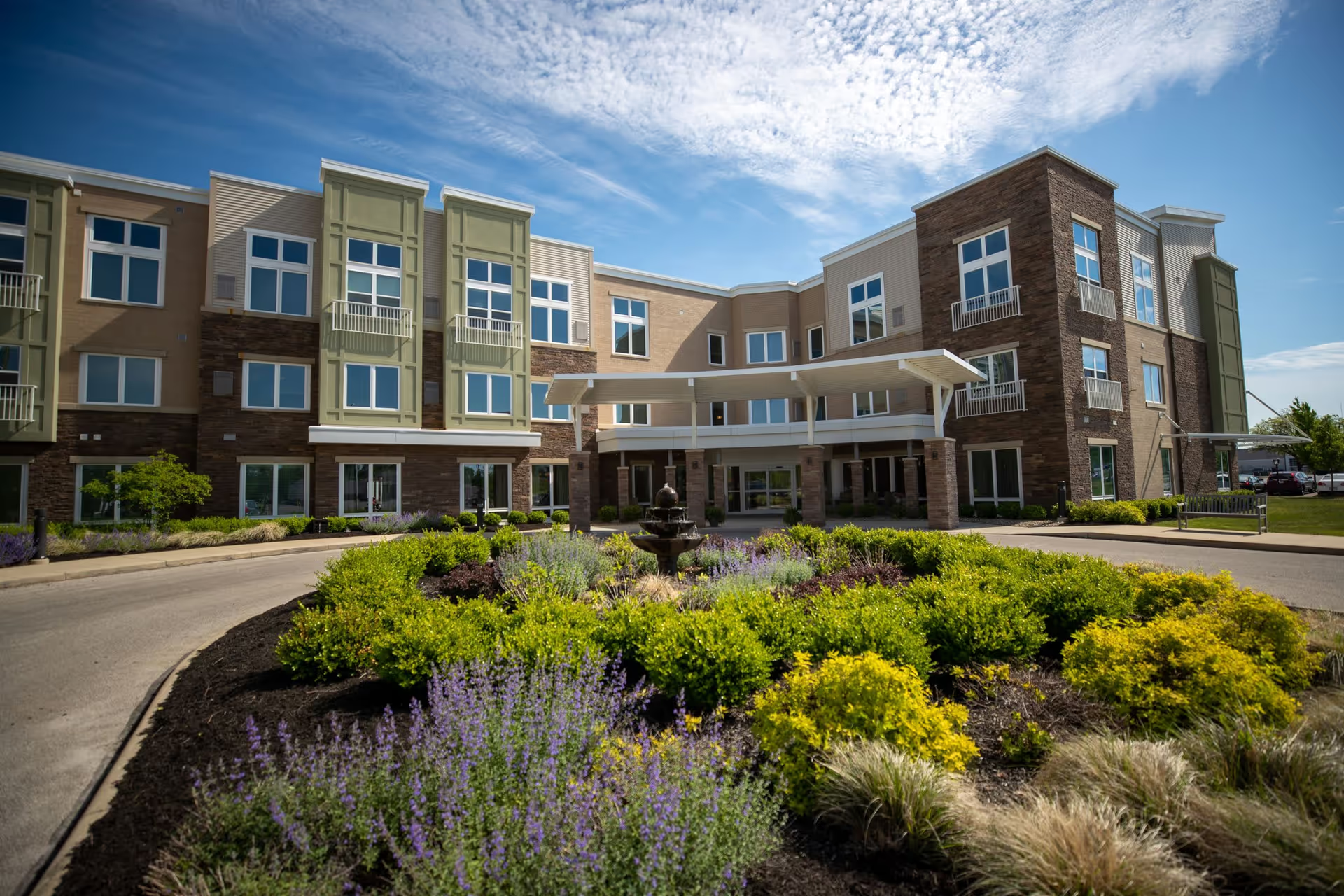
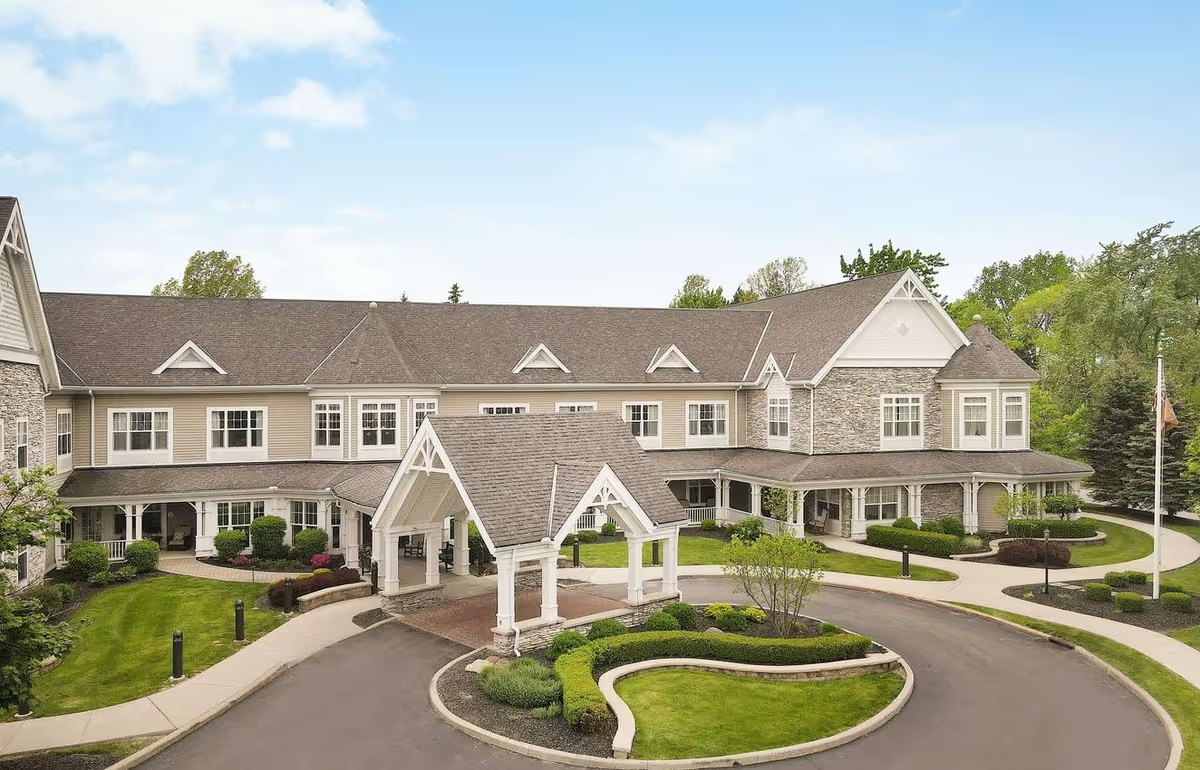
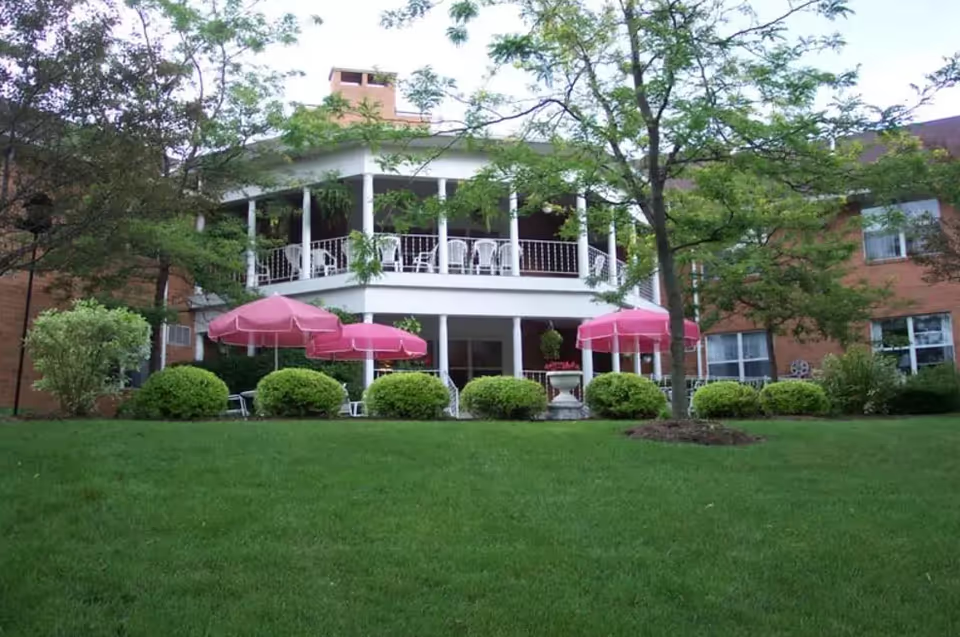
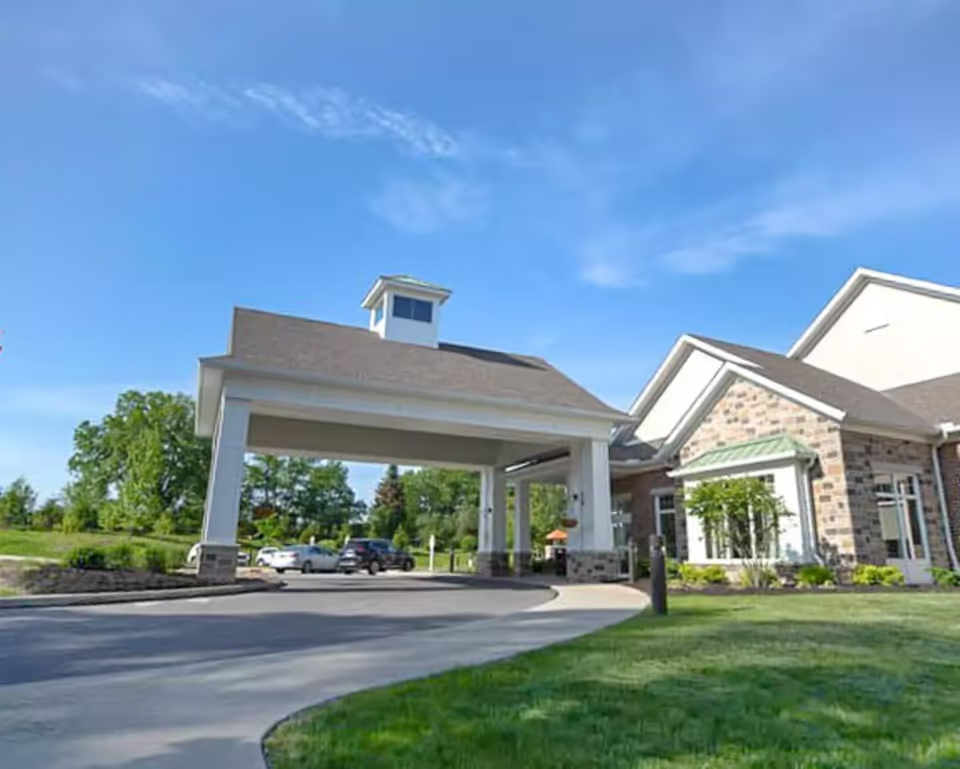
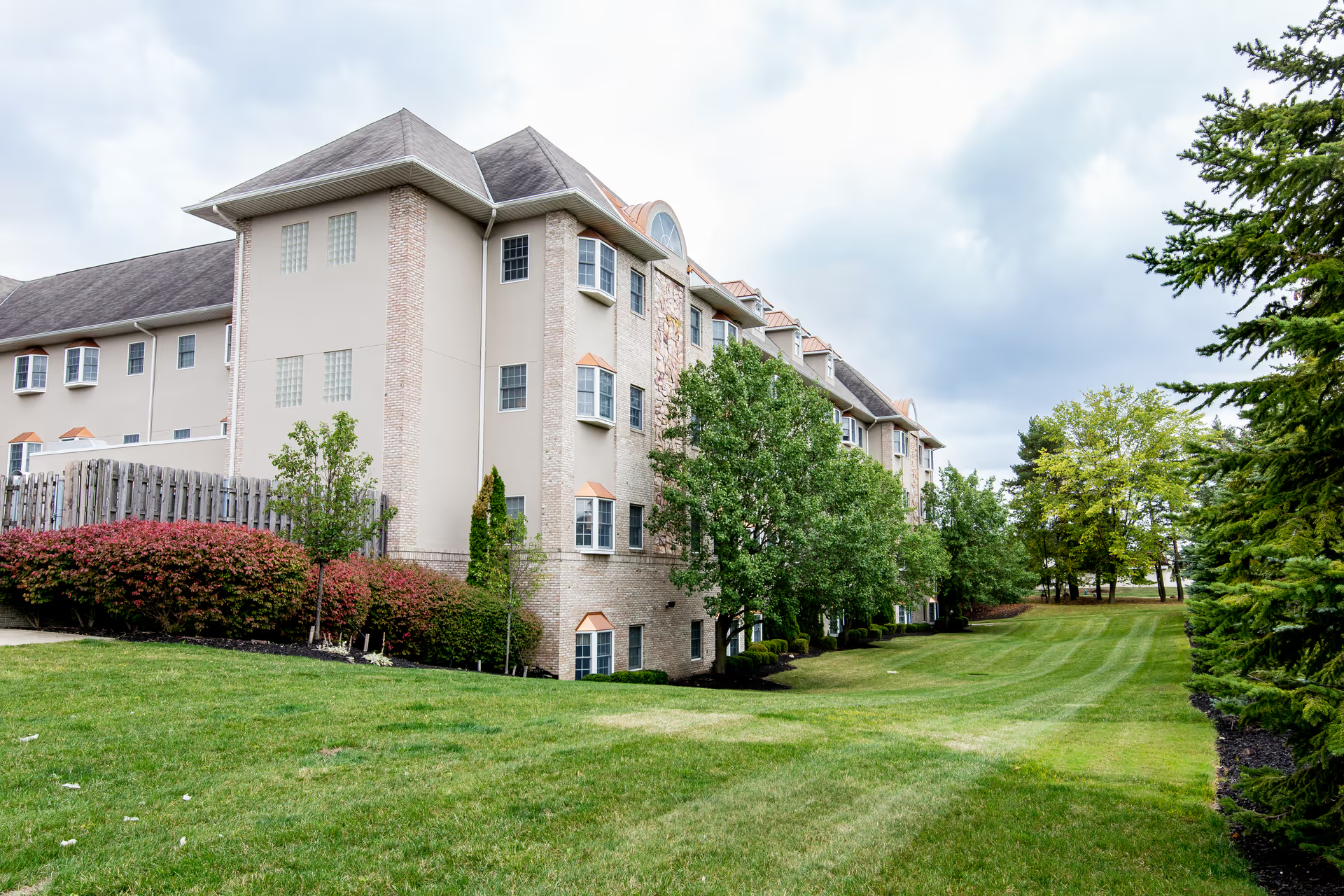
Dining, activities, and facilities: Activity programming is often cited as a strength — the facility offers a range of social and therapeutic activities (art, music, outings, bingo) that contribute positively to resident engagement. Dining experiences appear inconsistent: some residents receive hot, well-prepared meals and appropriate accommodations, while others describe pre-prepared or reheated items, missed substitutions, and a need for family supplementation. Housekeeping and maintenance receive mixed feedback as well; many reviews praise clean, bright common areas and prompt maintenance response, yet other accounts cite sanitation concerns, odor issues in certain rooms or corridors, and pest-control problems in isolated units. Physical spaces such as an attractive courtyard and rehab equipment are frequently appreciated.
Notable patterns and practical considerations: The aggregate picture is one of variability — strong clinical and therapeutic capability exists alongside operational lapses that affect safety and comfort. Patterns to investigate when evaluating this facility in person include call-response times, medication reconciliation and delivery processes, staffing levels at night/weekends, fall-prevention and supervision practices, hygiene and bathing schedules, pest-control protocols, and family-communication pathways. Because reviews describe both excellent individual clinicians and recurring system-level issues, observing care during different shifts, asking to review recent inspection findings, and confirming written policies for medication administration, wound care, and infection/pest control will help families assess whether the facility’s strengths align with a prospective resident’s needs.