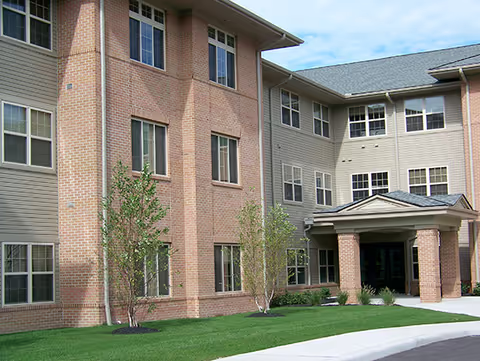
The reviews of Rocky River Gardens Rehabilitation & Nursing Center are mixed, with a clear pattern of strong clinical rehabilitation services alongside persistent operational concerns. Many reviewers praised the facility's therapy programs and specific clinical staff — including physical therapists and wound-care nurses — for producing successful short-term rehab outcomes and helpful, restorative care. Several accounts highlight courteous bedside staff and effective administrative support during positive stays.
Despite these clinical strengths, a number of reviews raise significant concerns about basic care processes and day-to-day responsiveness. Medication-administration lapses, delays in attending to incontinence care and linen changes, and at least one instance of an infection-medication shortage were described; these suggest gaps in medication control and personal-care routines that warrant direct inquiry. Reviewers also noted safety-equipment gaps and ad-hoc measures to address them, indicating potential variability in resident-safety practices.
Staff interactions were described in contrasting ways: some families found staff friendly, compassionate, and well trained, while others described poor responsiveness, inconsistent coverage, and problematic communication. Scheduling issues were reported for therapy appointments, and understaffing or unwillingness to cover specific units was cited as a contributor to uneven care. Front-desk phone handling and difficulty contacting or locating residents were also raised as recurring communication problems.
Dining and activities present a mixed picture. Several reviewers praised the food and social programming; the facility offers cards, movies, exercise programs, and other engagement options that support rehabilitation goals. Conversely, other reviews described small portions, inconsistent meal quality, and limited snack or beverage availability, which point to variability in food-service execution.
Facility condition and environmental management are prominent areas of concern. Multiple reviewers described cleanliness issues and ongoing pest-control concerns that affected common areas and resident rooms. Maintenance problems such as malfunctioning sinks and toilets, intermittent elevator failures, unreliable TVs/phones, peeling finishes, and inconsistent laundry return practices were also reported. These operational issues degrade the resident environment and should be clarified with facility leadership during a visit.
Finally, governance and leadership reliability emerged as an important theme. Several reviewers expressed concerns about administrative responsiveness, perceived financial priorities, and conflicts involving guardianship or family members. There are also serious, isolated allegations of staff theft and financial misconduct that have prompted talks of regulatory complaints or legal action; prospective families may wish to ask the facility about any investigations, complaint outcomes, and corrective plans.
Given the mixed feedback, prospective residents and families should weigh the facility's documented rehabilitation strengths against the operational and environmental concerns. Recommended due diligence includes: touring units used for long-term and short-term care, asking for current pest-control and sanitation logs, inquiring about medication-administration protocols and staffing ratios, reviewing grievance/incident records and any regulatory actions, and verifying laundry/supply procedures. Speaking directly with the therapy team, nursing leadership, and recent families can help clarify whether the clinical strengths align with reliable daily operations for an individual’s needs.