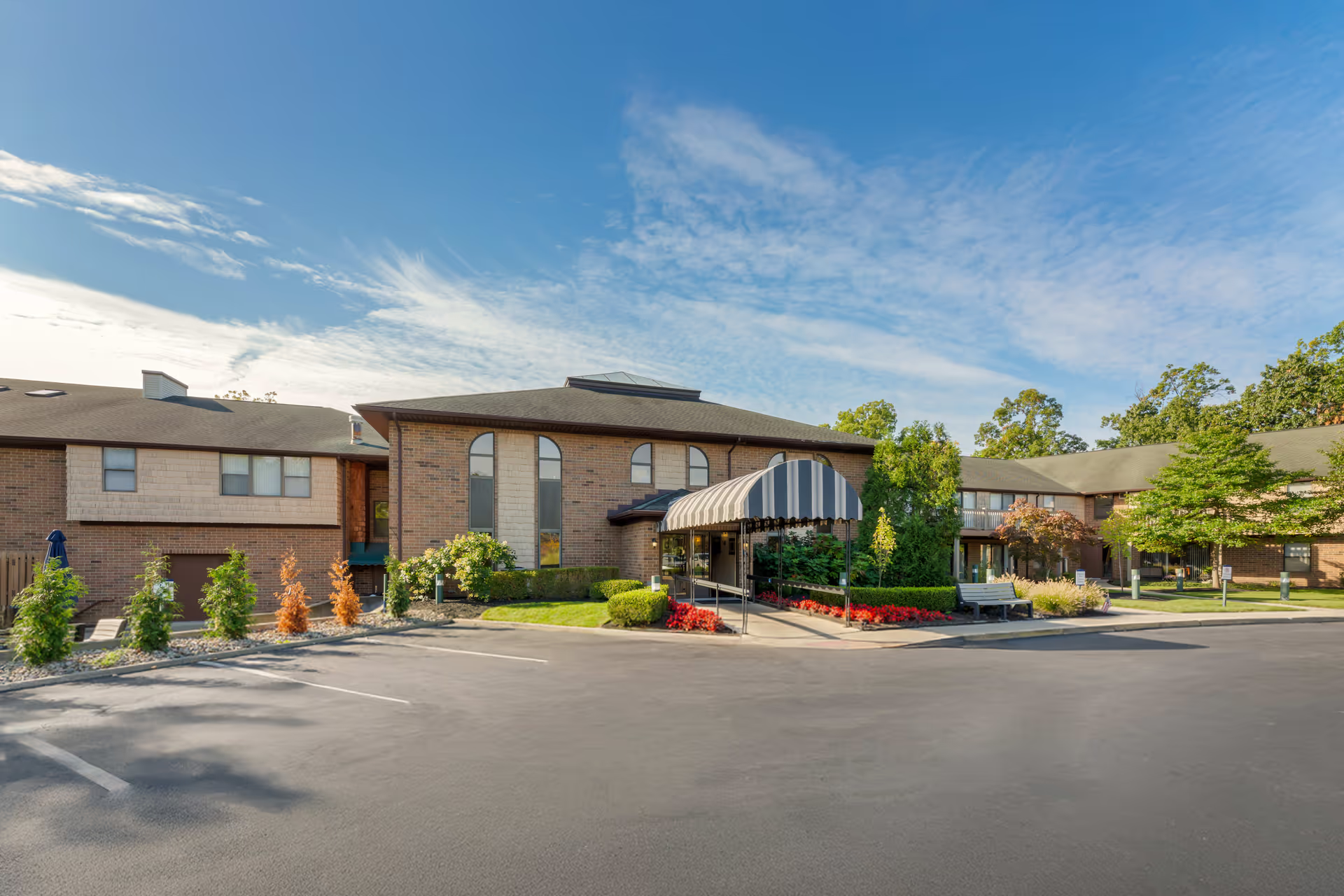
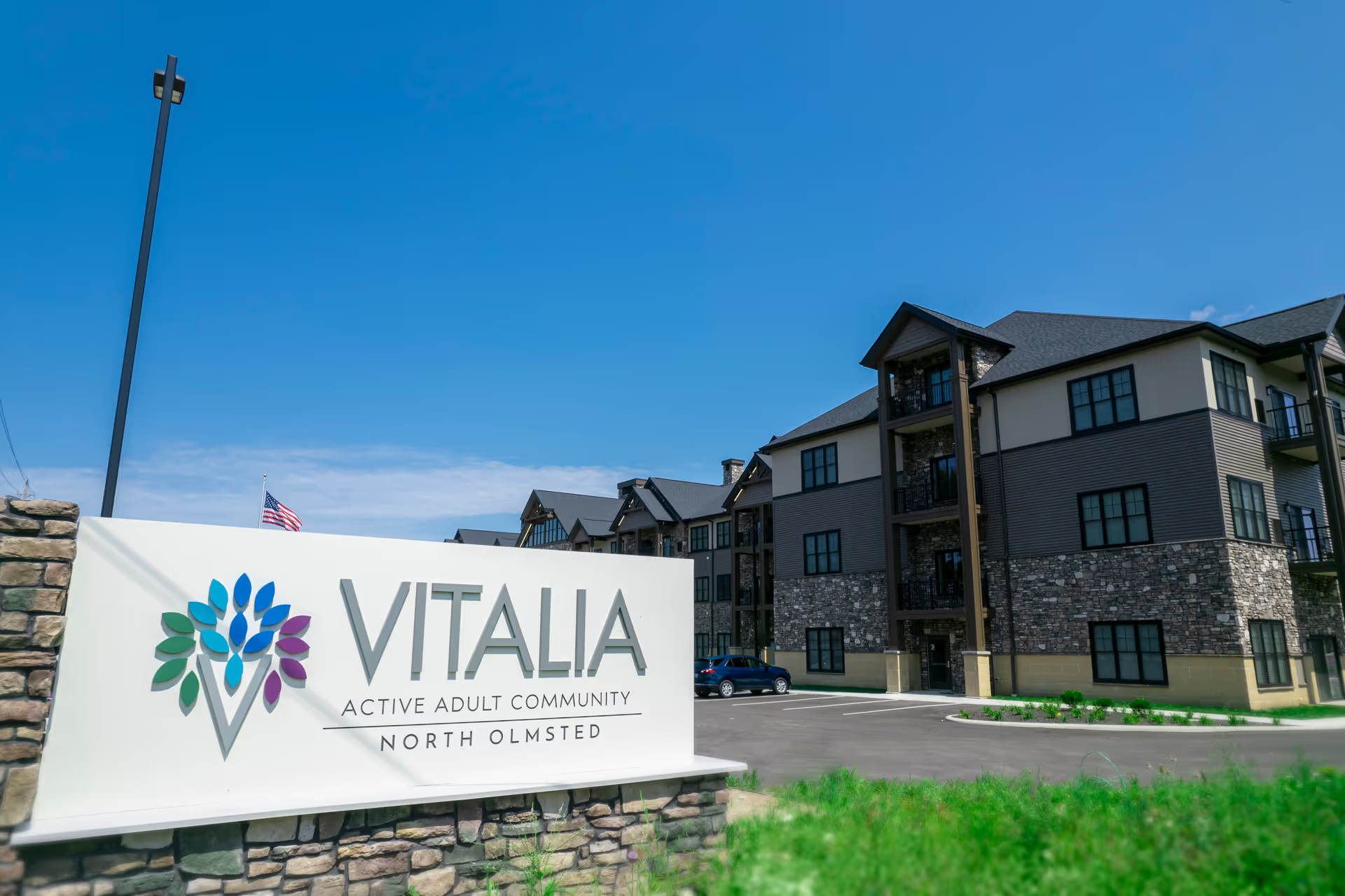
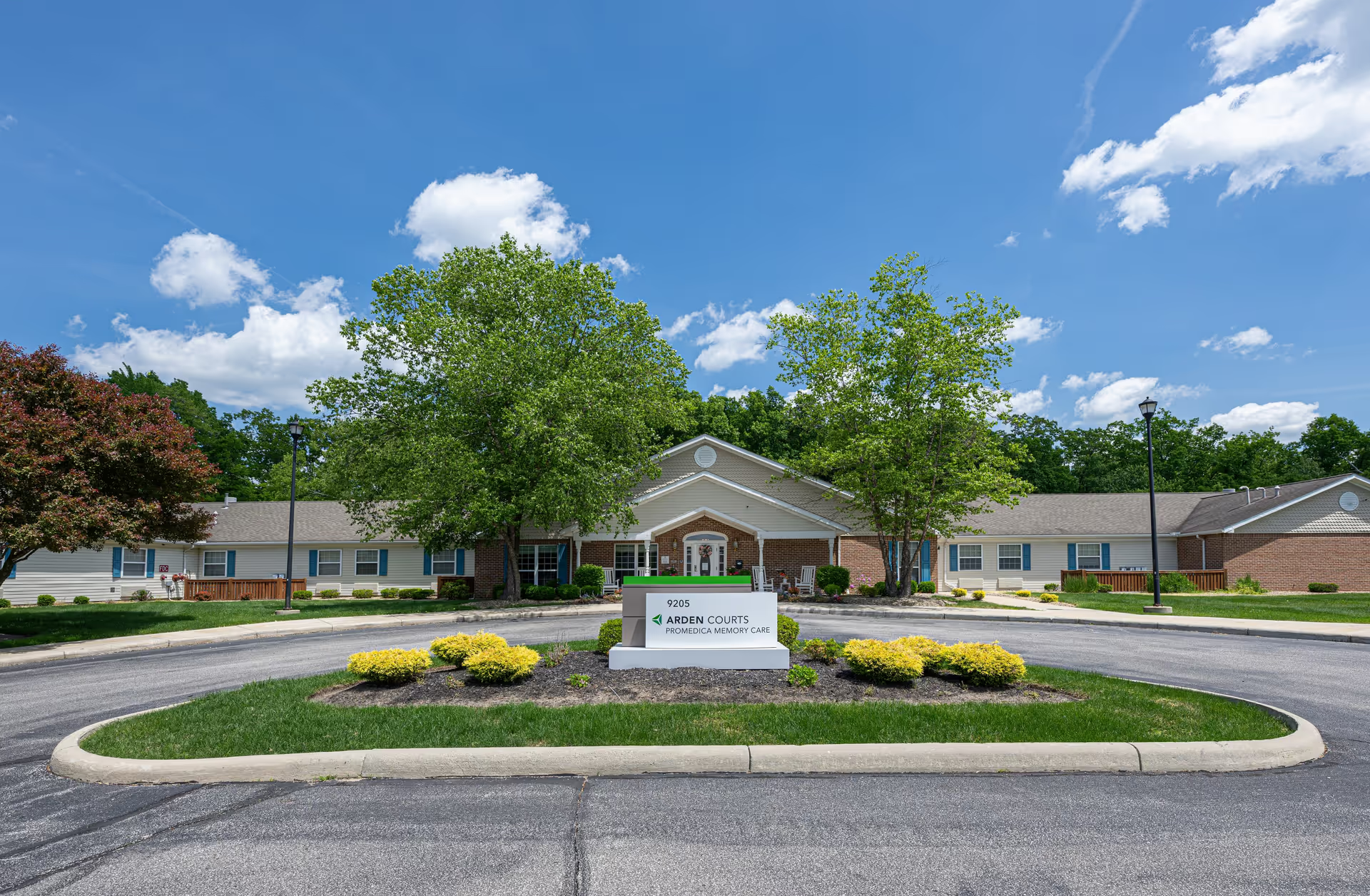
The collective reviews describe a facility with a mix of clear strengths and recurring operational weaknesses. On the positive side, many families and patients praised individual caregivers — including nursing staff, reception/greeter personnel, social work, and therapy teams — for compassionate, hands-on care and effective rehabilitation outcomes. The facility offers a range of clinical and therapeutic services (physical/occupational therapy and an IOP behavioral-health program), assistance with discharge and housing placement, and several commenters noted a welcoming, family-like atmosphere and resident camaraderie. Parts of the building and certain common areas were described as clean and well-appointed, and amenities such as outdoor pet access were viewed favorably.
At the same time, a frequent theme is variability in care quality tied to staffing, shift, and unit. Reviewers described chronic understaffing, particularly overnight, which correlated with delays in responding to call lights, missed or delayed medications, and perceptions of limited clinical oversight on some shifts. There are specific clinical-systems concerns: inconsistent medication administration practices, reports of inappropriate dosing in isolated accounts, and delays in scheduled therapies such as cardiac rehabilitation. These raise questions about staffing skill mix, protocols for medication checks, and rehab scheduling reliability.
Facility maintenance, cleanliness, and supply availability emerged as another area of inconsistency. While some areas are kept tidy, others were described as having sanitation concerns, intermittent shortages of basic supplies (for example, hand soap and drinking water), maintenance problems (broken beds, malfunctioning room heating, damaged call-button equipment, and visibly unsecured televisions), and pest-control concerns in particular units. Dining services were similarly mixed: therapy and kitchen staff received praise at times, but reviewers also described inconsistent food quality and occasional improperly prepared meals.
Communication, management responsiveness, and staff conduct were repeatedly cited as influential to families’ experiences. Positive accounts highlight helpful, honest staff and an engaged leadership team; negative accounts describe unresponsive administration, unresolved complaints, and instances of unprofessional conduct. A small subset of reviews raised serious allegations related to financial misconduct; these should be treated as distinct from general operational concerns and warrant direct inquiry. Transportation and outpatient-scheduling reliability were also noted as problematic by some families, affecting follow-up care and therapy continuity.
Taken together, the pattern suggests the facility can provide strong short-term rehabilitative outcomes when therapy and nursing teams are functioning optimally, but variability across units and shifts creates inconsistent experiences—particularly for longer-term residents. Prospective residents and families should consider an in-person tour focused on staffing levels for the unit and shifts that will cover care times, review medication-administration and clinical oversight protocols, inspect room and common-area maintenance, inquire about pest-control and sanitation procedures, ask for sample therapy and transportation schedules, and clarify grievance/complaint resolution pathways. These targeted questions can help assess whether the facility’s strengths align with an individual resident’s clinical and psychosocial needs.