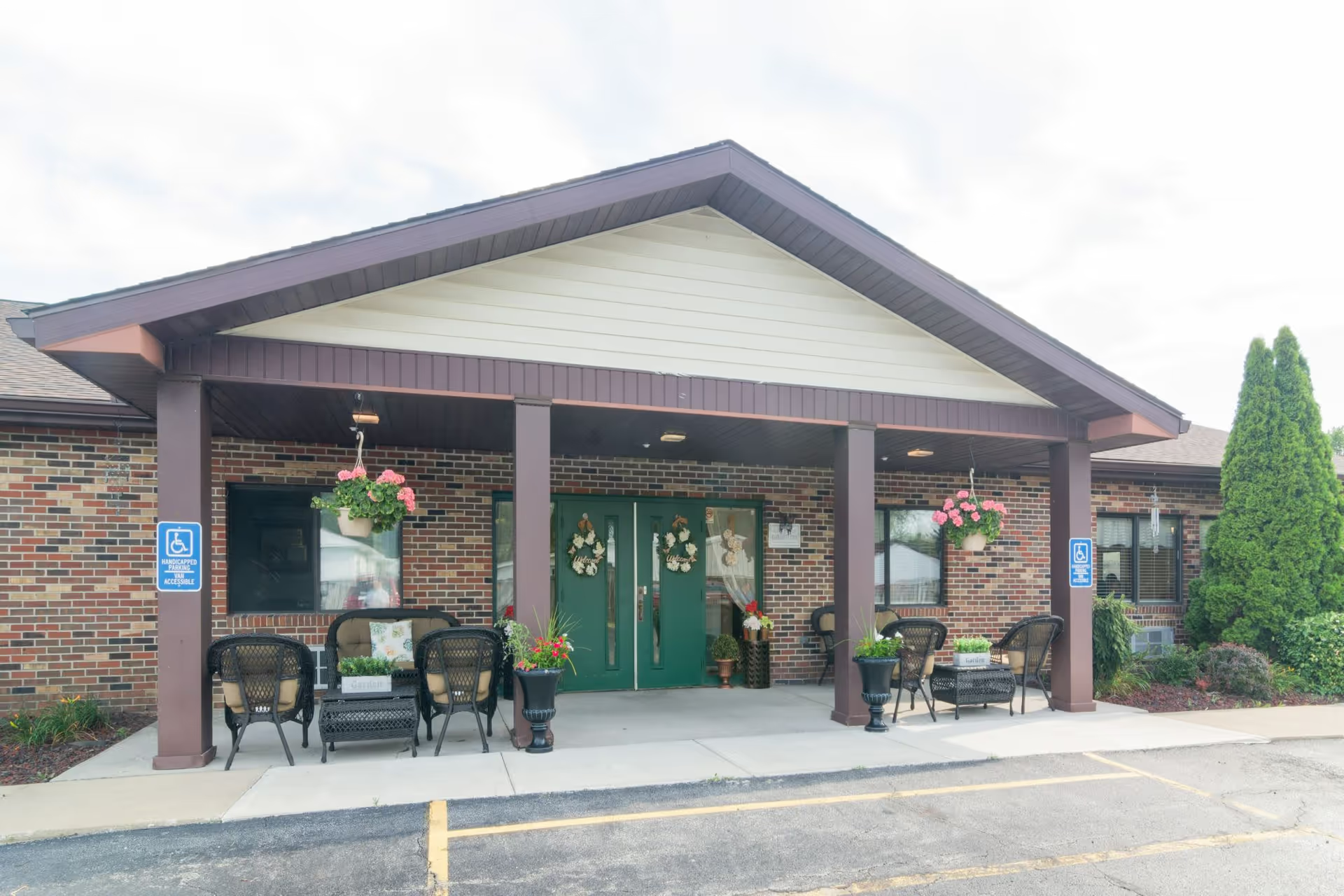
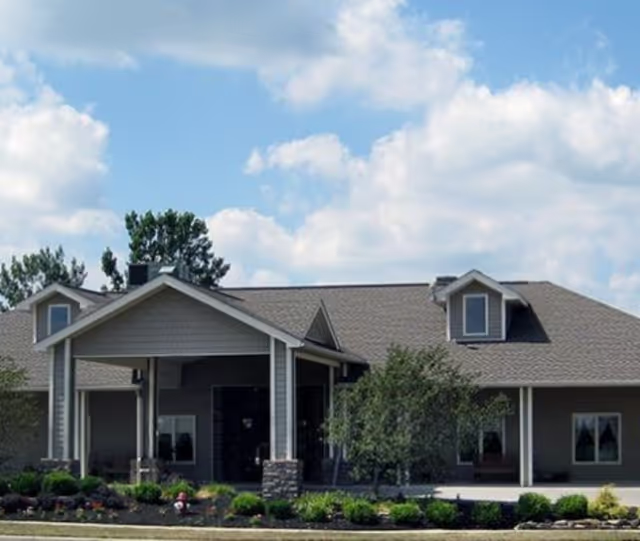
Majestic Care of Clyde elicits a mixed but detailed picture across family and resident feedback. Strengths most consistently noted relate to direct resident care and rehabilitation: therapists and rehab staff receive specific praise for producing strong post-surgical outcomes and for individualized therapy progress. Many accounts describe compassionate, attentive nursing and aide teams, a welcoming administrative presence, and a generally clean, well-kept interior. Reviewers also highlight an active social environment with staff who engage residents and families, reliable transportation, and supportive end-of-life care.
Care-quality impressions vary by unit and shift. Several families praised bedside attentiveness and continuity from long-tenured caregivers, while others described uneven conduct and responsiveness on particular units or during night shifts. Staffing levels are a recurring operational concern: reviewers indicate a need for more RNs and aides and note uneven coverage at night. Related themes include inconsistent phone responsiveness and variable family communication, which can affect how quickly issues are addressed and how information is shared with loved ones.
Dining and therapy are distinct areas of contrast. The facility’s rehabilitation program is a clear strength, with named therapists and successful recoveries cited. In contrast, dining receives mixed feedback—comments reference undercooked or limited-menu meals and occasional interruptions in meal service. Activities and social engagement are generally viewed positively, with staff taking time for one-on-one interaction, though reviewers did not uniformly describe a robust structured-activity program.
Operational and management-level patterns merit attention. Reviewers describe maintenance and infrastructure that appear dated in places and in need of ongoing repair. Personal-property handling and laundry processes were identified as inconsistent. There are also concerns about medication-management practices for residents with cognitive impairment, and some observers reported decreased resident engagement or reduced alertness that they associated with medication effects. Infection-control decision-making, visitor-policy implementation, and communication around those events were described as uneven. One review referenced an allegation of inappropriate conduct by administration; such a serious claim suggests the need for formal review and transparent follow-up.
In summary, Majestic Care of Clyde offers notable strengths in hands-on caregiving, rehabilitation, and family-oriented end-of-life support, within a generally clean and welcoming environment. However, prospective residents and families should weigh these positives against operational concerns — particularly staffing consistency, meal-service reliability, medication-management practices for cognitively impaired residents, personal-property controls, and unit-level variability in staff conduct. Asking the facility for recent staffing metrics, medication oversight protocols, infection-control and visitation policies, and examples of quality-improvement actions may help families evaluate whether the facility’s current practices align with their expectations and needs.