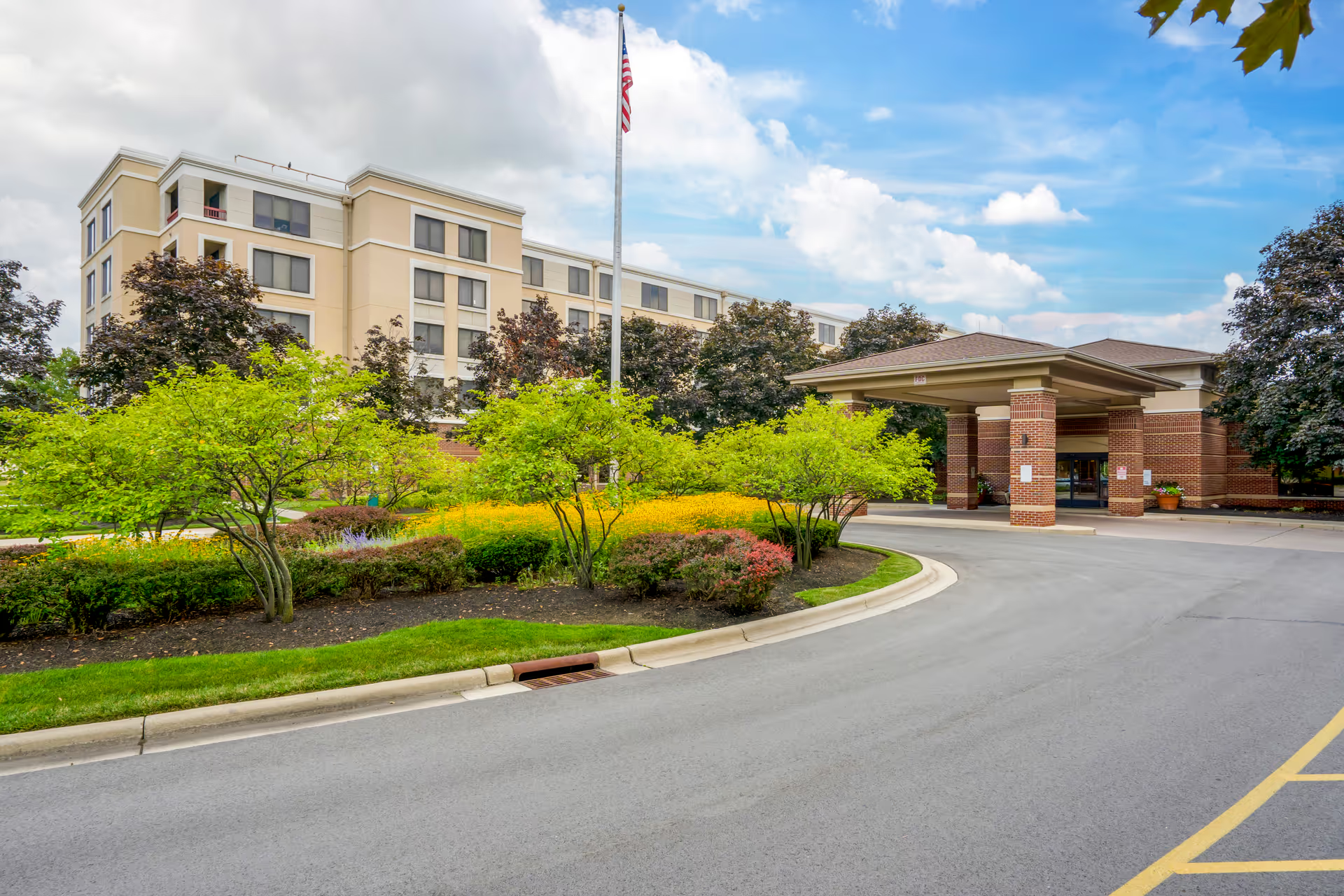
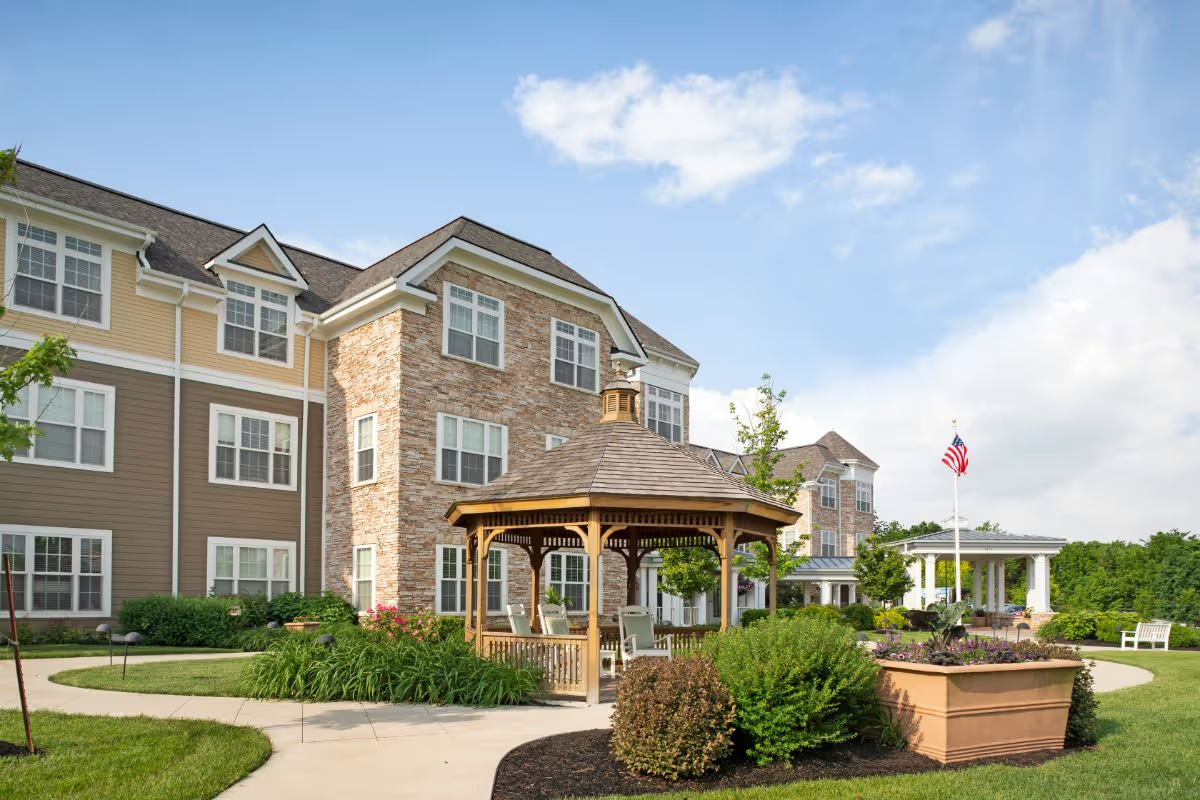
Across the reviews there is a clear split between positive experiences centered on direct caregiving and concerns about operational consistency. Many families and residents describe warm, compassionate direct-care staff and a knowledgeable nursing presence; these attributes are commonly cited as the facility’s strongest assets. Reviewers frequently praise the community’s clean common areas, scenic river views, outdoor seating, and a home-like atmosphere that fosters social connection. The activities program, led by an engaged activities director, is routinely noted for variety and resident engagement, and the community’s pet-friendly approach and family dining spaces are additional strengths.
At the same time, a recurring theme is uneven execution of clinical and operational processes. Several reviewers raised concerns about medication management, incomplete clinical documentation, and delays in attending to personal-care needs—issues that appear most acute during night shifts and periods when staffing is thin. High staff turnover and substantial use of agency personnel were reported; families describe this as a driver of inconsistent care continuity and variable staff familiarity with residents’ routines and needs.
Dining and daily living experiences are mixed: some reviewers praise home-cooked meals and fresh-baked items, while others find menu options limited or the food quality inconsistent. The activities schedule is generally seen as a positive, though scheduling conflicts (for example, activities during resident nap times) and limited stimulation in sections of memory care were mentioned. Memory-care units were described as smaller and darker by some families, with specific concerns about sanitation and odor in those areas and limited private-room and bathroom space.
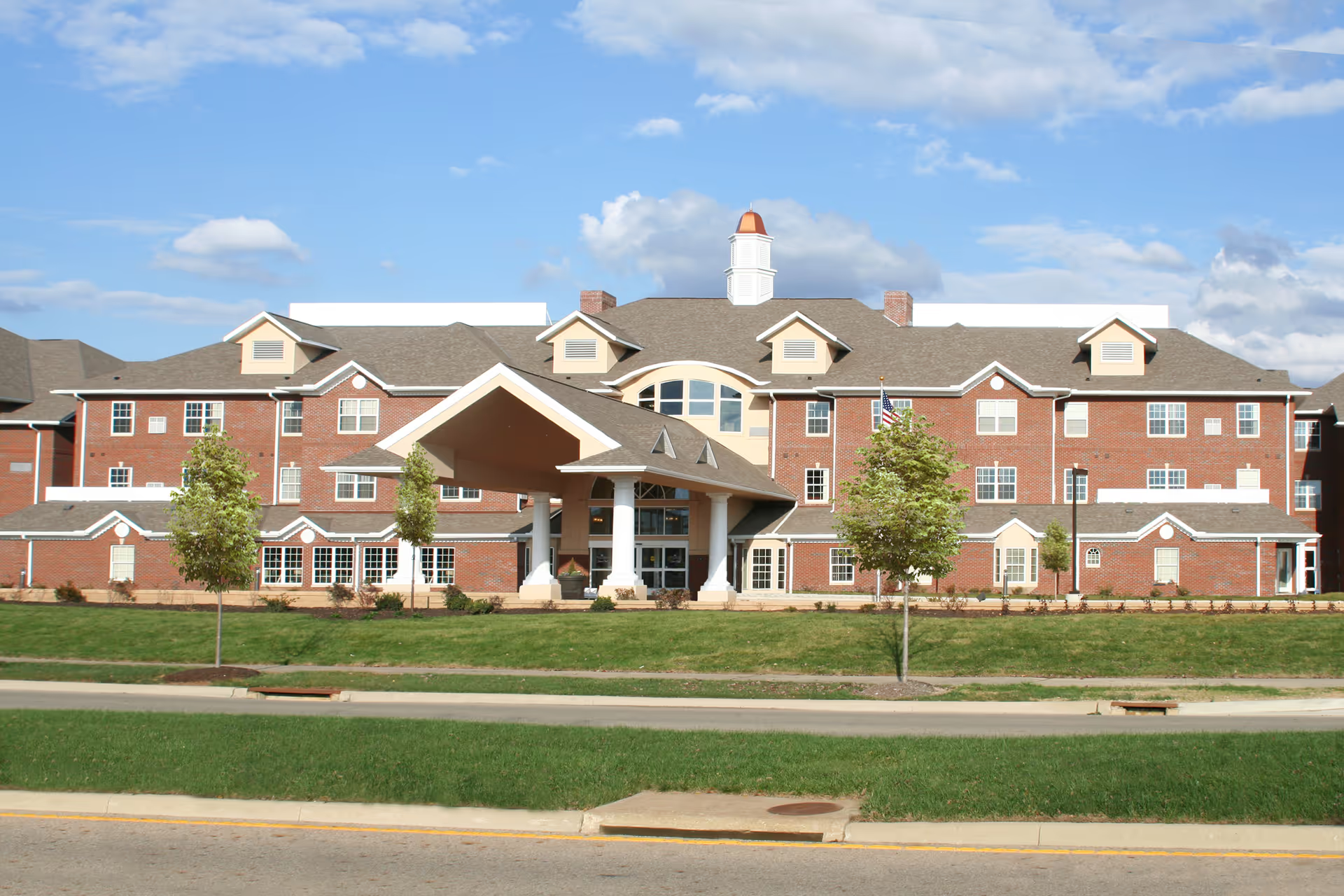
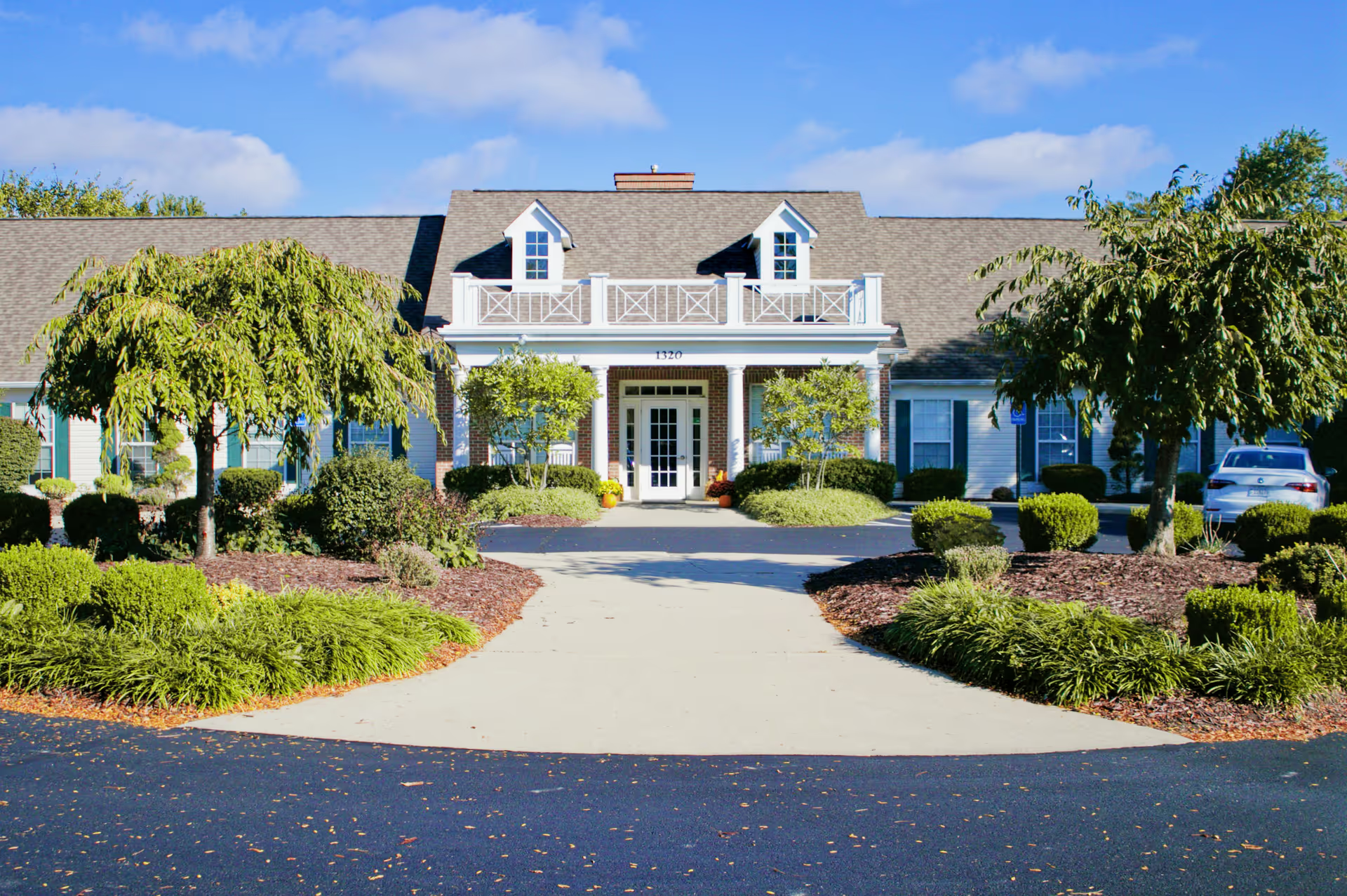
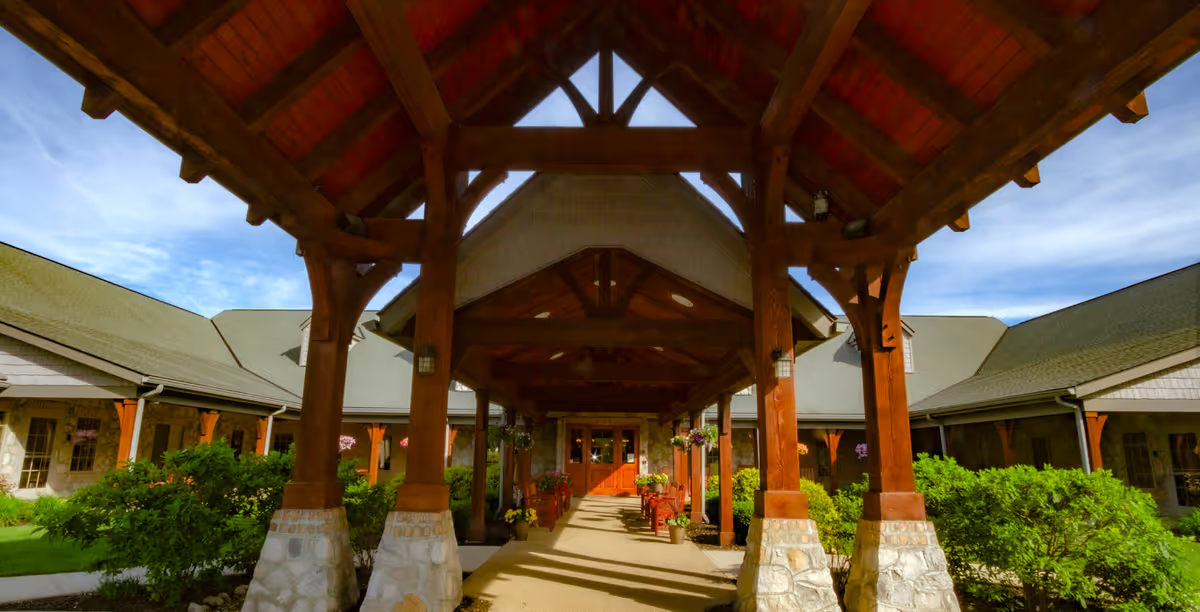
Facility condition feedback is also divided. The property and public spaces are frequently described as attractive, well-maintained, and spotless; yet several accounts indicate capital maintenance needs in particular areas (exterior doors, peeling baseboards, an aging shuttle) that suggest deferred repairs. Accessibility concerns were noted, including limited lift equipment and promised accessibility modifications that were not completed. Management and corporate responsiveness were another frequent area of concern: families reported billing errors, opaque financial communication, and slow follow-up from corporate leadership. There are also serious one-off claims in the reviews—such as alleged property loss and claims of inappropriate solicitation of favorable reviews—that merit direct inquiry during a tour or stakeholder meeting.
For prospective residents and families, the pattern suggests that care experience can vary significantly depending on staffing continuity and which management team is in place. When direct-care teams and local leadership are stable and engaged, reviewers describe an affectionate, attentive environment with strong social and dining amenities. Conversely, when turnover is high or corporate communication is weak, clinical documentation, medication processes, and maintenance follow-through have been the areas most affected. Recommended due diligence: request recent staffing and turnover metrics, ask for written medication-administration and incident documentation procedures, review recent maintenance logs and capital plans, tour the memory-care unit during an active period, and obtain clear, itemized billing examples and the facility’s Medicaid/admissions policy before committing.