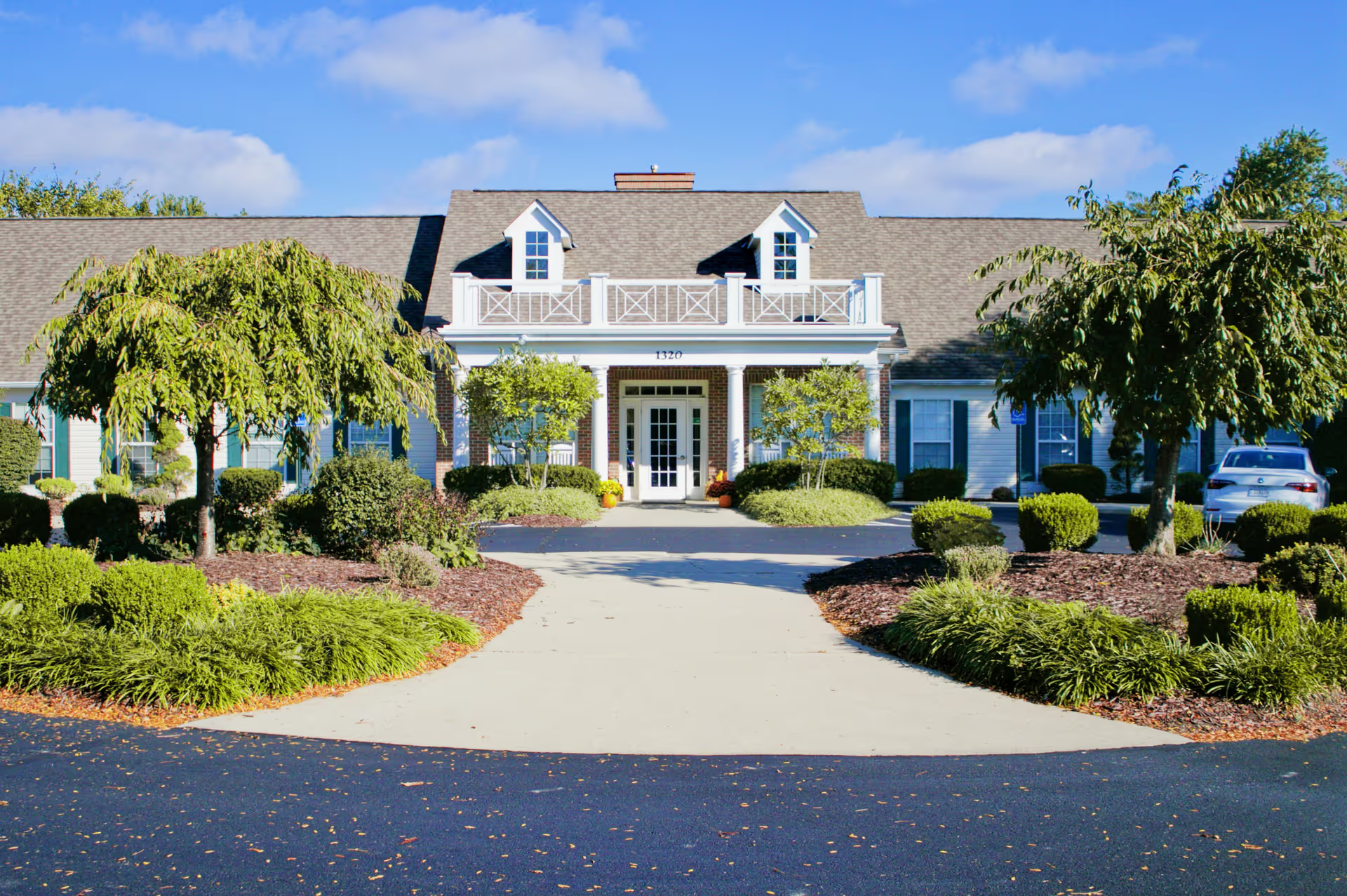
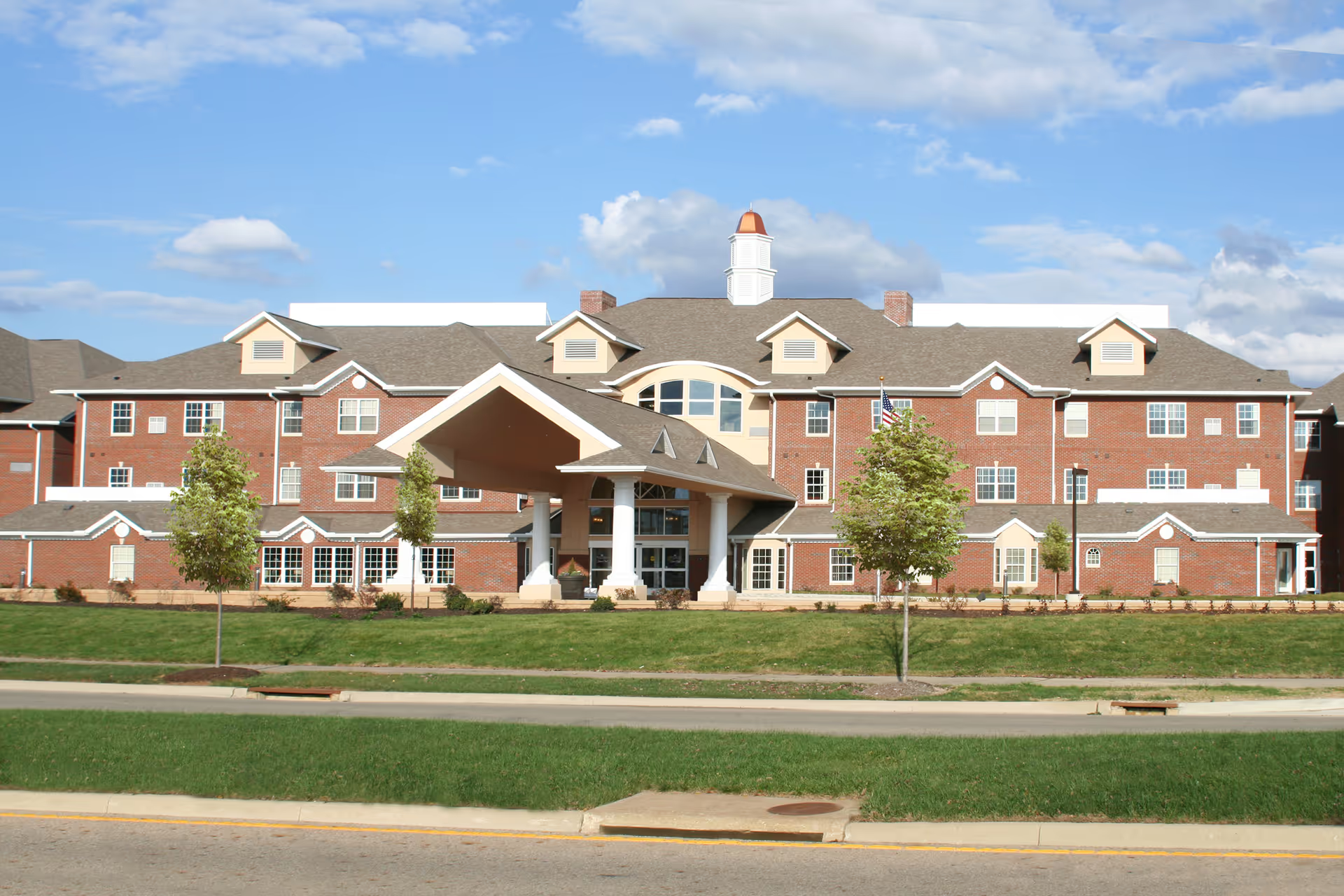
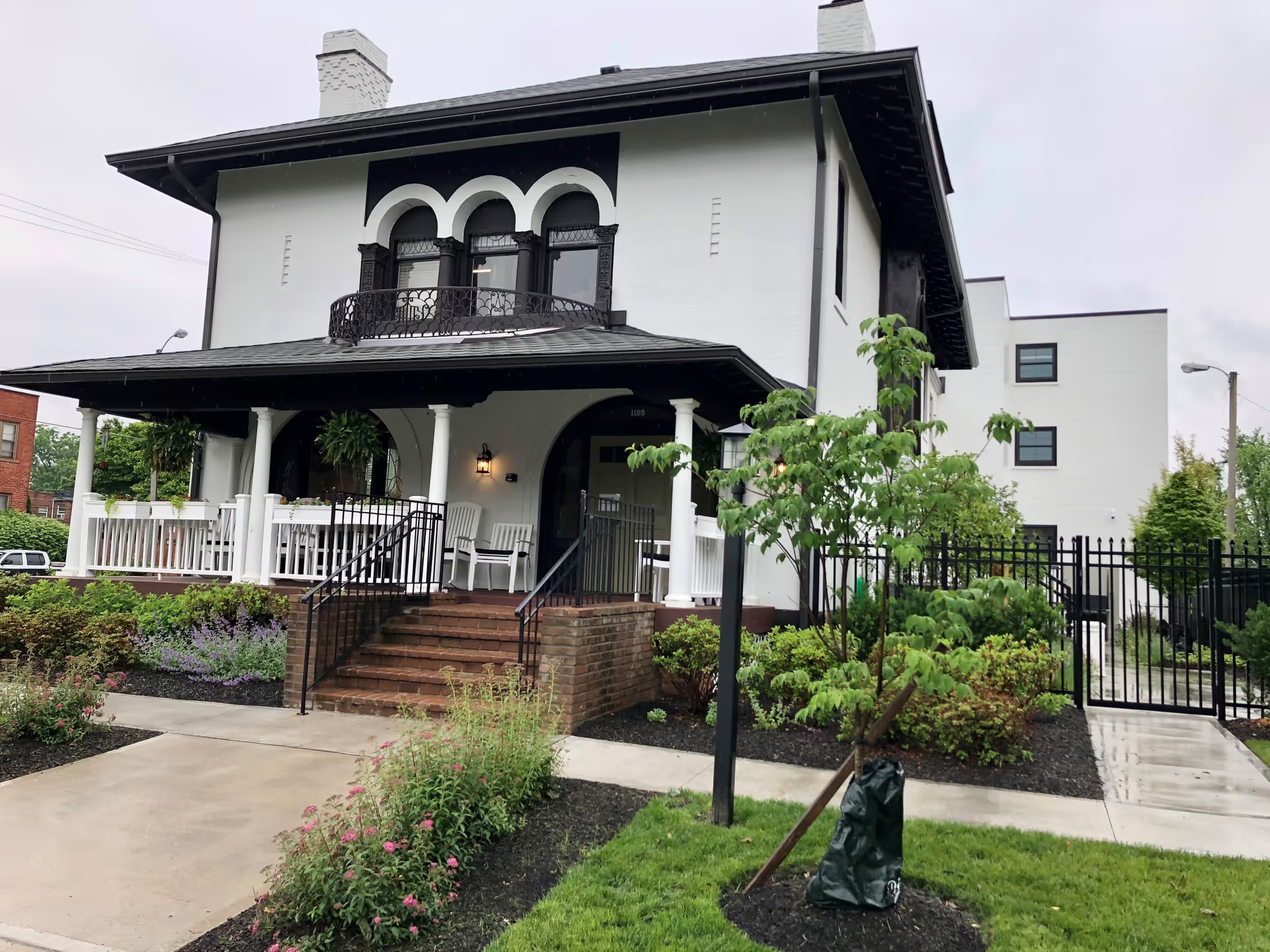
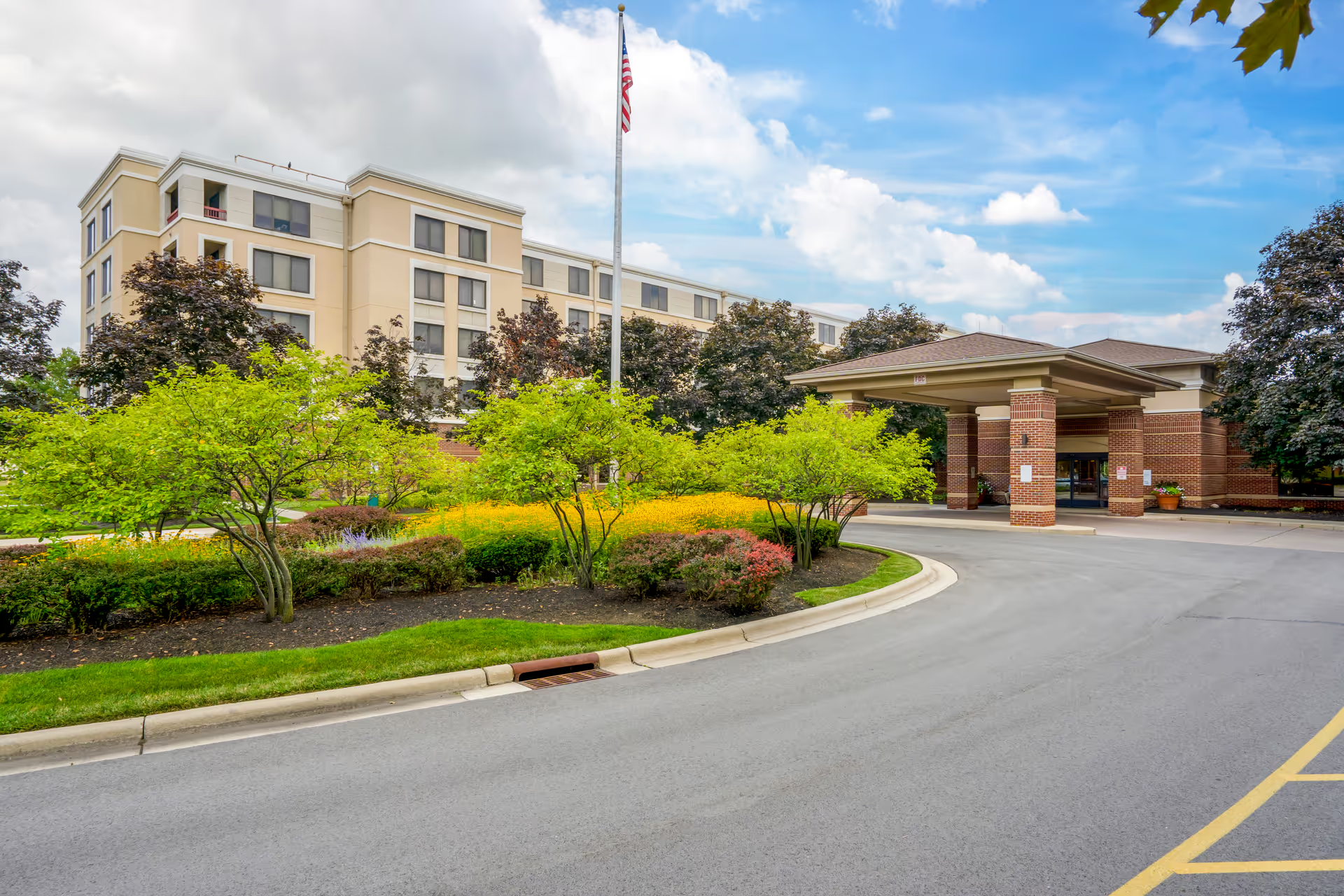
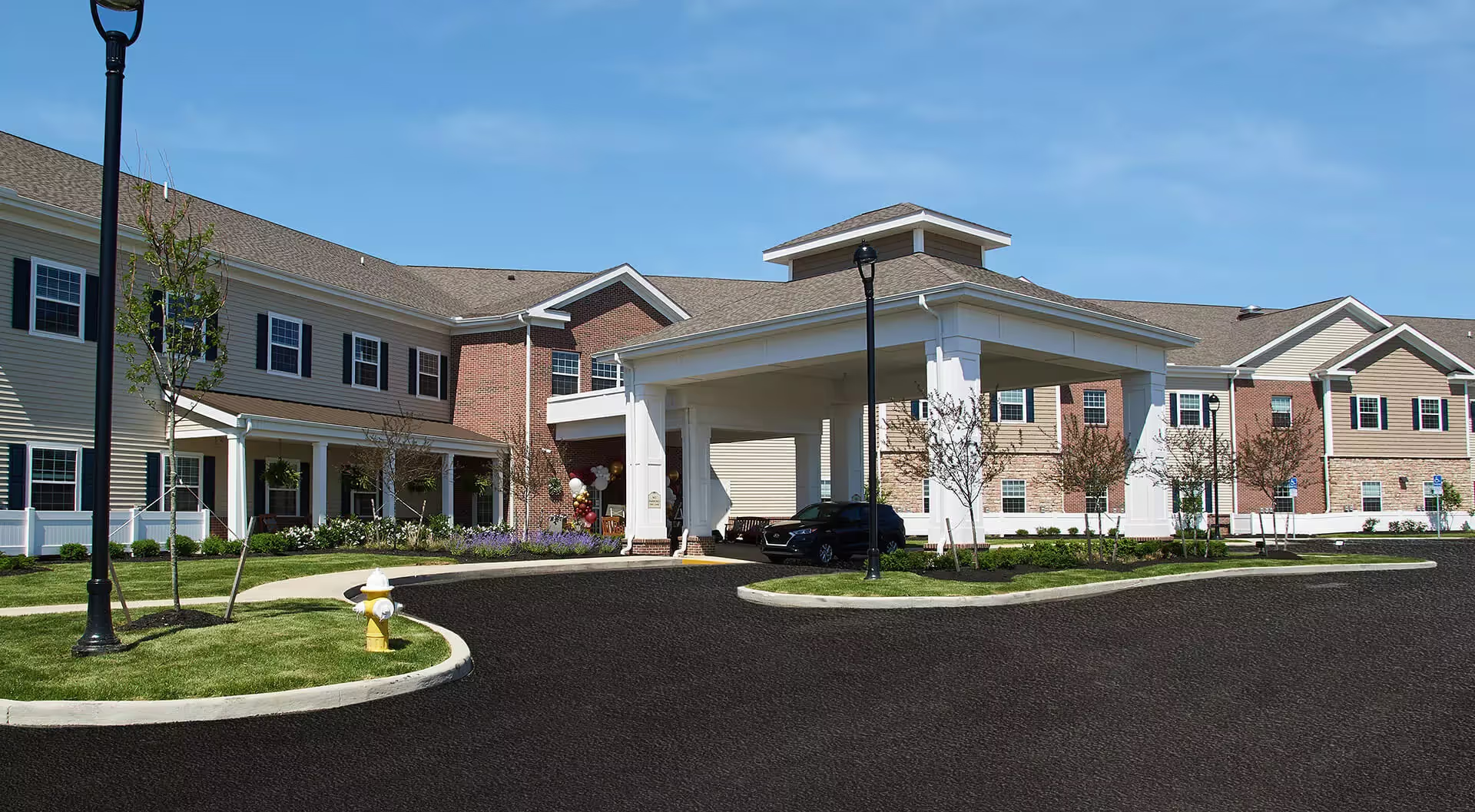
First Community Village receives strong praise for independent living and the overall residential experience. Residents and families describe an attractive campus in Upper Arlington, with landscaped grounds, walking paths, gardens, and a broad range of amenities. Apartments and manor homes are often described as comfortable and appealing. Residents value the pool, fitness facilities, dining venues, transportation, and the convenience of having activities and services on campus. The setting can feel spacious and appealing to many, though one family found the campus too large for a walker-dependent resident.
Social and intellectual life is a recurring strength. Reviews describe a full calendar of classes, performances, outings, games, interest groups, and informal opportunities to meet neighbors. Residents often praise the welcoming community and say that friendships and activities help make the transition from home easier. Families also speak positively of marketing and move-in staff, ambassadors, maintenance, and the communication they received during transitions. Experiences with staff are not uniform, however: positive accounts of attentive, caring teams coexist with complaints about inconsistent communication and staff conduct in care settings.
Dining receives mixed feedback. Many residents and families value the menu variety, multiple dining options, and food they describe as enjoyable. Other accounts characterize meals as average, costly, or occasionally served at an undesirable temperature. Cost is a broader concern: reviewers describe the community as expensive, and some mention substantial entrance or private-pay requirements. Families also advise clarifying billing arrangements, including whether physicians bill separately and whether those providers participate in a resident’s supplemental insurance.
Care experiences vary notably by service and individual account. Some families praise the memory care team for its programming, knowledge, and respectful support, and others describe positive short-term rehabilitation or hospice experiences. In contrast, negative accounts of skilled nursing and rehabilitation raise concerns about staffing coverage, response times, staff training, medication practices, fall prevention, personal care, and coordination among nursing, therapy, and social work. Some families also describe inconsistent therapy schedules and communication about discharge plans or changes in care. These accounts include serious concerns about clinical outcomes; they are individual reports and do not establish that every resident receives the same level of care.
Overall, reviews suggest a marked contrast between the highly rated independent-living environment and more variable experiences in nursing and rehabilitation. Prospective residents and families may want to assess each specific level of care separately, ask about staffing and overnight coverage, response procedures, therapy schedules, medication oversight, discharge planning, and the process for accommodating changing needs. A visit and direct discussion of fees, billing, and care-continuity policies can help clarify whether the community is a suitable fit.