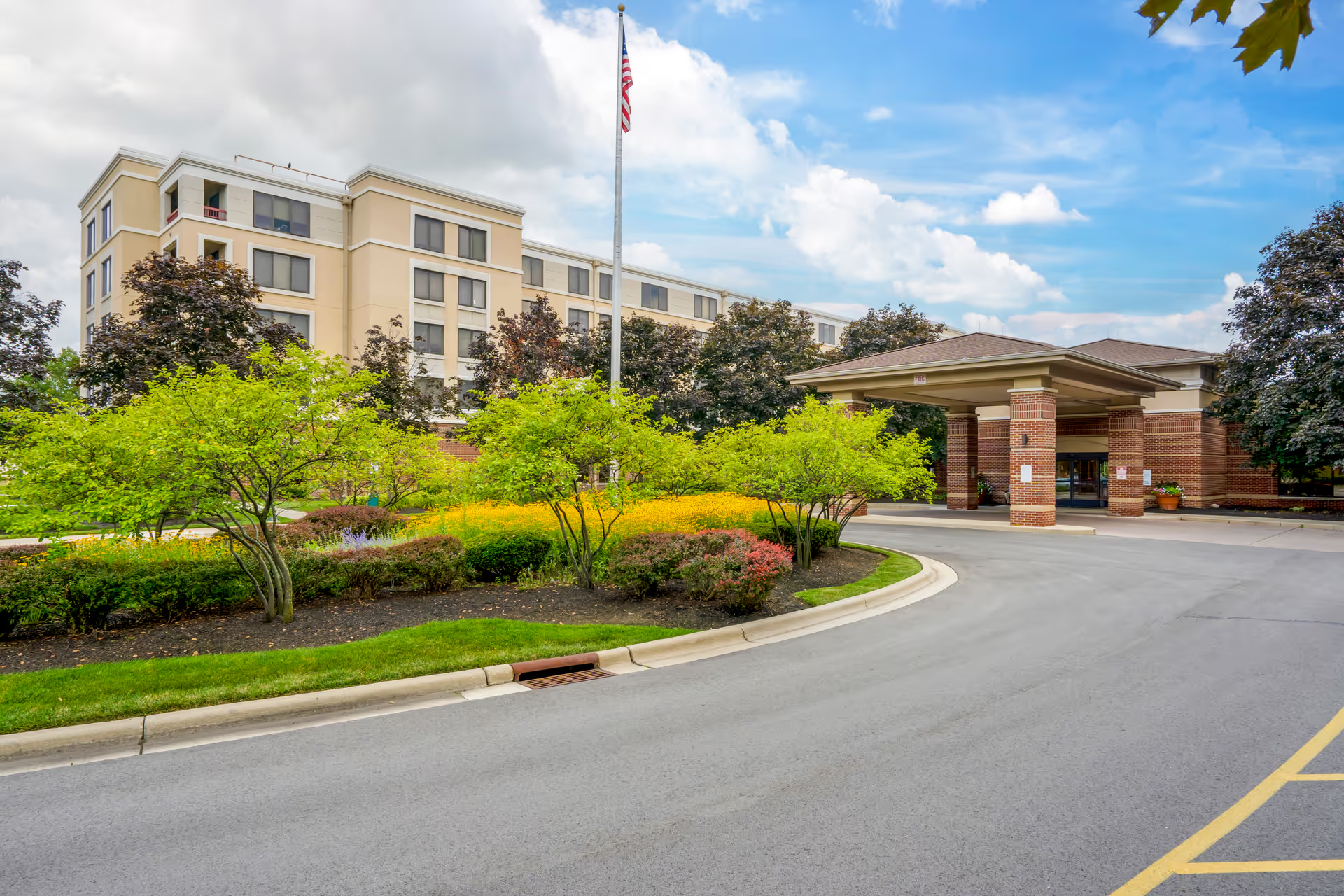
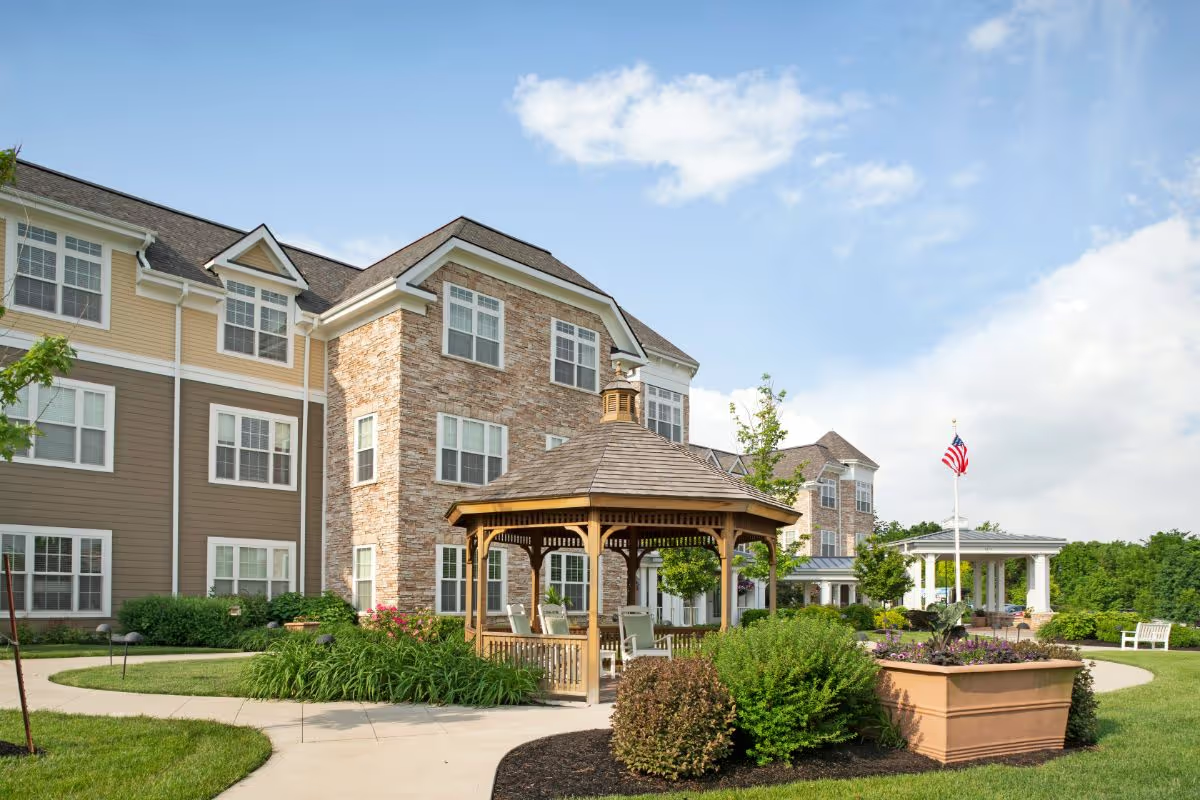
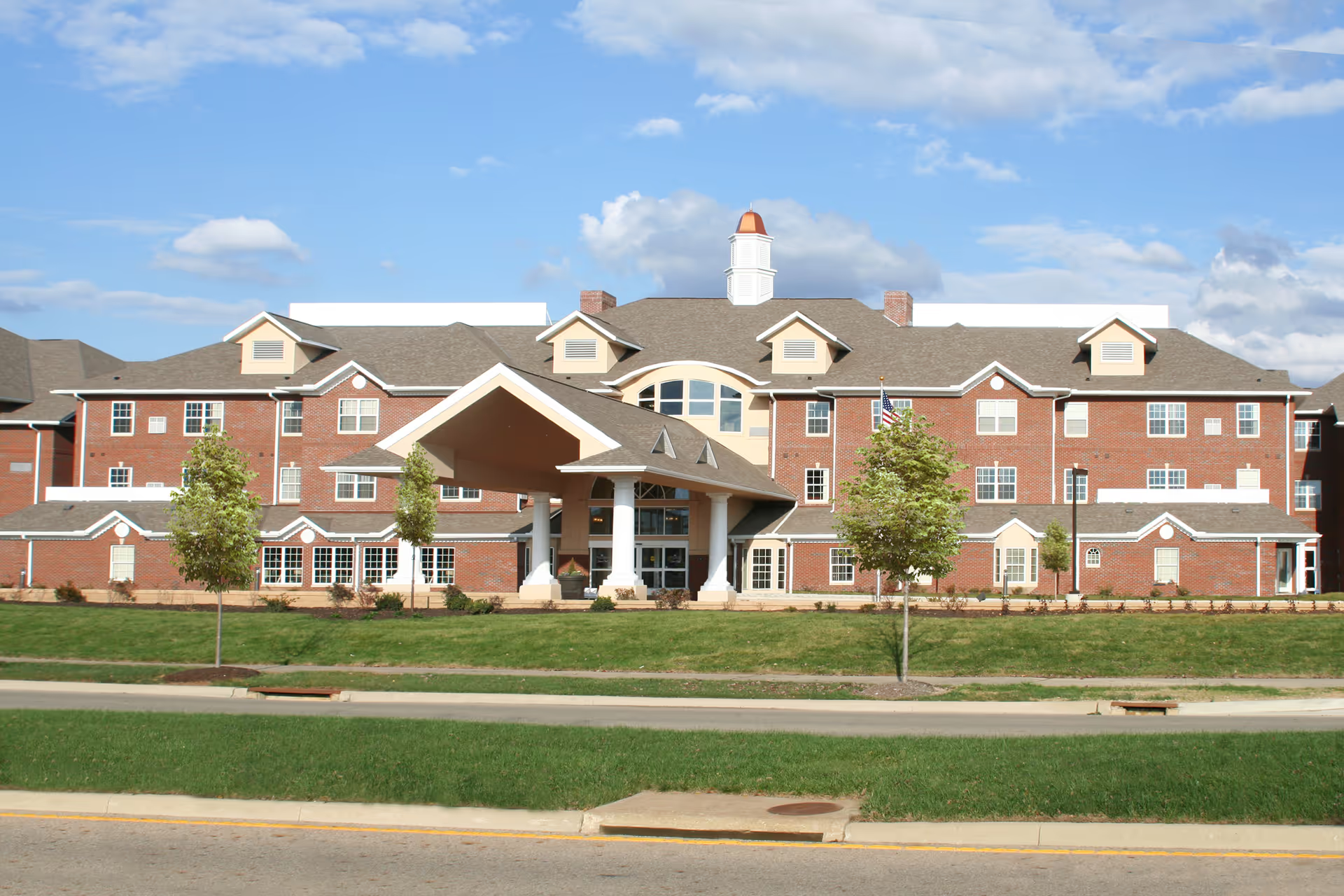
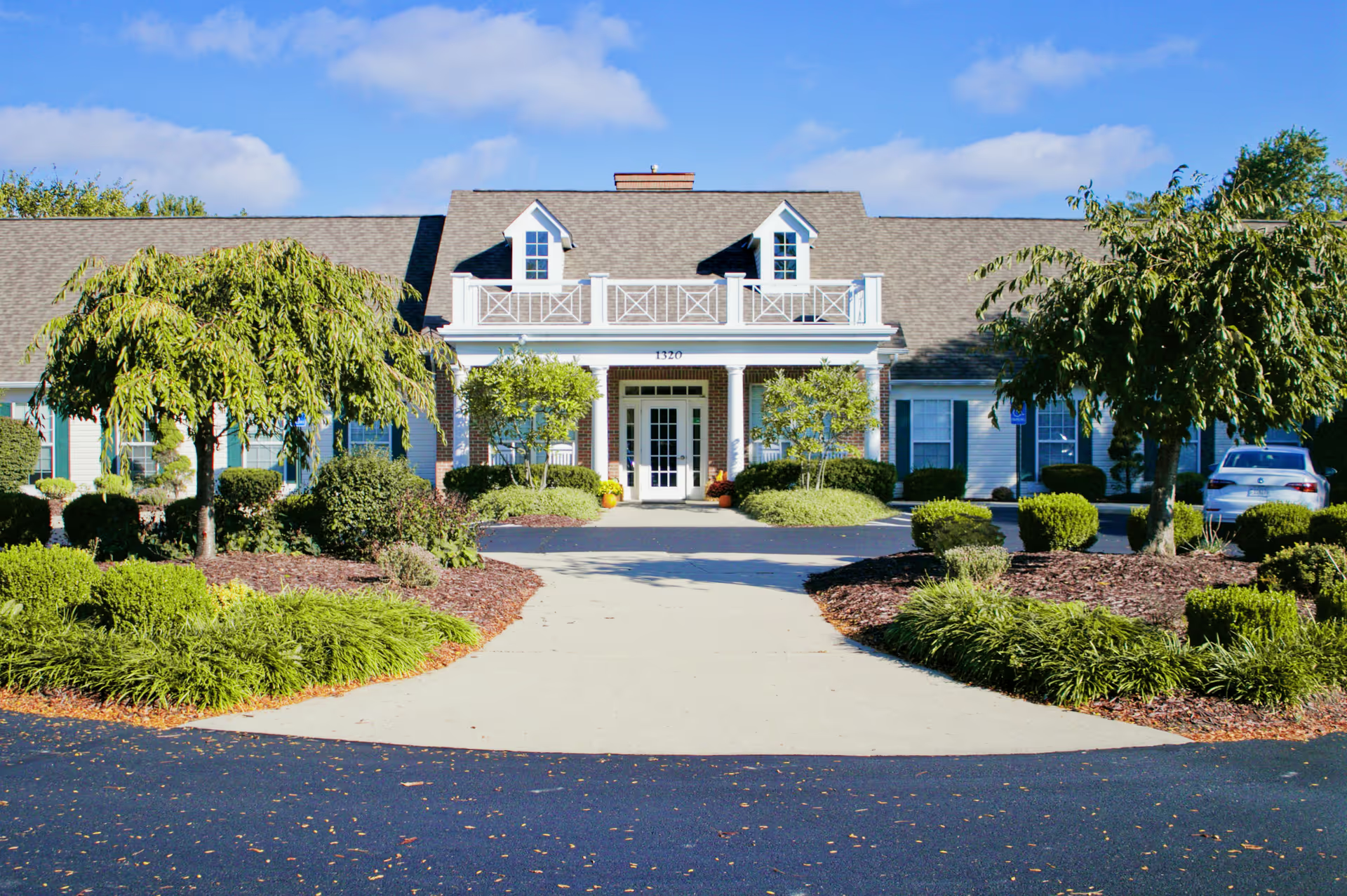
Mayfair Village presents a mixed but largely community-oriented profile. The facility is frequently described as having compassionate, long-tenured staff who create a family-like atmosphere and maintain clear communication with families. Many reviews praise cleanliness of common areas, an active events calendar (music, bingo, games, special-meal occasions), and apartment-style units with kitchenettes that support independence. The site is also notable for integrated care options—independent living, assisted living, and nearby skilled nursing—which, together with on-site transportation and a pet‑friendly policy, contribute to perceived value for many residents and families.
Care quality is generally characterized by attentive, emotionally engaged staff and strong family communication; reviewers commonly cite responsive support during serious illness and end-of-life situations. However, there are serious clinical-safety concerns that deserve attention: reviewers have described medication-administration failures and coordination problems that suggest gaps in pharmacy coordination and day-to-day medication oversight. These accounts raise important questions about medication-management processes and clinical supervision that prospective families should evaluate directly.
Staff and professionalism show a bifurcated pattern. Many families describe warm, helpful, and reliable caregivers and managers who go above and beyond; at the same time, other accounts indicate inconsistent professional conduct, interpersonal conflicts among staff, and occasional unprofessional attire or behavior. These contrasts point to variability in team culture or supervision from shift to shift rather than a single uniform experience.
Dining and activities are strengths for many residents but inconsistent for others. The facility offers a restaurant-style dining option and can accommodate special diets, and programming is varied and relationship-focused. Yet some reviewers note that meal preparation methods (including outsourced kitchen services) and food quality vary, and activity participation levels can depend heavily on staff facilitation. Those seeking a resort-style culinary program or highly structured activity enrollment should verify current menus and event engagement during a tour.
Facility condition and amenities are another mixed area. Mayfair is described as an older building undergoing updates; interiors are generally clean and maintained, but common areas and apartment finishes are dated in places and hallway layouts may feel narrow to some. Technology and administrative supports are uneven: reviewers mention spotty Wi‑Fi and a lack of bilingual administrative staff. Pricing is often seen as competitive for the market, but several families noted added charges for higher levels of assisted care and questioned value relative to the physical condition of the facility.
Management receives praise for transparency, proactive communication, and hands-on leadership in many accounts, including positive notes about a new Director of Nursing and Executive Director. Contrasting accounts raise concerns about inconsistent incident resolution, difficulty with certain administrative complaints (for example, handling disruptive residents), and isolated allegations regarding data-privacy or ethical conduct. These matters appear episodic but significant; they suggest prospective residents should ask for written policies on incident response, privacy safeguards, staffing ratios, and medication oversight during the decision process.
Overall, Mayfair Village will likely appeal to families prioritizing compassionate staff, integrated care options, a community feel, and affordability. Prospective residents and their families should focus their tour and questions on current staffing levels, medication-administration protocols, meal-service arrangements, activity engagement practices, bilingual and technology supports, and the facility's processes for handling complaints and privacy concerns to ensure alignment with their care expectations.