Mother Angeline McCrory Manor elicits strongly mixed impressions. Many families describe a warm, faith-based community with compassionate nursing and caregiving staff, strong rehabilitation services (PT/OT), attractive common areas, and an overall home-like environment. Food and dining options, on-site amenities, and regular spiritual and social programming are frequently noted as strengths. Across multiple accounts, therapy departments and hands-on rehabilitation are singled out for producing measurable patient progress and successful transitions home.
Clinical quality impressions are mixed. Several reviews praise attentive nursing care and individualized attention, while others describe inconsistent clinical coordination — examples include delayed symptom control, variable medication and catheter handling, inconsistent vital-sign monitoring, and gaps in wound- and infection-related follow-up. There are repeated references to issues with timely escalation and emergency-transfer processes. These contrasting accounts suggest the facility can provide high-quality care when staffing, communication, and clinical oversight align, but that care reliability may vary across units and shifts.
Staff culture and training show a similar split. Many reviewers characterize staff as caring, patient, and family-oriented; cooks, housekeeping, and administrative personnel are often mentioned as becoming part of the family circle. At the same time, reviews indicate high turnover, reliance on temporary agency staff, language barriers with some aides, and instances of unprofessional conduct at the point of admission or front desk. There are consistent indications of a need for additional dementia-specific training and for improved strategies to engage residents with cognitive impairment beyond passive activities.
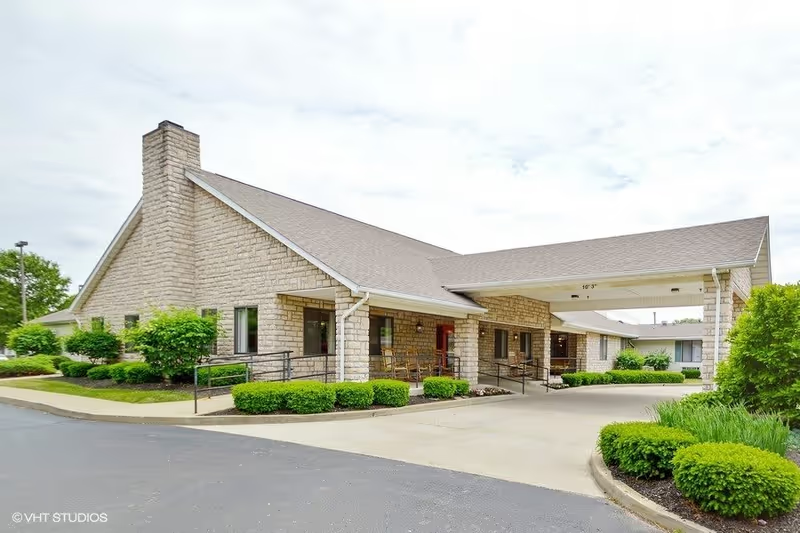
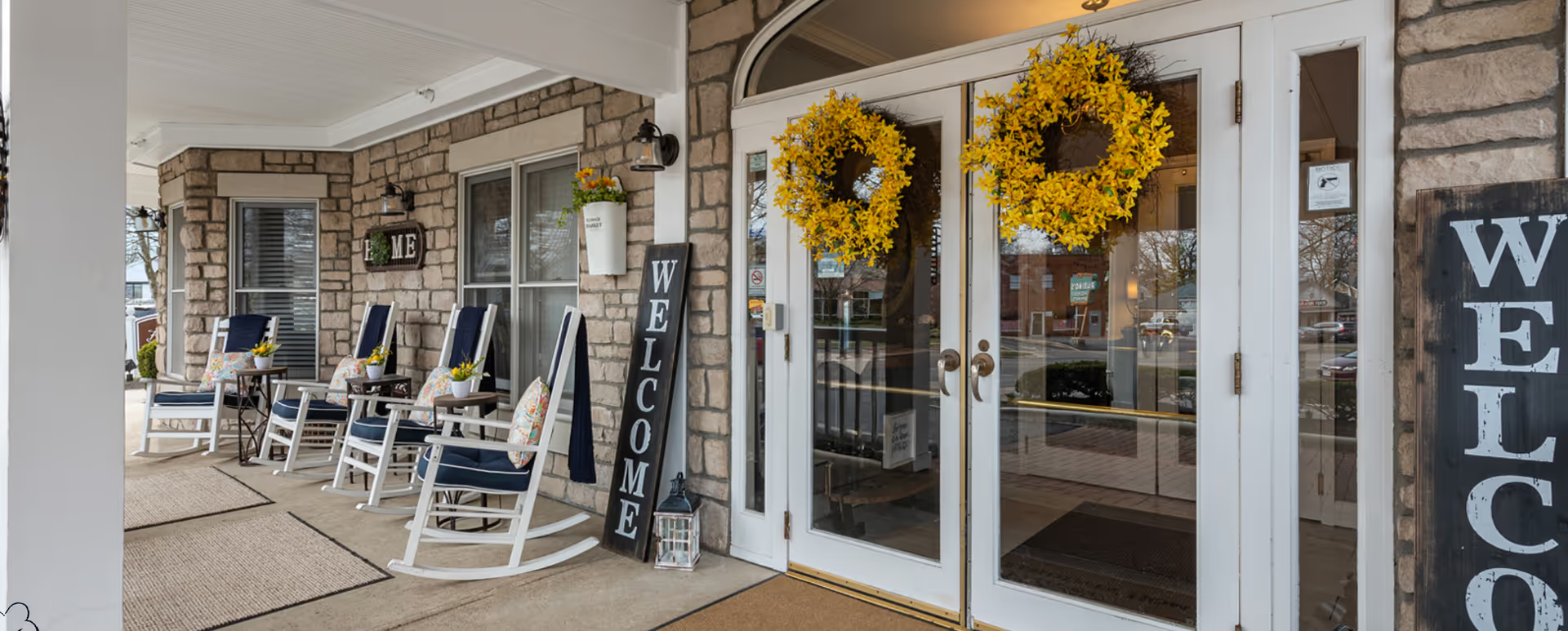
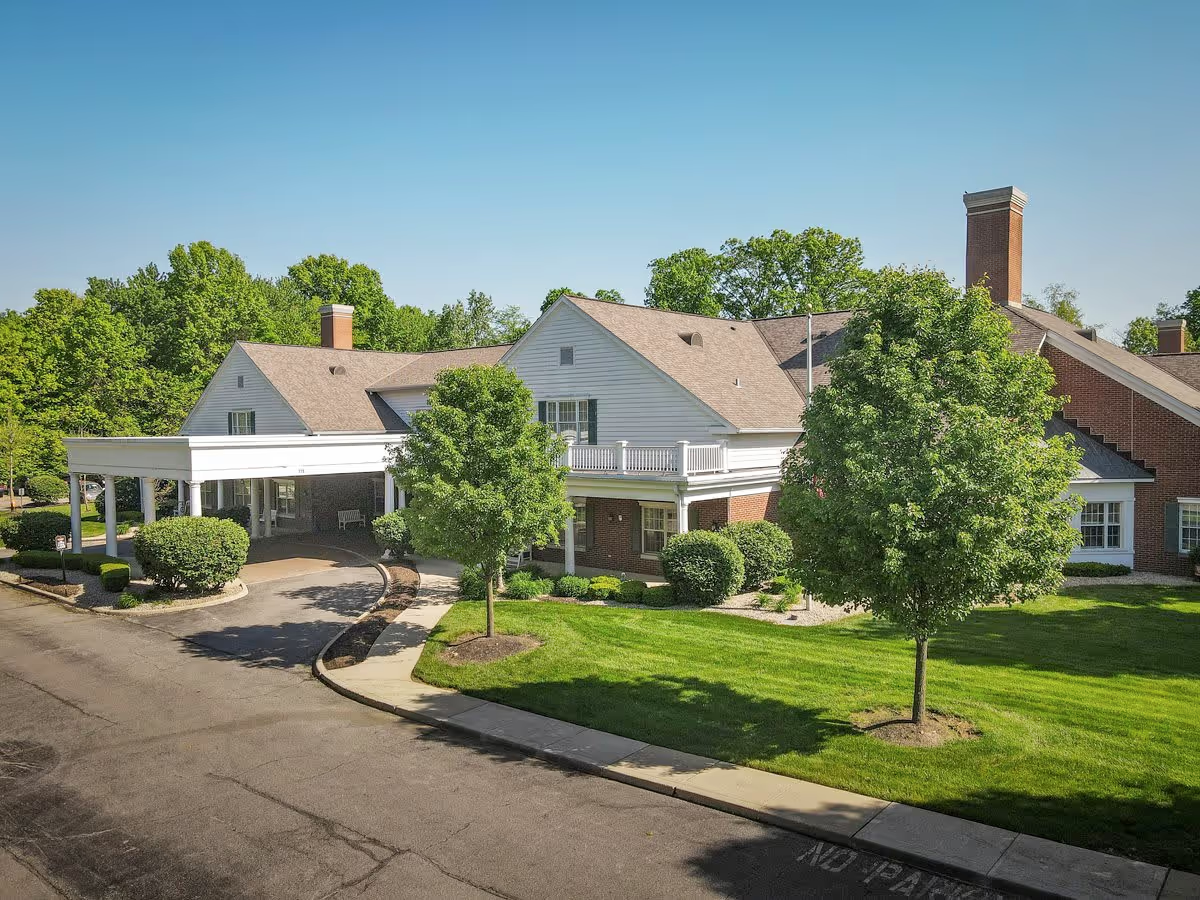
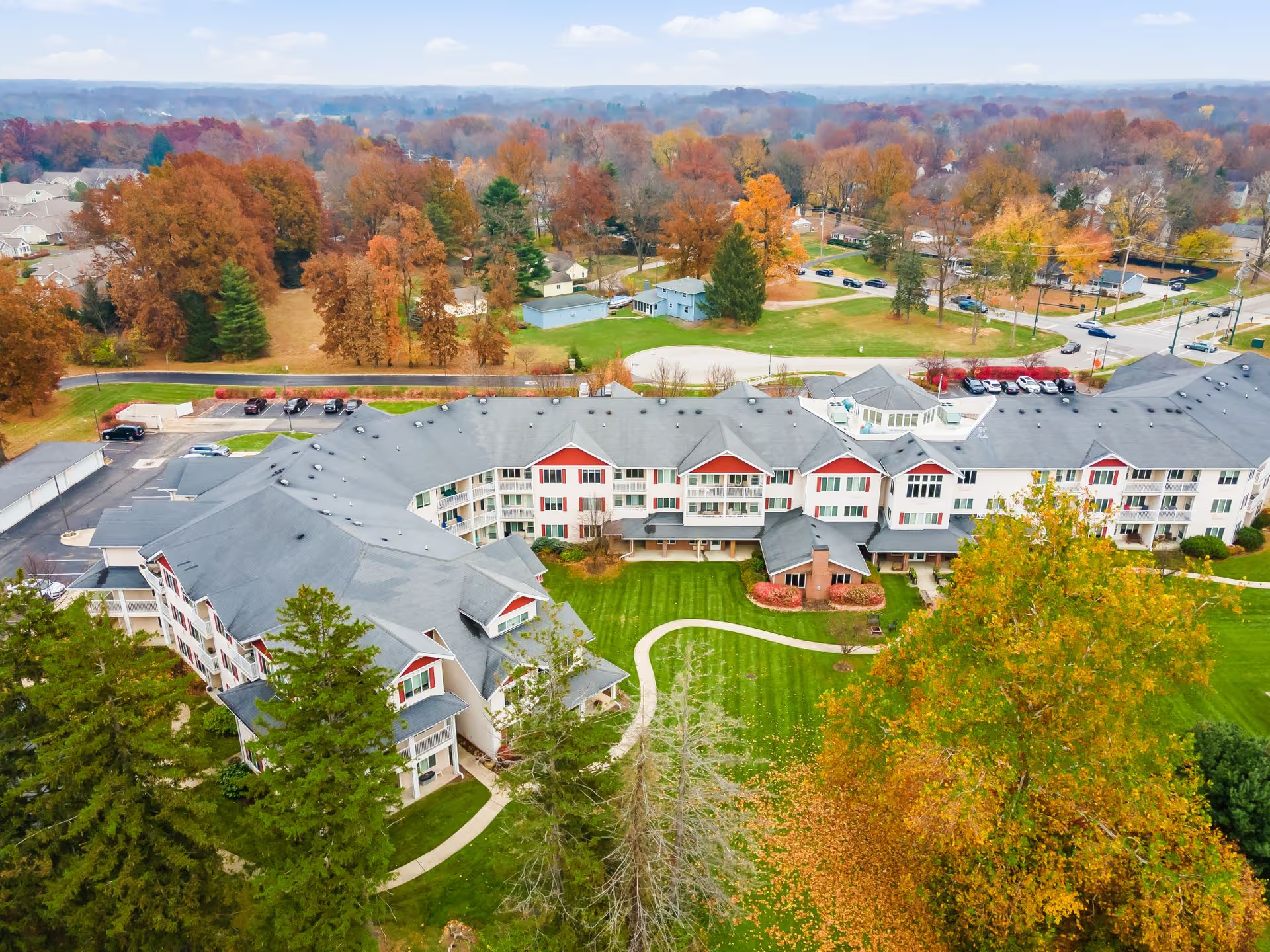
Activities, dining, and facilities receive frequent praise. The facility is described as clean, thoughtfully designed, and peaceful, with an enclosed courtyard, chapel, multiple dining areas, snack stations, and a welcoming lobby. Programming includes religious services, social events, and entertainment. A contrasting thread is that residents with cognitive or behavioral needs sometimes experience insufficiently tailored engagement and that some residents spend extended periods with limited stimulation.
Operational and administrative patterns of concern center on communication and consistency. Families report communication gaps between nursing and administration, intermittent failure to deliver promised supplies or equipment, unreliable personal-property and laundry handling, and inconsistent privacy/information practices. There are also mentions of sanitation and odor concerns in specific areas and isolated pest-control issues. Some reviews reference restrictive visitation practices and uneven availability of designated spiritual leaders, which is notable given the facility’s faith-based identity.
Overall, the facility shows clear strengths in rehabilitation, therapeutic programming, spiritual life, and in many cases compassionate direct care. However, variability in staffing, training, supply reliability, clinical coordination, and management follow-through appears to drive the negative experiences. Prospective residents and families should verify current staffing patterns, dementia-care training, fall-prevention and escalation protocols, equipment/supply availability, and communication processes during tours and admissions discussions to assess whether those operational elements meet their expectations.