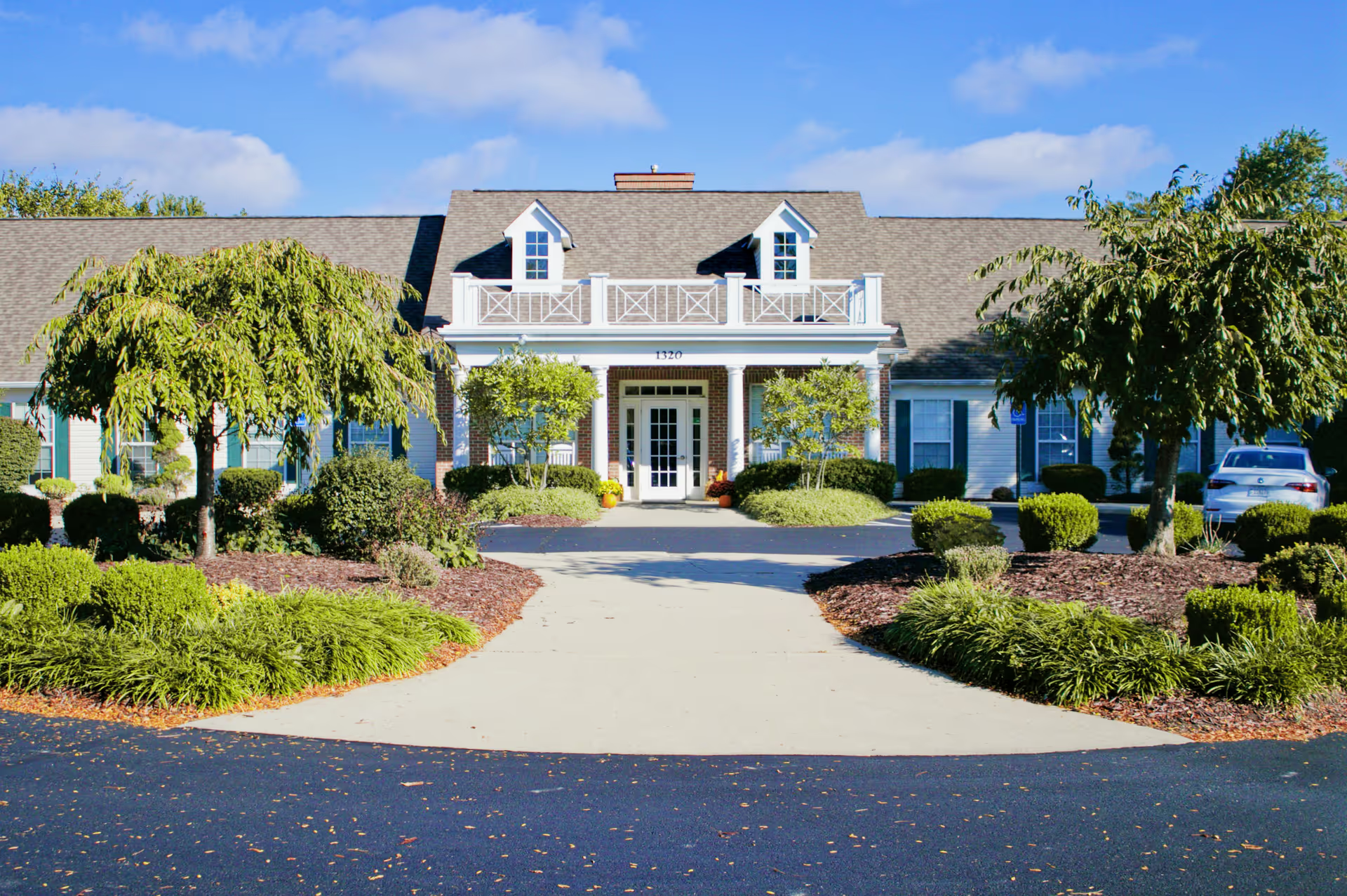
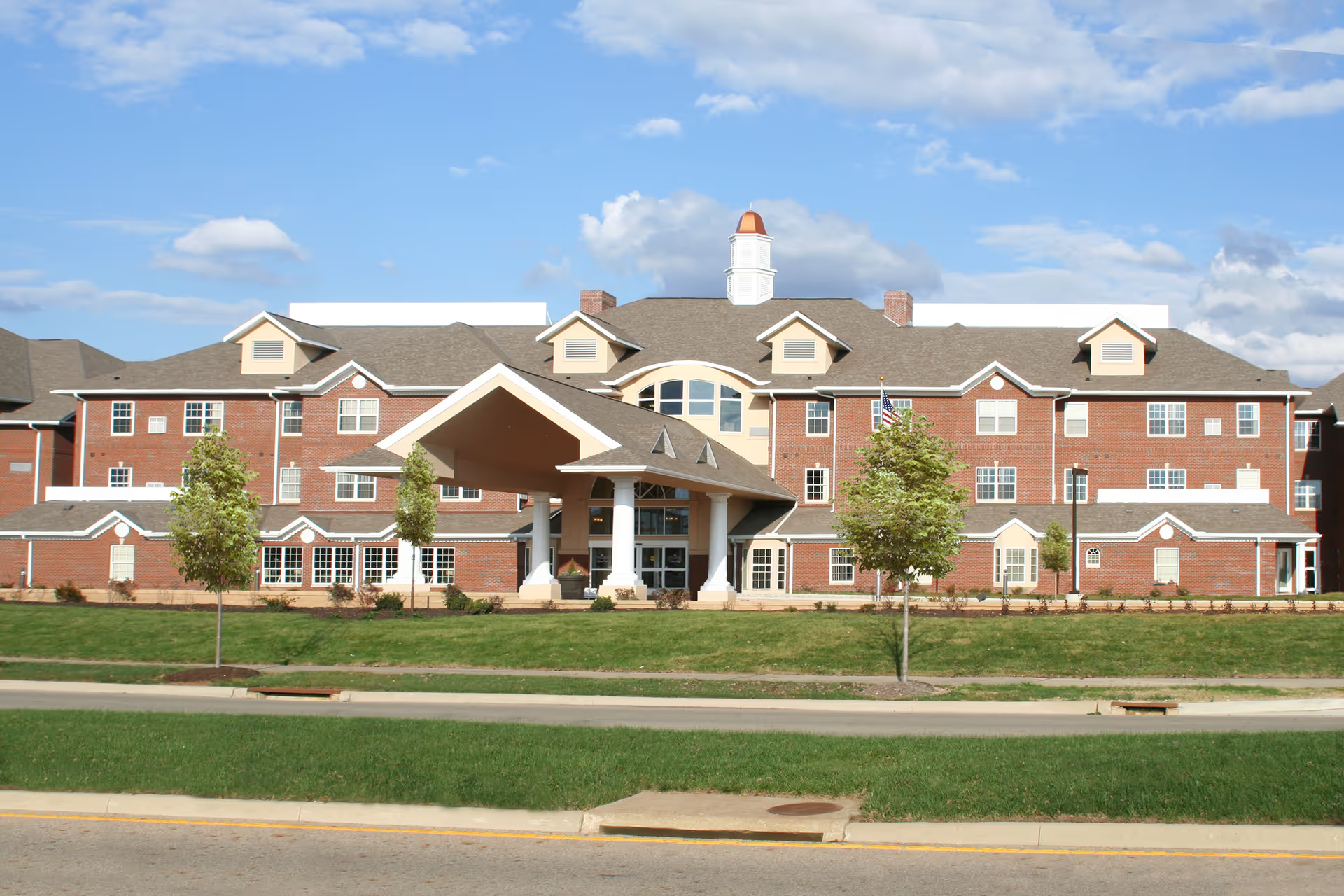
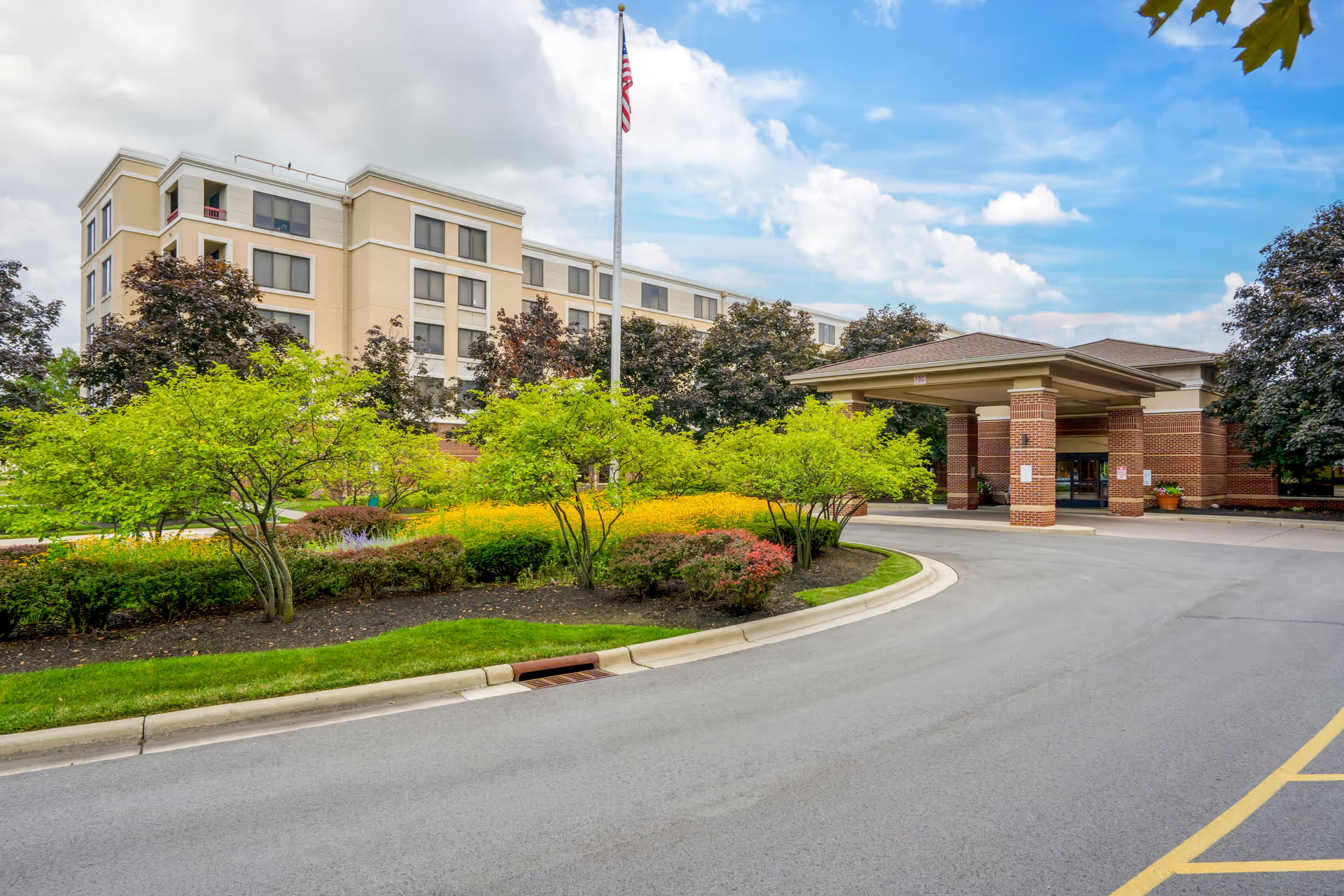
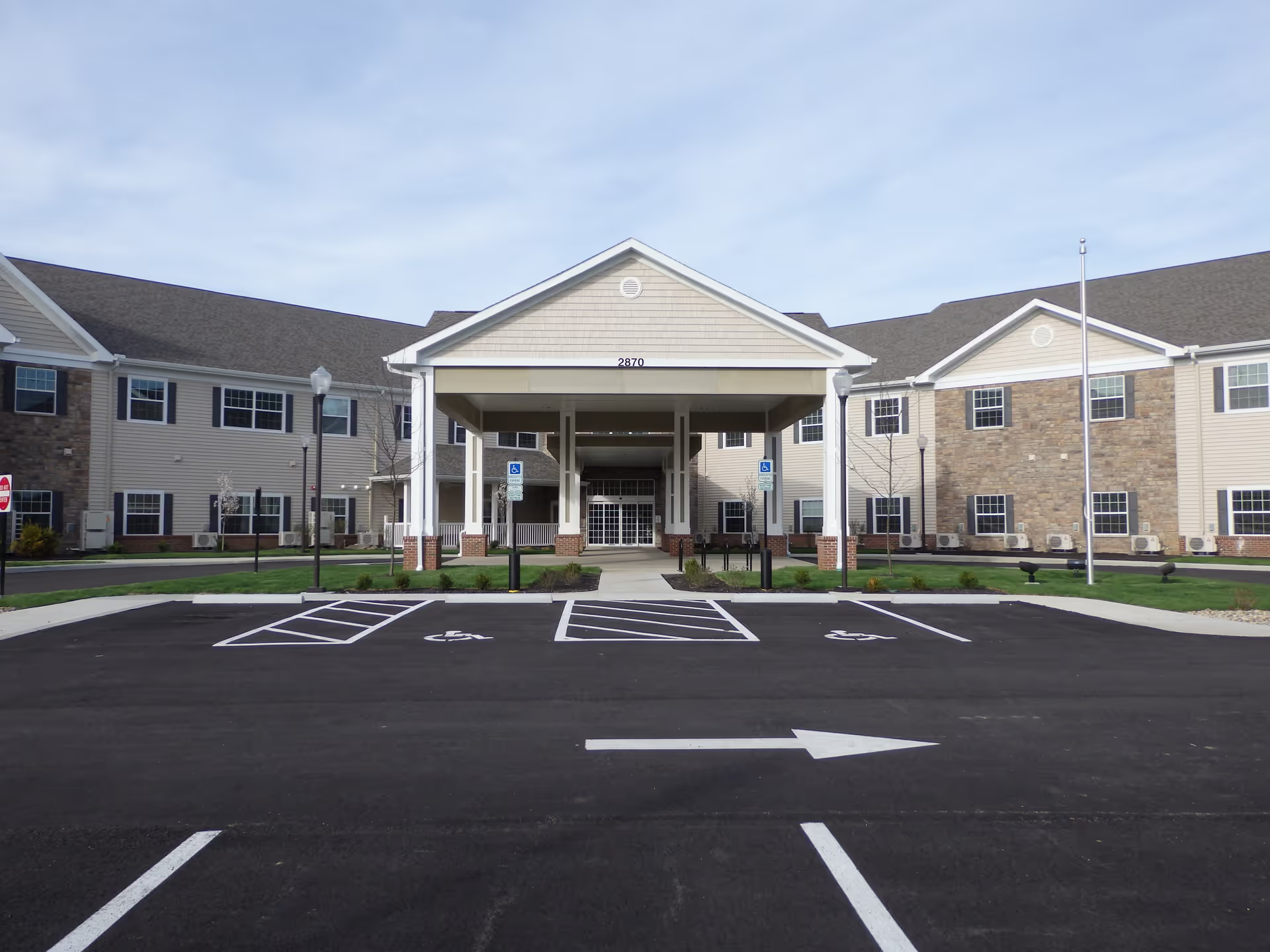
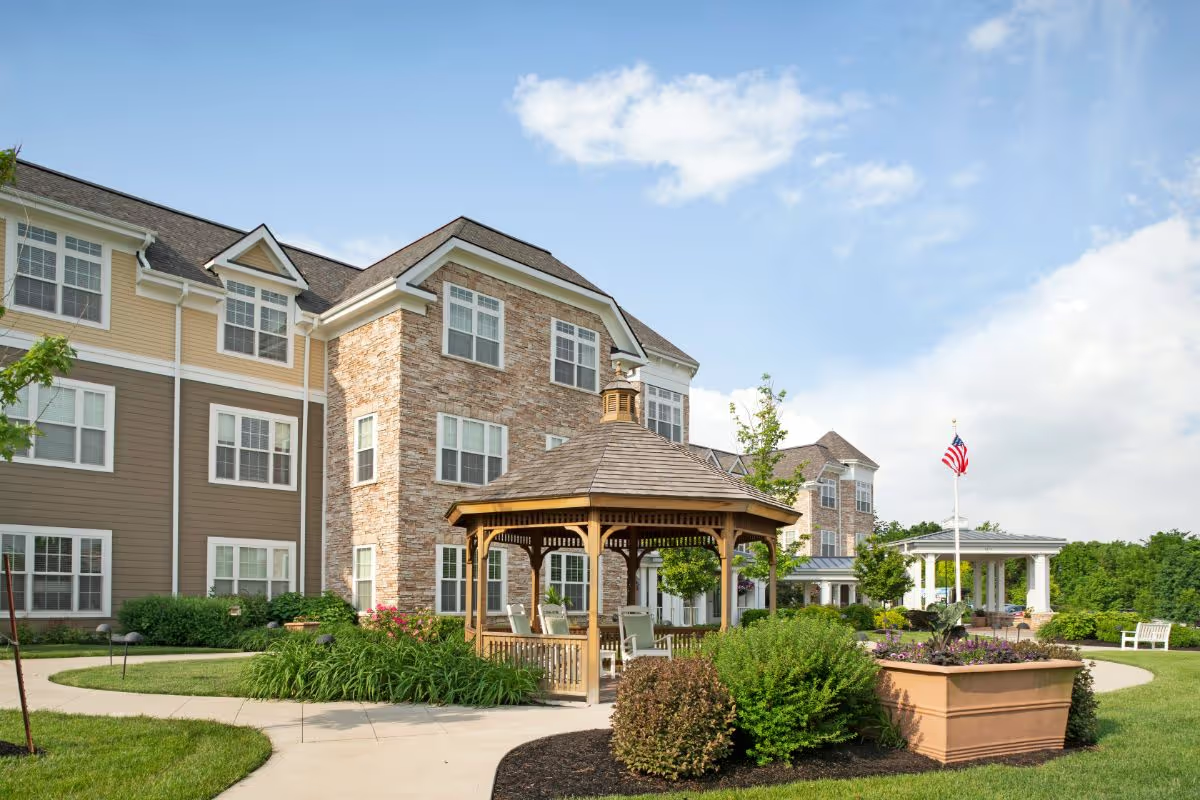
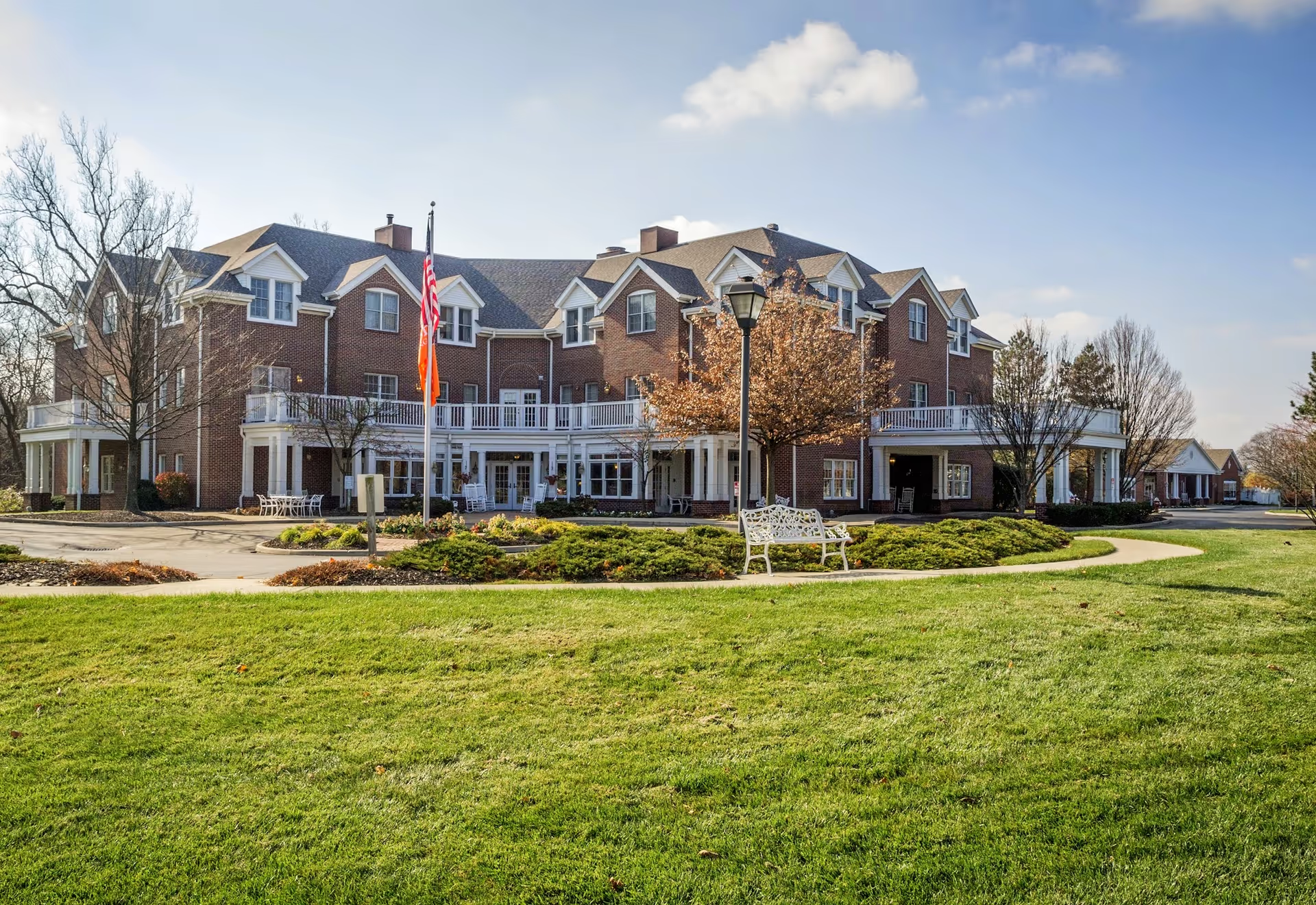
Reviewers describe a facility with pronounced strengths in direct caregiving and rehabilitation, but also recurring operational weaknesses. Many families praised the compassion and attentiveness of nurses, CNAs, and therapy staff; physical and occupational therapy teams are repeatedly described as skilled and effective, and several accounts note positive rehab outcomes, helpful discharge planning, and tangible reductions in family stress. When the facility performs well, reviewers observe a family‑oriented atmosphere, appetizing and accommodating dining services, engaging activity offerings (music, pet therapy, art), and attractive, well‑kept grounds and rooms.
Concurrently, a significant portion of feedback highlights variability in clinical care and day‑to‑day operations. Key clinical concerns include inconsistent adherence to physician orders, lapses in glucose and vital‑sign monitoring, and several accounts pointing to problematic PEG/tube‑feeding management that created aspiration risk. Reviewers also describe delayed call responses and slow attendance to needs, which, combined with reports of insufficient staffing and frequent turnover, suggest staffing levels and continuity are uneven across units and shifts. These operational gaps have been associated with safety events such as falls and delayed clinical responses.
Sanitation and housekeeping practices are another area of mixed feedback. While some families describe spotless units and clean, private rooms, others point to inconsistent housekeeping, odor concerns in common areas and bathrooms, and delays in linen and bathing schedules. Dining experiences also vary: multiple reviewers complimented dietary staff and individualized meal accommodations, yet others reported inconsistent food quality, small portions, or scheduling problems.
Communication and management practices present a mixed picture. Positive reports cite engaged administrators who answer questions and keep families informed. However, there are also repeated comments about failures to notify families about transfers or emergency care, miscommunication about patient location or transport, and instances where administrative promises were not fulfilled. Leadership continuity appears unstable in some reports, with turnover among administrators and directors contributing to inconsistent follow‑through. Additionally, concerns about personal‑property security have been raised, including missing items and at least one reference to alleged staff theft.
Activity programming and the resident experience are similarly uneven. Several reviewers describe ongoing, enriching activities and staff who support engagement; others report minimal programming, lack of supplies, and limited support for resident‑organized events. Facility condition feedback ranges from praise for well‑maintained grounds and recent repairs (for example, a new roof) to calls for cosmetic updates—carpet, paint, and bathroom fixtures were commonly noted as needing attention.
In summary, Sapphire Rehabilitation and Care Center appears to offer strong rehabilitation services and many dedicated caregivers, with a number of families reporting positive, healing experiences. Prospective residents and families should weigh these strengths against documented variability in staffing, clinical adherence, housekeeping consistency, communication practices, and facility maintenance. When possible, visit the specific unit, ask about staffing ratios and turnover, inquire about call‑response times and clinical protocols (including glucose monitoring and tube‑feeding procedures), and request details on property‑security practices and activity resources to assess whether the current operational performance aligns with your expectations and care needs.