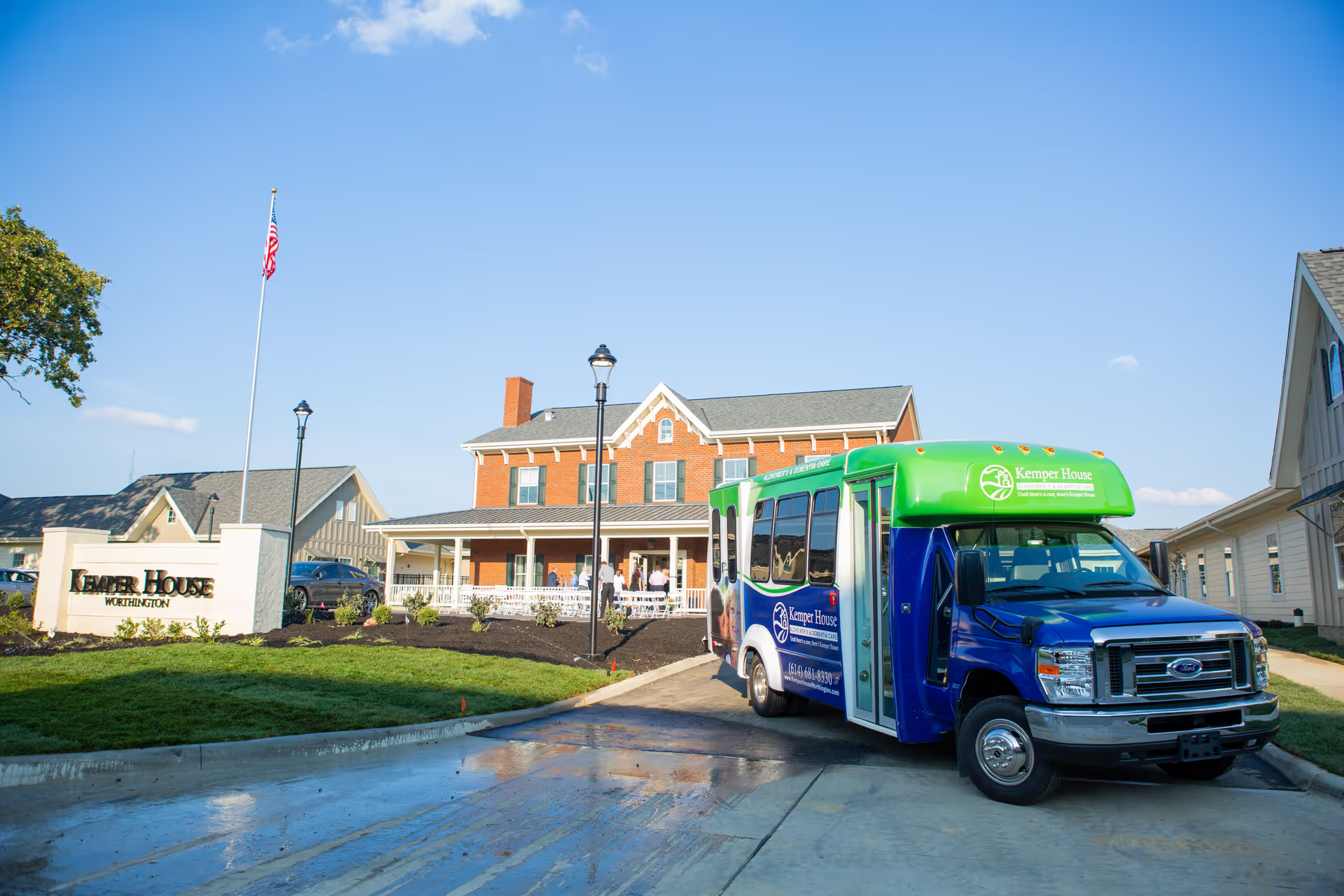
Westerwood presents as a large, campus-style senior community with broad amenities and an active lifestyle program. Strengths repeatedly cited include a warm, long-tenured caregiving staff, restaurant-style dining with varied menus, and a robust activities calendar that ranges from fitness classes and guest lectures to creative programs such as woodworking and on-site arts instruction. The campus offers many convenience features — salon, on-site bank and store, wellness center, personal training, shuttle services to local shopping, and access to on-site therapy and a medical clinic — which together support independent and assisted living residents who want a one-location continuum of care.
Clinical care and staffing present a mixed picture. Many families describe attentive nursing, strong social-work and therapy teams, and good communication during routine transitions or rehabilitative stays. Conversely, a pattern of concerns emerges around staffing levels (especially nights and some higher-acuity units), delayed call-light responses, and variability in direct-care aide training and conduct. These operational weaknesses have been associated in reviews with lapses in clinical oversight in the skilled nursing unit and with family concerns about responsiveness and wound/hydration management. There are also serious, isolated allegations related to billing and end-of-life medication practices; prospective families should review state inspection reports and ask facility leadership for clarification on these matters during visits.
Dining is generally rated as a major positive: many reviewers note high-quality, restaurant-style meals, cloth-table service in dining rooms, and options such as salad bars and daily-changing entrees. However, meal-service reliability has been flagged in higher-acuity areas — examples include late deliveries, incorrect items, or temperature/timing issues — suggesting that food-service performance can vary between independent/assisted living and skilled nursing operations.
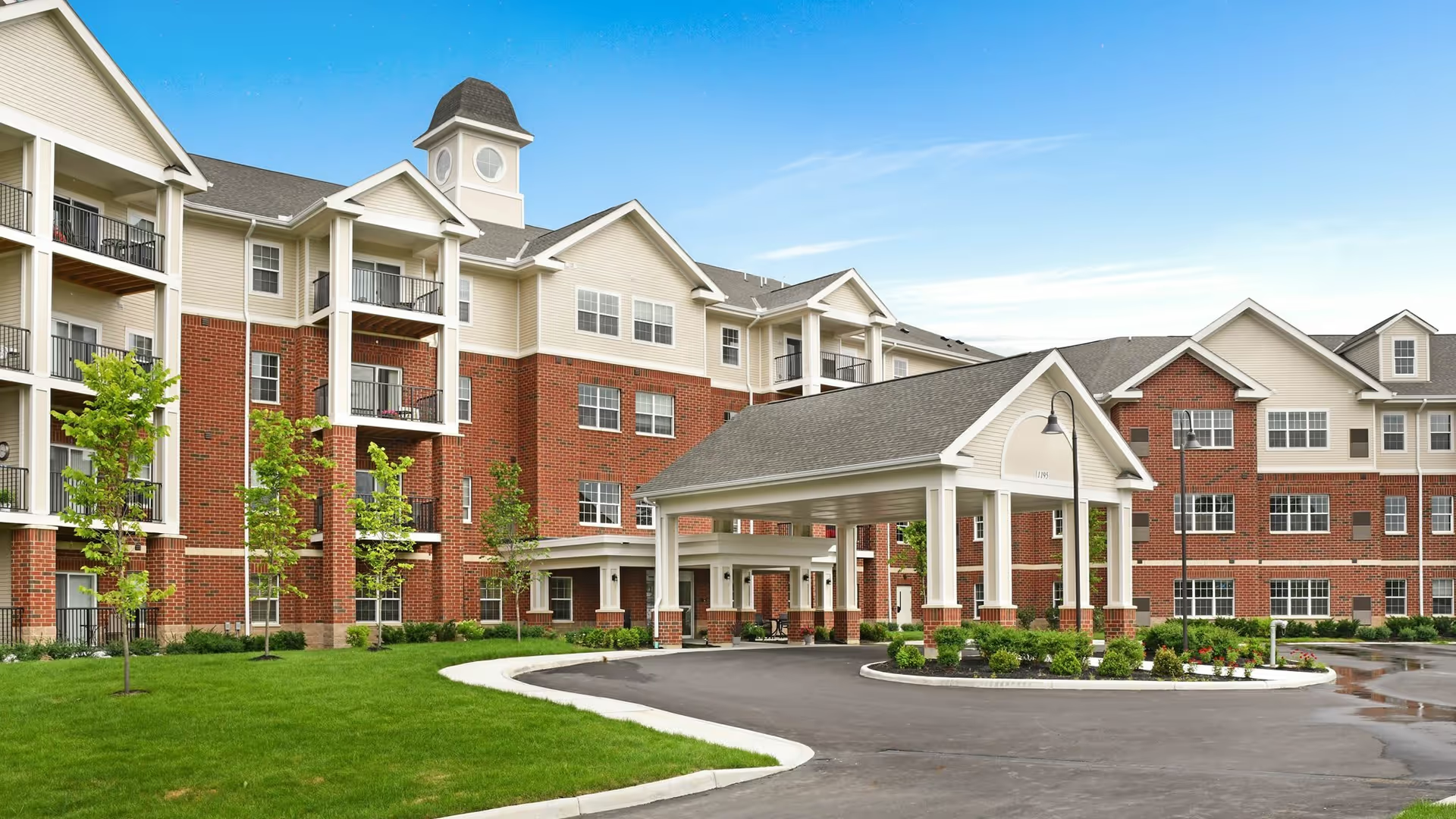
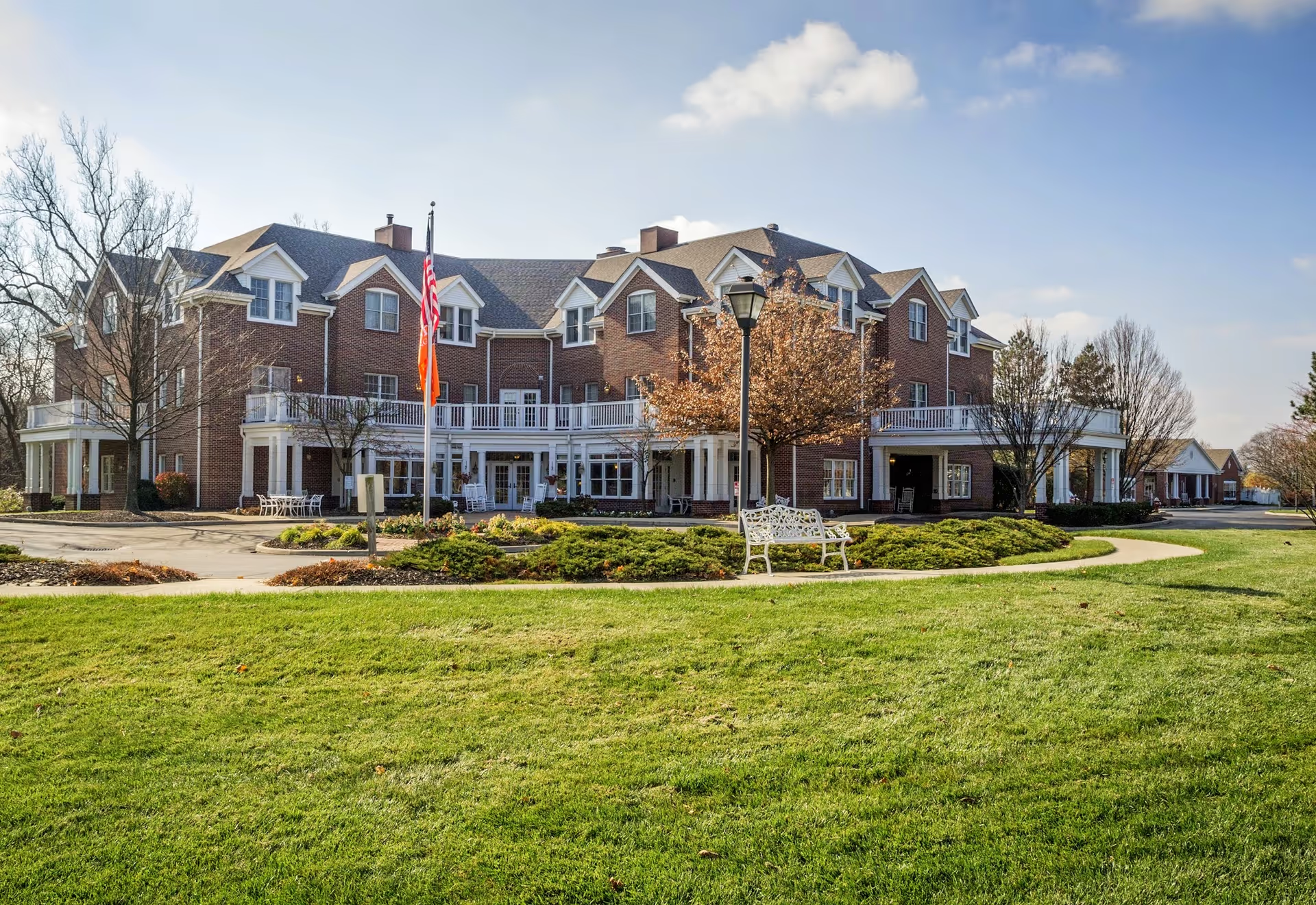
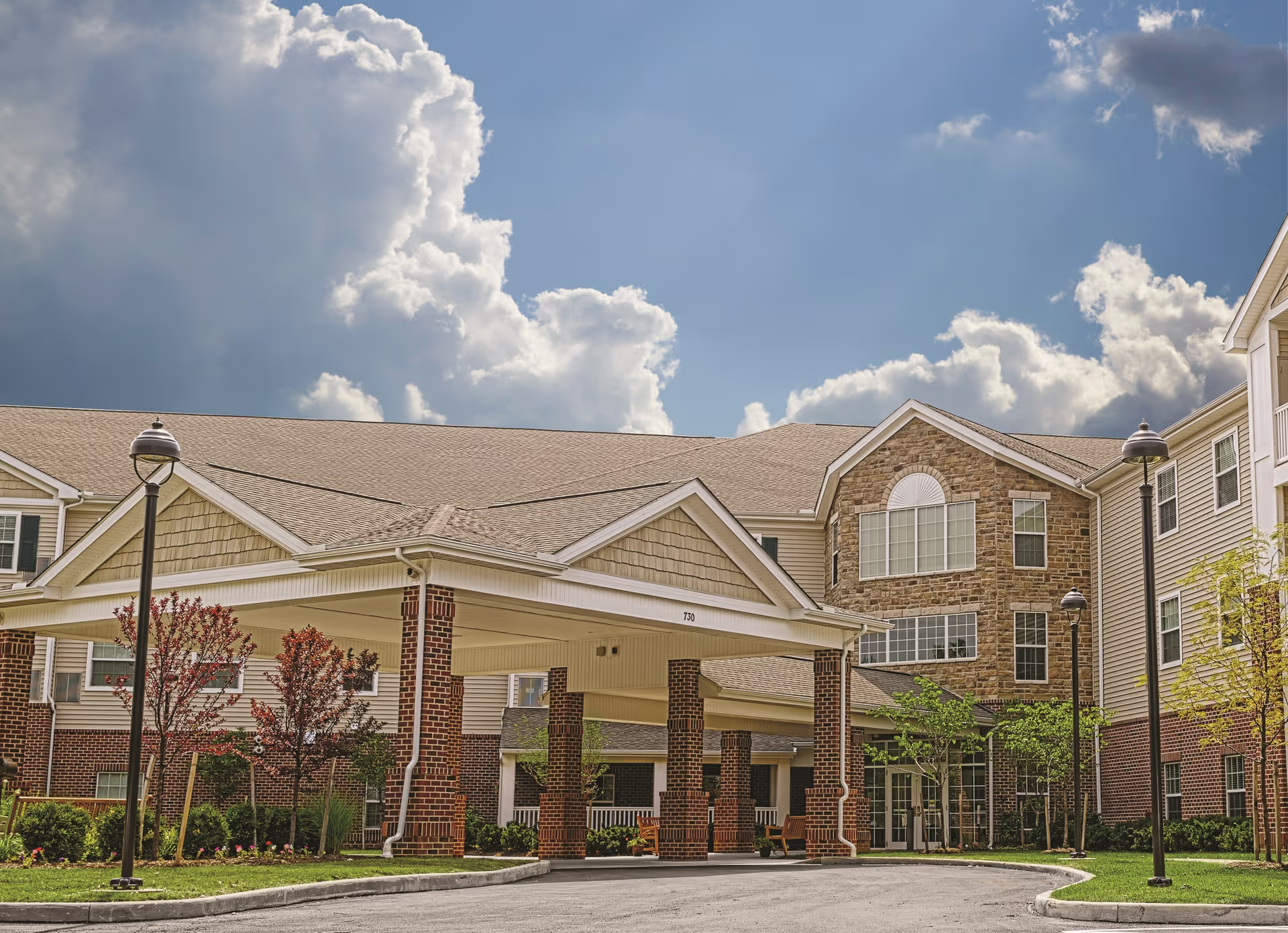
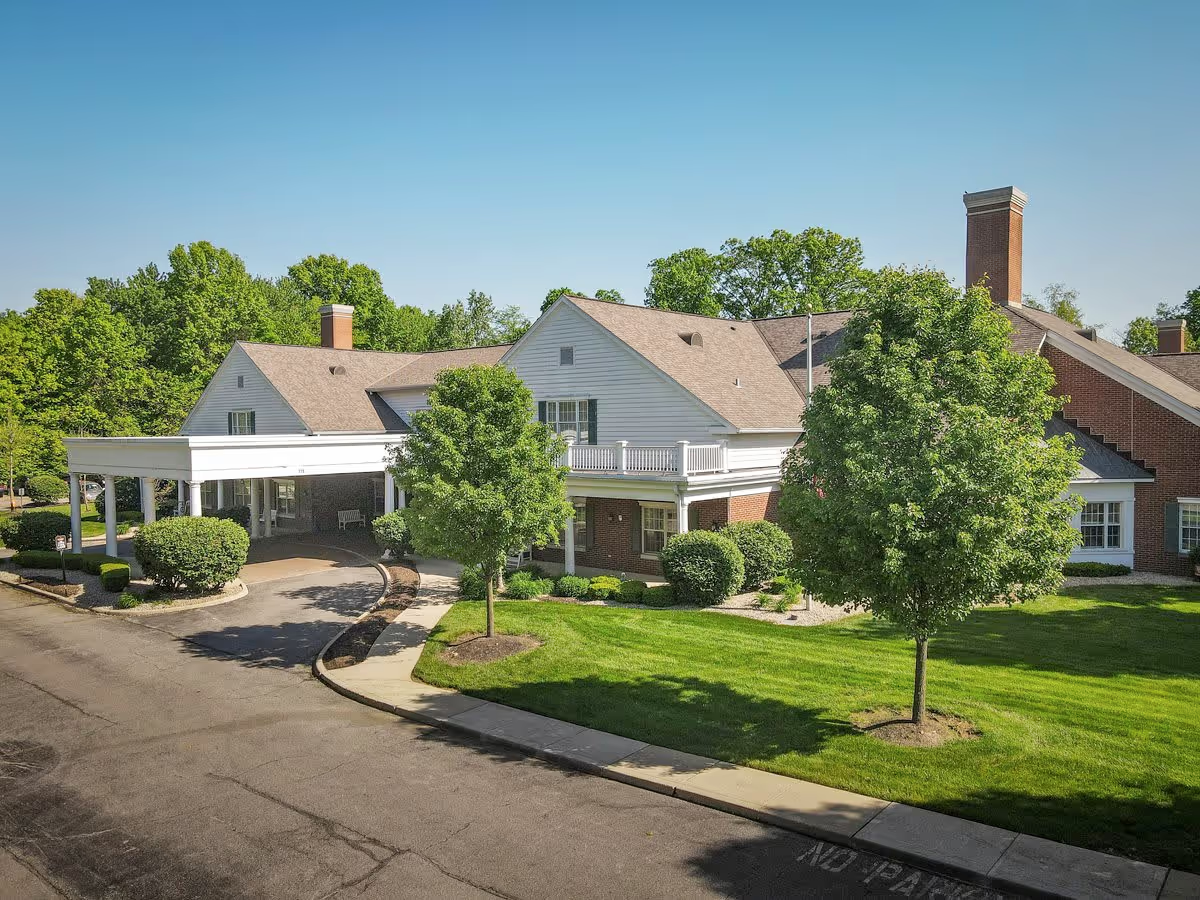
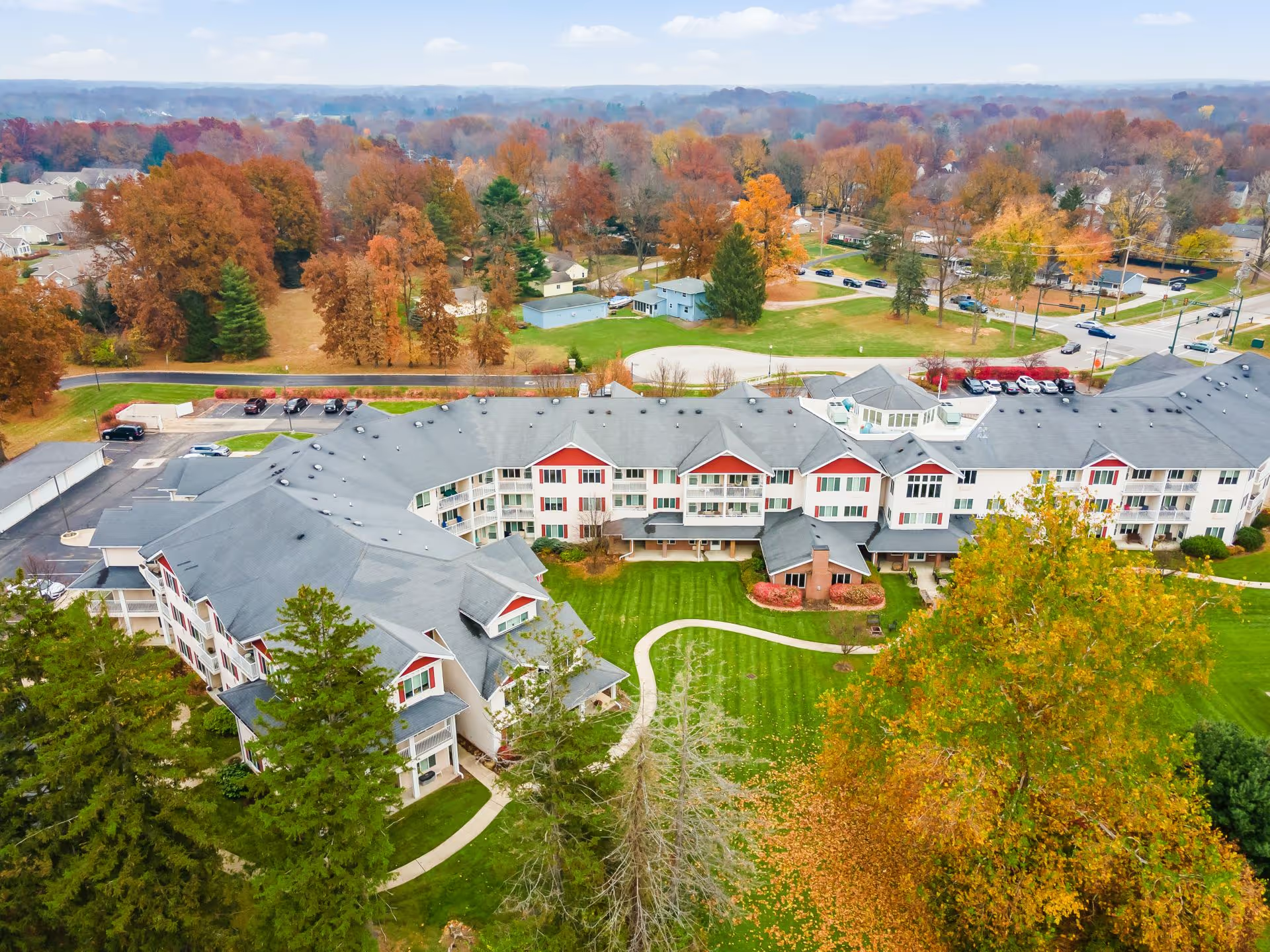
The physical campus combines renovated, modern apartment units with older wings that are still being updated. Common areas and grounds are often described as clean, attractive, and well maintained, and the nature preserve and gardens are valued by residents. At the same time, reviewers note unevenness in facility condition (minor leaks, carpet buckling, HVAC issues) and ongoing renovation projects; prospective residents should verify the condition of specific wings or units of interest.
Management and administration receive mixed feedback. The community is presented as a nonprofit that reinvests funds into the campus, a point highlighted as a positive by many families; others raise concerns about cost, billing timelines, and occasional delays in administrative processes such as deposit refunds or estate settlement. Visitation policies and scheduling flexibility also vary in experience reports — some families cite restrictive visiting windows that can complicate access.
Overall, Westerwood appears to offer strong lifestyle programming, quality dining in its independent and assisted living areas, extensive on-site services, and a generally welcoming community culture. At the same time, recurring operational themes — staffing adequacy (particularly for night and skilled-nursing coverage), consistency of clinical oversight, meal-service reliability in higher-acuity units, and uneven building conditions — merit direct questions during a tour. Recommended next steps for prospective residents and families: review recent state inspection and quality reports, ask for current staffing ratios and night-coverage plans, observe meal service in the unit of interest, and request written policies on visitation, billing, and end-of-life care protocols.