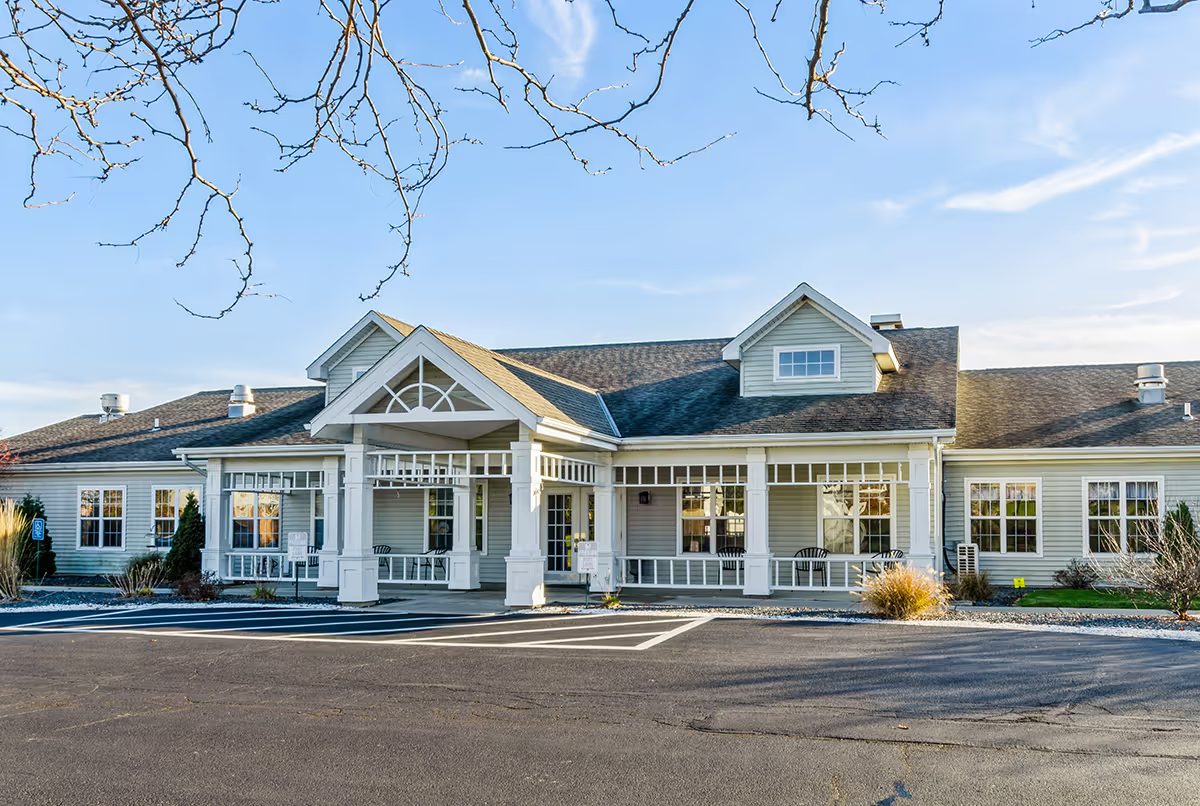
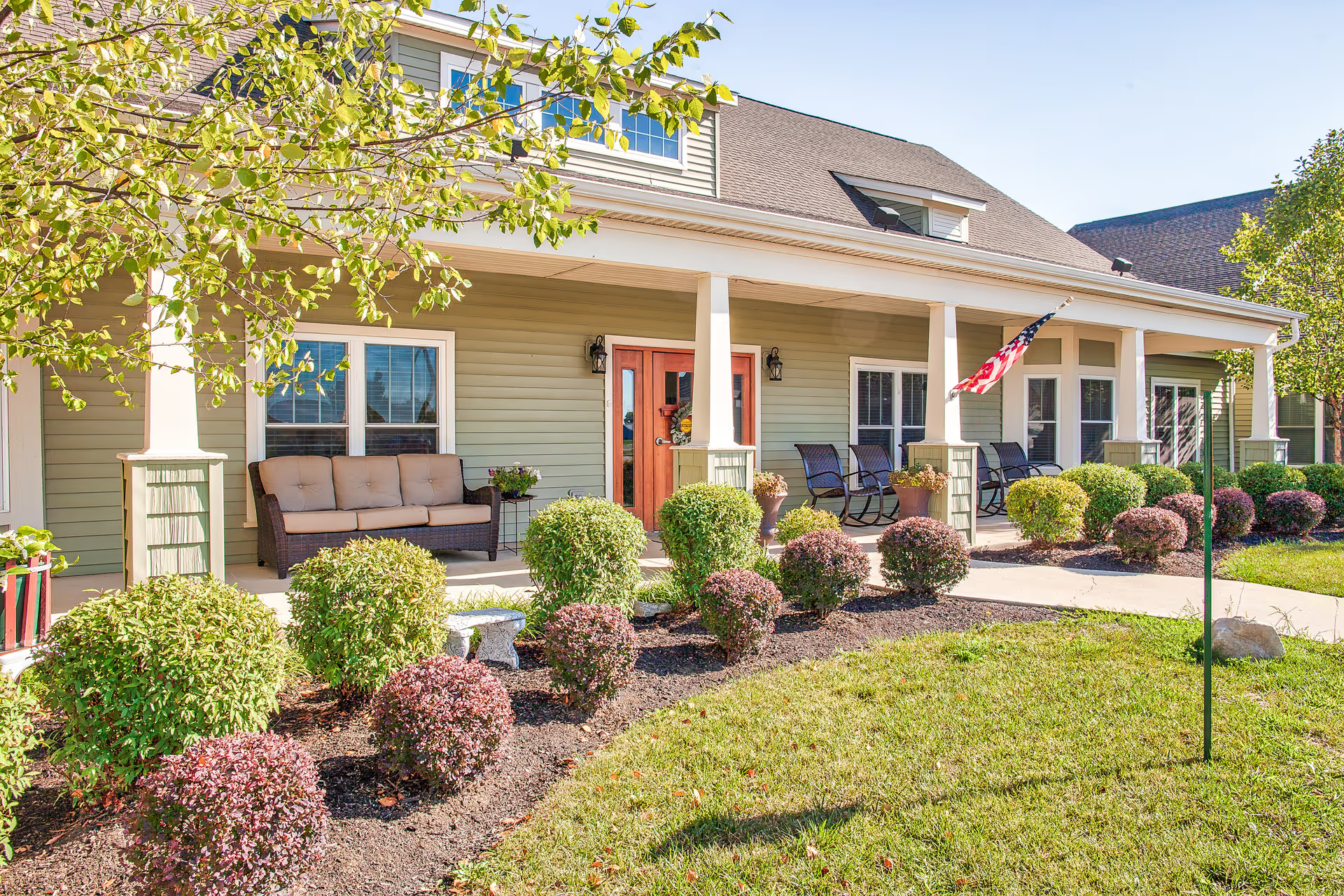
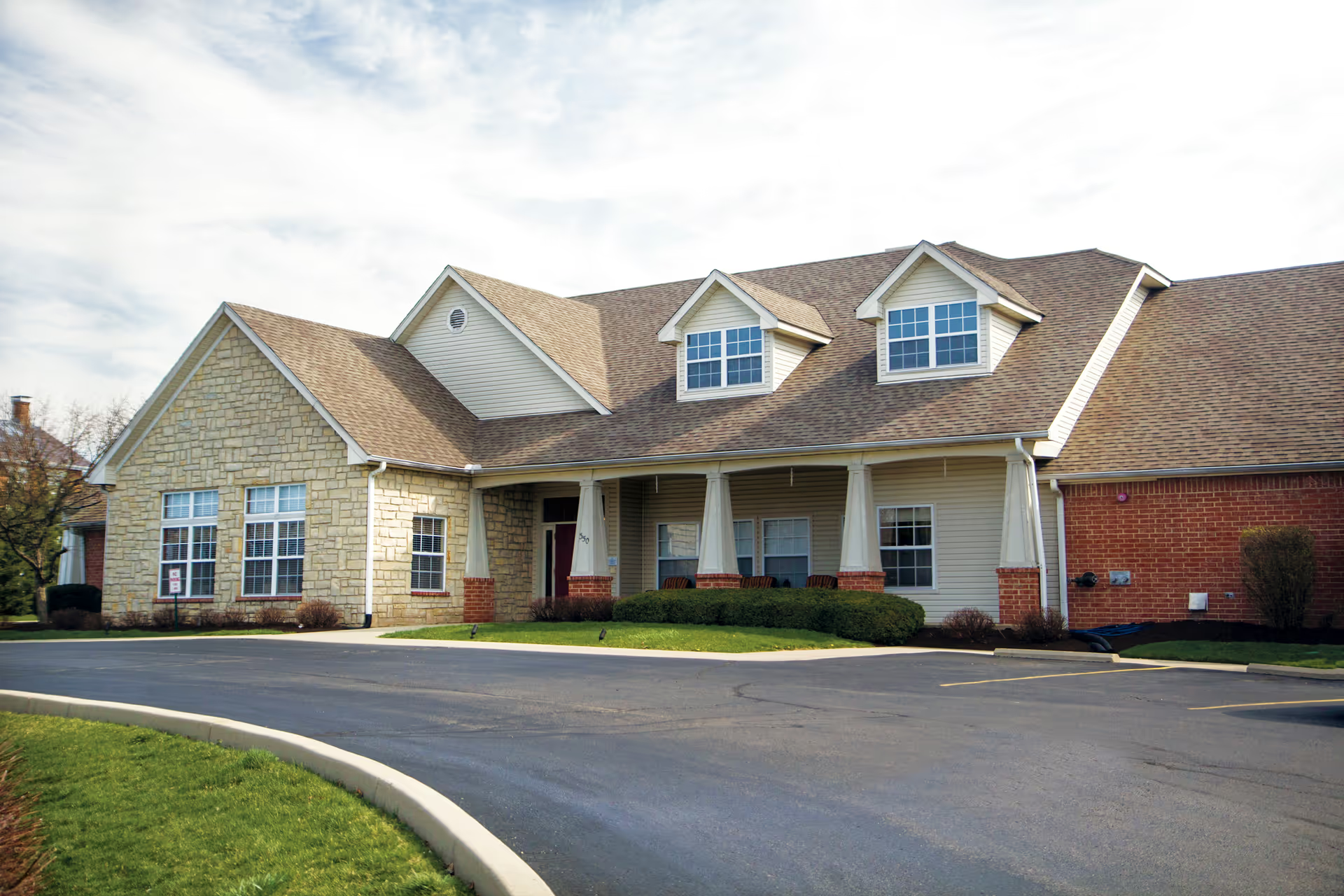
The reviews present a polarized portrait of Stillwater Skilled Nursing and Rehabilitation: many families and visitors praise the direct-care teams and therapy staff, while others describe significant operational and infrastructural shortcomings. Strengths are concentrated in hands-on care — nurses, CNAs, and therapists are frequently described as compassionate, attentive, and willing to spend extra time with residents. Activity programming, including themed days and music, and a small, community-like atmosphere are additional positives that families cited when care is working well. Recent leadership and visible cosmetic updates (new flooring, refreshed spaces) have been noted as contributing to an improved environment in parts of the building.
Clinical and staffing patterns are inconsistent across accounts. While direct-care staff receive high marks in many descriptions, there are repeated concerns about reliance on PRN or part‑time nursing, insufficient full-time STNA coverage, and delays in clinical responsiveness (for example, wound treatment scheduling and other time-sensitive care). These inconsistencies point to variable experiences by unit and shift rather than uniformly poor or uniformly excellent care. Reviewers also raised issues with discharge coordination, paperwork processing, and a privacy-related documentation lapse.
Dining and environmental services show operational weaknesses. Multiple accounts indicate inadequate kitchen staffing and management, which has impacted meal quality and service continuity; one area of the campus was noted as lacking its own kitchen capacity. Housekeeping and laundry processes appear inconsistent, with intermittent linen availability and sanitation concerns in some common and care areas. The facility’s physical plant — including plumbing, ventilation, parking-lot conditions, and occasional water‑service interruptions — was described as aging and in need of targeted renovation and maintenance.
Administrative and safety-related processes merit particular attention. Several reviews describe poor phone responsiveness, long hold times, and weak follow-up with families. There are also serious administrative concerns: billing transparency, belongings security, and documentation-handling were cited as problematic, including allegations of theft and billing irregularities. Pharmacy access and medication-dispensing authorizations (electronic dispensing systems) were also identified as gaps that affect timely medication delivery. Finally, reviewers expressed unease about mixing higher-acuity psychiatric/dementia populations without clearly distinct care pathways.
Taken together, the pattern suggests a facility with notable strengths at the point of care and renewed momentum under new management in some areas, alongside persistent facility-level challenges tied to infrastructure, staffing models, kitchen and housekeeping operations, and administrative transparency. Prospective residents and families should consider on-site assessment focused on staffing levels by shift, kitchen and linen-management plans, maintenance and renovation timelines, pharmacy/medication workflows, security and billing policies, and how the facility separates and supports residents with differing care needs. Visiting during activity hours and speaking directly with therapy and nursing leadership can help gauge whether the facility’s recent improvements align with a household’s clinical and operational expectations.