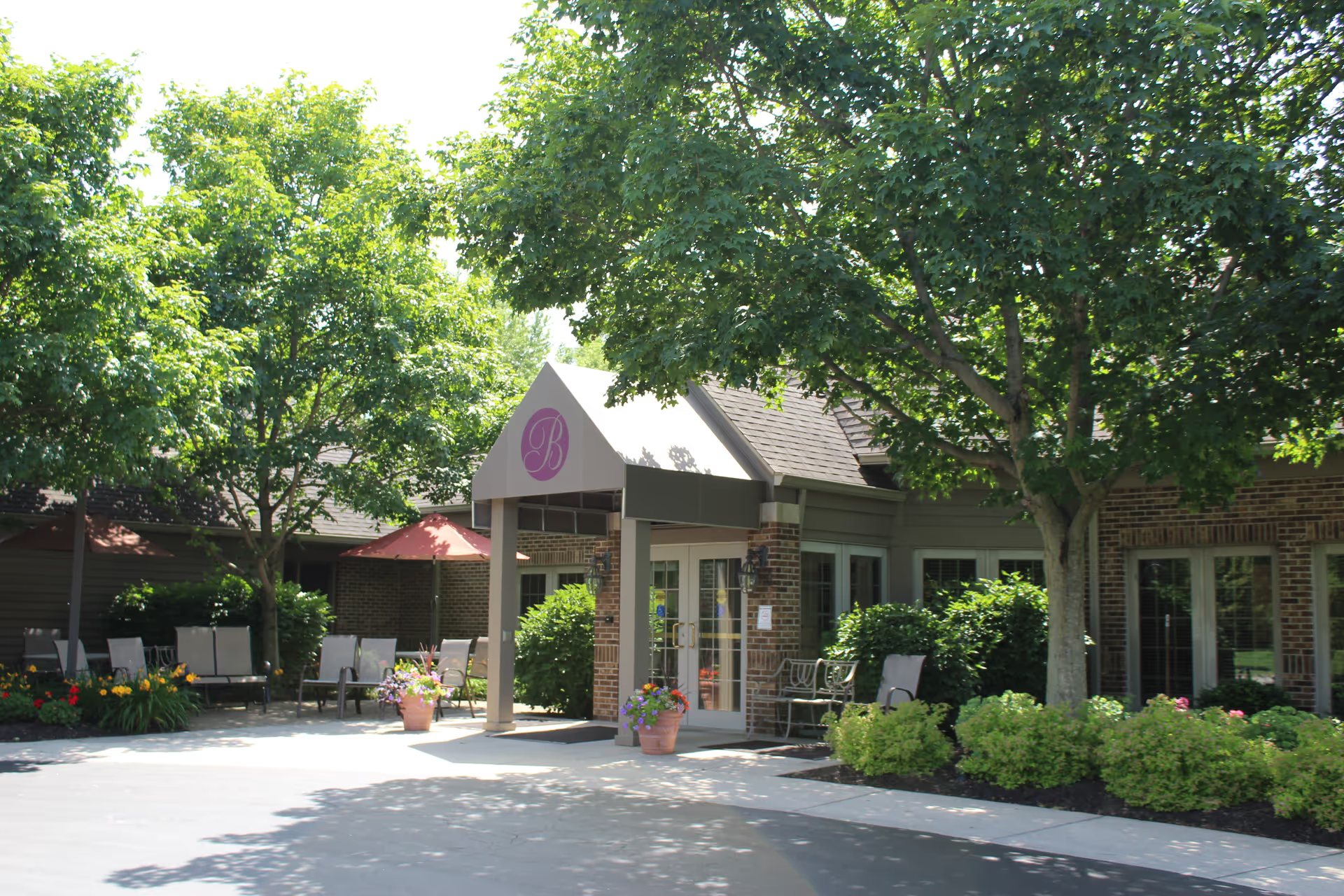
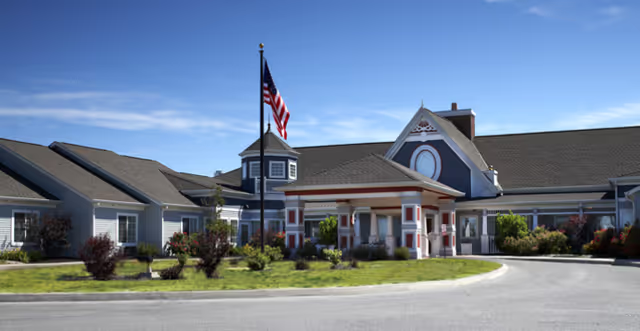
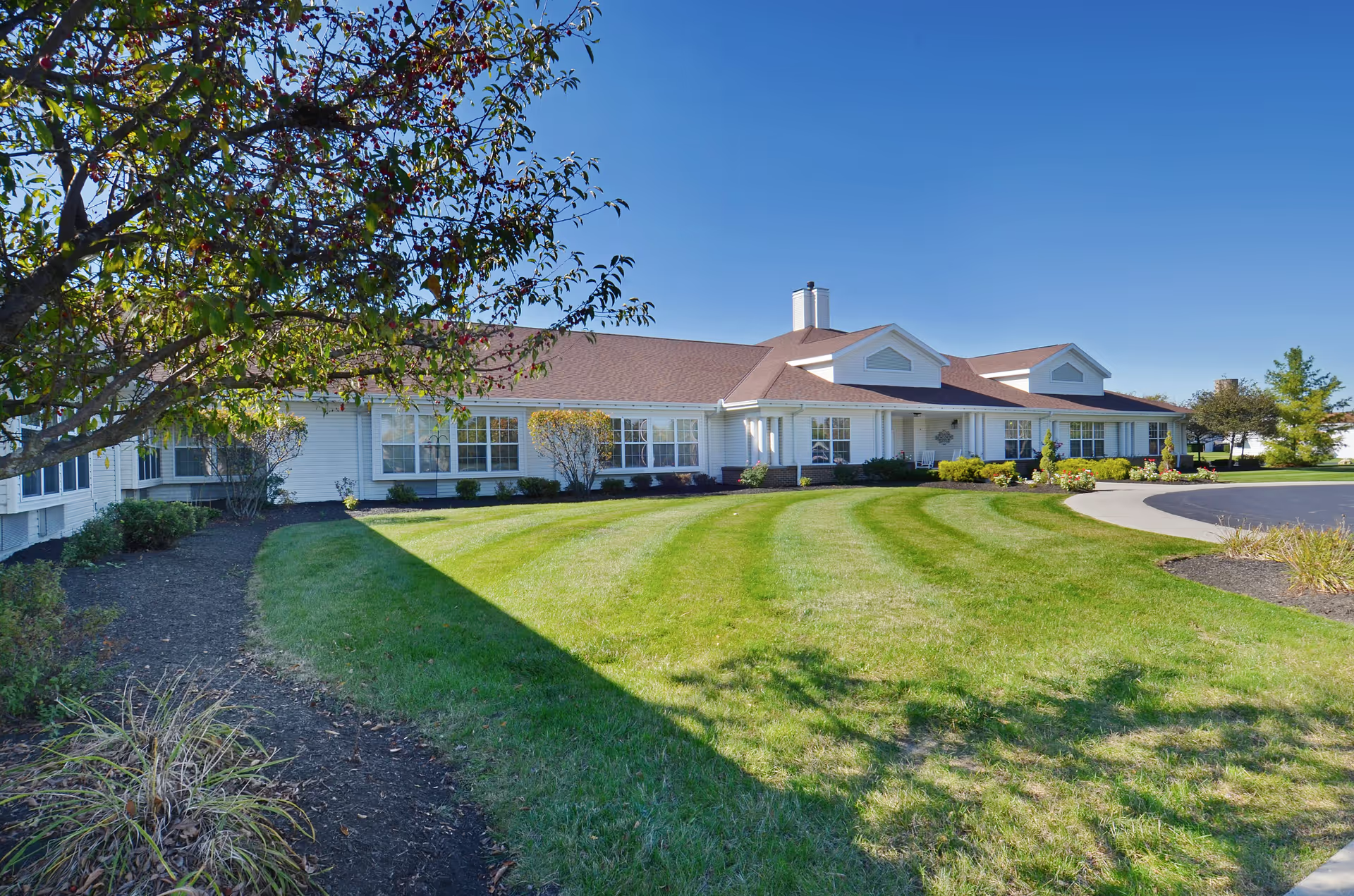
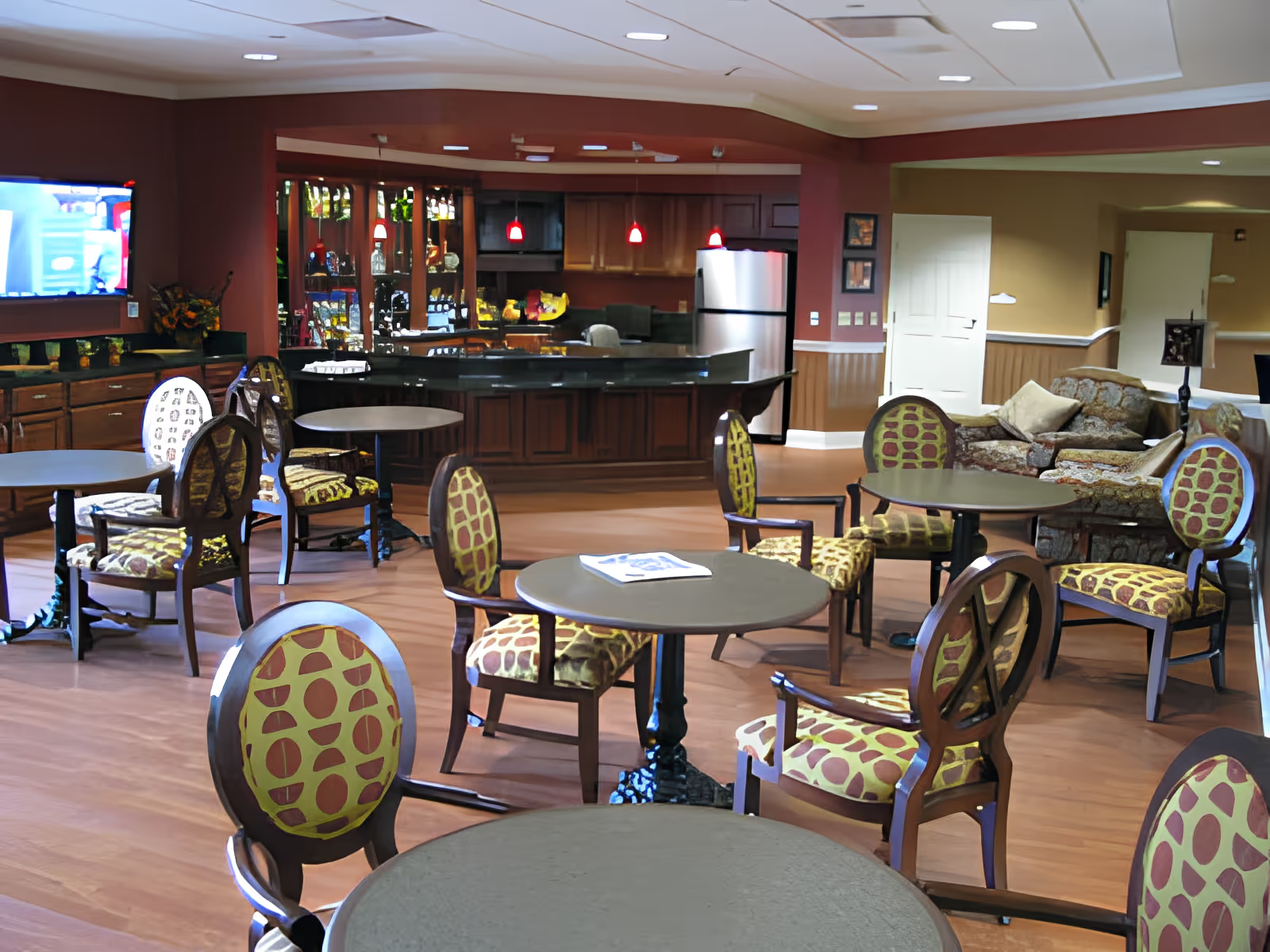
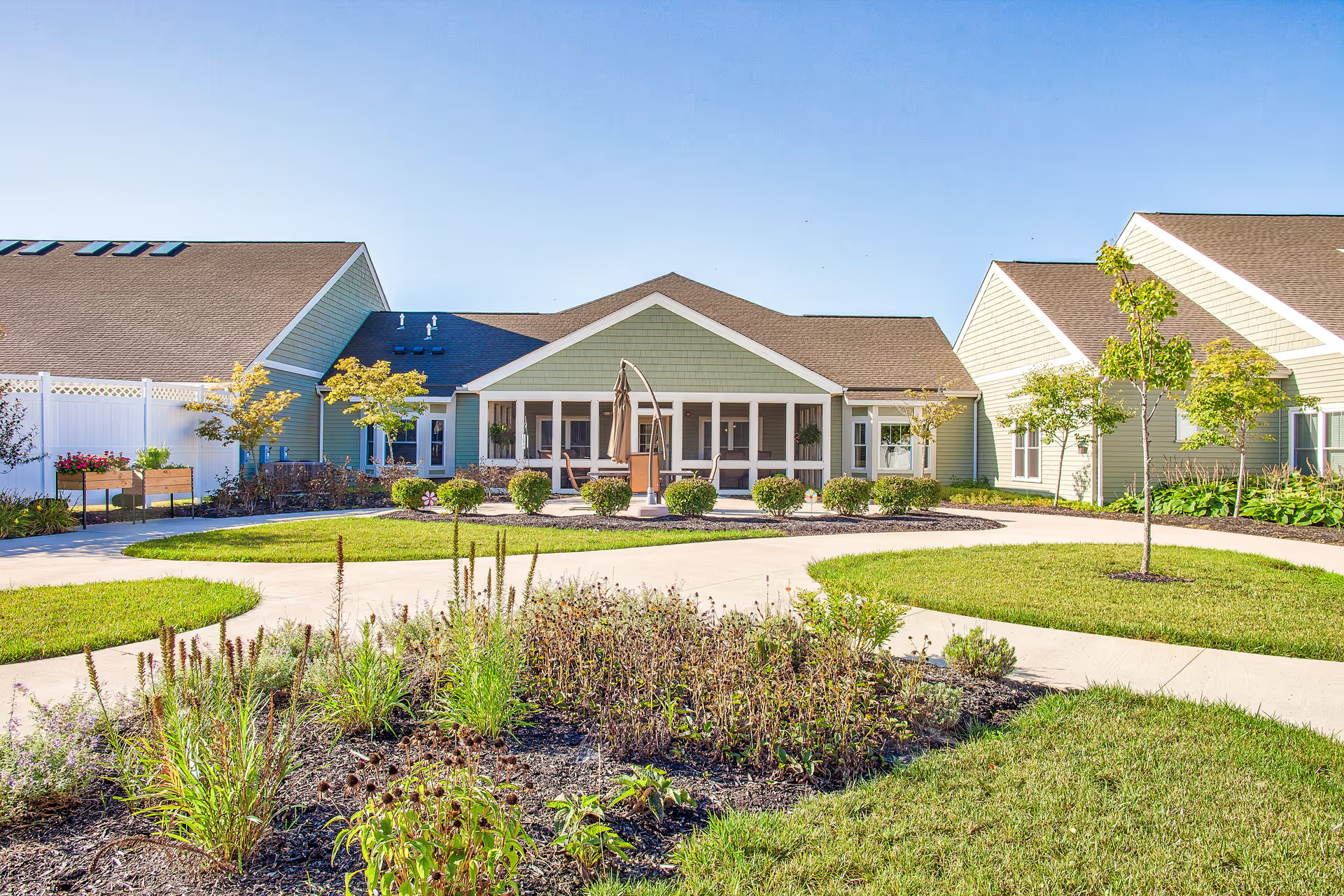
Otterbein Cridersville presents as a well-appointed, home-like senior community with a broad range of living options (independent living, assisted living, long-term care, and rehabilitation). Many families and residents praise the facility’s cleanliness, updated public areas, and the presence of amenities such as a warm-water pool, fitness center, on-site salon, covered patios, and attractive dining rooms. The campus offers a variety of unit types — from patio homes and larger multi-bedroom apartments with in-unit appliances to smaller studio units — and some residents experience a smooth, well-supported move-in and onboarding process.
Care and staff are frequently highlighted as strengths. Numerous accounts describe compassionate, personable caregivers and a therapy department that achieves measurable mobility gains for residents. Maintenance responsiveness for accommodations such as ramps and in-room safety features is also noted. At the same time, reviewer accounts indicate variability in staff conduct and communication: while many interactions are described as warm and family-like, others describe indifferent or brusque tones and inconsistent follow-up from admissions or nursing staff. A small number of serious individual concerns—including communication around a resident adverse event—have left families wanting clearer clinical communication and incident response protocols.
Dining and nutrition receive mixed evaluations. Several reviewers praise well-prepared meals, accommodating diets, and pleasant dining venues; others describe inconsistent food quality, meal-service disruptions, and errors in meal delivery. Prospective residents should clarify how meal service is organized for their specific unit type and whether additional fees apply for special services or supplements.
The activity program and amenities are consistent selling points. The community supports an active calendar (arts and crafts, card games, exercise classes, pond walks, outings) and provides transportation for day trips. Aquatic therapy and ongoing exercise programming receive particular positive mention, and many residents describe a strong sense of social engagement and community.
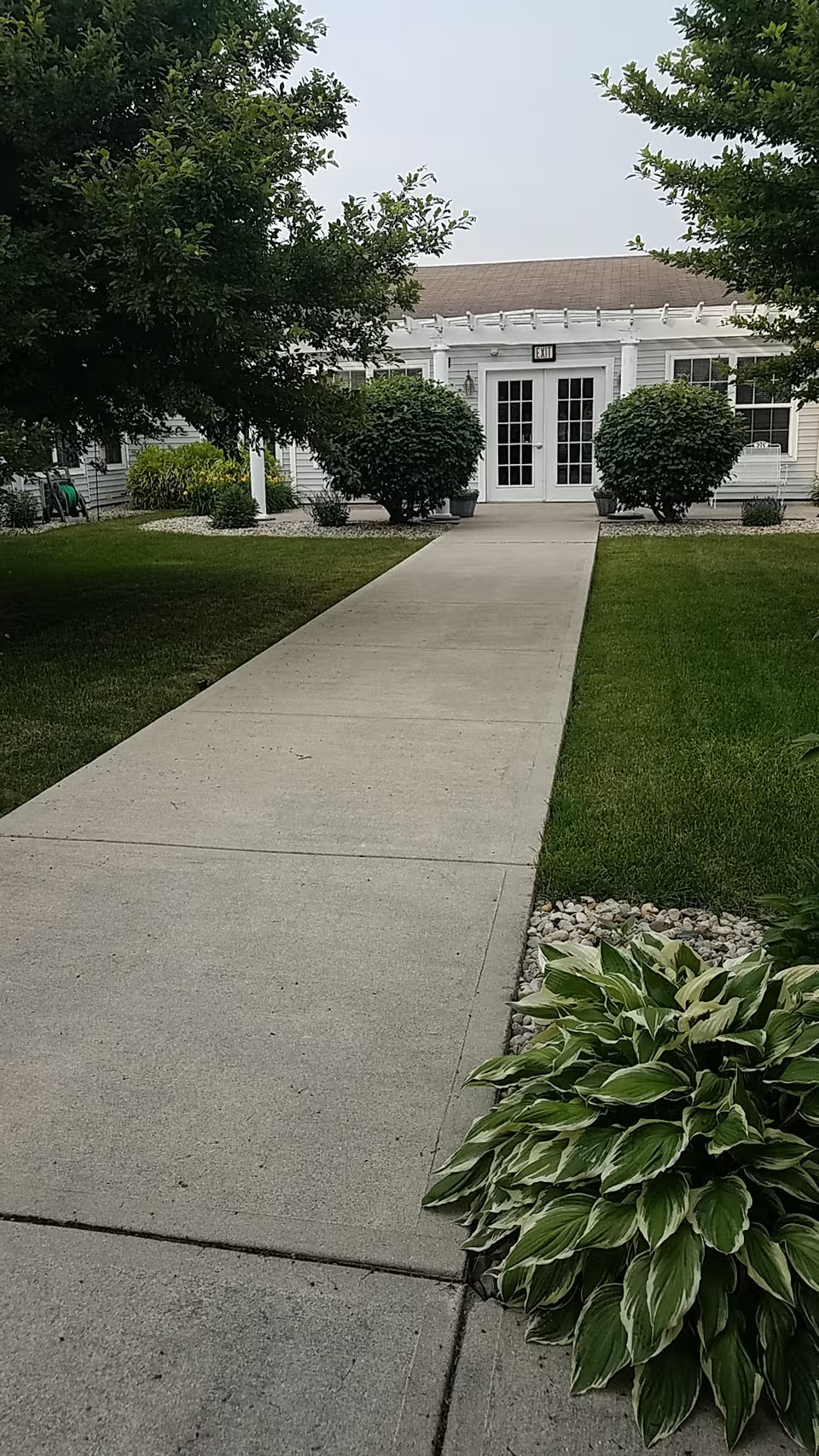
Facility conditions are generally described as clean and well-maintained inside, though reviewers note unevenness in exterior and grounds upkeep. Unit size and finishes vary across the campus: some homes and apartments are spacious and modern, while other units are described as smaller or older in layout. Housekeeping and personal-care routines were flagged as inconsistent in some accounts, with families recommending verification of expected bathing, linen, and room-maintenance schedules during tours.
Several operational and administrative patterns merit attention. Families described instances of opaque pricing, extra charges for certain services (medication administration, cleaning, etc.), and pressure-oriented sales tactics in some interactions; others had a positive admissions experience. Management responsiveness also appears variable, with reports of slow repairs or delayed administrative follow-up in certain cases. These patterns suggest that prospective residents should request a clear explanation of contract terms, fee schedules, staffing patterns, and escalation paths for clinical or service concerns before committing.
Overall, Otterbein Cridersville offers many of the attributes families seek in a continuum-of-care community: strong rehabilitation services, robust programming, attractive common areas, and a generally compassionate staff. However, variability in dining service, staff communication, housekeeping consistency, pricing transparency, and grounds upkeep means that an individualized tour, conversations with current residents, and explicit written clarity on contracts and service inclusions are advisable to confirm fit and expectations.