Overall impression: Reviews of Friendship Village are highly polarized. Many accounts praise the campus environment, strong dining program, active social life, and individual staff members who provide compassionate, responsive assistance. At the same time, a substantial set of concerns describes operational gaps in clinical care, staffing, maintenance, and management practices that meaningfully affect resident safety and family confidence.
Care quality and clinical safety: Positive narratives emphasize attentive nurses and successful rehabilitation outcomes for some residents; however, there are recurrent accounts of missed medications (including insulin), lapses in medication management, and delays in clinical escalation that in at least a few cases precipitated emergency-room care and serious infections. These descriptions point to systemic gaps in medication administration, monitoring, and timely emergency response rather than isolated interpersonal conflicts. The pattern is compounded by inconsistent nurse coverage on units, long periods without aides available on a hall, and reliance on agency personnel, which reviewers connect to diminished continuity and variable skill levels.
Staff and management: Individual staff members receive frequent praise for kindness, helpfulness, and going above expectations; dining staff and certain leasing/marketing employees are often singled out positively. Conversely, families and residents cite poor phone responsiveness, slow callbacks, unfriendly front-desk or business-office interactions, and a defensive managerial stance when concerns are raised. Reviewers reference high staff turnover, slow human-resources responsiveness, leadership changes, and regulatory or complaint activity — all suggesting leadership instability and challenges in accountability and follow-up.
Dining and activities: Dining is a prominent strength for many residents — described as restaurant-style, varied, and well-staffed, with several staff earning direct commendation. Activities programming is another consistent positive: daily social events, outings, and an inclusive atmosphere are highlighted as strong contributors to resident well-being. At the same time, reviewers also describe inconsistencies in meal quality and occasional food-preparation lapses that warrant attention from leadership and the dietary team.
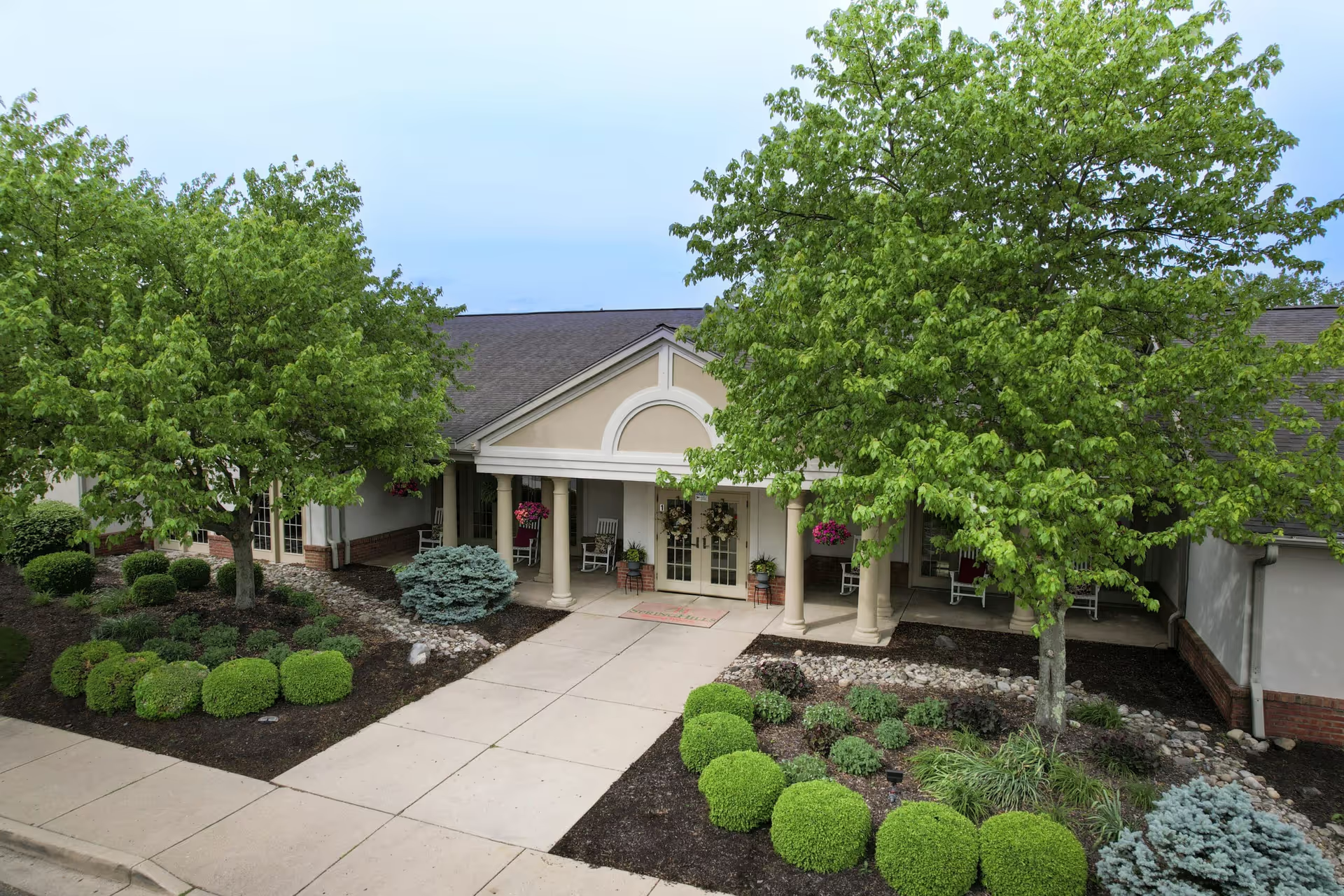
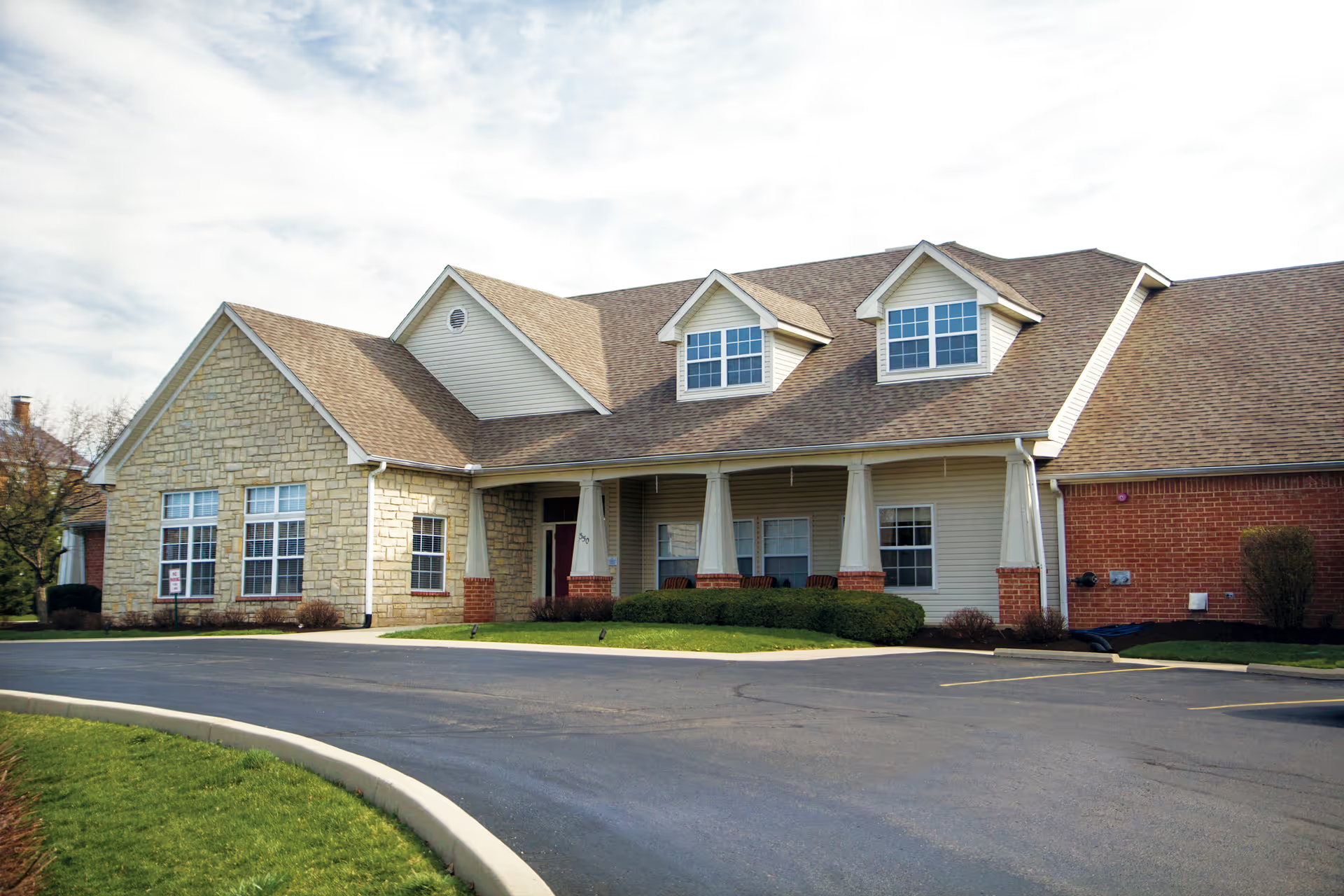
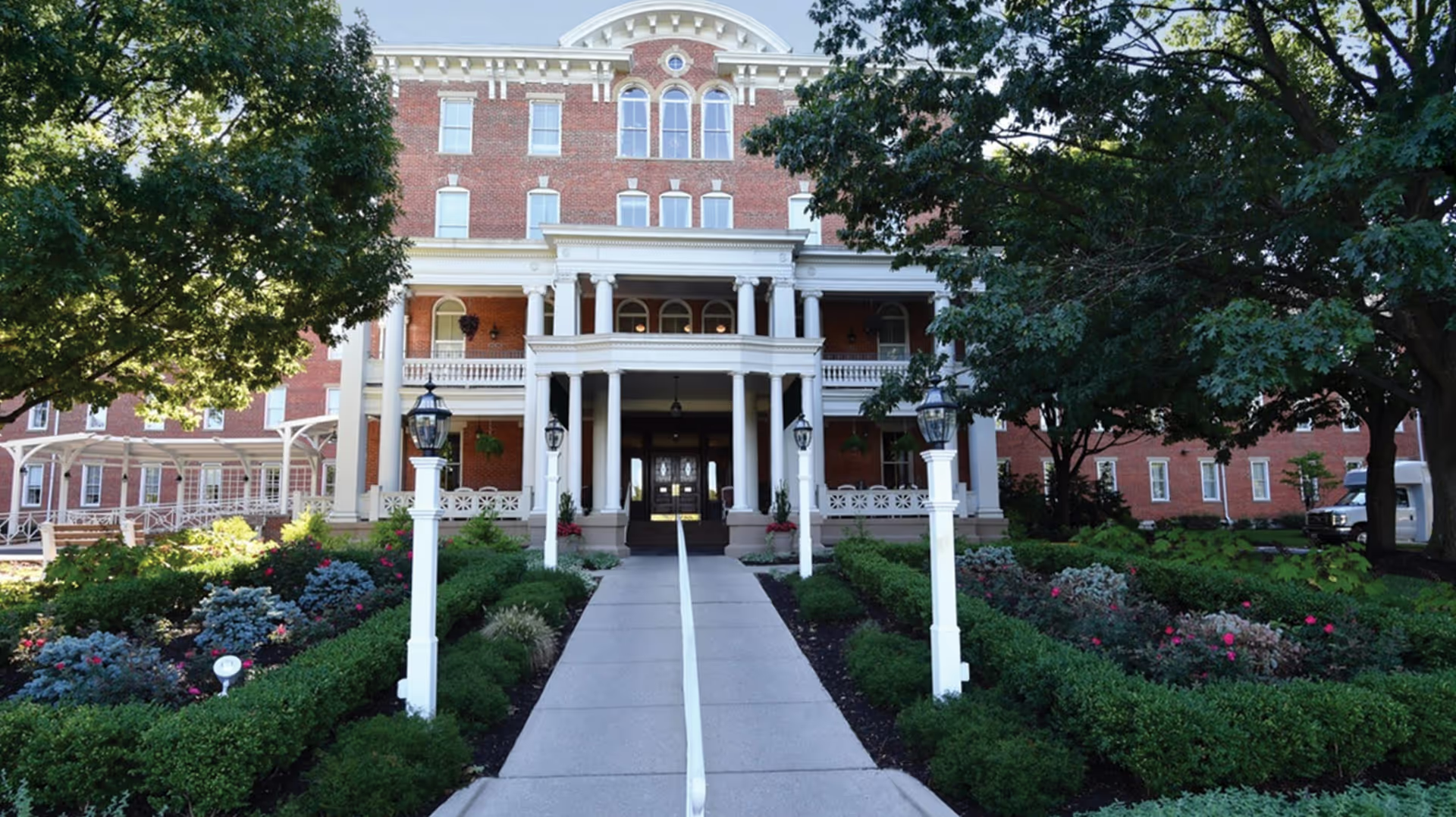
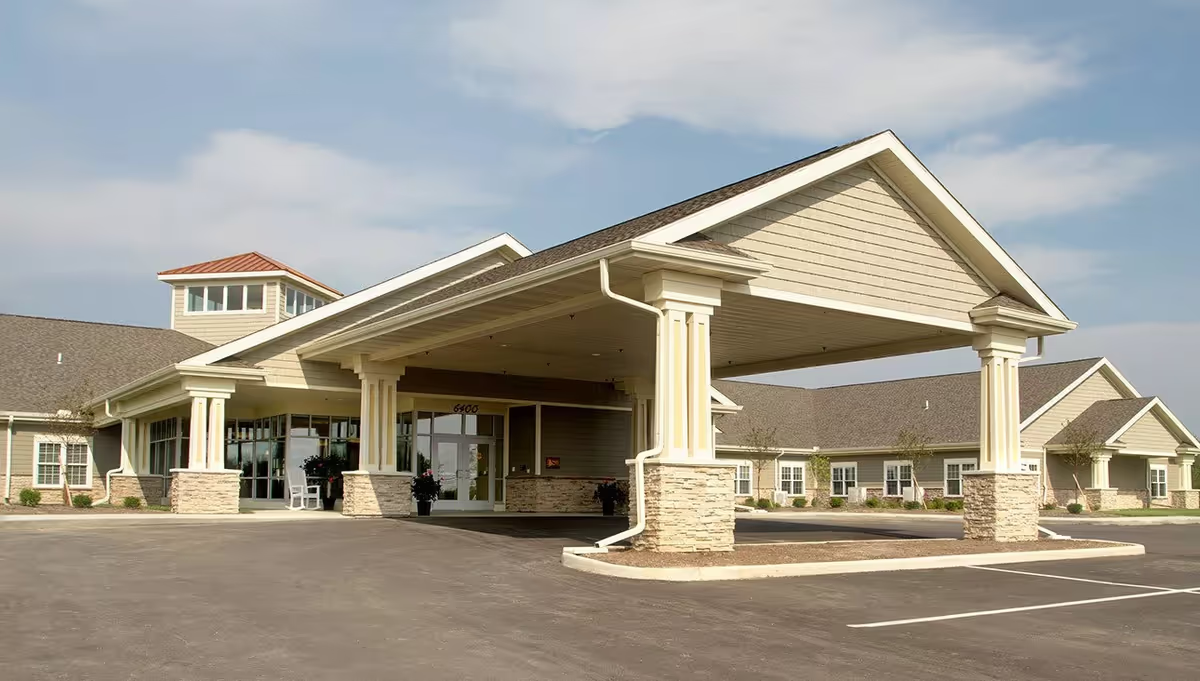
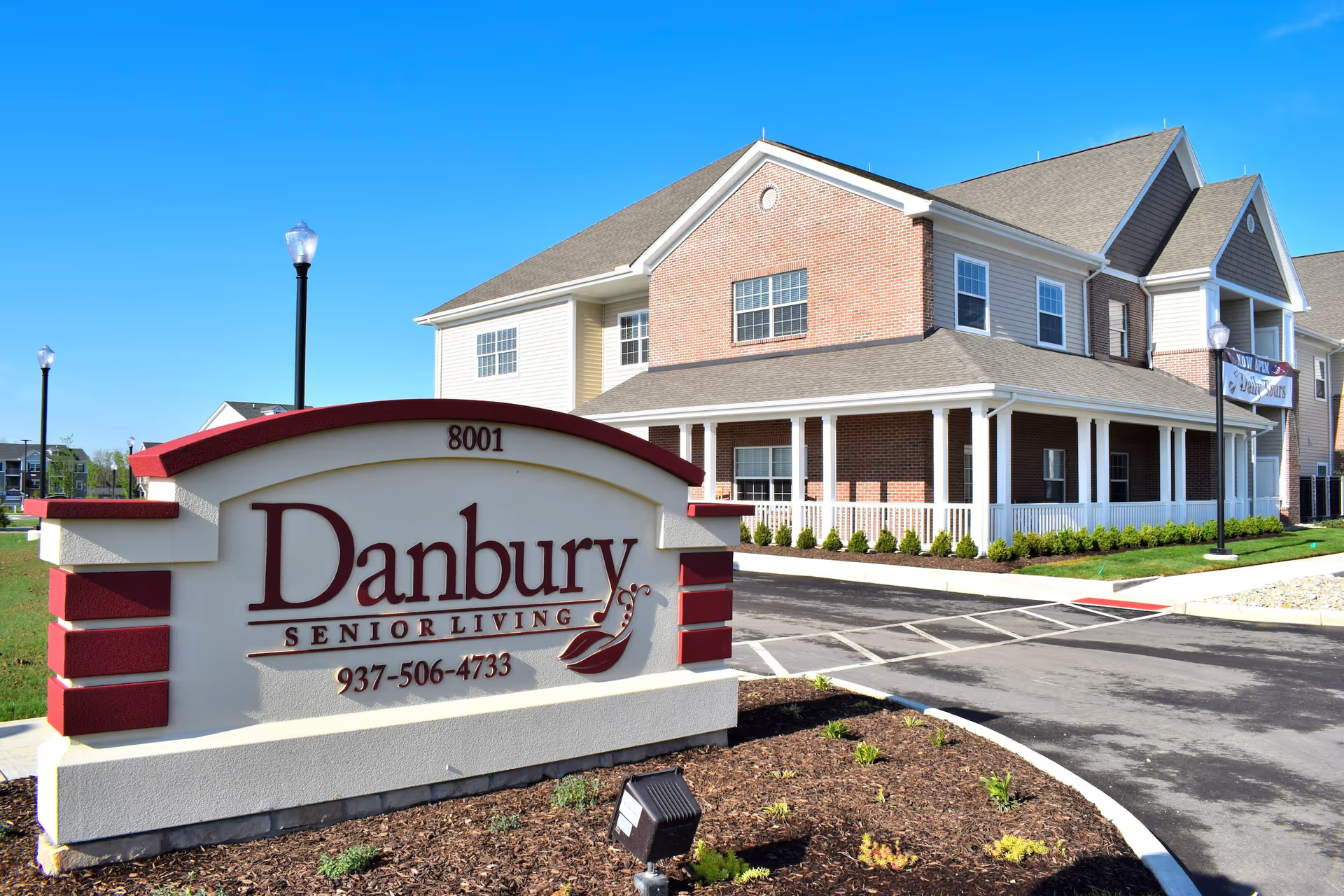
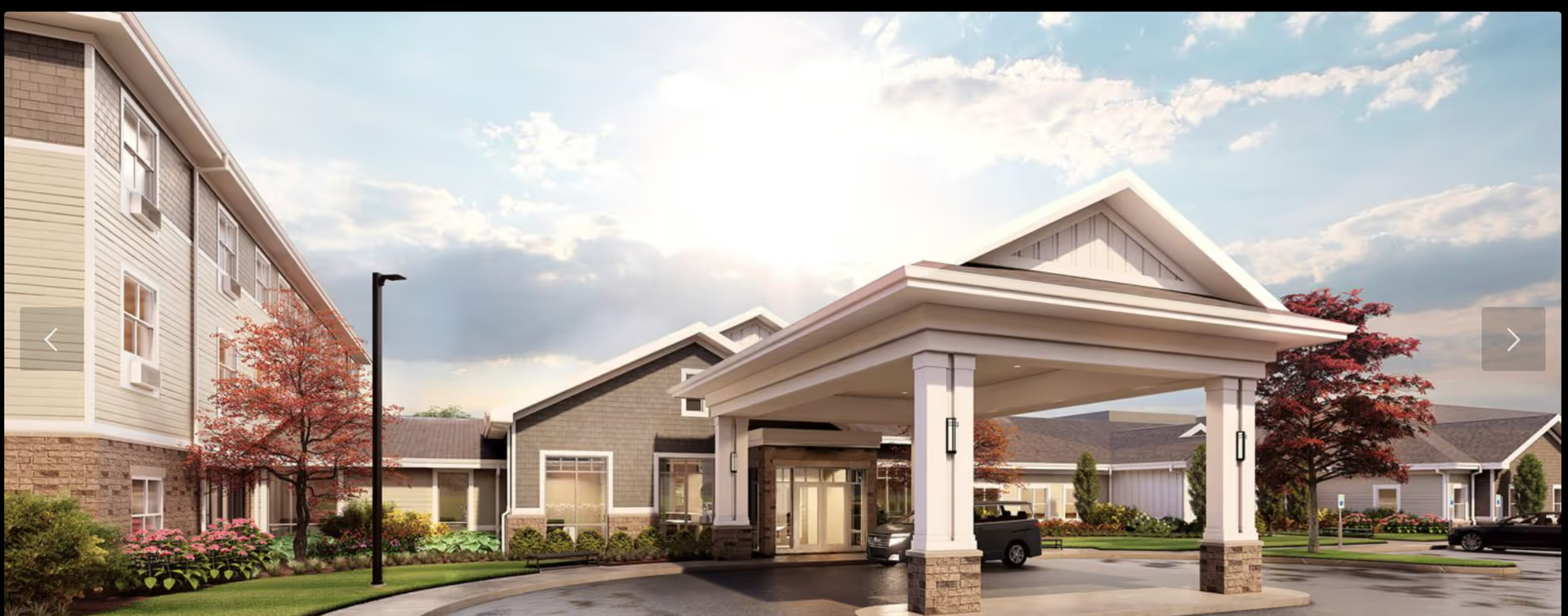
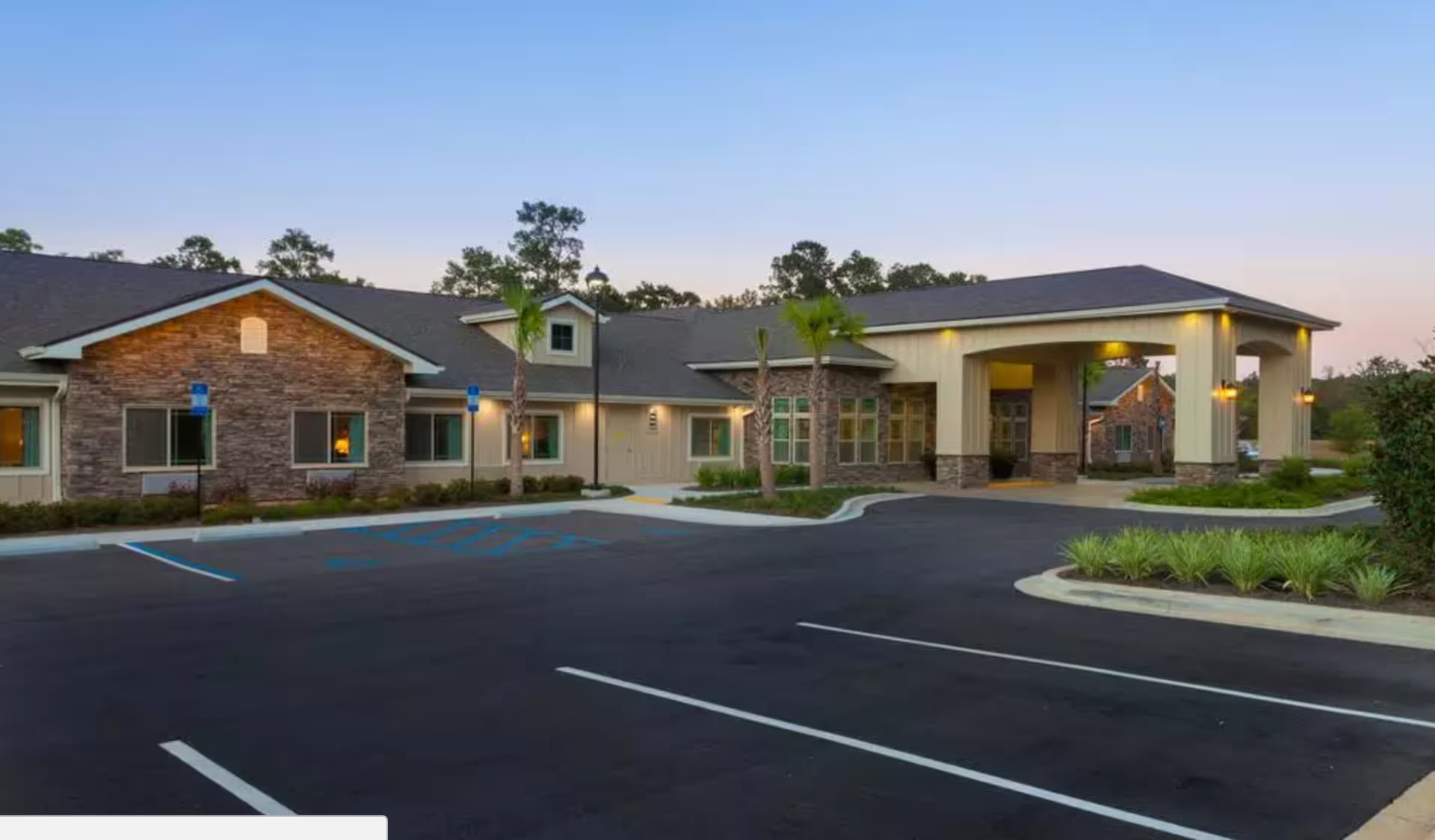
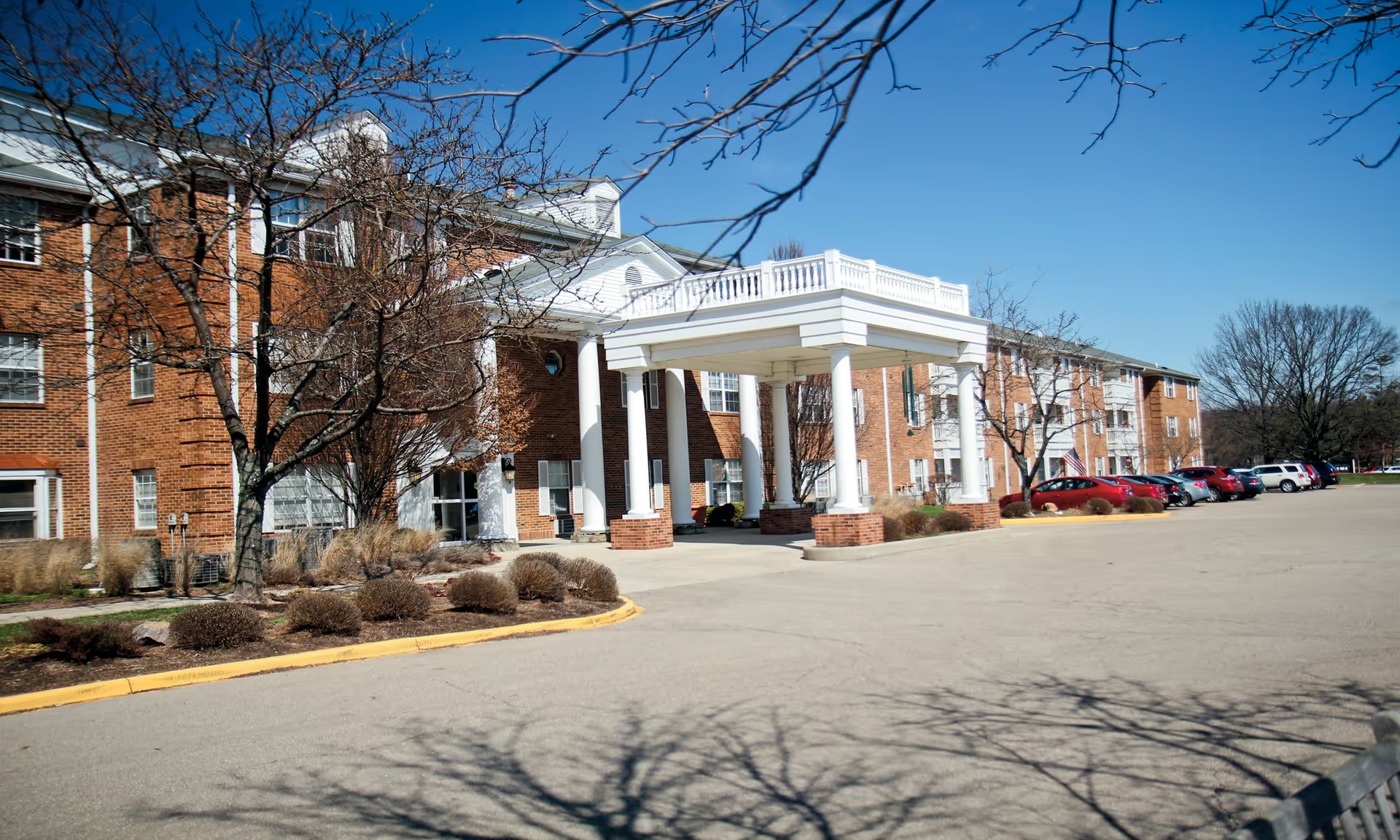
Facilities and maintenance: The campus and independent-living accommodations are frequently characterized as attractive, home-like, and well suited for independent residents. However, concerns are raised about cleanliness and environmental maintenance in assisted and skilled areas (including sanitation issues, mold or black mold concerns, HVAC outages, sewage events, carpet and room-condition deterioration, and pest-control shortcomings). These items indicate uneven maintenance and infection-prevention practices across different parts of the campus.
Financial, property, and policy concerns: Several reviewers describe billing discrepancies, unclear rate adjustments, and difficulty recovering charges they felt were incorrect. There are also descriptions of missing personal items and a perceived lack of adequate property controls. Some accounts reference different treatment of Medicaid residents and formal complaints to oversight bodies, which suggests families should review contract terms and grievance processes closely before and after move-in.
Notable patterns and advice for prospective families: The dominant themes are a strong social and dining environment and dedicated individual caregivers, set against operational weaknesses in staffing, medication control, environmental maintenance, and management responsiveness. Prospective residents and families should tour both independent and care-level units, ask for staffing ratios and medication-administration protocols, review recent state survey and complaint history, observe mealtime and activity periods, verify contractual promises in writing (including rate adjustments and services), and inquire about pest control, HVAC maintenance, and emergency escalation procedures. Meeting with current families and asking for specific examples of how clinical incidents are handled may help clarify whether the facility’s strengths will meet a given resident’s needs.