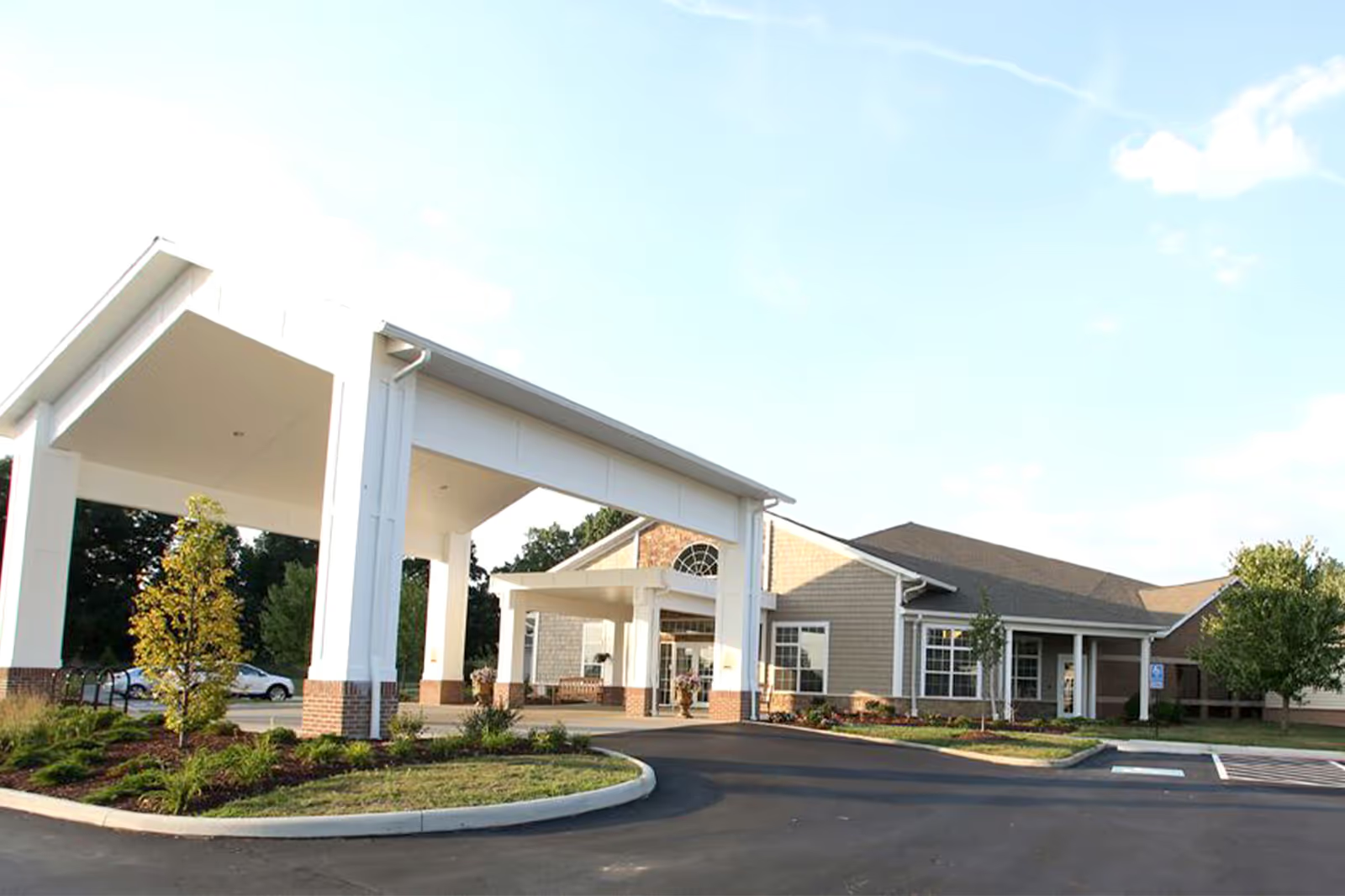
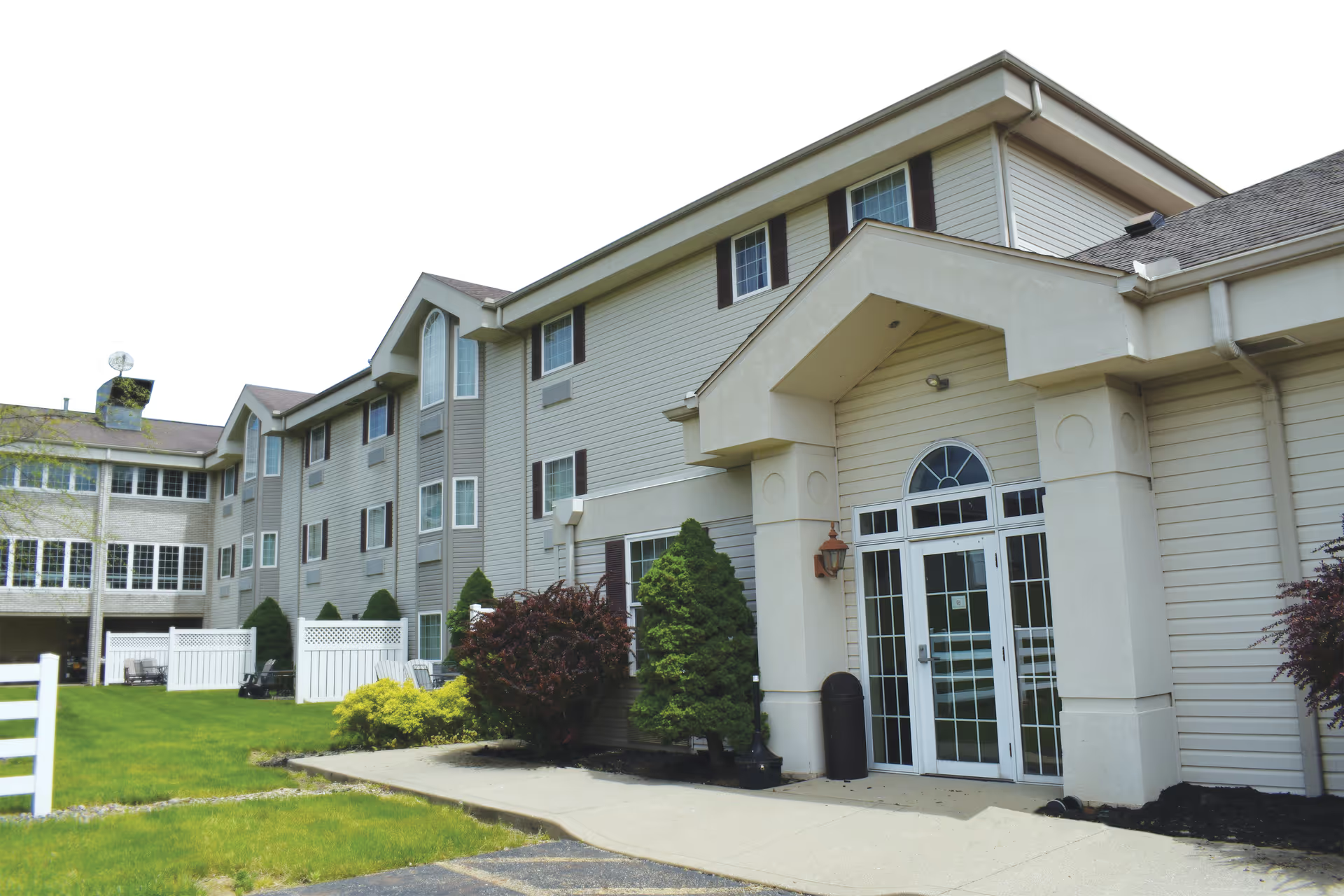
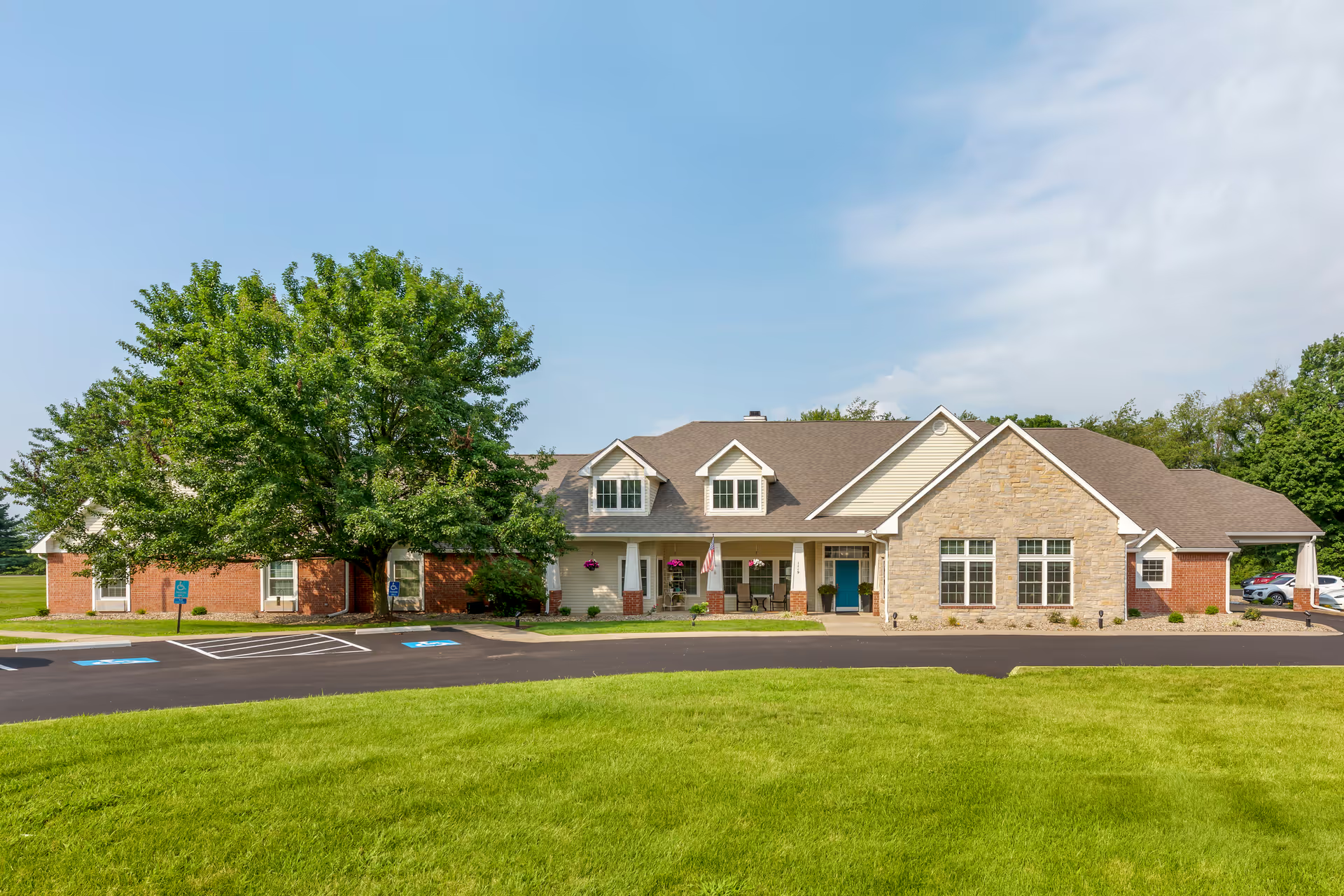
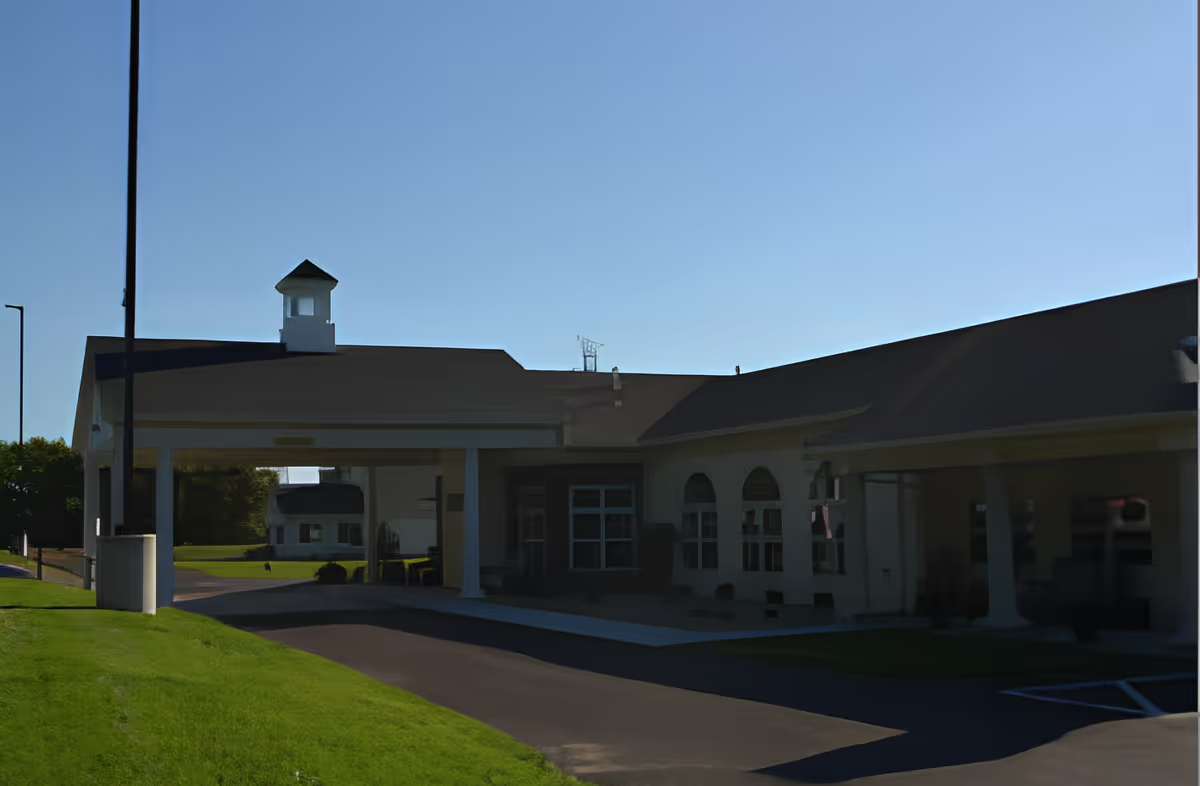
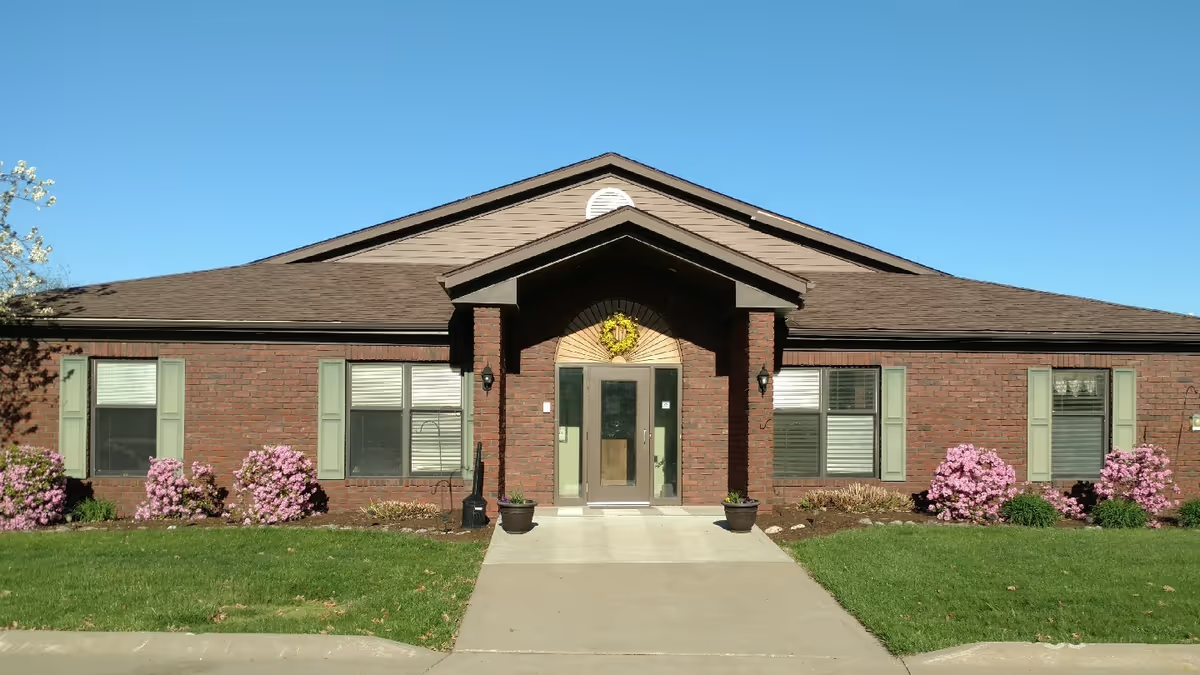
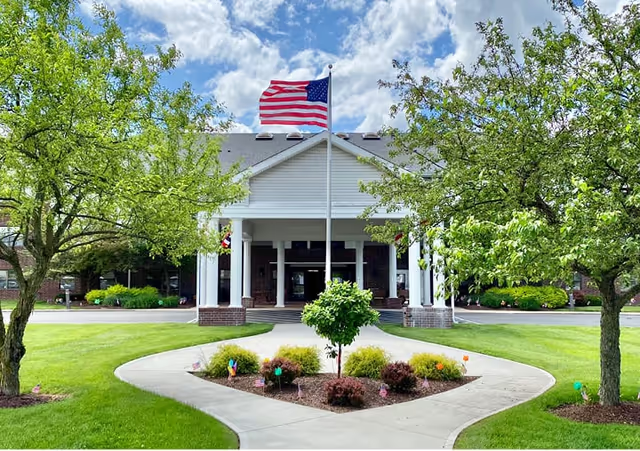
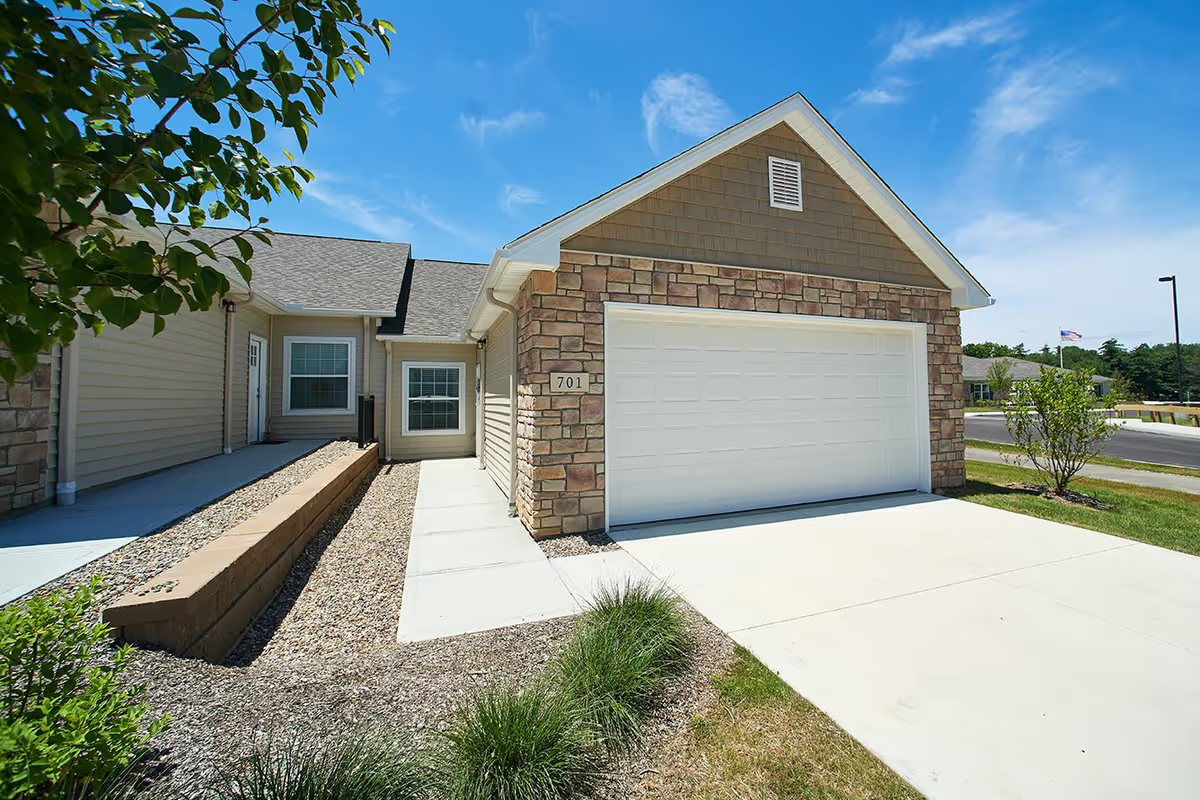
Country Club Retirement Campus elicits strongly polarized impressions: many families and patients praise the physical campus, social programming, and rehabilitation services, while others raise substantive concerns about clinical consistency, staffing, and administration. The campus is frequently described as attractive and resort-like, with well-kept common areas, apartment-style living options, and a lively community with accessible activities. Several accounts highlight positive short-term rehabilitation outcomes and therapy teams that went out of their way to help patients regain function.
Care quality patterns are mixed. Positive experiences emphasize compassionate, courteous aides and well-trained therapy staff who produced good rehab outcomes. Conversely, reviewers also describe inconsistent clinical practices, including medication-handling and delays in initiating treatments, which point to gaps in clinical oversight and medication-management controls. There are repeated references to long nurse response times and delayed assistance for basic needs; taken together these indicate operational weaknesses in staffing ratios and care coordination rather than isolated interpersonal problems.
Staff and culture descriptions vary by department and shift. Many reviewers characterize direct-care staff as friendly, compassionate, and family-oriented, and admissions/front-desk personnel as professional and helpful. At the same time, multiple comments indicate high staff turnover, morale and scheduling issues, and examples of conduct or communication that family members found unsupportive. Several remarks also indicate a lack of dementia-specific training and inconsistent adherence to individualized care plans, which can affect residents with cognitive impairments disproportionately.
Dining and activities are strengths for many residents: versatile dining styles, restaurant-quality meals, and regular social programming contribute to a home-like atmosphere. However, meal quality and service consistency are uneven across reports; some families note cold or missed meals and difficulties accommodating specific diets (for example, diabetes-related dietary needs), implying that meal-service continuity and therapeutic-diet protocols need more reliable implementation.
Facility features generally receive positive notes — attractive courtyards, pleasant communal spaces, and updated interiors — but there are operational and accessibility caveats. Narrow hallways, small windows in some units, and parts of the building that reviewers found not fully handicap accessible suggest variable physical suitability depending on the unit. Cleaner areas and good presentation are reported by many, yet sanitation and incontinence-care concerns appear in a subset of accounts, indicating inconsistent housekeeping or clinical-support follow-through.
Management and administration are a recurrent area of concern. Families describe mixed experiences with administrative responsiveness and problem resolution; billing and discharge coordination problems, including unexpected charges and equipment issues at discharge, are recurring themes. A few reviews raise financial-conduct concerns and questions about safeguards around resident funds; more than one account also mentions surveillance or audio monitoring practices, creating privacy concerns for some families. Finally, several internal-workflow issues — such as punitive or unclear staff-break policies — were linked by reviewers to staffing shortages and uneven coverage.
Overall, the facility offers clear strengths in setting, social programming, and rehabilitative capacity, and it provides many residents with positive, family-like care experiences. At the same time, recurring operational themes — inconsistent clinical and medication practices, staffing shortfalls, variability in meal and hygiene-related services, and administrative/billing process weaknesses — suggest areas that merit careful inquiry for prospective residents and families. When considering Country Club Retirement Campus, families should ask for current staffing ratios, dementia-care protocols, medication-management policies, recent inspection or quality reports, sample care plans, and explicit billing/discharge procedures to better understand how the facility addresses these documented variability patterns.