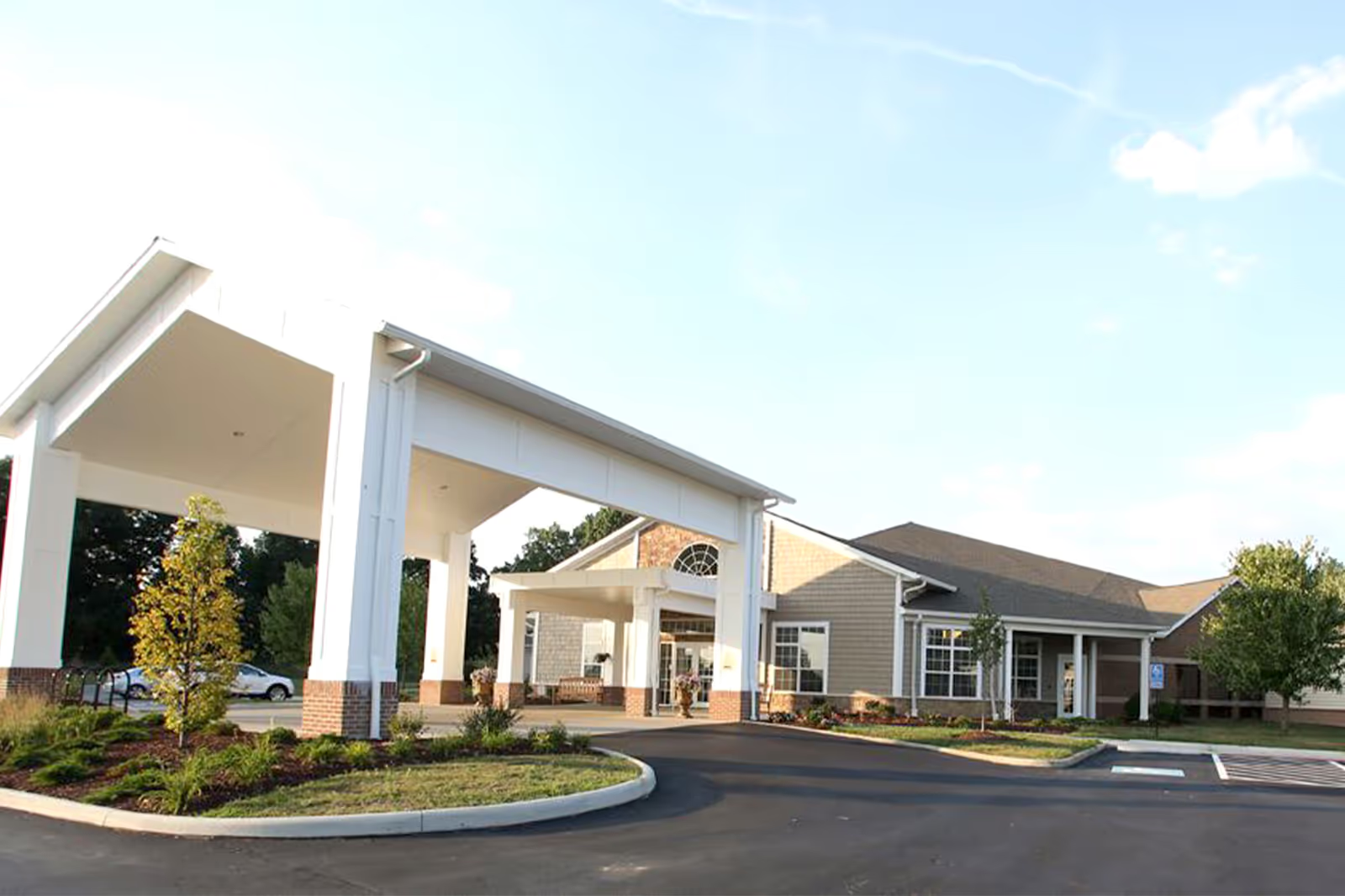
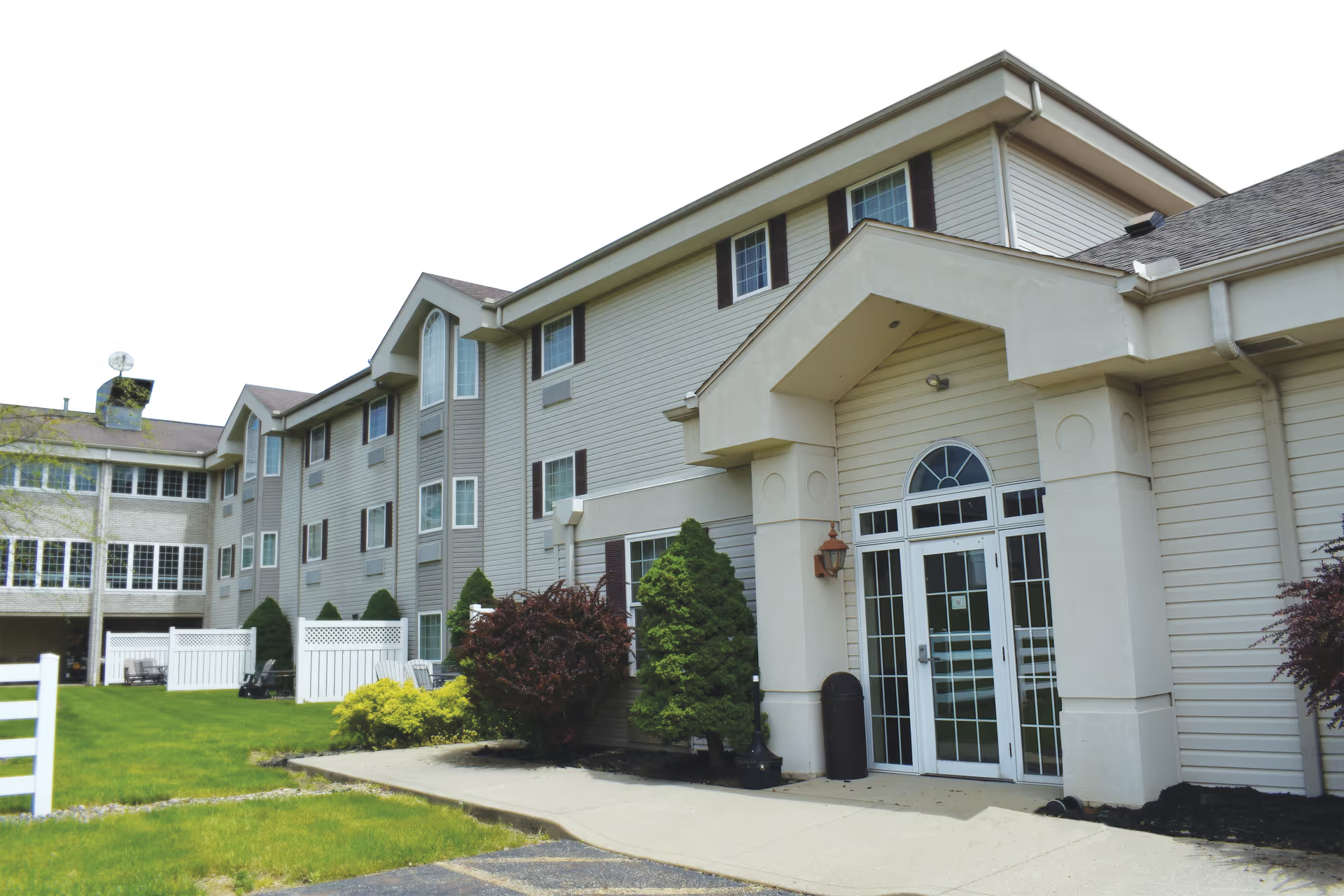
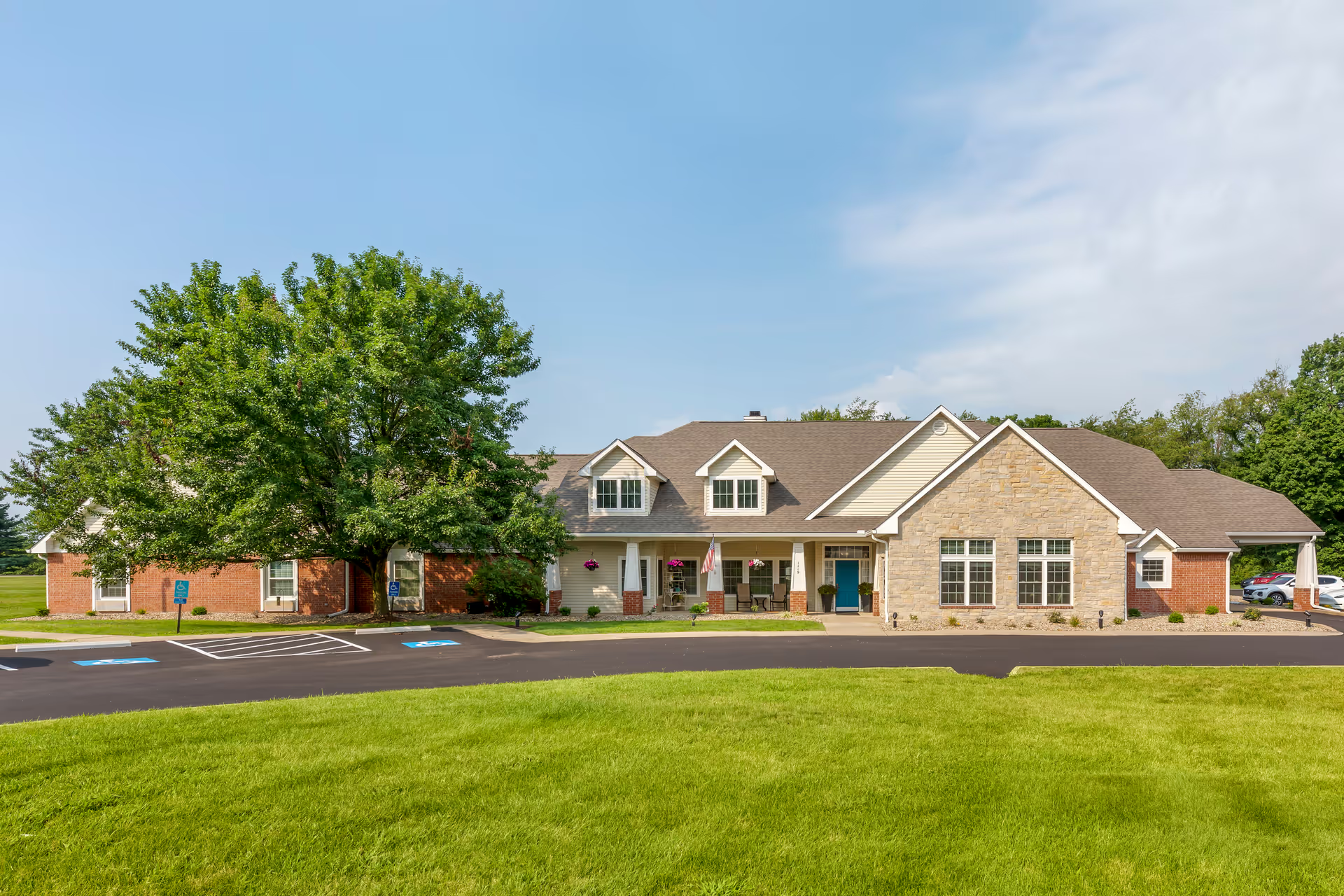
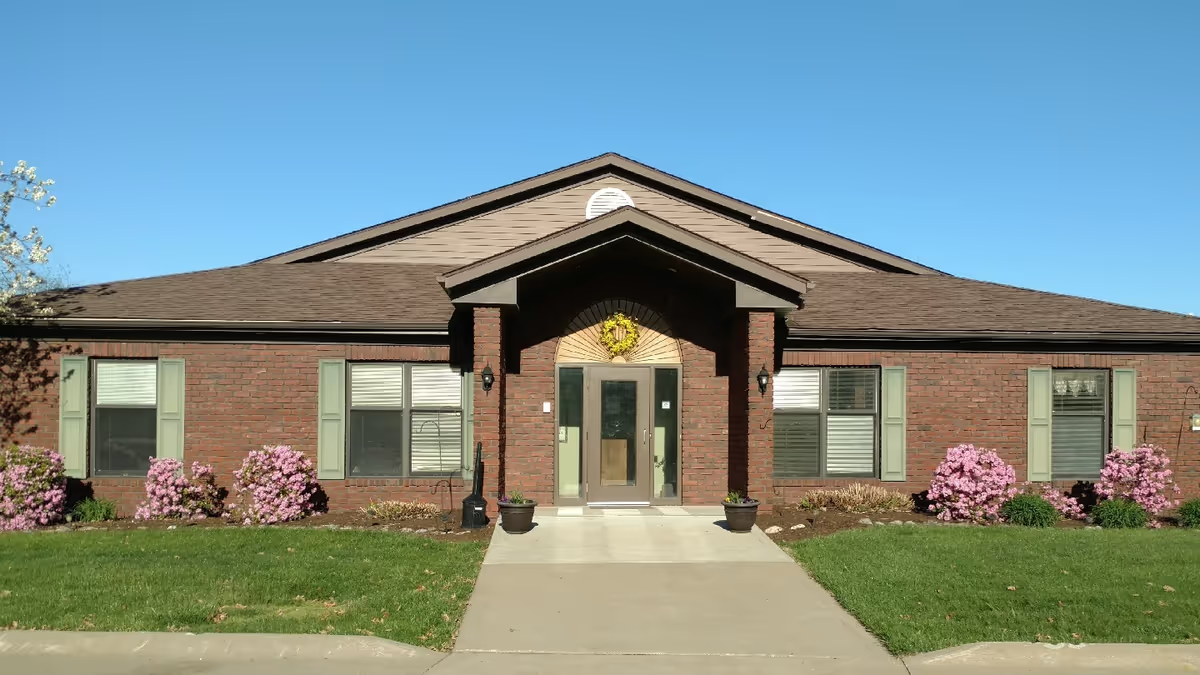
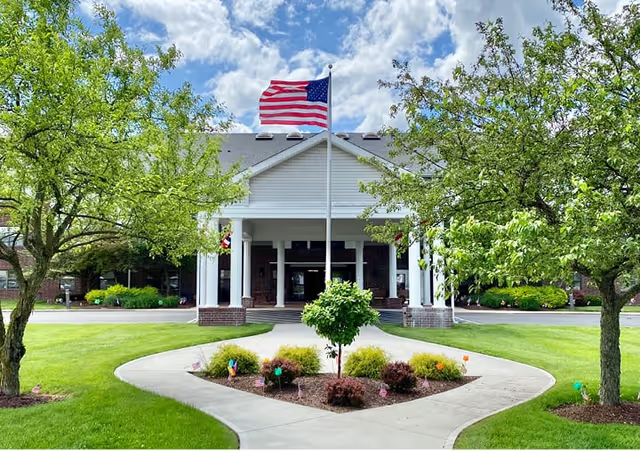
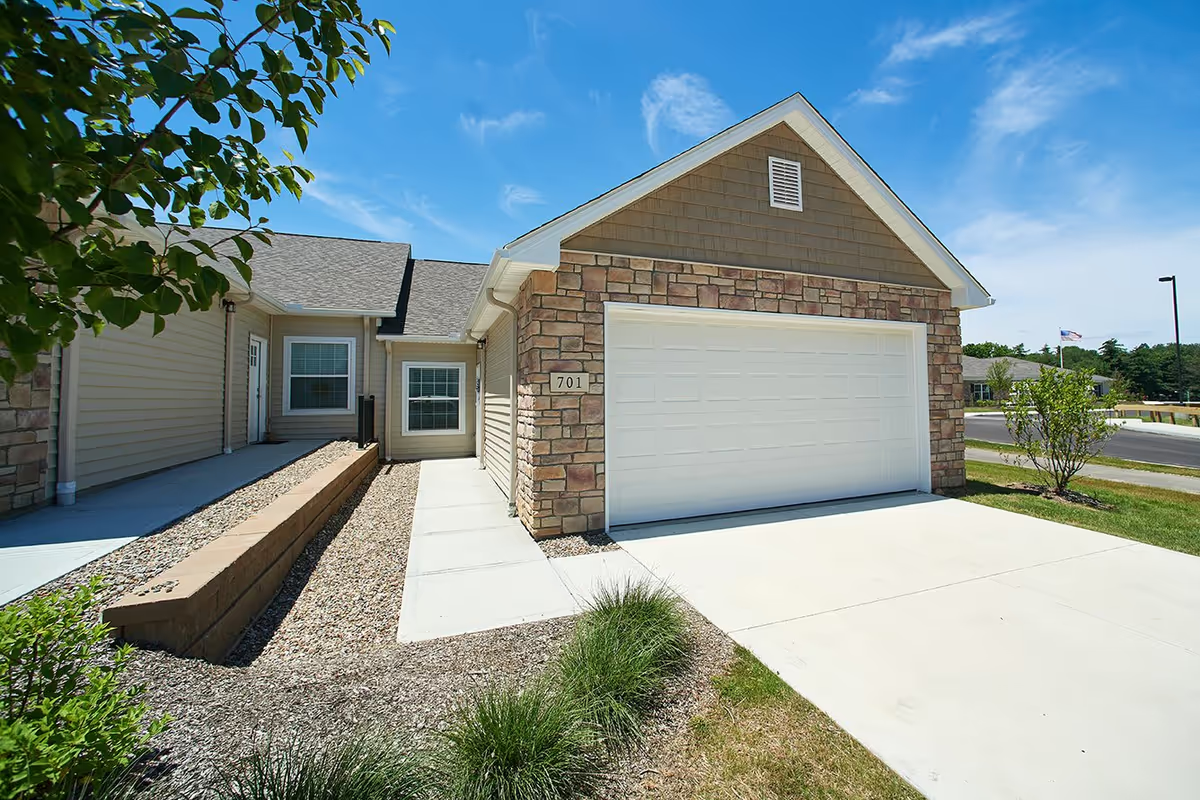
Reviewers present a mixed picture of New Dawn Rehab and Healthcare Center, with clear strengths in rehabilitative therapy, several aspects of nursing care, activities programming, and facility appearance, alongside recurring operational concerns that affect resident experience. Many families and former residents praise the facility's physical and occupational therapy teams for goal-oriented care and measurable functional gains; physical therapy is described as motivating and effective. Nursing and aide staff are frequently described as compassionate and helpful, and specific employees such as activity leadership, kitchen staff, and maintenance/administration are singled out for being attentive and accommodating. The building, rooms, and common areas are often described as clean, bright, and well-maintained, contributing to a home-like atmosphere and positive short-term rehab outcomes for some residents.
Despite these positives, there is a consistent pattern of operational weaknesses. Staffing levels and turnover are described as inconsistent, with effects on morning coverage, response times to call lights, and the ability to maintain regular hygiene and bathing schedules. Several accounts indicate delayed assistance requests and long waits for staff attention, which families perceived as a risk to resident comfort and safety. Medication administration and oxygen management are another area of concern: reviewers cite missed or delayed doses and uneven clinical follow-through, suggesting gaps in medication-administration processes and oversight.
Dining and housekeeping performance appear variable. While some reviewers note friendly, accommodating kitchen staff and satisfactory meals, others describe reduced portions, substitutions, cold or room-temperature service, and supply-related interruptions. Housekeeping and sanitation standards are praised in parts of the facility but described as inconsistent elsewhere, producing mixed impressions about environmental maintenance. Activities are generally a strength: the facility offers an engaged program with community- and spiritually-oriented options that several families find meaningful.
Communication and management receive mixed feedback. Positive accounts point to responsive administration and helpful front-line staff, but many families report unclear or delayed communication after clinical incidents, limited family notification following falls or clinical changes, and inconsistent application of visitation or infection-control policies during outbreak events. Multiple reviewers mention an ownership change that they perceive has led to budgetary constraints, staff layoffs, pay changes, and decisions that prioritize financial considerations; this perception accompanies concerns about operational instability. There are also isolated but serious claims concerning billing irregularities that families consider significant and that warrant further review by prospective families or oversight entities.
In sum, prospective residents and families may experience strong rehabilitative care, an engaging activities program, and a clean, welcoming physical environment when staffing and leadership are stable. At the same time, recurring issues with staffing consistency, responsiveness, clinical-management processes (medication and oxygen), meal-service continuity, and incident communication create variability in the standard of care. Visitors evaluating New Dawn should weigh its rehabilitative strengths and community feel against these operational variability risks, and consider asking management for current staffing ratios, medication administration protocols, incident-communication policies, and any documentation related to recent ownership changes and quality-improvement efforts.