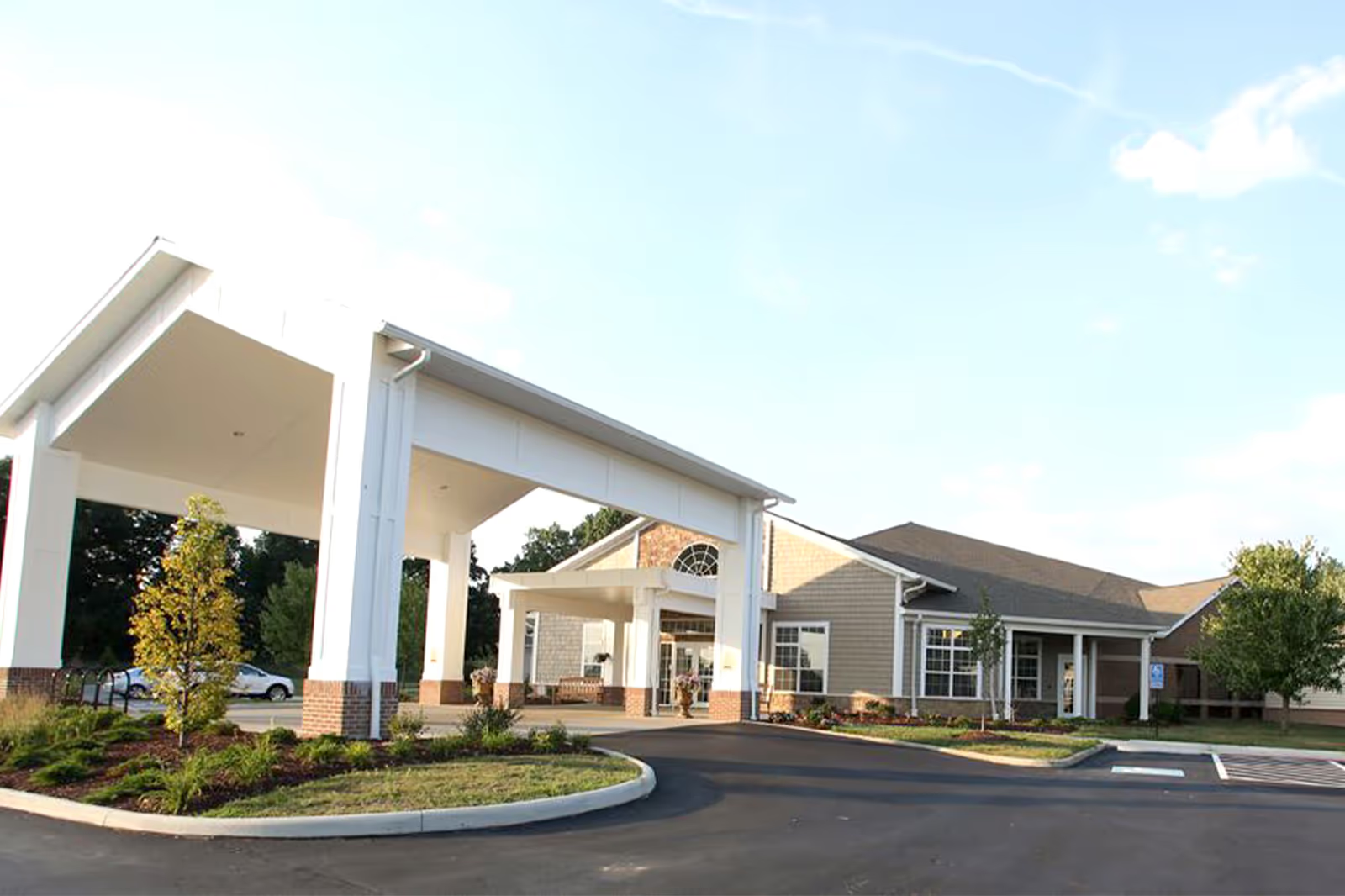
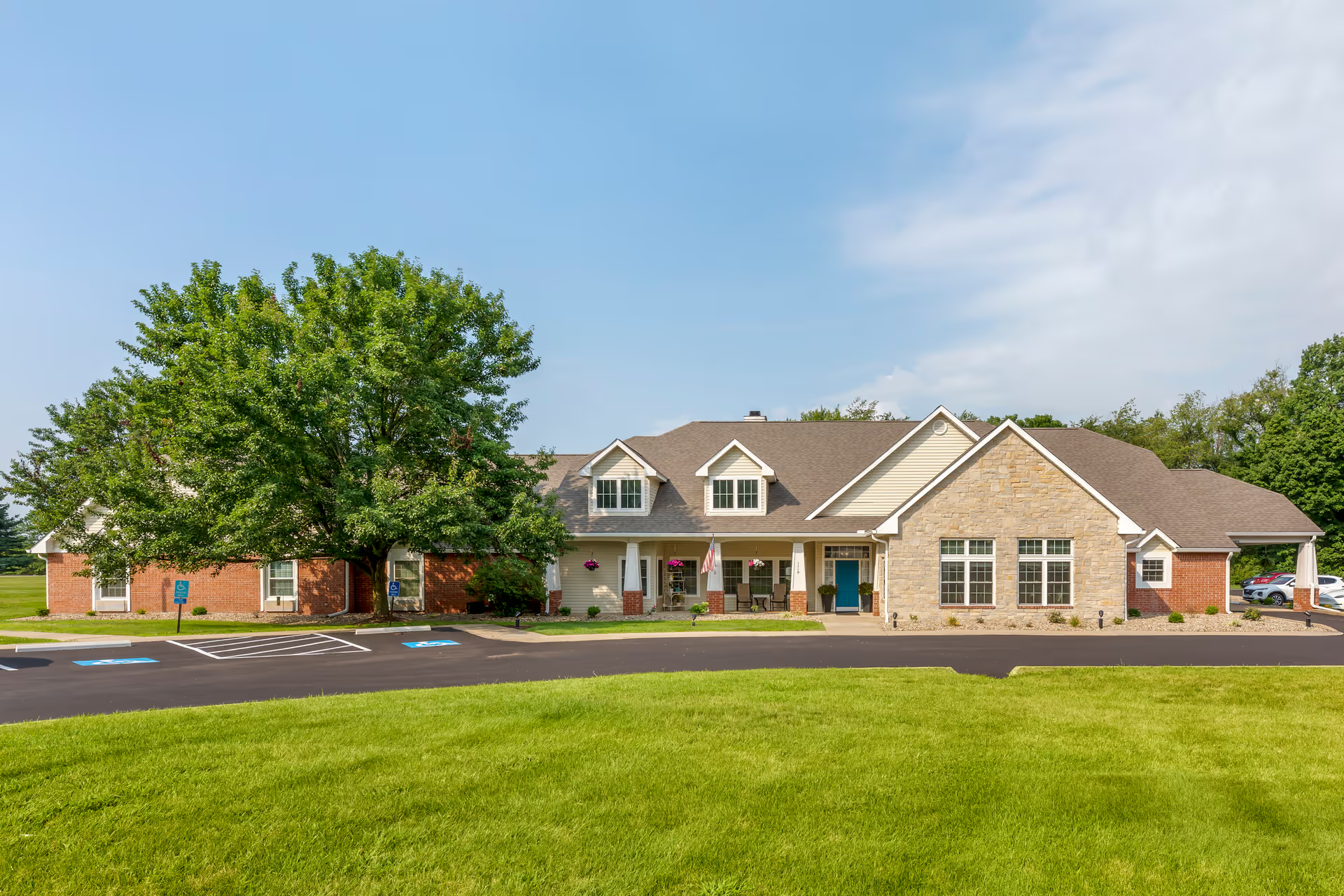
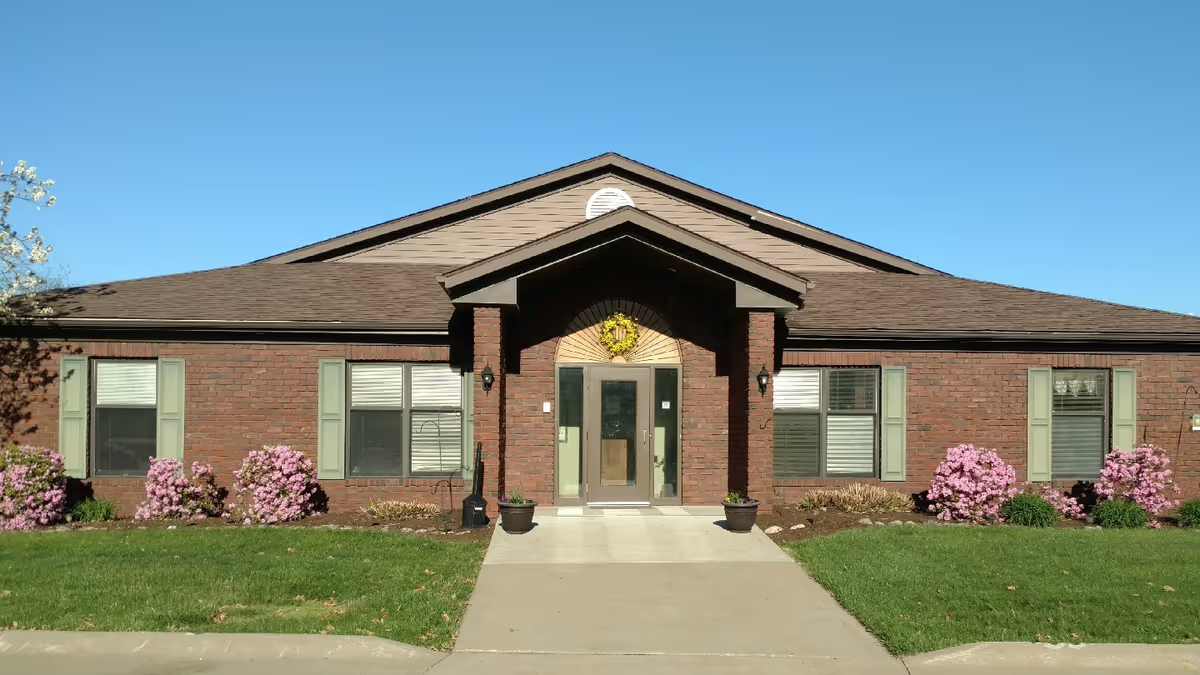
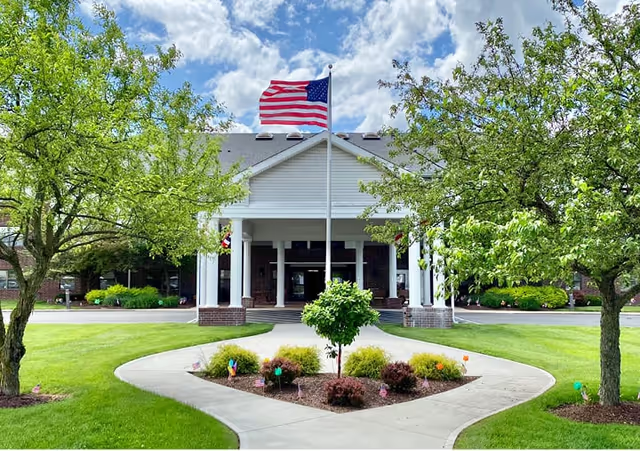
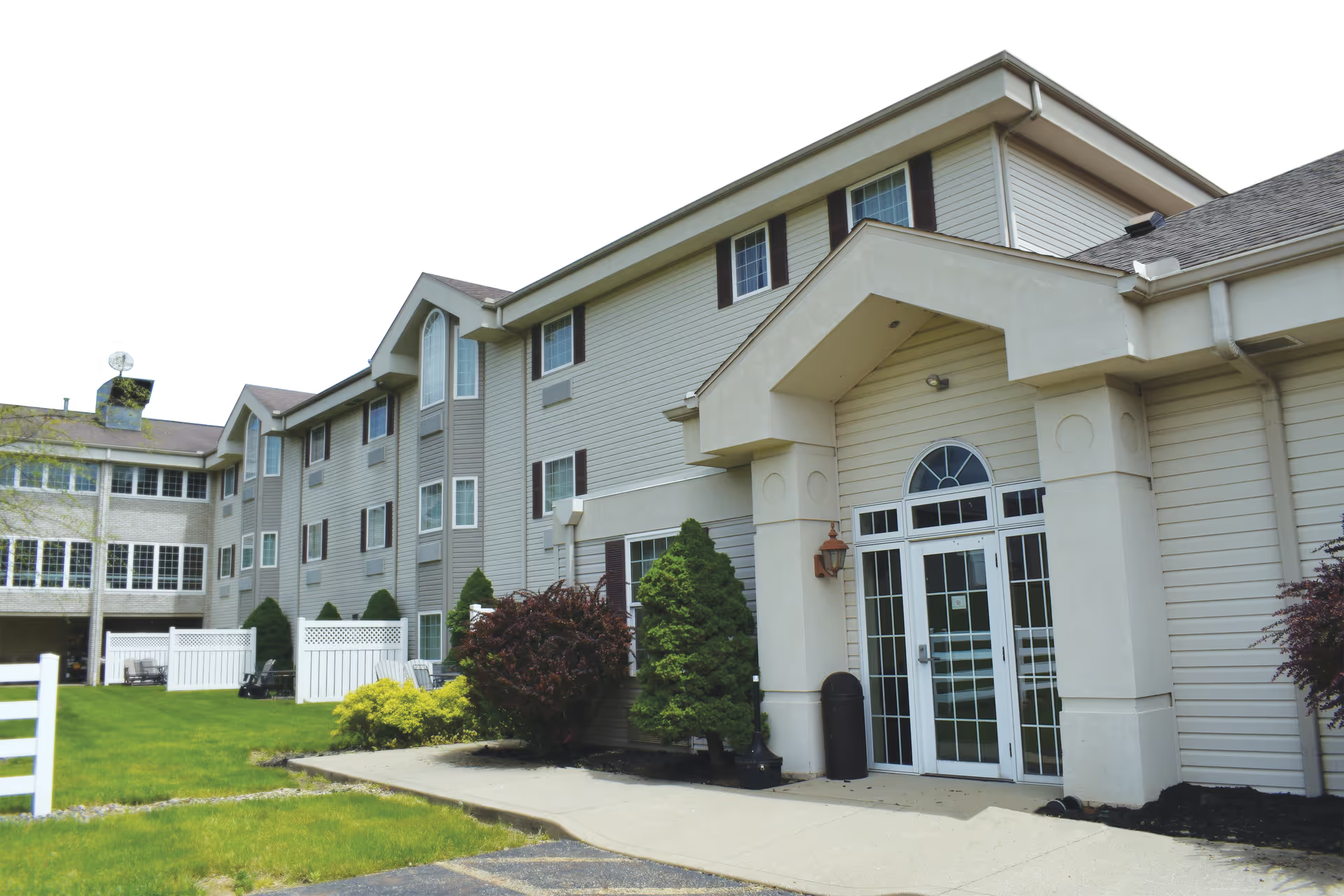
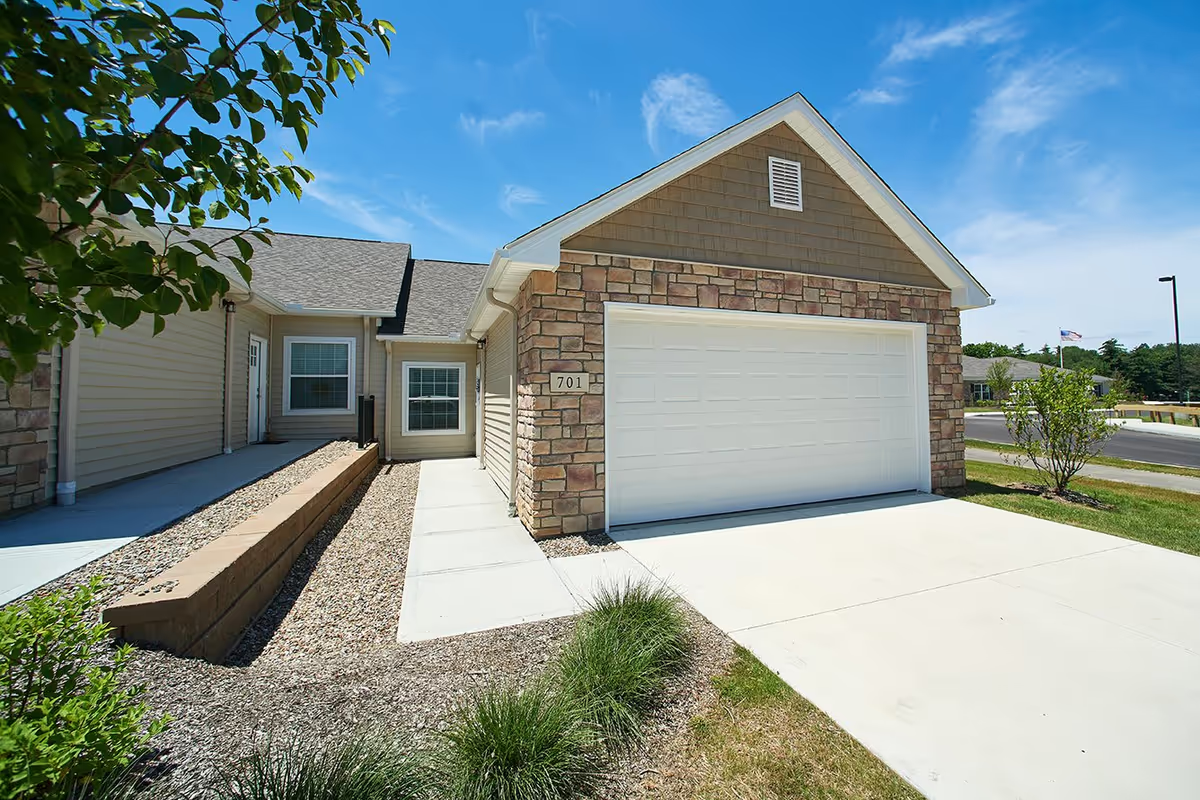
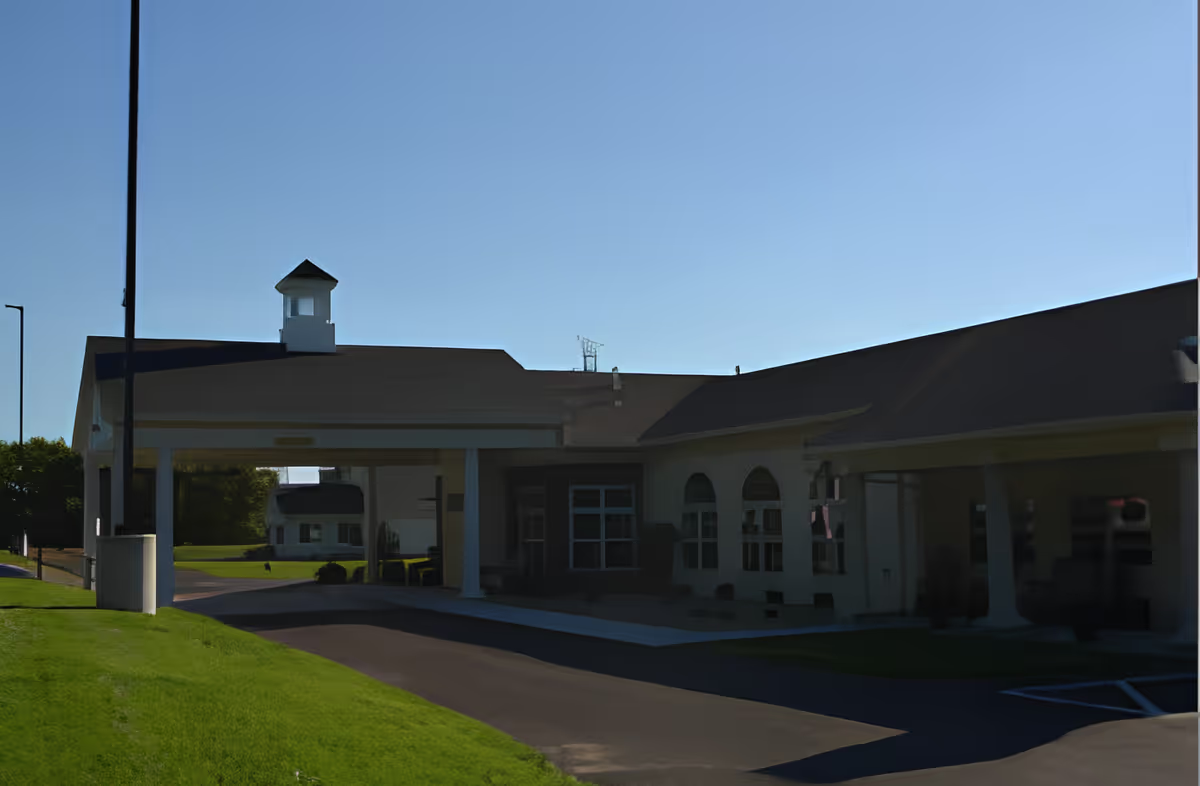
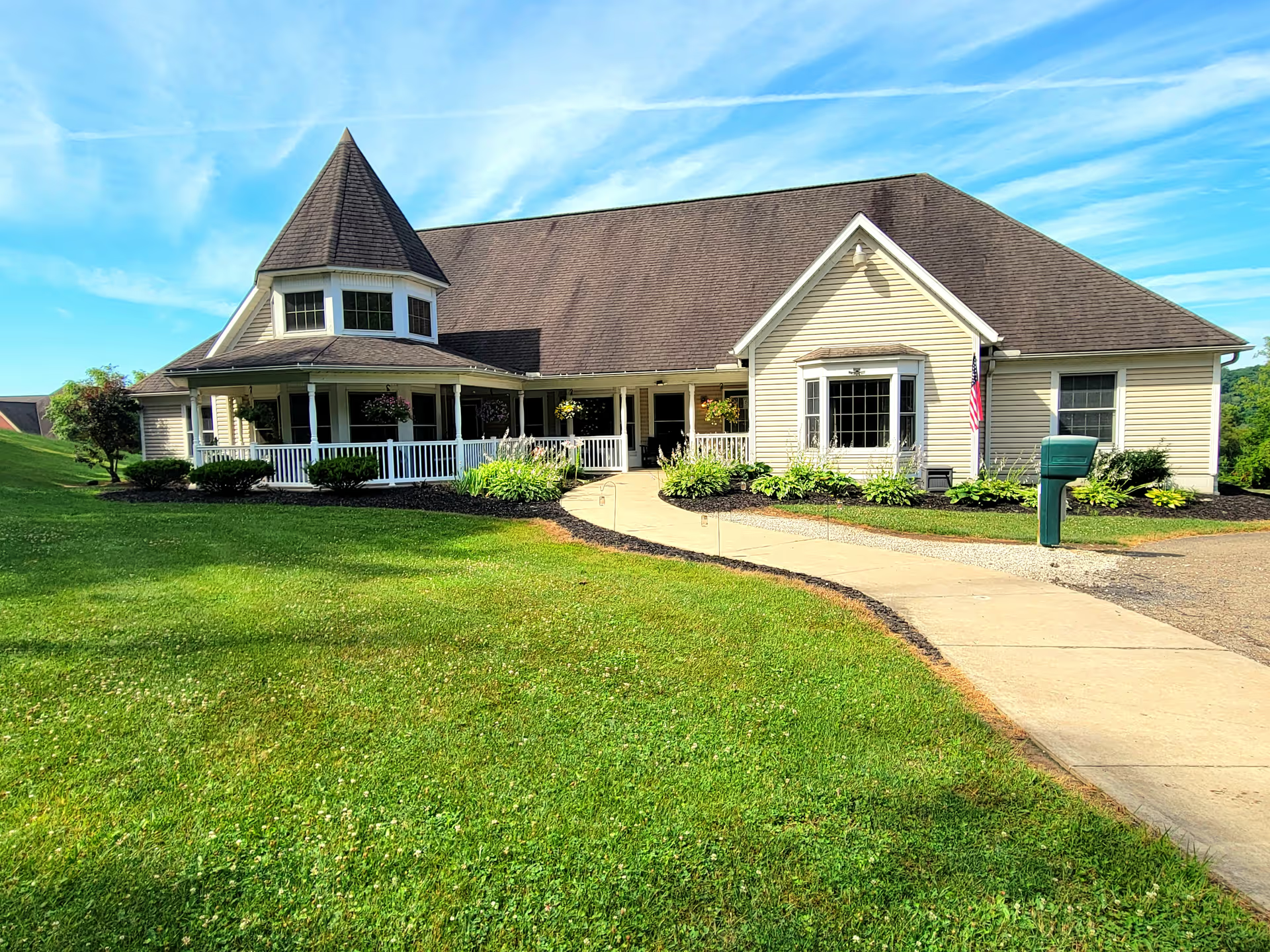
The Inn at Northwood Village is frequently described as a modern, amenity-rich senior living community with a strong physical environment and many positive staffing interactions. The building and grounds receive consistent praise: reviewers highlight clean, well-maintained common areas, spacious rooms, tile floors that are easy to maintain, an attractive courtyard and fountain, walking trails, and a variety of on-site amenities such as a beauty shop, theater room, exercise area, ice cream/coffee bars, and a connected dining room. The facility’s newer construction and aesthetic appeal are commonly noted as strengths.
Care quality and staffing present a mixed picture. Numerous families and residents praise the caregiving teams, describing staff as attentive, compassionate, and willing to go beyond routine duties; several comments reference skilled nursing oversight and quick transfer/admission processes. However, there is a recurring pattern of operational issues: inconsistent staffing levels, occasional staff shortages, and variable training for memory-care residents. These operational weaknesses are associated with delayed responses to call lights and resident requests in some accounts, and with inconsistent execution of basic care tasks in others. While some reviewers emphasize excellent nursing and attentive aides, others describe uneven clinical follow-through, creating a disparity in perceived care quality across residents and units.
Dining and activities are also areas of contrast. Many reviewers enjoy the meals, desserts, and special food offerings (including home-style presentations and appealing desserts), and the community offers a robust calendar of social events—movie nights, bingo, holiday programming, social happy hours, and organized outings. At the same time, a subset of comments point to variability in daily meal quality and concerns about nutritional content, especially for residents in memory-care areas. Activity programming is generally lively and well-attended in assisted living, but several reviewers found memory-care activity options less consistent or less effectively tailored to cognitive needs.
Management, organization, and family communication show mixed impressions. Positive accounts describe helpful, communicative staff and transparent financial discussions. Conversely, other accounts identify management and organization gaps that affect day-to-day operations, with specific concerns about responsiveness to family inquiries, handling of grievances, and consistency in policy enforcement. A few families reported situations that raised safety and sanitation concerns—these have been characterized by reviewers as lapses in incontinence-care practices, odor concerns in some areas, or soiled bedding—indicating variability in housekeeping and clinical follow-through.
Notable patterns for prospective residents and families: the facility's physical environment and available amenities are strong points, and many residents experience compassionate, family-like care. Yet the consistency of that experience appears to depend on staffing levels and the particular unit (assisted living versus memory care). For those seeking memory-care services, the mixed comments about dementia-specific training, activity engagement for cognitively impaired residents, and clinical consistency suggest it would be prudent to observe staffing patterns, ask about staff training and ratios for the memory unit, review sanitation and incontinence-care protocols, and clarify how the facility handles family communication and grievances before making a placement decision.