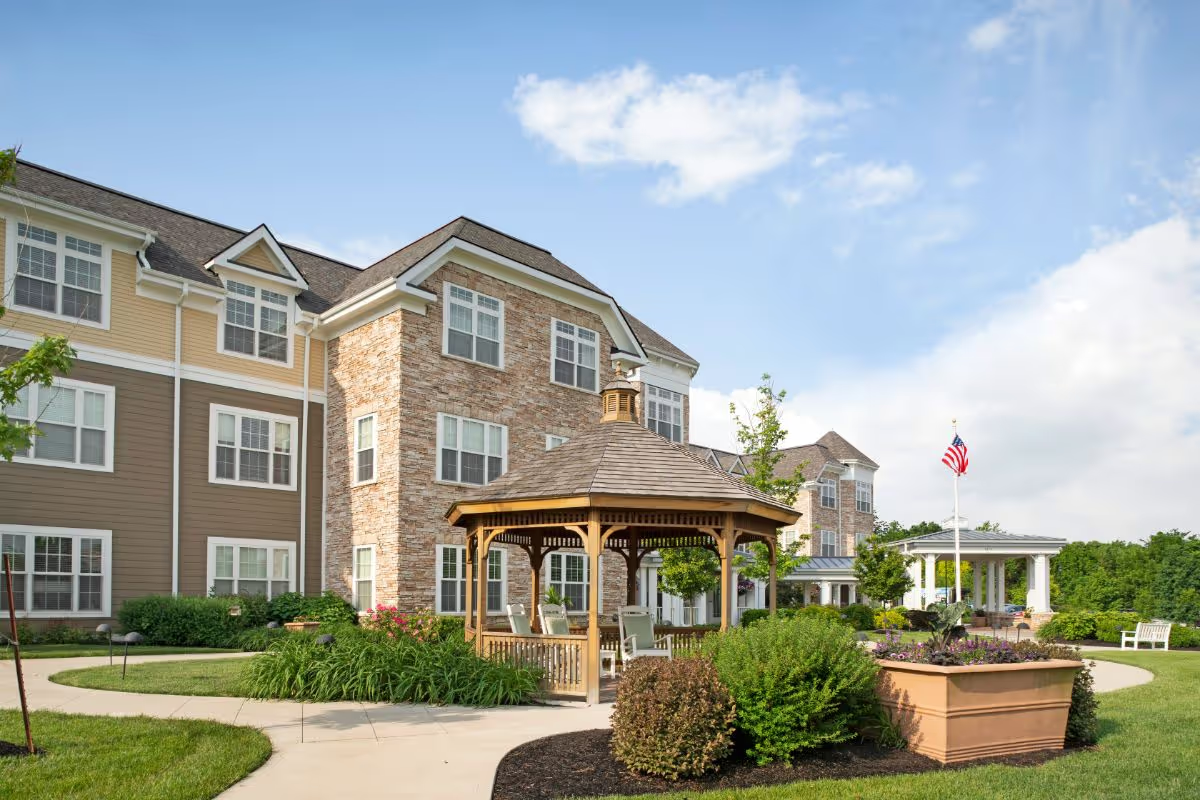
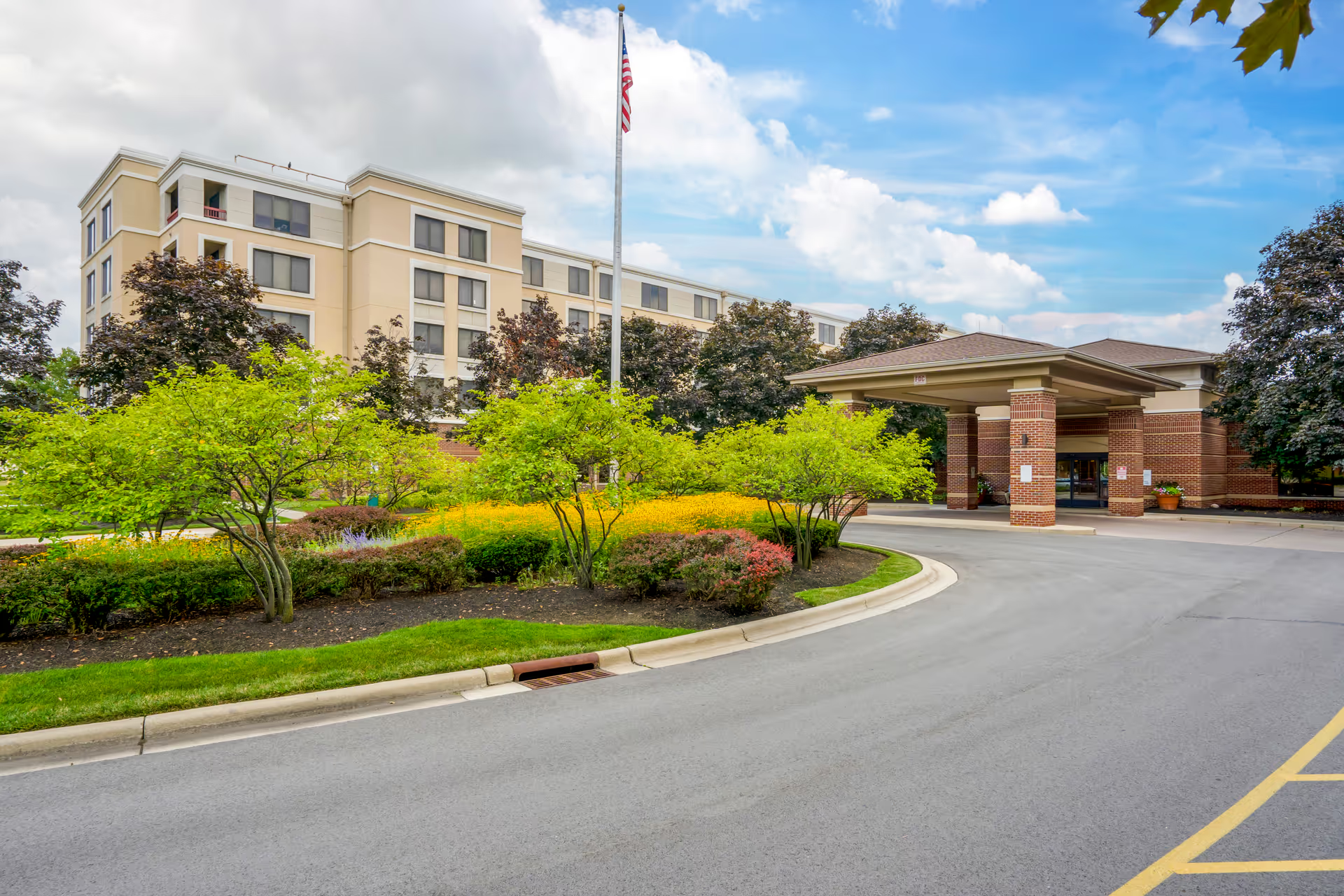
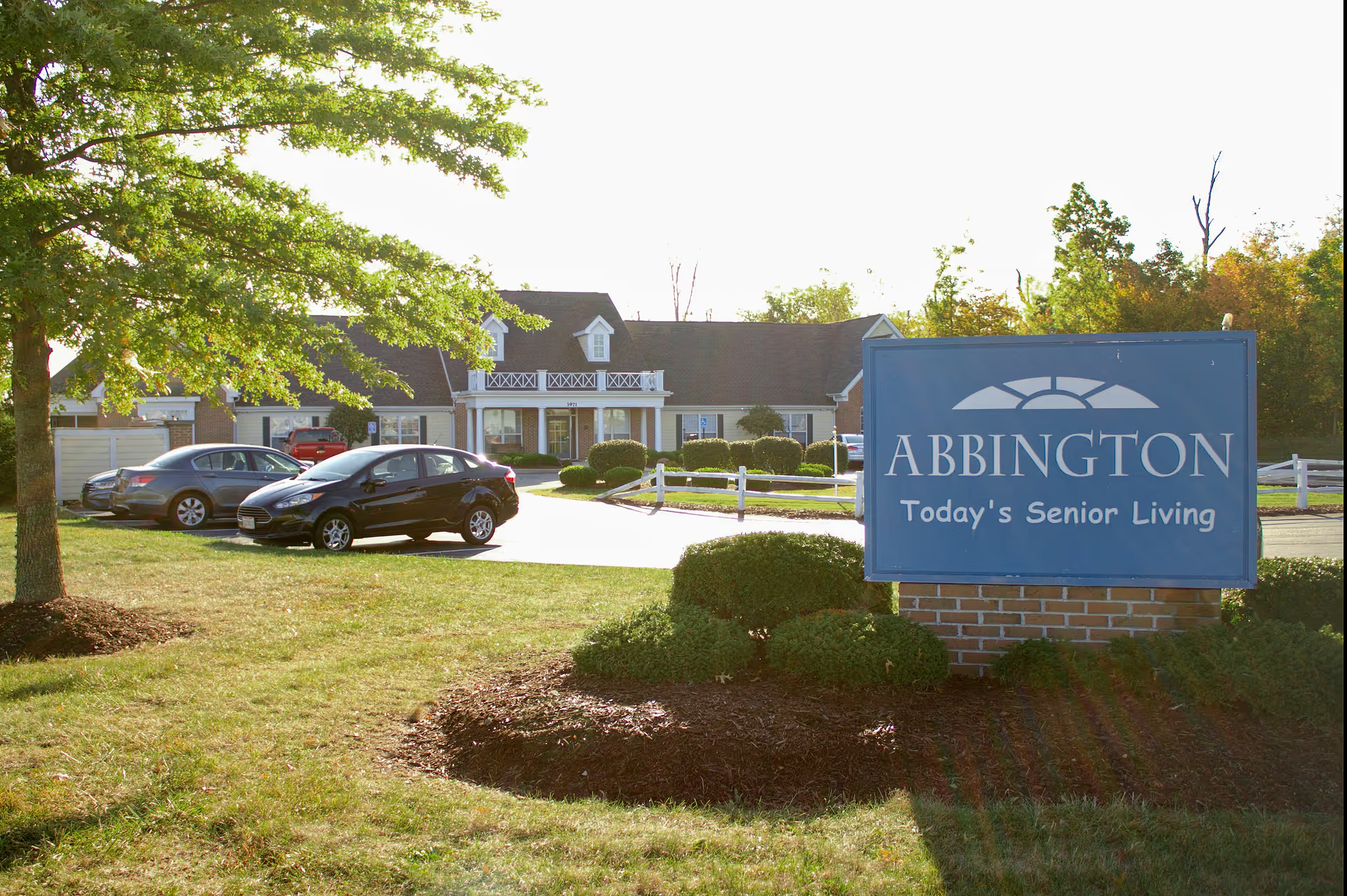
Brookdale Muirfield appears to be a small, community-oriented assisted living and memory-care campus with consistent strengths in day-to-day caregiving and resident engagement. Reviewers commonly describe staff as warm, caring, and family-focused; many families emphasize the availability of 24-hour nursing coverage, on-site therapy services, and a weekly physician presence. The community offers an active calendar with exercise, games, arts, and regular outings, and it maintains attractive common spaces such as a bright dining room, gardens, a beauty salon, and wellness areas.
Clinical care and staff culture are recurring positives: nurses and caregivers are frequently described as attentive and responsive to clinical needs, medication management is part of the care package, and the memory-care unit is viewed as secure and individualized. Therapy and rehabilitation services are available and helpful to many residents. At the same time, several families noted variability in clinical responsiveness and in how well the facility met the needs of higher-dependency residents; this reflects an operational variability rather than a uniform standard across all units.
Dining and activities are overall strengths, with customizable meal options, family-involved menu planning, and generally positive reports about food quality and presentation. However, there are intermittent issues with meal timing and occasional variability in meal quality. The activity program is robust on paper — with trips, social events, and in-house programming — but delivery can be inconsistent: some planned activities are canceled or paused (for example during infection-control periods), and paid or promised activities have, in some cases, not been fully delivered.
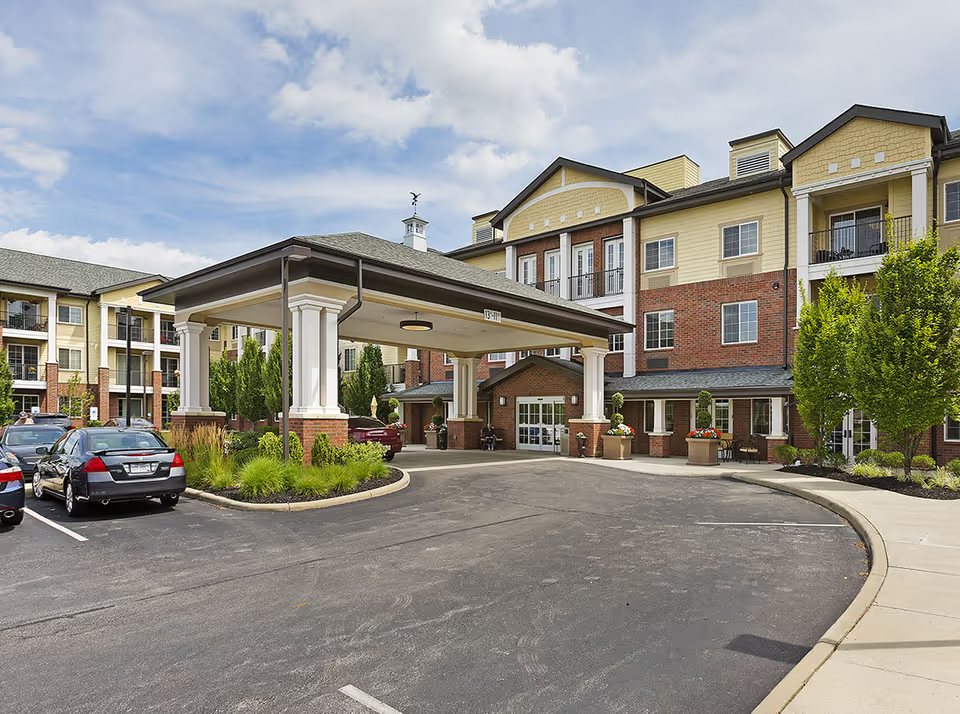
The physical plant presents mixed impressions. Many reviewers praise clean, bright common areas, pleasant outdoor spaces, and studio apartments with ample closet space. At the same time, the facility is described as older in parts; some apartments are small, lack built-in appliances, and are not always wheelchair-friendly. Families should verify individual unit accessibility and any necessary modifications before move-in. There are occasional sanitation and pest-control concerns noted alongside generally positive cleanliness comments, indicating variable housekeeping performance across units.
Management and administrative practices exhibit both strengths and weaknesses. Several reviewers highlight accessible leadership, knowledgeable sales staff, and helpful admissions support that eased transitions. Conversely, recurring themes include unclear billing practices, unexpected fees (including evaluation/setup and deposit policies), delays or errors in invoices, and slower follow-through on move-in logistics or maintenance requests. There are also descriptions of communication gaps around admissions and privacy that suggest the need for clearer informed-consent and confidentiality protocols.
Notable patterns for prospective residents and families: the community’s principal strengths are its caregiving culture, engagement opportunities, and pleasant communal environment. Operational consistency is the primary caveat — staffing levels, activity delivery, housekeeping, billing transparency, and unit accessibility vary enough that outcomes differ by apartment and by timeframe. Before committing, families should tour targeted apartments, confirm staffing ratios and responsiveness expectations, review the contract closely (including deposit and refund terms), ask about housekeeping and pest-control schedules, verify accessibility for wheelchairs if needed, and obtain written confirmations for any promised services or paid activities.