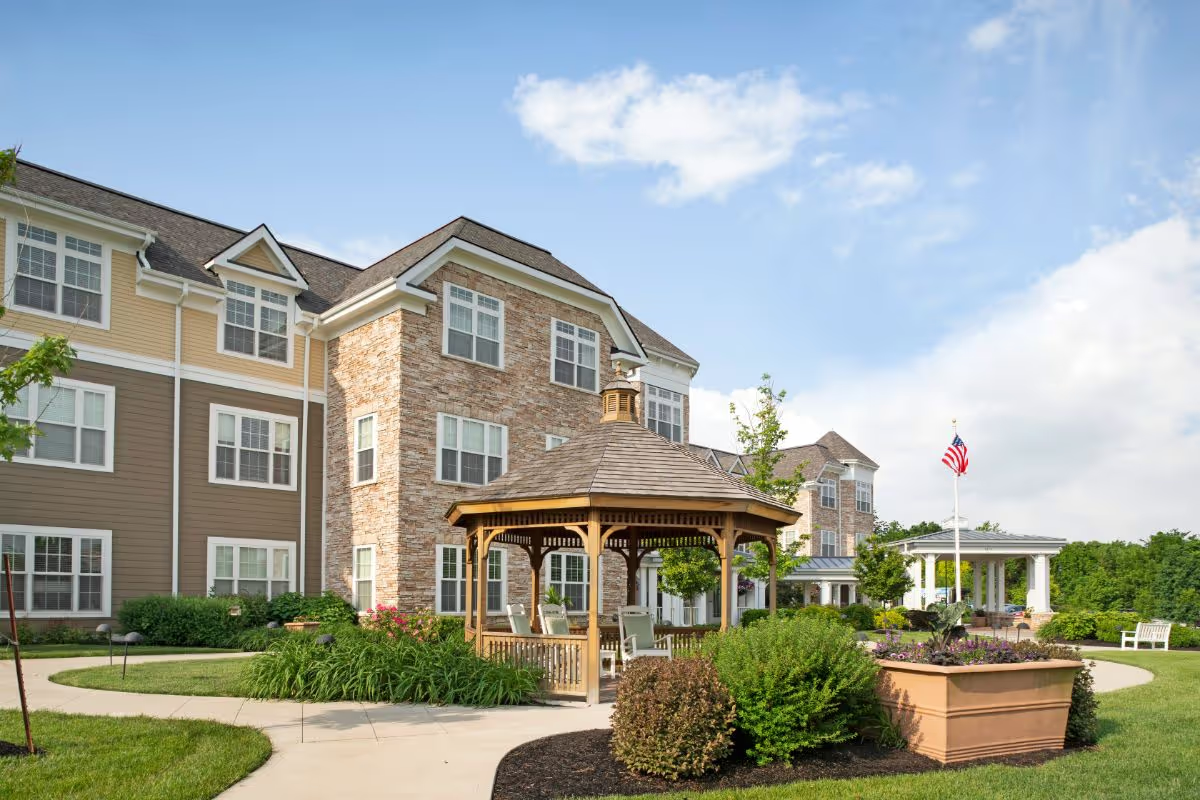
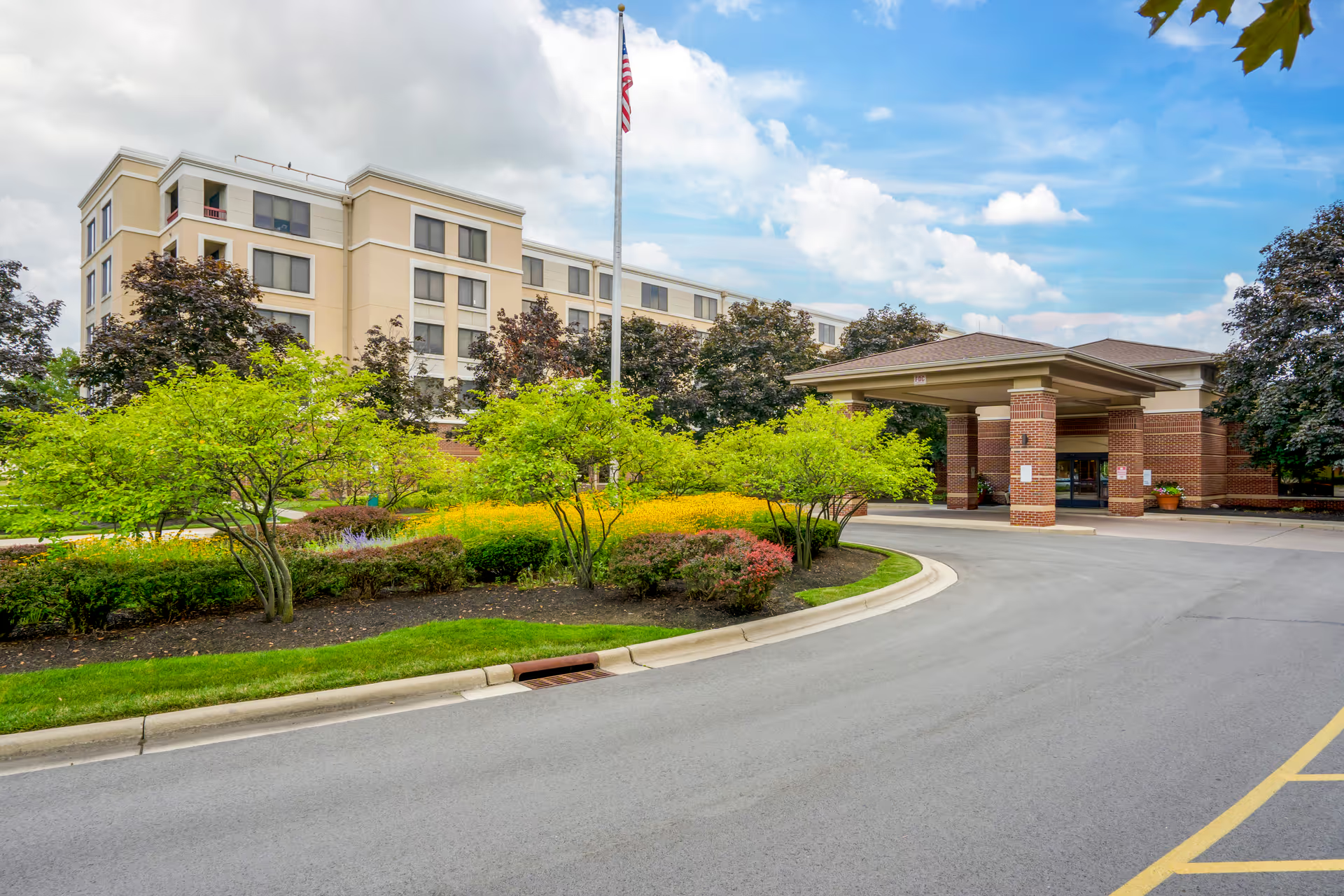
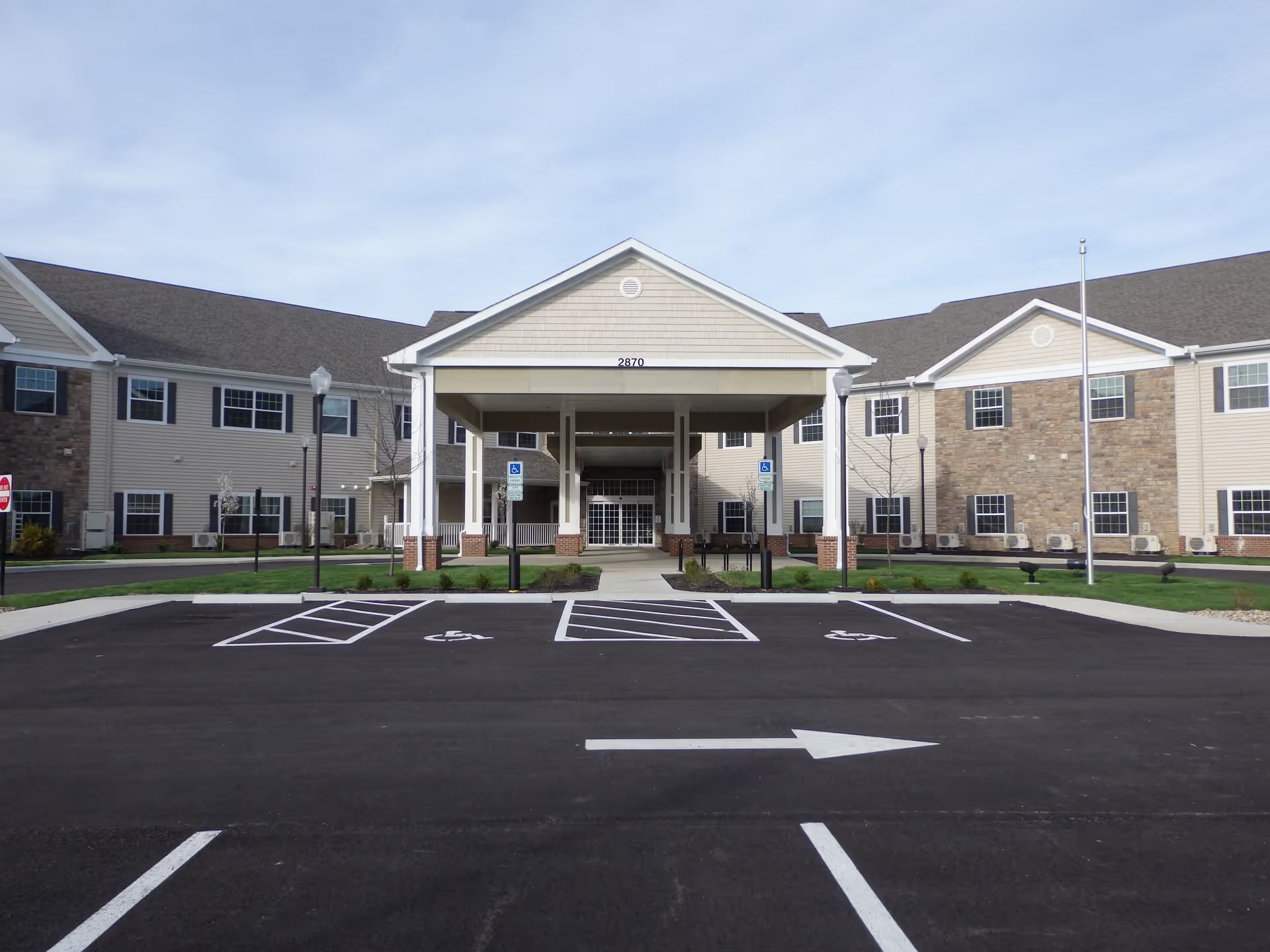
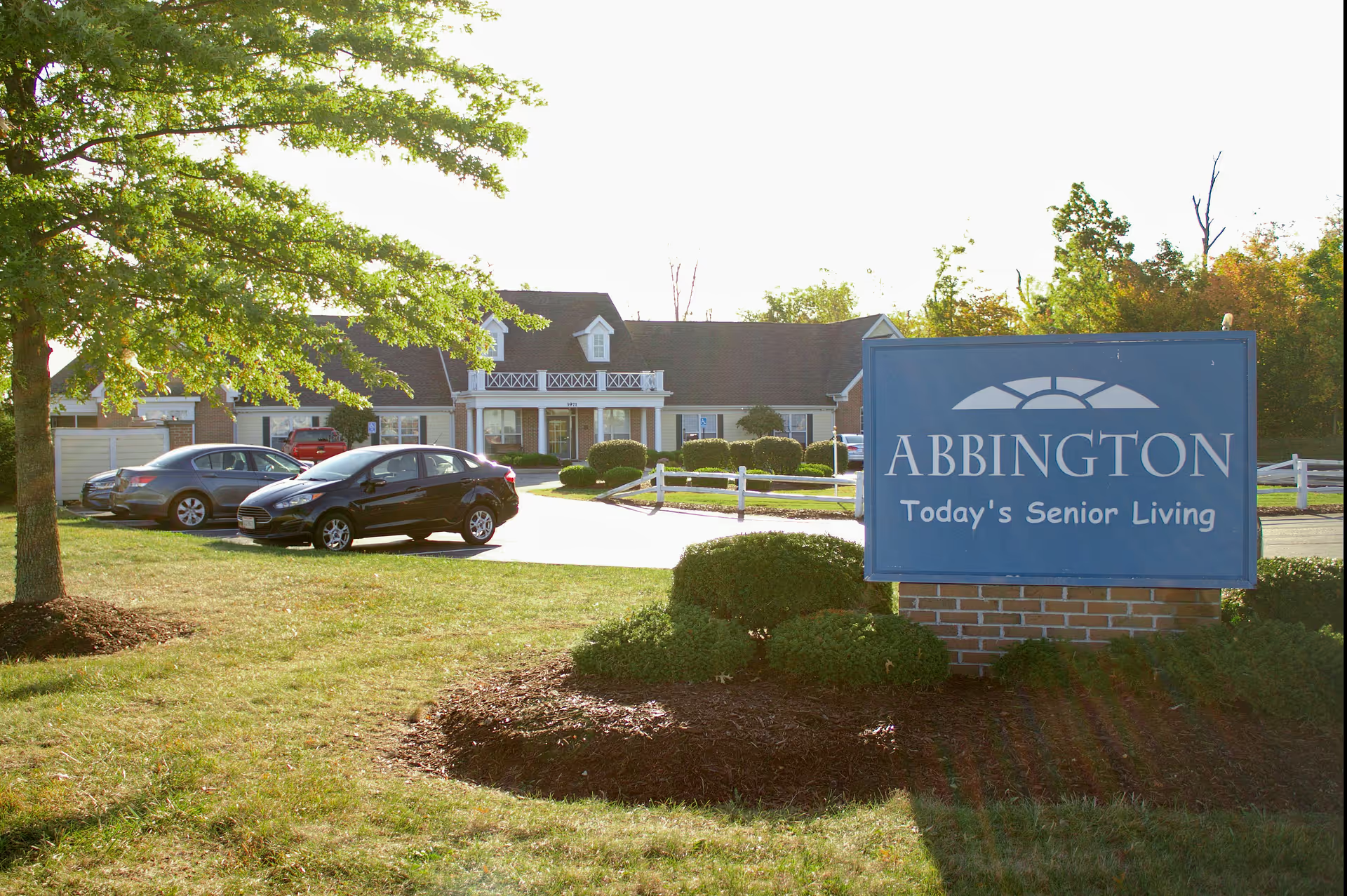
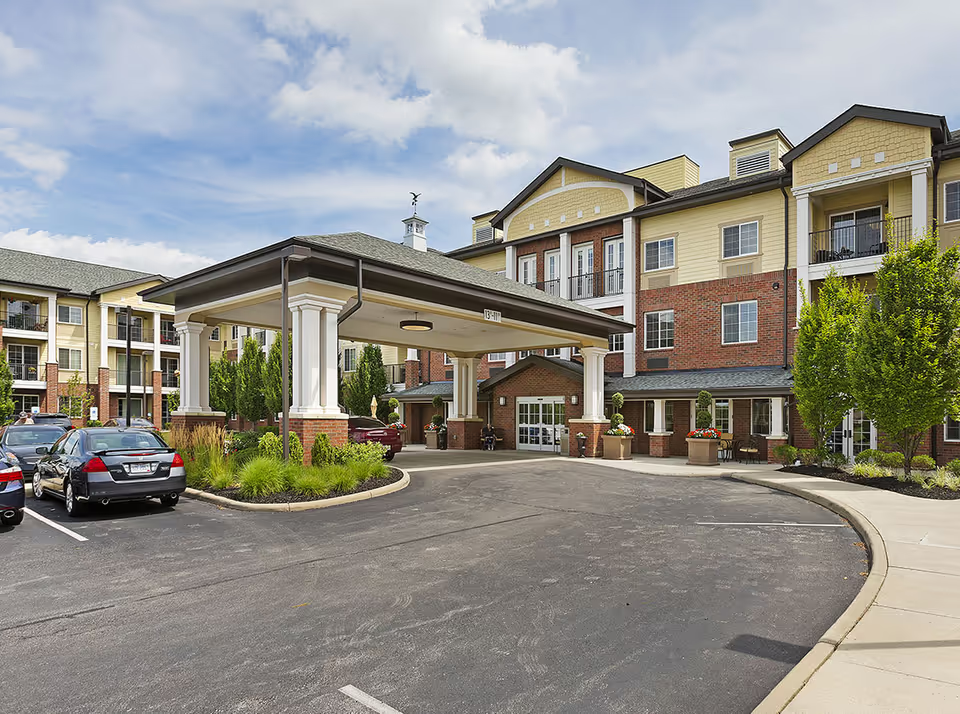
Reviews of Legacy Dublin present a strongly mixed picture. A consistent strength across many accounts is the facility's rehabilitation capability: physical and occupational therapy teams, and coordinated physician–therapy communication, are described as effective and frequently credited with meaningful functional improvement and safe discharges home. Multiple reviewers also praised compassionate nursing caregivers, proactive dietary staff, receptive admissions personnel, and helpful social-work support. The building and public spaces are often described as attractive and well-appointed, which several families and residents found reassuring during transitions.
At the same time, there is a recurrent set of operational concerns that reviewers associate with uneven care quality. Understaffing and inconsistent staffing patterns are commonly linked to long delays in responding to call lights, slower assistance with toileting and bathing, and missed or late medication administration. Several accounts raise concerns about medication documentation and weight/monitoring records; one review uses the term "allegations" for billing and documentation irregularities, suggesting at least some reviewers perceived serious administrative problems. These clinical and documentation issues are the primary drivers of risk for residents with higher medical needs.
Dining and nutrition emerge as another area of variability. While some reviewers praised attentive dietary staff and noted good meal experiences, others describe frequent cold or late meals, inconsistent adherence to therapeutic diets, and meal presentation or service continuity problems. Relatedly, sanitation and housekeeping appear inconsistent at the room level: public areas are often described positively, but room cleanliness, bathroom maintenance, and timely linens/room upkeep were cited as concerns in multiple accounts. Maintenance and equipment reliability issues — including reports of nonfunctional phones, lights, or inadequate temperature control — further contribute to perceptions of uneven facility operations.
Staff conduct and management are described in polarized terms. Many families highlight compassionate, responsive individual staff members and helpful administrators; conversely, others report variability in staff professionalism, including aides congregating at nurse stations, cell-phone use during shifts, limited English proficiency affecting communication, and instances where families felt managers were unresponsive. Several reviews mention recent ownership or leadership change, and reviewers link that transition to greater inconsistency in day-to-day management. End-of-life and hospice coordination is another identified gap, with concerns about delayed symptom control and communication during those transitions.
Taken together, the pattern suggests Legacy Dublin can deliver high-quality, therapy-focused care—particularly for short-term rehab patients or residents with lower, predictable medical needs—when therapy and some nursing personnel are engaged and management is responsive. However, variability in staffing, medication/documentation practices, personal-care assistance, dining, and room-level housekeeping creates operational risks for residents who require sustained, complex clinical oversight. Prospective residents and families should weigh the facility's strong rehabilitation resources and some exemplary staff against the reported inconsistencies in nursing responsiveness, medication processes, sanitation, and management communication. When possible, families should ask for current staffing ratios, medication-administration protocols, recent inspection results, and examples of hospice and high-acuity care coordination to assess fit for higher-need residents.