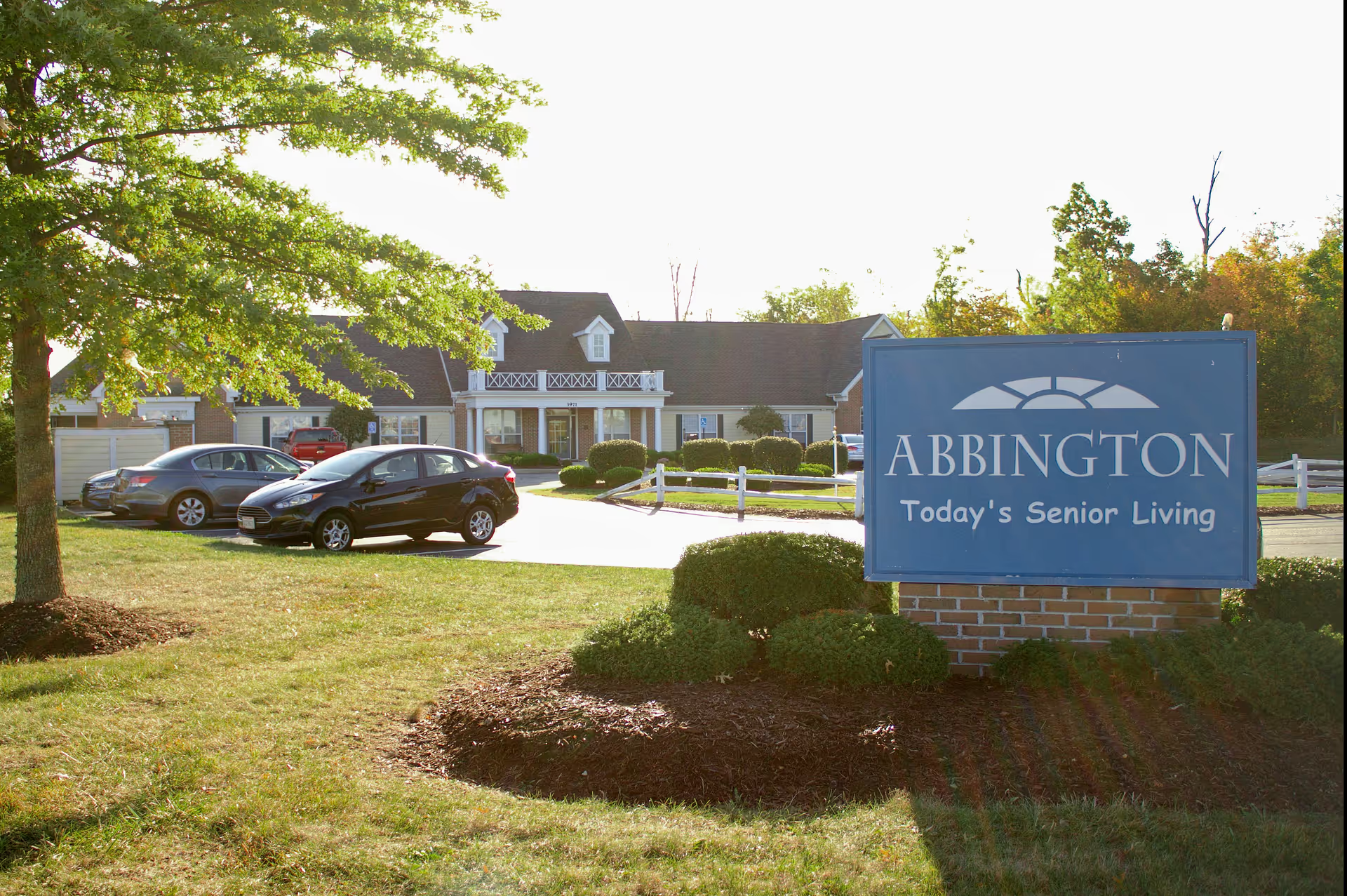
The reviews present a polarized portrait of The Convalarium of Dublin: several families describe consistently high-quality clinical and rehabilitative care, while others raise operational and safety concerns. Positive comments emphasize a compassionate, professional caregiving team, strong therapy services (physical, respiratory, speech), supportive social work, and an admissions process with attentive follow-up. Many reviewers praised private, suite-like rooms, a quiet environment, and culinary staff who accommodate dietary needs. When the facility’s clinical processes are functioning well, reviewers described regular physician contact, timely medication administration, comprehensive therapy plans, and a welcoming, home-like atmosphere.
Counterbalancing those positive reports are repeated operational weaknesses that affect residents’ day-to-day experience. Staffing inconsistency—notably during nights and evenings—and slow responses to call lights or assistance requests recur across reviews. Several families described medication-management lapses, delayed or misplaced doses, and inconsistent documentation availability. Dining is a mixed area: while some praise menu flexibility and accommodating kitchen staff, others describe limited choices, processed offerings, and occasional lapses in dietary adherence. Cleanliness and sanitation concerns in certain units and common areas, along with pest-control and supply shortages, were raised multiple times.
Safety and equipment issues appear as another pattern. Reviewers flagged inadequate bariatric and mobility-assist equipment, limited use of bed-alarm or rail safeguards, and fall-prevention practice gaps. These operational shortcomings were sometimes accompanied by delayed family notification after clinical events. Communication and managerial consistency are uneven: several accounts credit specific administrators and staff for swift problem resolution and a leadership-driven turnaround, while other accounts describe distant management, accountability gaps, and allegations of property mishandling and dishonesty.
Taken together, the pattern suggests uneven performance across shifts, units, and time. The facility demonstrates clear strengths in rehabilitative services, individualized therapy, and in many cases compassionate caregiving and dietary accommodation. At the same time, systemic issues—staffing variability, call-response delays, medication controls, cleanliness, equipment for complex care, and inconsistent management oversight—are recurring themes that prospective residents and families should evaluate. Visiting the unit(s) where an individual would reside, asking about night staffing ratios, fall-prevention protocols, medication-administration procedures, dietary accommodations, and recent quality-improvement actions (including leadership changes) will help form a clearer, risk-adjusted decision for placement.