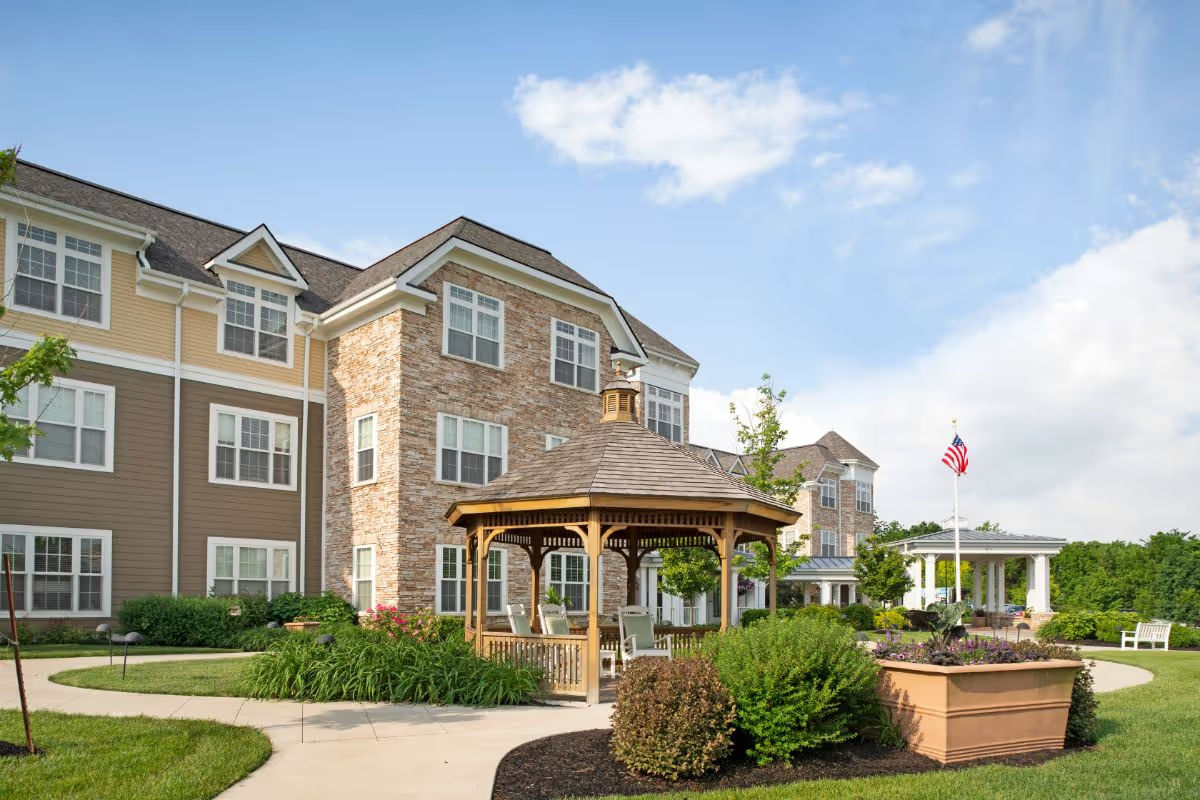
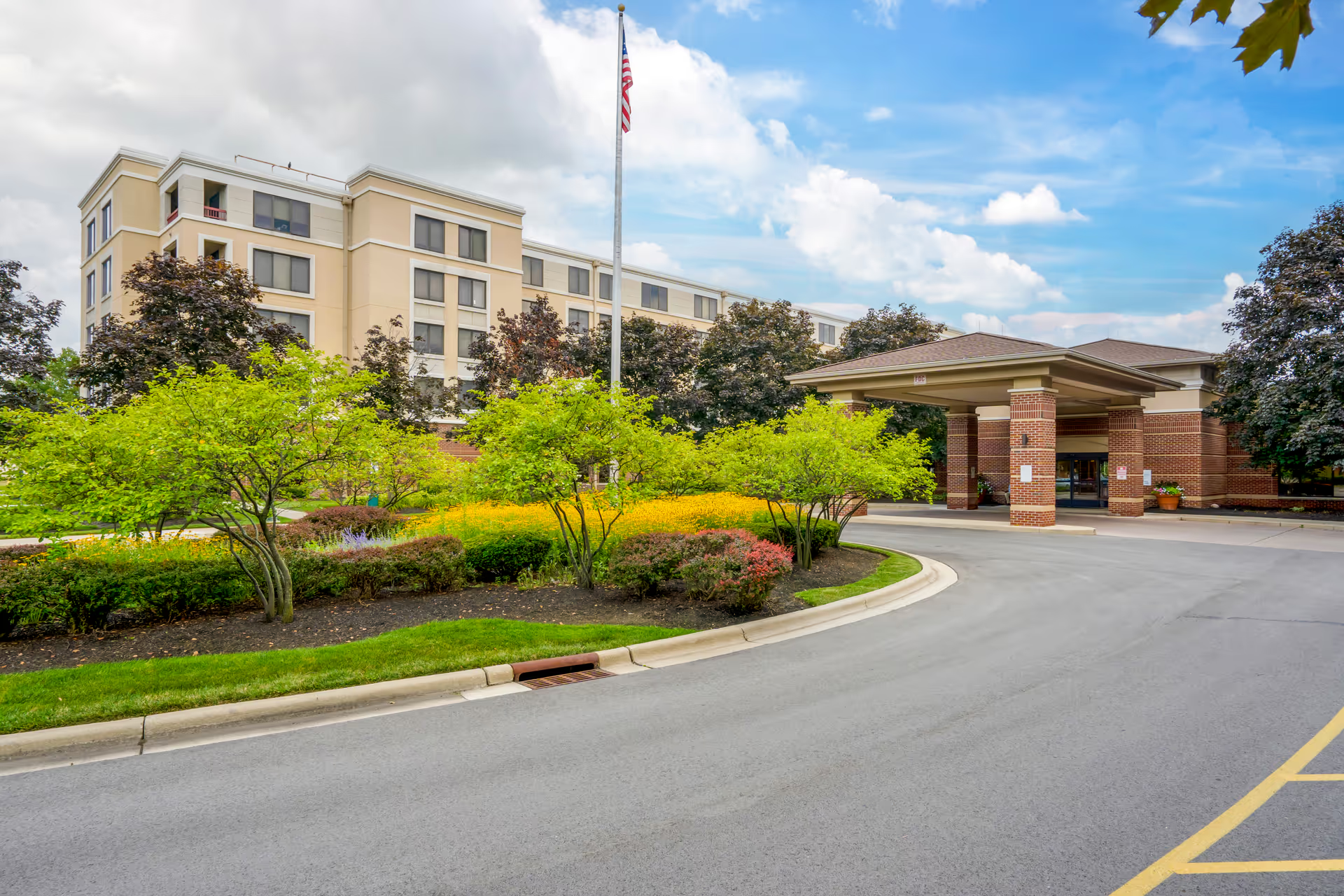
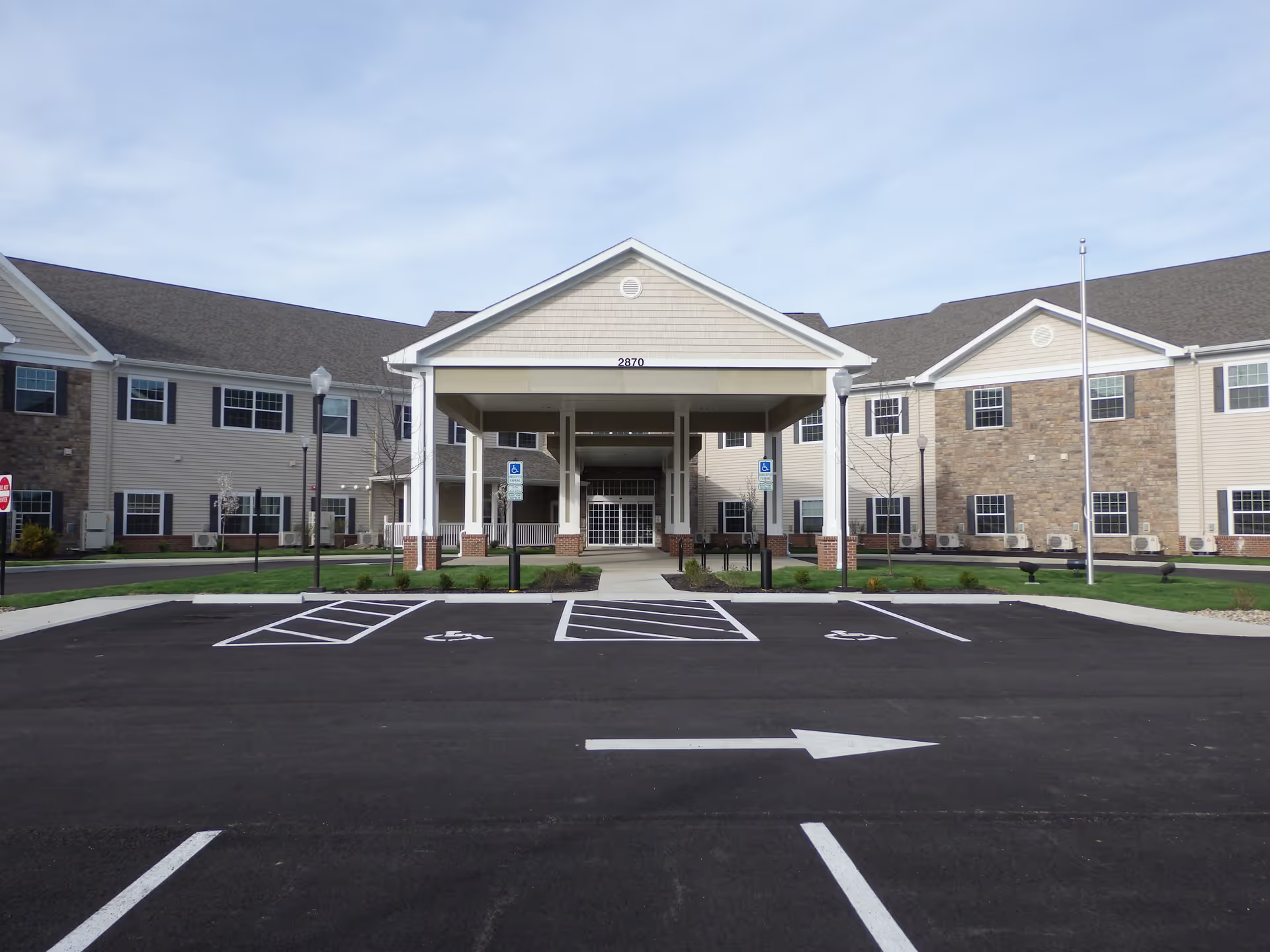
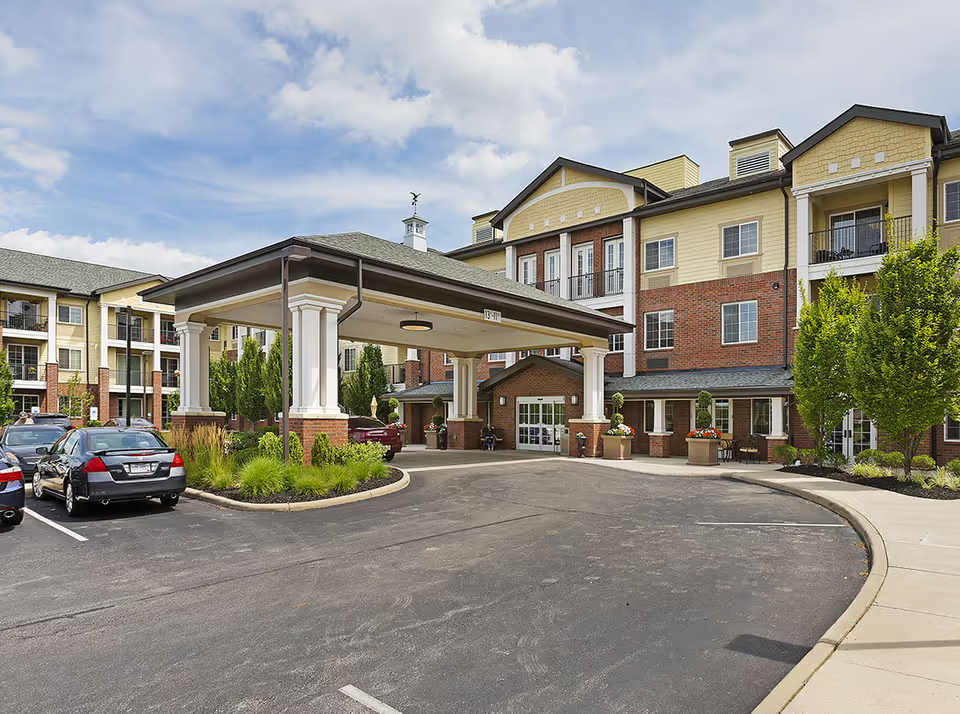
Overall impression: Reviews describe a facility with strong aesthetic and rehabilitative strengths but recurring operational and clinical inconsistencies. The Grand is widely noted for its new, well‑kept building and village-like design, along with an active therapy department and many on-site amenities. At the same time, a consistent pattern of concerns about staffing, clinical processes, and management responsiveness appears across reviews.
Care and staffing: Therapy (physical and occupational) is the most consistently praised clinical area; families describe measurable rehabilitation gains and engaged therapists. Many reviewers also describe caring and dedicated nurses and aides who provided attentive, compassionate care. However, those positives coexist with frequent comments about understaffing, high turnover, and variable clinical competency — particularly on evening and night shifts. Reviewers cited slow responses to call lights, inconsistent bathing and grooming schedules, and gaps in monitoring and documentation. Medication-management issues were noted, including delays in ordering or administering drugs and incomplete medication lists, which reviewers framed as an operational weakness rather than isolated events. There are also multiple references to incontinence-care delays and sanitation concerns concentrated in specific units.
Safety and care coordination: Several reviews raised concerns about safety-monitoring practices, including falls, inconsistent use of bed/external alarms, and unsecured exterior gates or exits. Families reported instances where care coordination and documentation (discharge instructions, wound care, vital-sign follow-up) were inconsistent. While some families described strong end‑of‑life attention and above‑and‑beyond nursing in final days, others reported poor follow-through after clinical events and slow or unhelpful responses from leadership when issues were escalated.
Dining, activities, and amenities: The facility’s amenities — a movie theater, ice‑cream shop, pub, beauty salon, and Main‑Street concept — are frequently cited as distinguishing features that enhance quality of life. Activity programming, holiday events, and live entertainment received positive comments. That said, reviewers also note variability in amenity availability (limited hours for retail-style venues, seldom-open pub or ice‑cream counter) and uneven activity engagement for some residents. Dining is generally described as accommodating for restricted diets and conducive to recovery, but meal quality and temperature were described as inconsistent on occasion, and some families noted constrained menu choices for certain therapeutic diets.
Management and communication: Admissions and sales staff generally receive favorable comments for responsiveness and helpful tours. In contrast, several reviewers expressed frustration with management, social work, or leadership responsiveness once a resident was admitted — citing delayed follow-up, defensive communication style, or difficulty getting timely answers. Appearance and marketing are seen as strengths, but some families feel clinical follow-through does not always match the facility’s public presentation.
Notable patterns and advice to prospective families: The dominant patterns are excellent rehabilitative services and an attractive, well‑appointed environment paired with variability in nursing reliability, night/evening coverage, medication handling, and safety monitoring. Prospective residents and families should verify current staffing ratios by shift, ask for details on medication-administration protocols and missing-medication safeguards, review incident and inspection records, clarify amenity hours and activity schedules, and inquire about night-shift oversight and alarm systems. A tour that includes the memory-care unit, a conversation with current nursing leadership, and reference checks from recent families can help assess whether the facility’s strengths align with an individual’s clinical and supervision needs.
Bottom line: The Grand offers a high-quality physical environment and strong therapy services that support rehabilitation and quality-of-life programming. These strengths can be offset by operational weaknesses in nursing coverage, medication management, safety monitoring, and communication. Families who focus on therapy outcomes and amenities may find the facility a good match, while those seeking consistently high levels of medical oversight and night‑shift reliability should perform targeted due diligence before committing.