Life Care Center of Elyria presents a mix of clear strengths and recurrent operational concerns. Strengths are most visible in the hands-on clinical and rehabilitative services: reviewers consistently describe effective physical and occupational therapy and supportive speech therapy that contributed to measurable recovery and successful discharges home. Nursing and direct-care staff are frequently characterized as compassionate, respectful, and relationship-oriented; families report staff who learn residents’ names, provide dignity-focused care, and create a warm, family-like atmosphere.
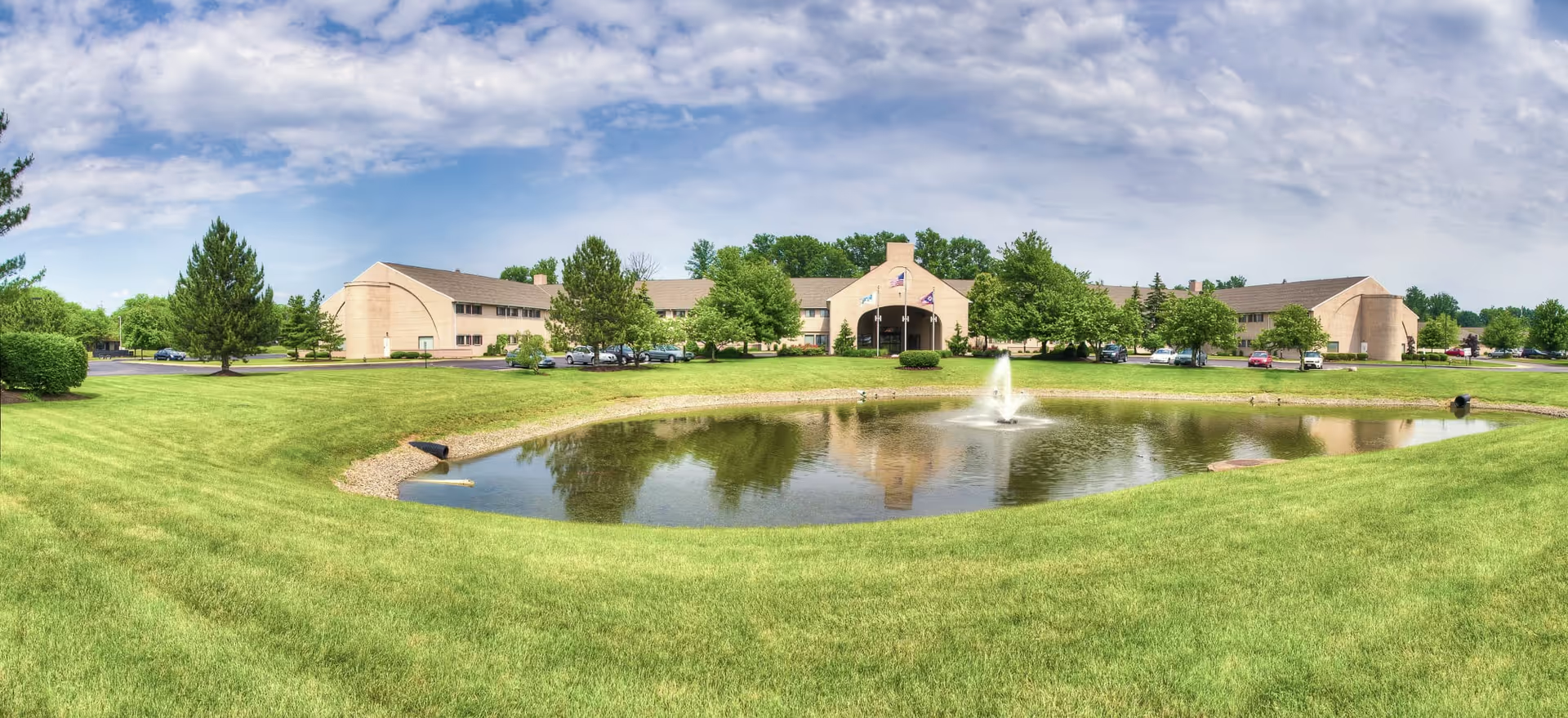
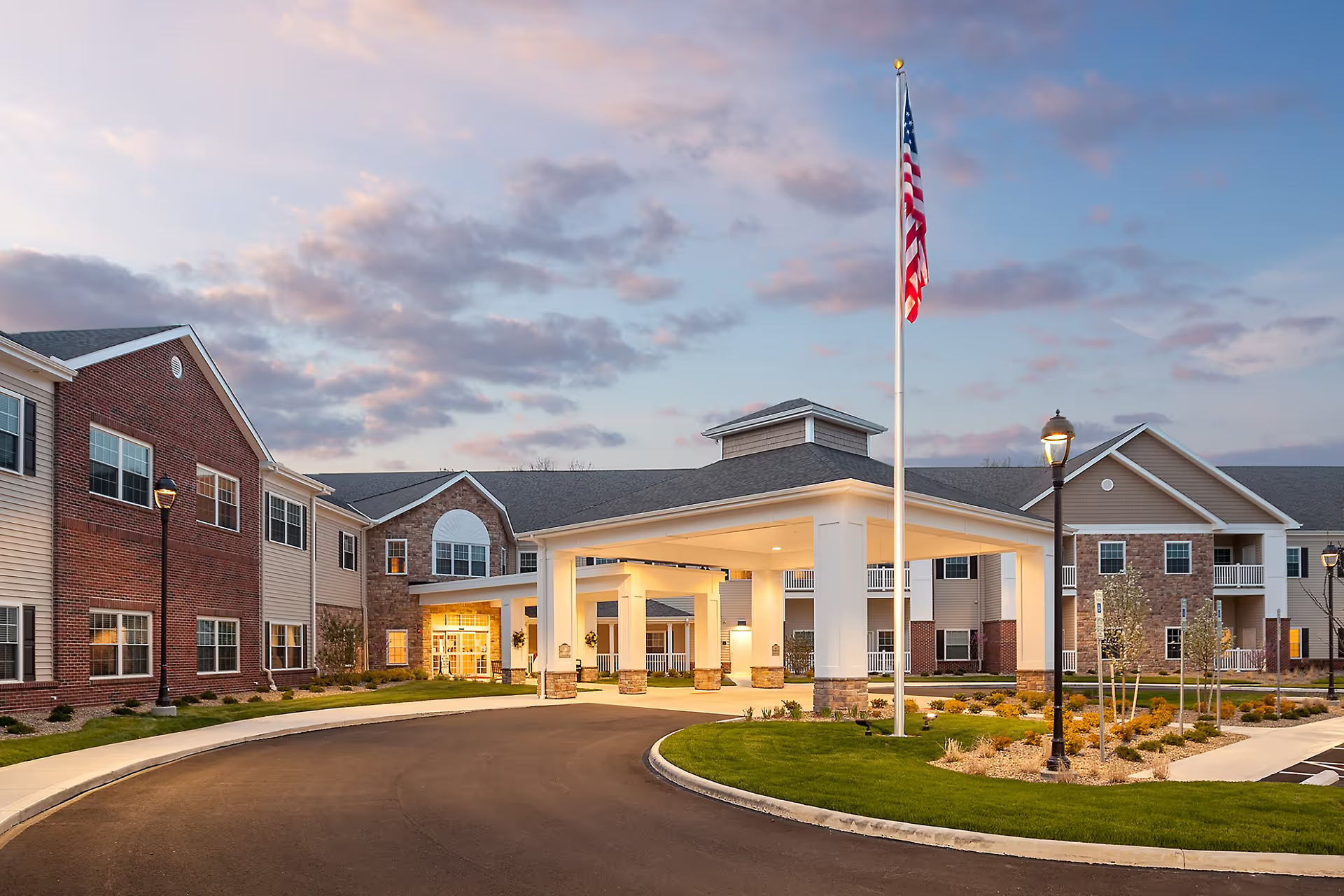
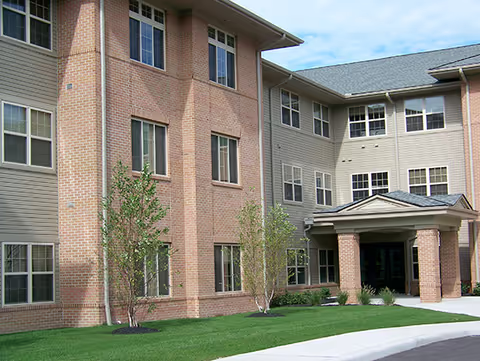
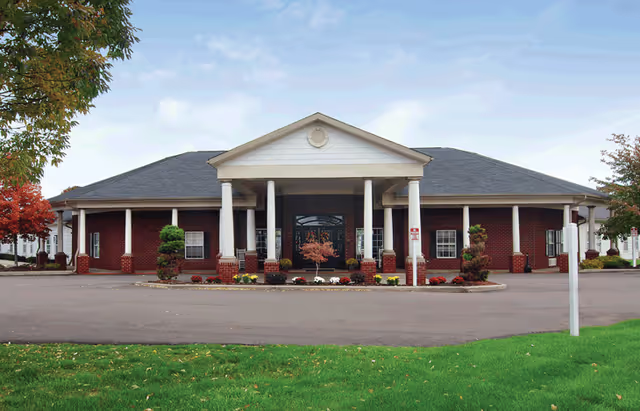
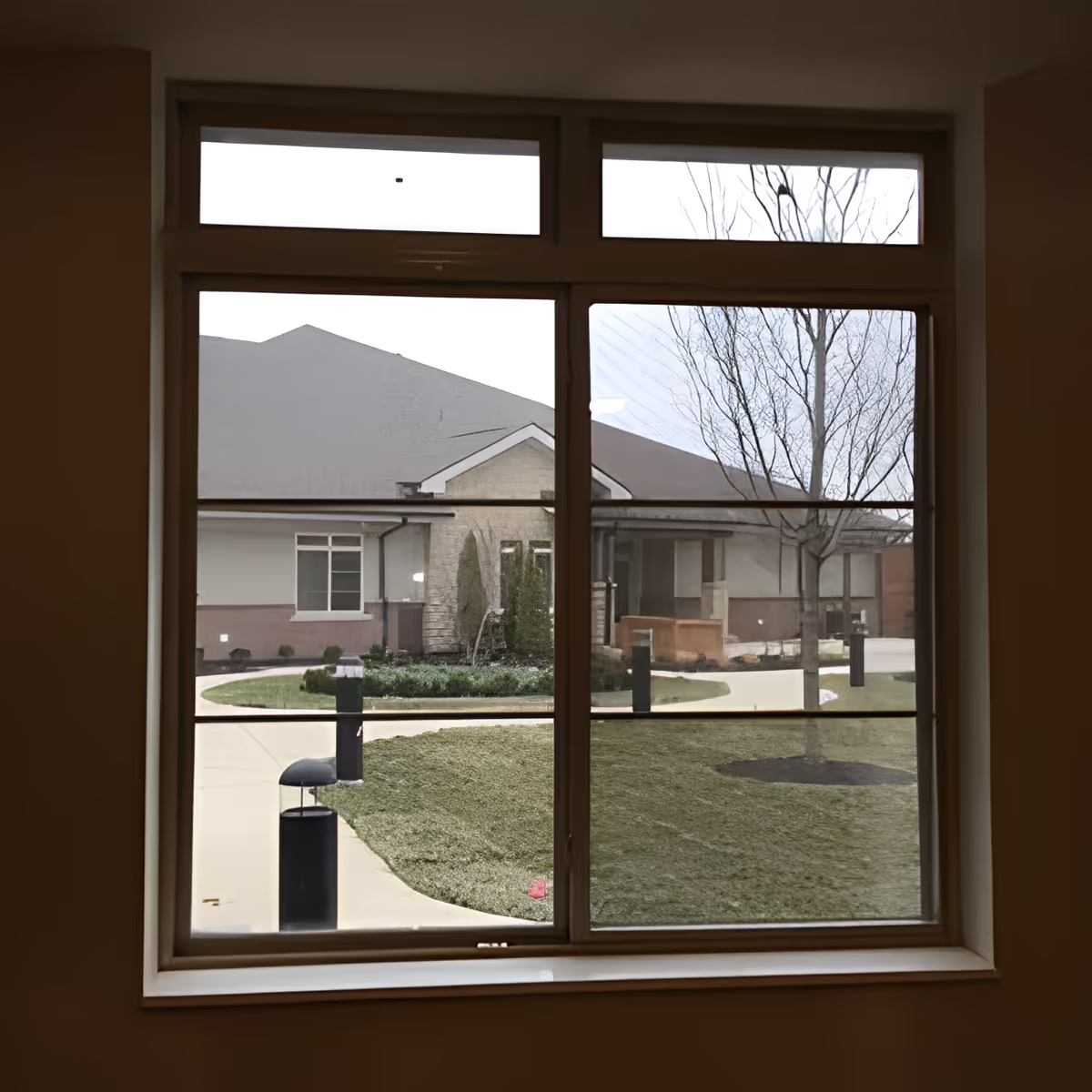
The facility itself is generally described as clean, well maintained, and attractive, with accessible design features such as wide hallways and large showers that facilitate mobility and wheelchair use. Housekeeping and common areas receive positive comments, and the campus includes pleasant outdoor spaces. Programming and activities are active and varied; residents and families note organized events, a resident council, and busy activity schedules that support social engagement.
Areas of operational concern recur across reviews. Staffing levels and on-shift coverage are described as inconsistent, and that appears to contribute to delayed responses to call buttons and alarms. Several families described delays in routine checks and in attending to resident needs; reviewers framed this as a responsiveness issue rather than a lack of compassion. Medication administration timing and the clarity of medication explanations were reported as variable, with some families noting erratic schedules and insufficient education about changes in prescriptions.
Dining and dietary processes show a pattern of inconsistent quality and execution. Common complaints include food served at incorrect temperatures, inconsistent seasoning or preparation, and failure to consistently honor documented dietary restrictions. Additionally, logistics around personal-property handling and discharge coordination emerged as a notable weakness: families described difficulty accounting for belongings after transfers and discharges, and there were examples of communication breakdowns when items were missing or when off-site retrieval was required.
Clinical oversight and care coordination show mixed impressions. While nursing and therapy teams are often praised for bedside care, reviewers also described limited physician availability and irregular rounds, leading to perceptions of insufficient clinical oversight in some cases. Relatedly, gaps in inter-staff communication and operational coordination — including transportation logistics for external appointments — were described as creating inefficiencies or added family burden.
In sum, Life Care Center of Elyria appears to provide strong, rehabilitation-focused care within a clean and supportive environment, driven by many compassionate frontline staff. Prospective residents and families should weigh these strengths against recurrent operational issues: inconsistent staffing and responsiveness, variable medication and meal execution, and weaknesses in personal-property and discharge processes. For those prioritizing skilled rehab services and a personable care culture, the facility has demonstrable assets; for those who need consistently prompt responsiveness, strict dietary adherence, or tightly managed discharge logistics, it would be prudent to discuss staffing patterns, call-response metrics, physician-visit schedules, and property-accounting protocols with facility leadership before admission.