Overall impression: Reviews present a mixed but coherent picture. Multiple accounts praise the caregiving team and the facility’s small, homelike environment, emphasizing compassionate, attentive staff and a sense that some residents experience measurable improvement in wellbeing. At the same time, operational weaknesses — particularly around communication, laundry, and consistency of basic services — emerge as recurring concerns.
Care and staff: Care quality is described positively by numerous reviewers who characterize staff as compassionate and willing to go beyond baseline duties. Nursing and frontline caregivers are frequently identified as a strength, with several accounts noting attentive, supportive interactions that contribute to residents’ comfort and recovery. However, reviews are inconsistent about staff conduct: while many describe friendly, dedicated personnel, others describe episodes of poor communication or curt interactions. This suggests variability in staff behavior and a potential need for more consistent training or supervisory oversight to standardize resident- and family-facing communication.
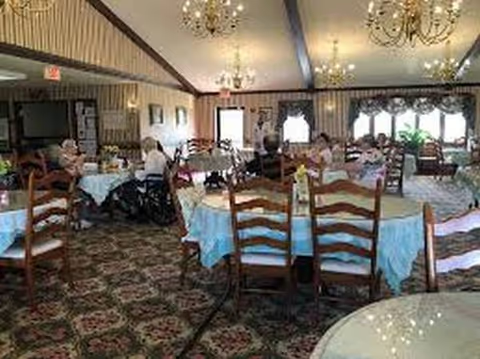
Dining and activities: Dining impressions are mixed. Some reviewers report generous meal portions and full trays, while others express dissatisfaction with food quality. This indicates variability in meal preparation or menu satisfaction that could affect resident nutrition and morale. Reviews do not provide substantial detail about scheduled activities or engagement programming; the absence of commentary suggests activities are not a prominent differentiator in available feedback and may warrant clearer description by the facility to prospective families.
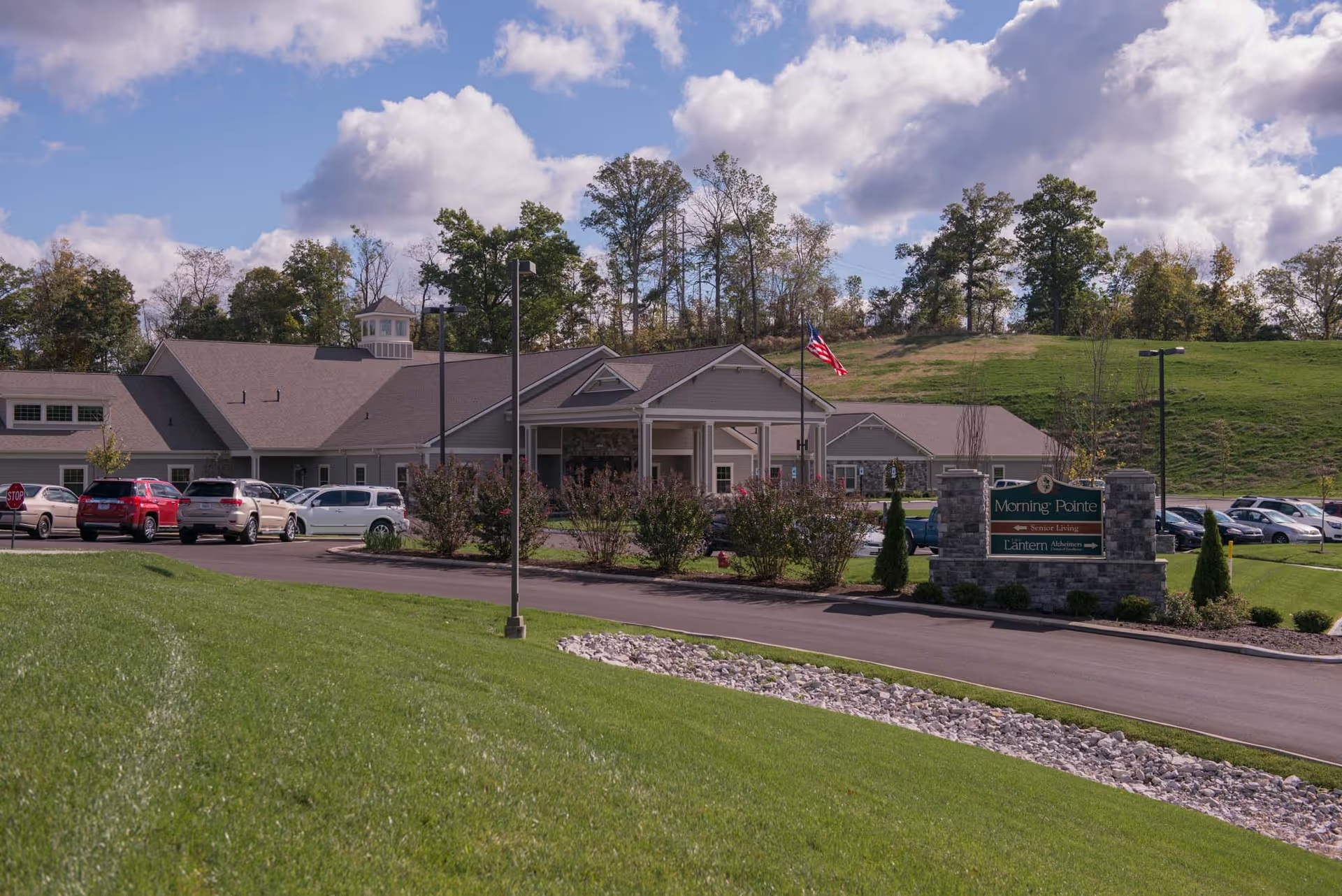
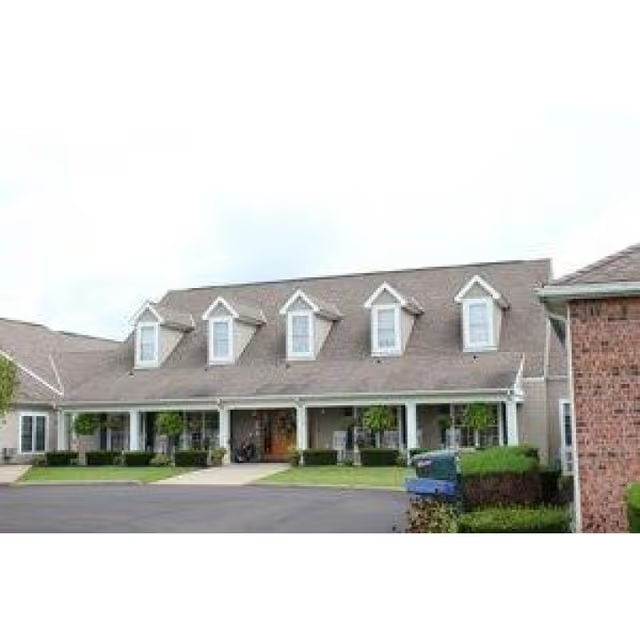
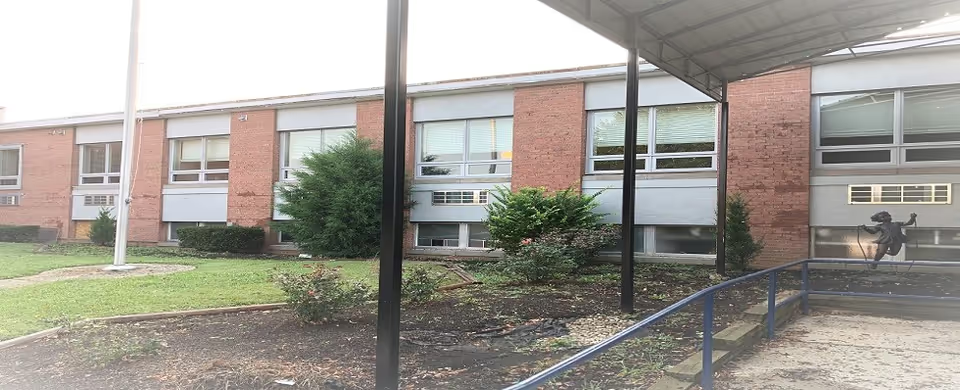
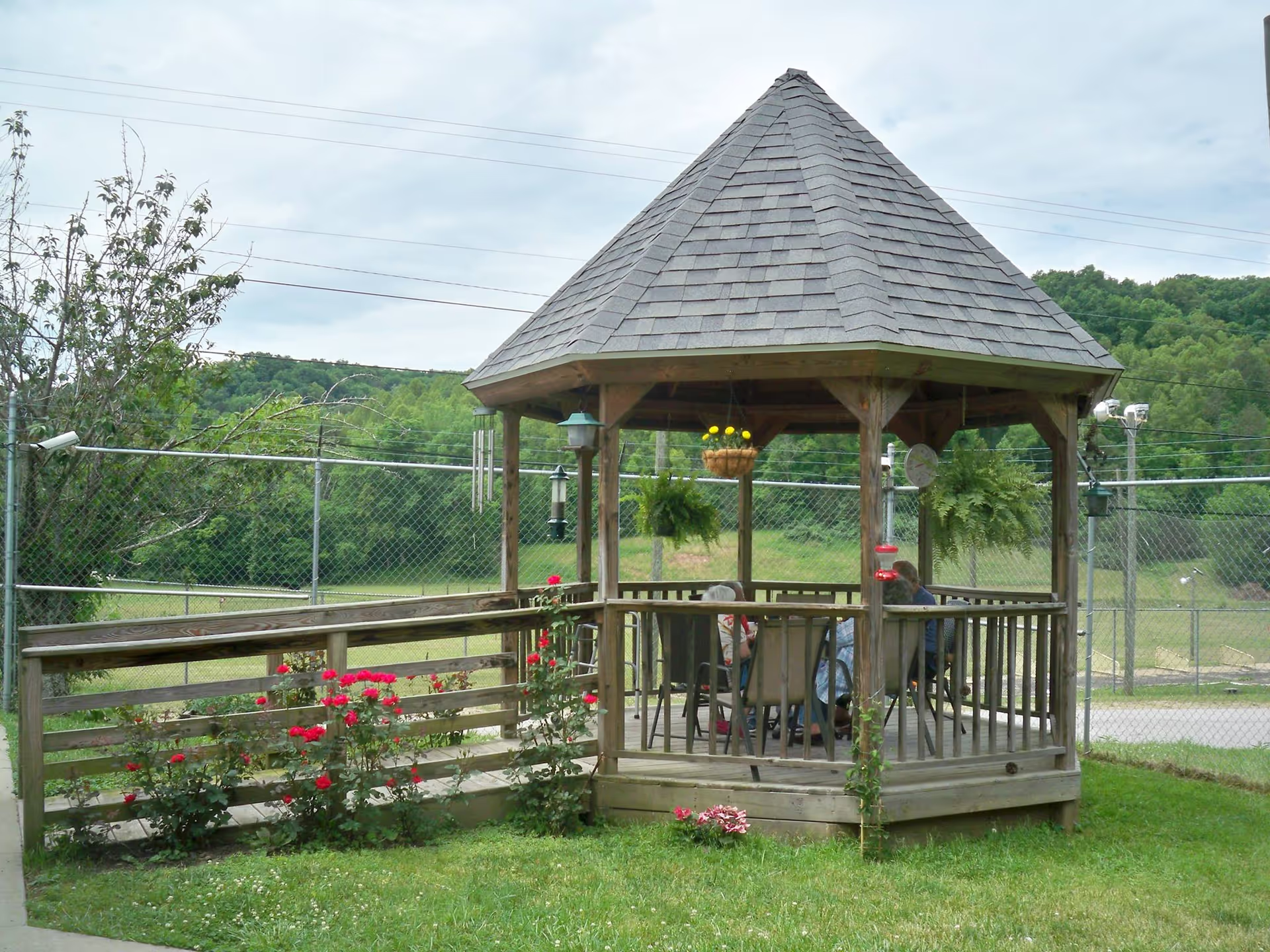
Facilities and equipment: The facility’s small size and home-like environment are repeatedly cited as positives. Cleanliness is described positively in several accounts, yet other reviews raise specific sanitation and housekeeping concerns; this points to inconsistent cleanliness standards across units or shifts rather than a uniform condition. Reviewers also raised issues with aging assistive devices and lifting equipment, which may affect transfer safety and staff workflow; equipment renewal and preventive maintenance would address these operational risks.
Management and communications: Communication and logistics are a notable operational gap. Several reviews describe limited in-room phone access and the need for staff-mediated calls, along with insufficient assistance for residents setting up or using personal phones. Laundry and personal-item tracking problems were also reported, indicating process and inventory-control weaknesses. Together, these issues suggest opportunities to improve resident autonomy and family access through clearer policies, upgraded in-room communication options, staff training on technology assistance, and stronger laundry-tracking procedures.
Notable patterns and recommendations: Prospective residents and families will likely appreciate the facility’s compassionate staff and homelike scale. At the same time, they should ask targeted questions about housekeeping schedules, laundry procedures, equipment maintenance, dining menus, and in-room communication options. Management could address recurrent concerns by standardizing housekeeping protocols, implementing laundry tracking systems, investing in assistive-equipment updates, and improving staff training on resident communication and technology assistance to reduce variability in the resident experience.