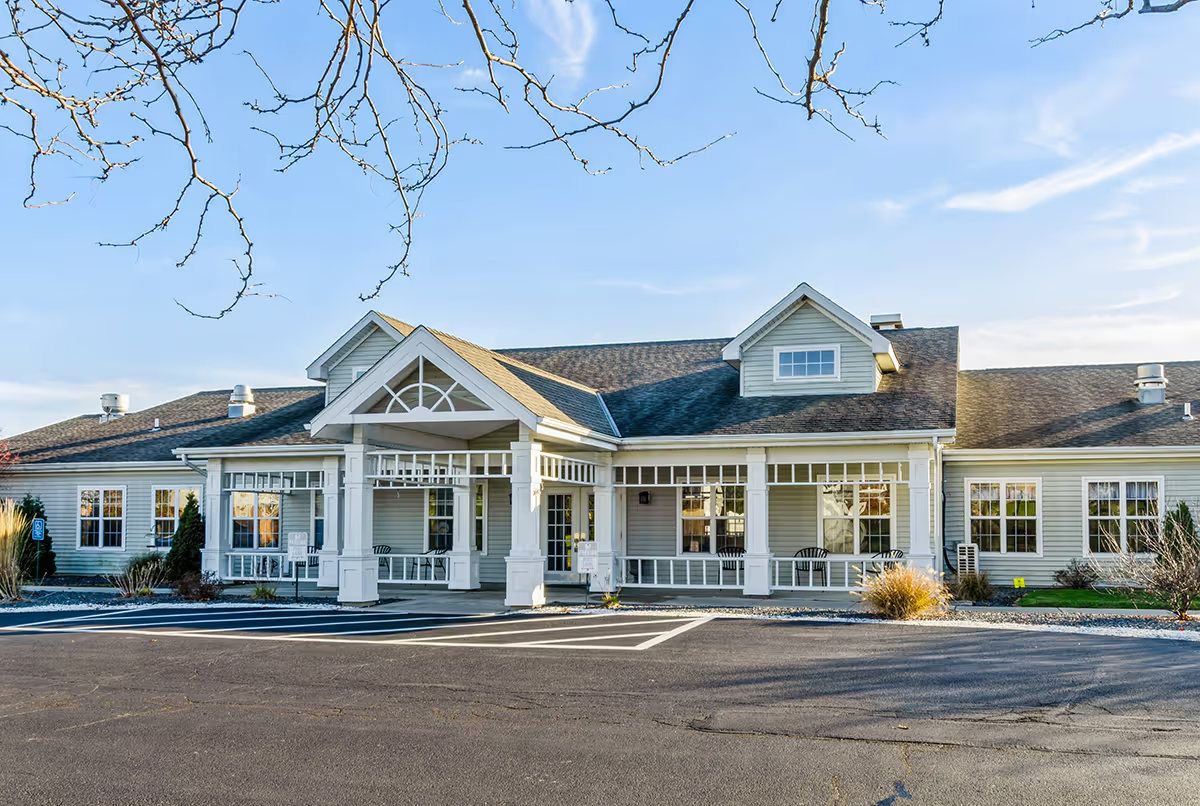
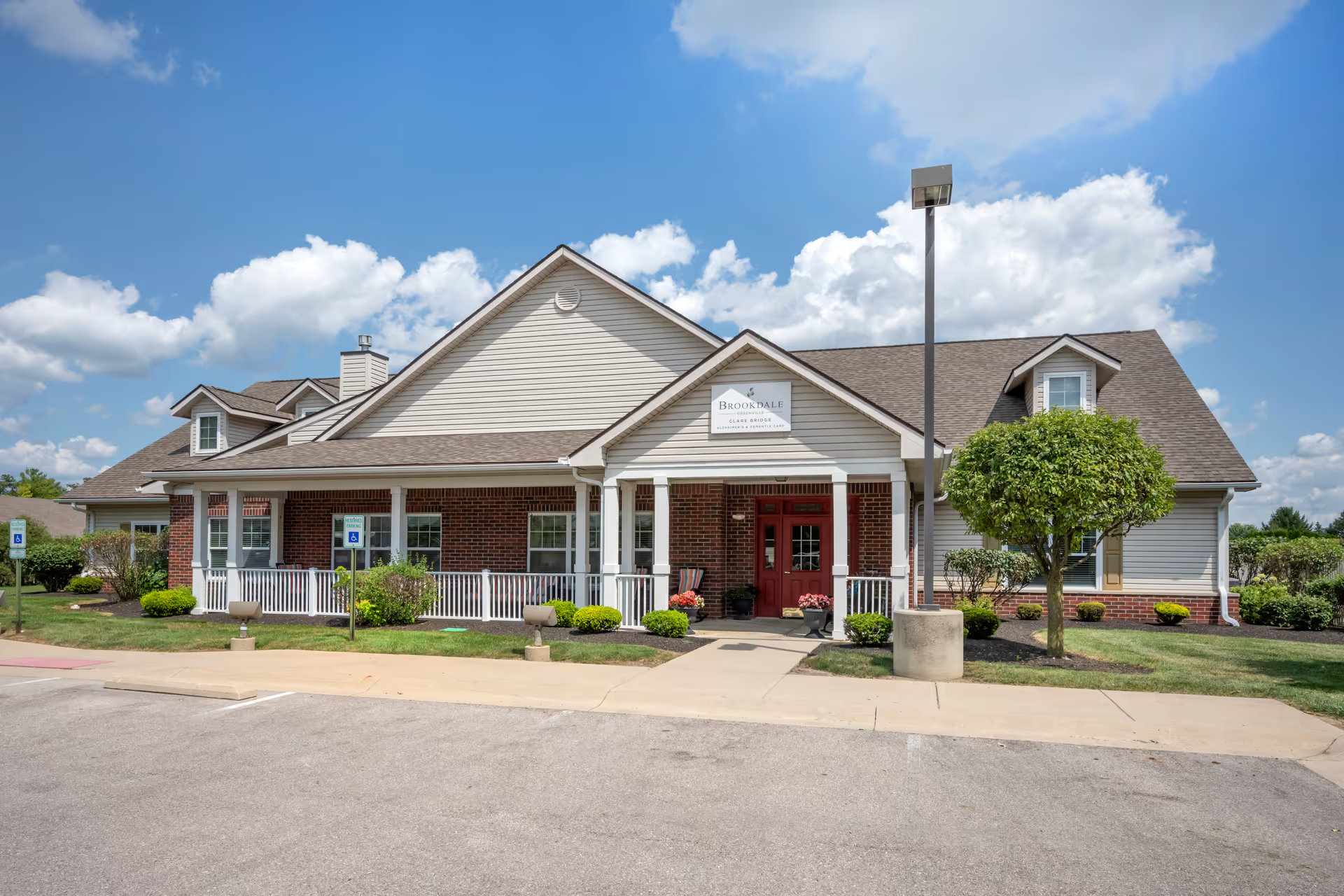
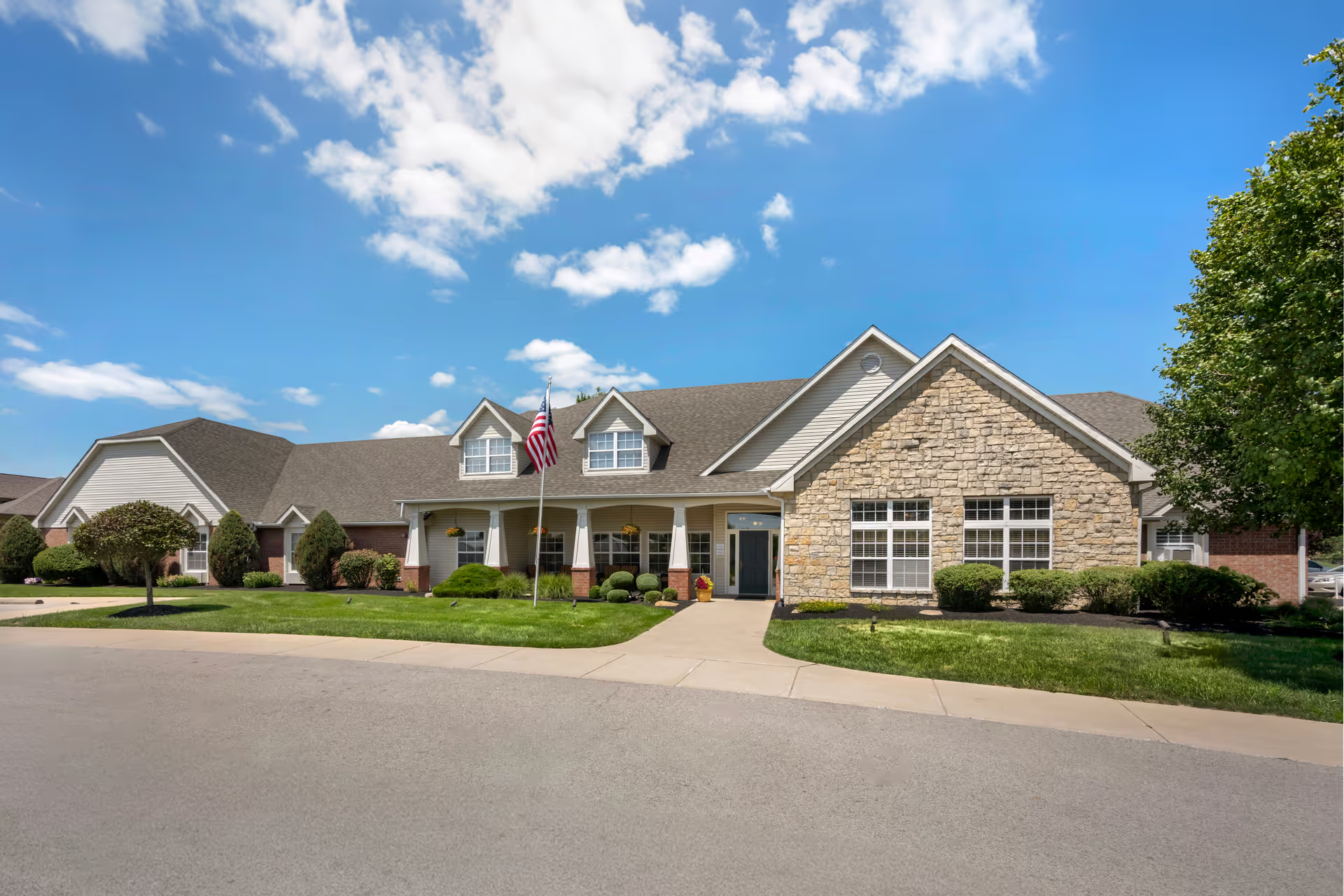
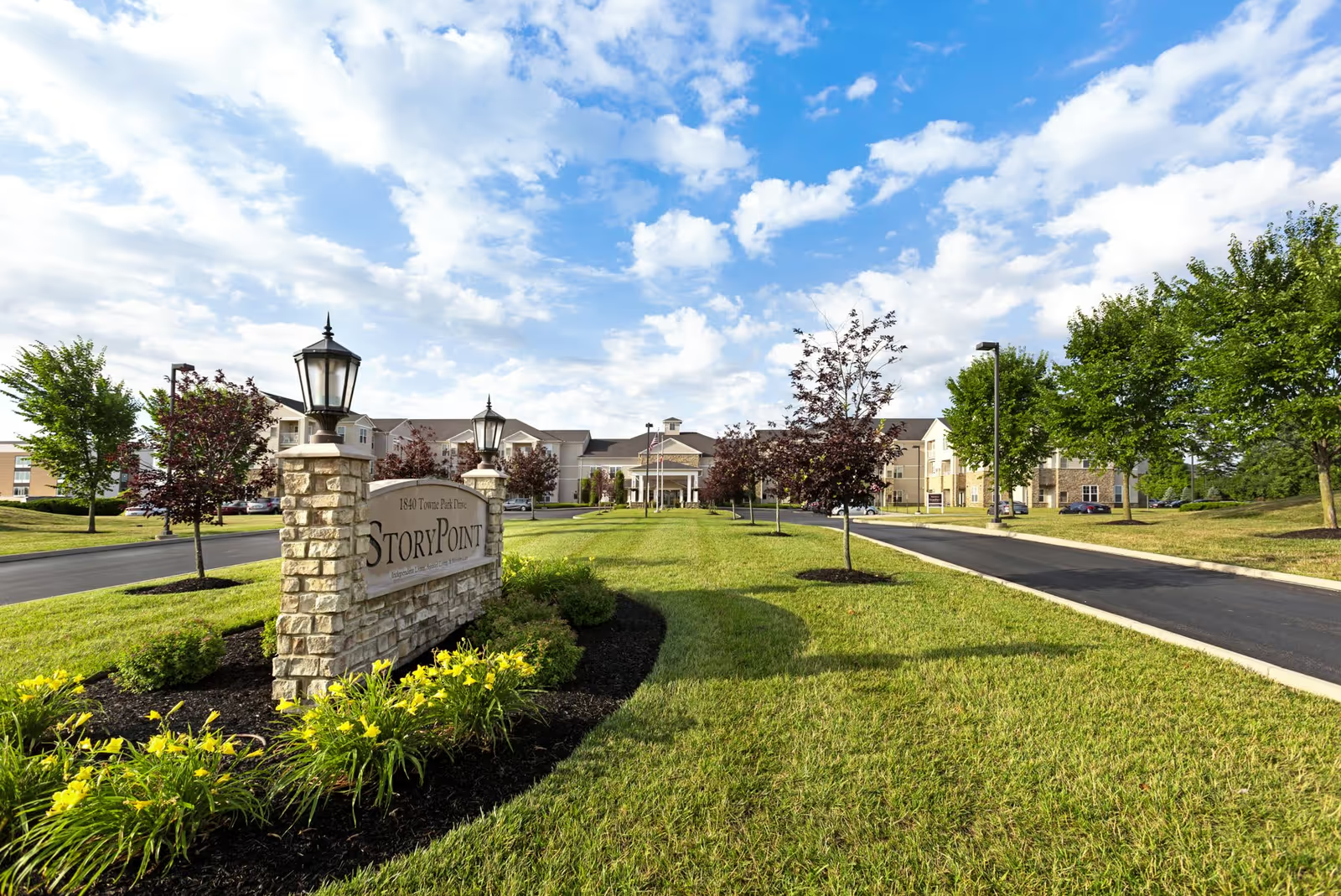
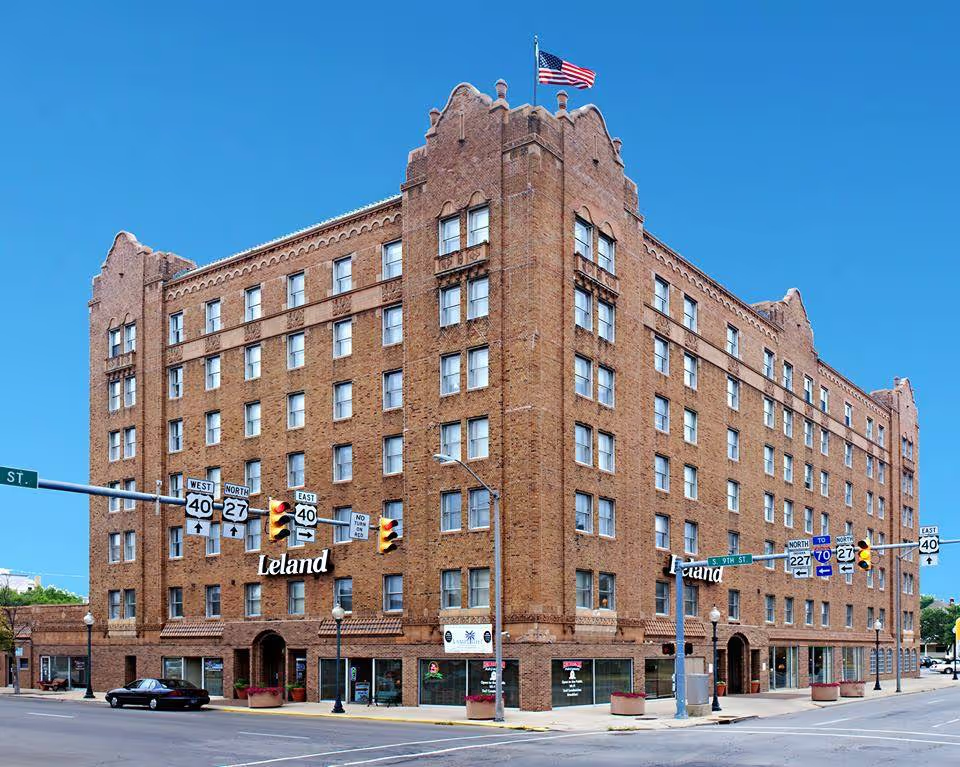
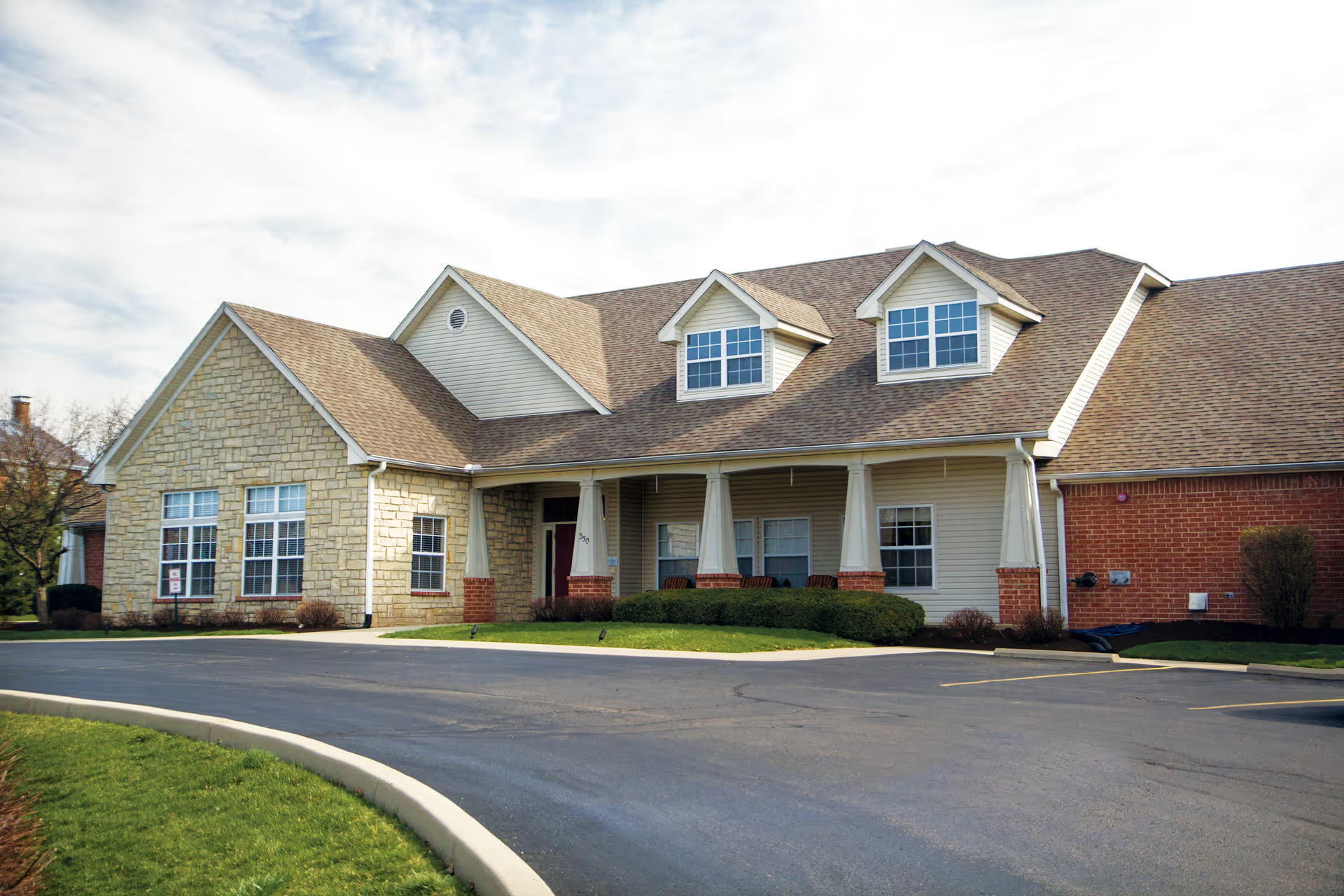
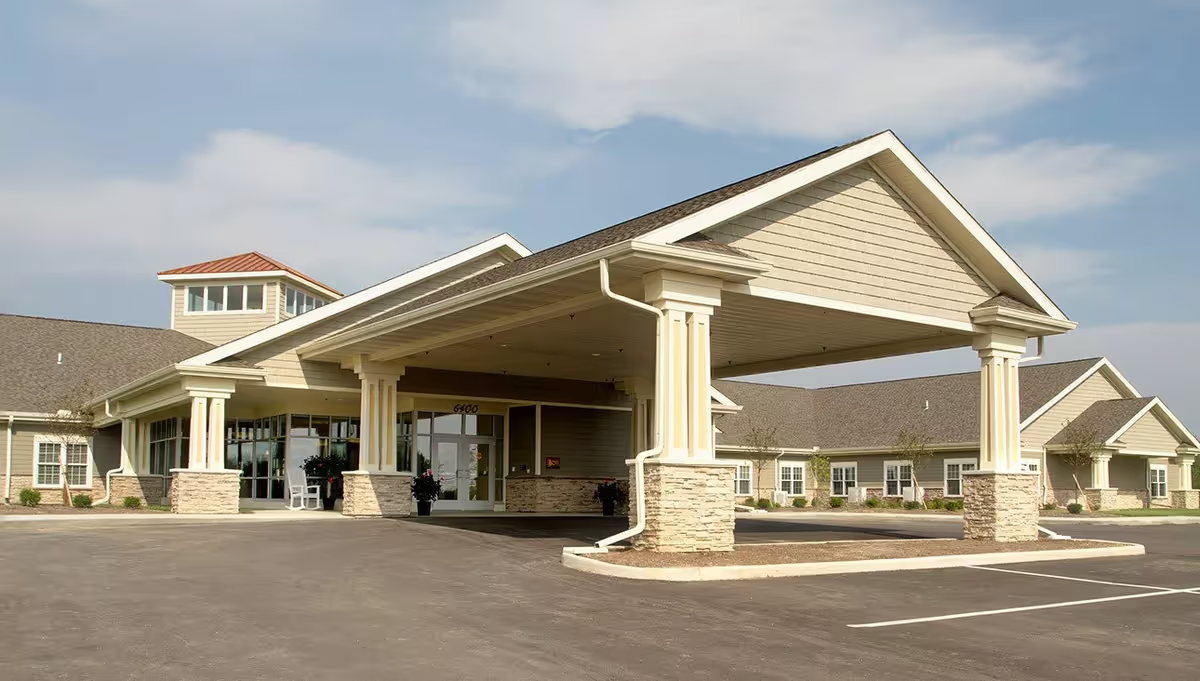
Reviewers describe a facility with clear strengths but also persistent operational concerns. Many families and residents praise the caring nature of frontline staff and highlight strong nurse leadership; specific nurses, directors, and HR personnel are frequently named as positive contributors. Common areas, the lobby, and the grounds (including a pond area) are often described as attractive, well maintained, and conducive to socializing. Several reviewers said the community provided meaningful social connections and a home-like environment, and memory-care programming and activity leadership received positive attention.
Care and staffing present a mixed picture. Positive accounts emphasize compassionate, knowledgeable caregivers and an ability to respond quickly to issues when staffing is adequate. However, a recurring theme is inconsistent staffing levels and high turnover, which families link to delays in routine care and reduced time for individualized attention. Concerns about staff conduct and communication tone also appear across reviews; some families reported interactions that felt dismissive or inadequately explained, and some described perceived favoritism and supervisory inconsistency. These issues are tied in several comments to morale and personnel practices.
Dining receives both praise and criticism. Many reviewers liked the food quality, variety, and dining leadership, and some noted improvement in offerings. Conversely, there are operational gaps: inconsistent meal supervision, dining rooms mixing residents with different acuity levels without sufficient staffing, and limited availability of condiments or other table services. These patterns can make mealtimes less comfortable for residents with higher care needs.
Activities and social programming are often cited as strengths—an engaged activity director, clubs, and family-friendly events were noted—but reviewers also mention variability in frequency and breadth of offerings. Some families appreciated the available programming and community spaces; others thought activity options were limited or inconsistently delivered, a gap that often correlated with staffing constraints.
Facility maintenance and cleanliness show divergence. Many reviewers described clean, inviting common spaces and timely maintenance responses, while others raised sanitation and odor-control concerns in certain residential areas and noted pest-control concerns that they felt were not fully resolved. Room finishes were described as adequate but somewhat dated in places. Operational issues such as lost linens or laundry management shortcomings were also noted.
Management and administration evoke mixed impressions. Positive remarks point to accessible administrators and helpful HR staff; several reviewers felt leadership handled individual issues well. At the same time, other comments describe managerial inconsistency, perceived punitive personnel policies, and contentious supervisory dynamics that have contributed to staff departures. A small number of reviews cited serious individual concerns, including family complaints following a resident's death, which some families felt warranted external oversight.
Overall, experiences are polarized: many families report high satisfaction with care, social life, and the community environment, while others describe systemic operational weaknesses tied to staffing, sanitation control, and supervisory practices. Prospective residents and families should plan an in-person tour, speak with current residents and family members, and ask specific questions about staffing ratios, turnover, incontinence and pest-control protocols, dining supervision, laundry procedures, and how management addresses complaints and disciplinary policies.