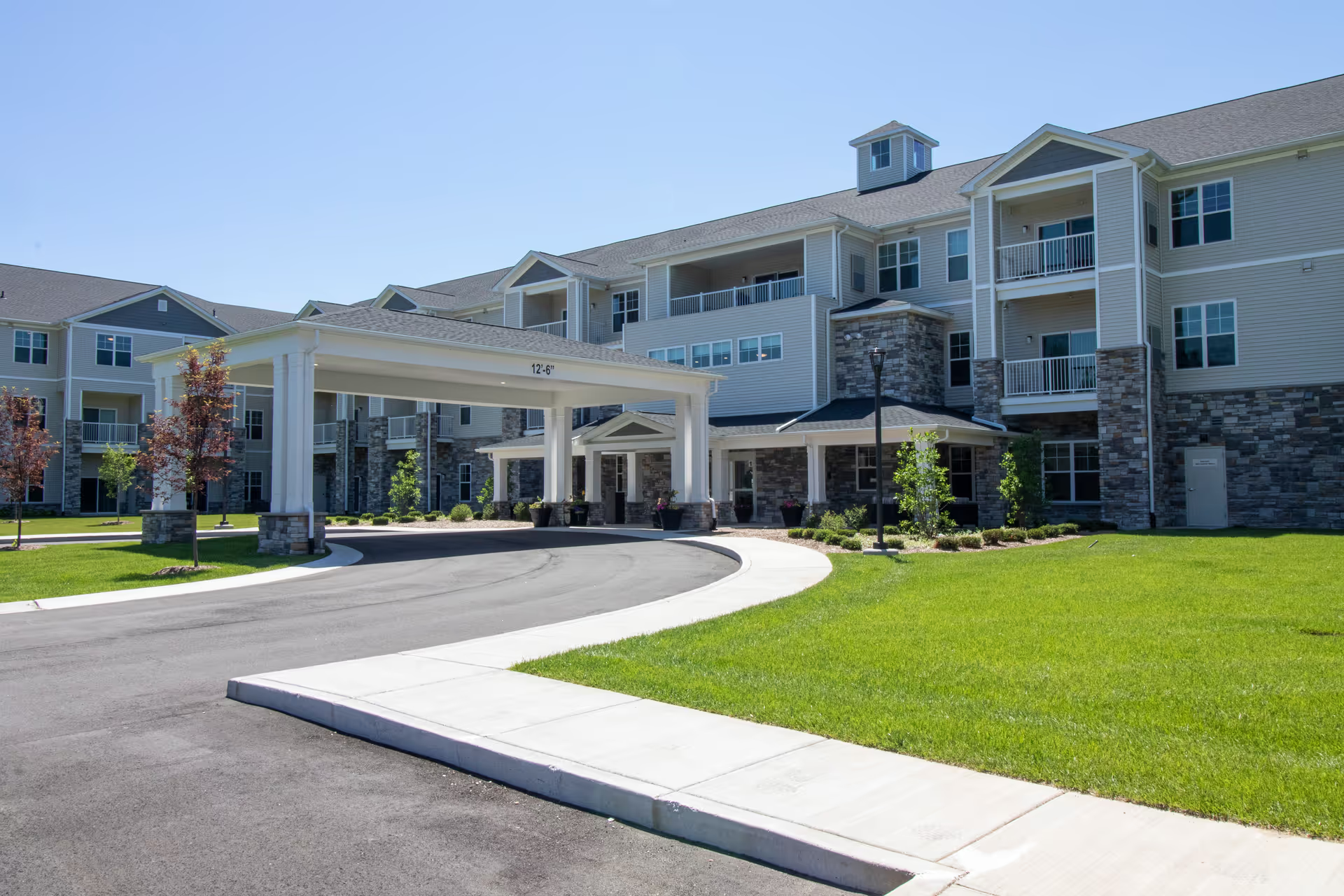
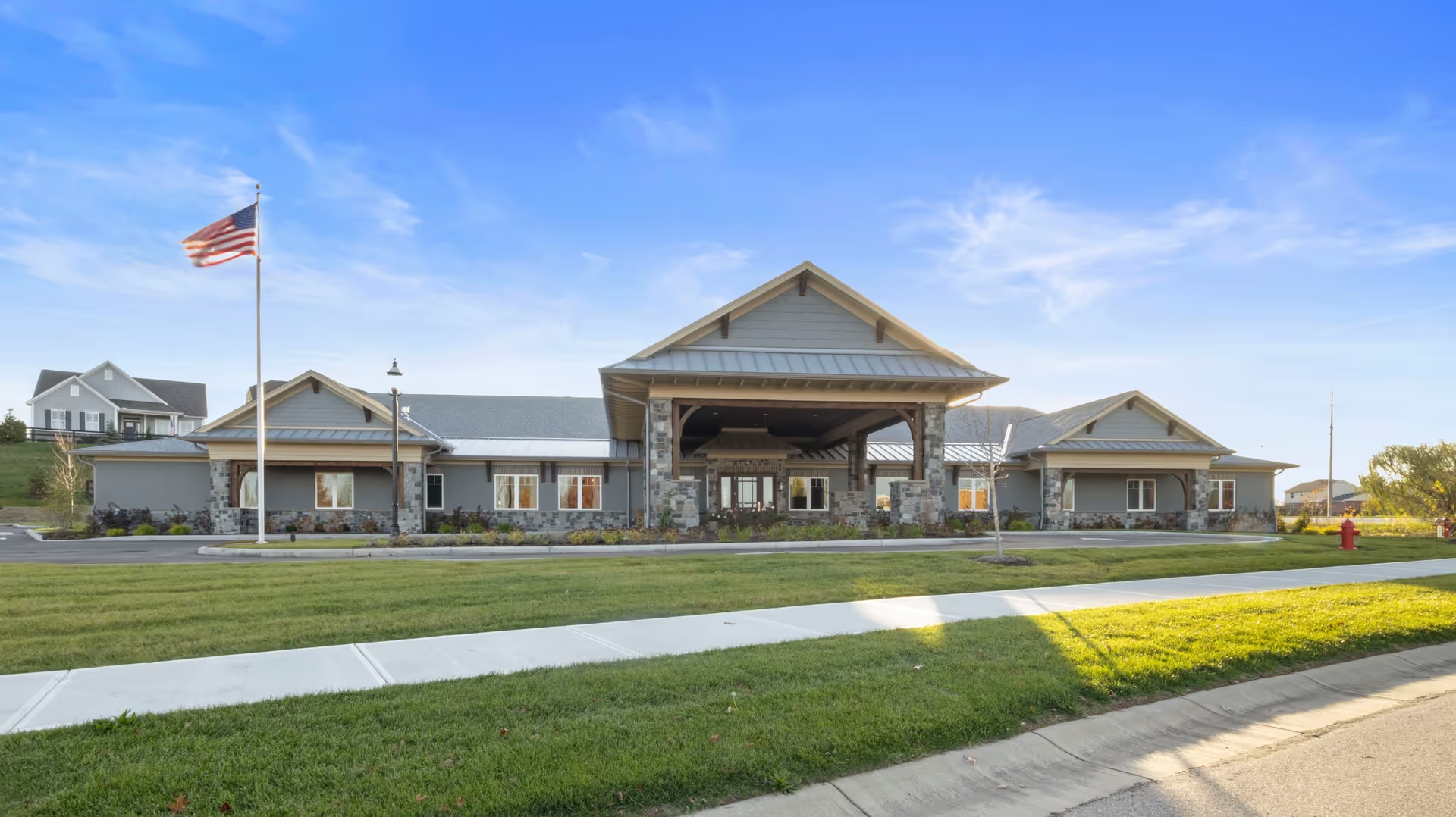
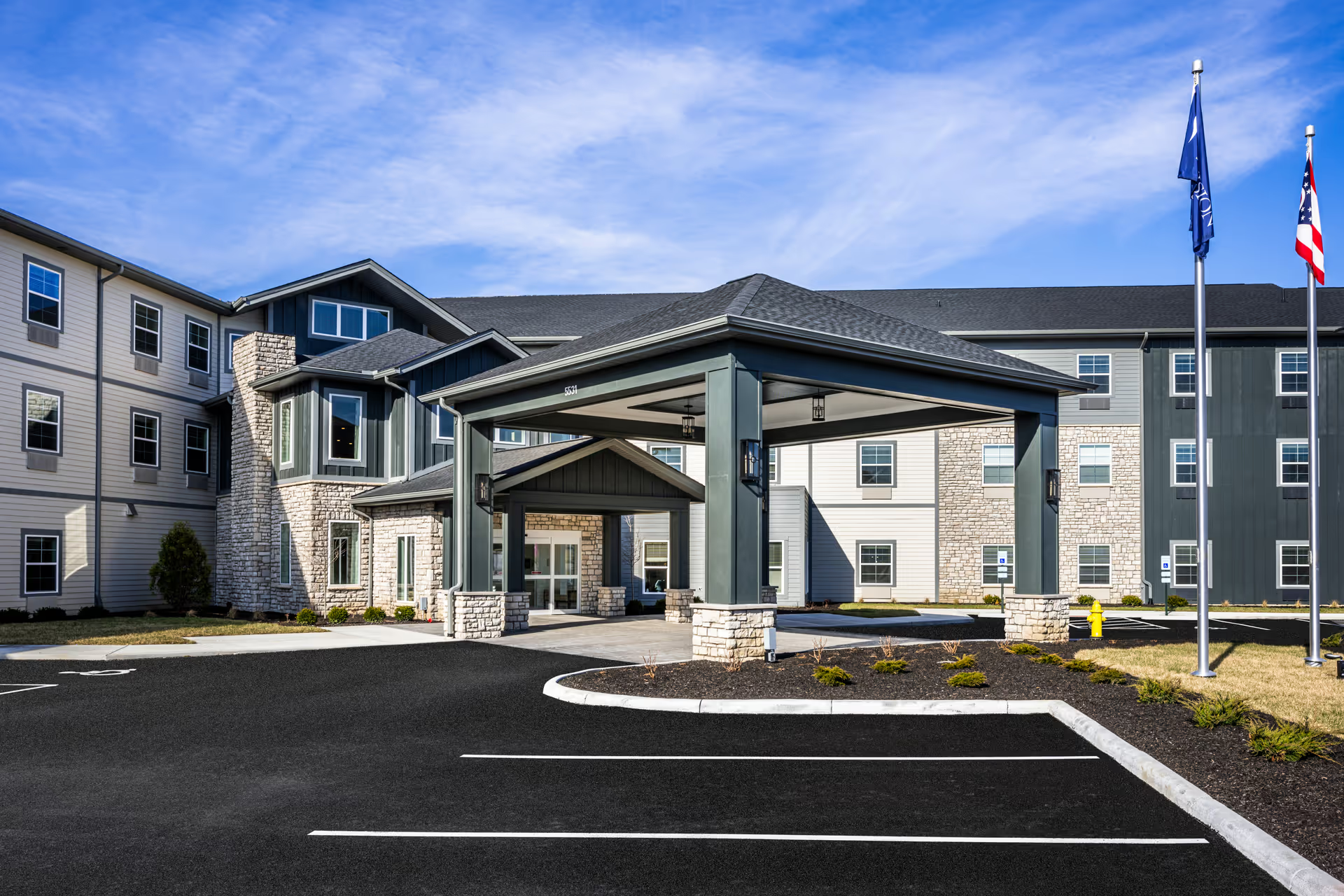
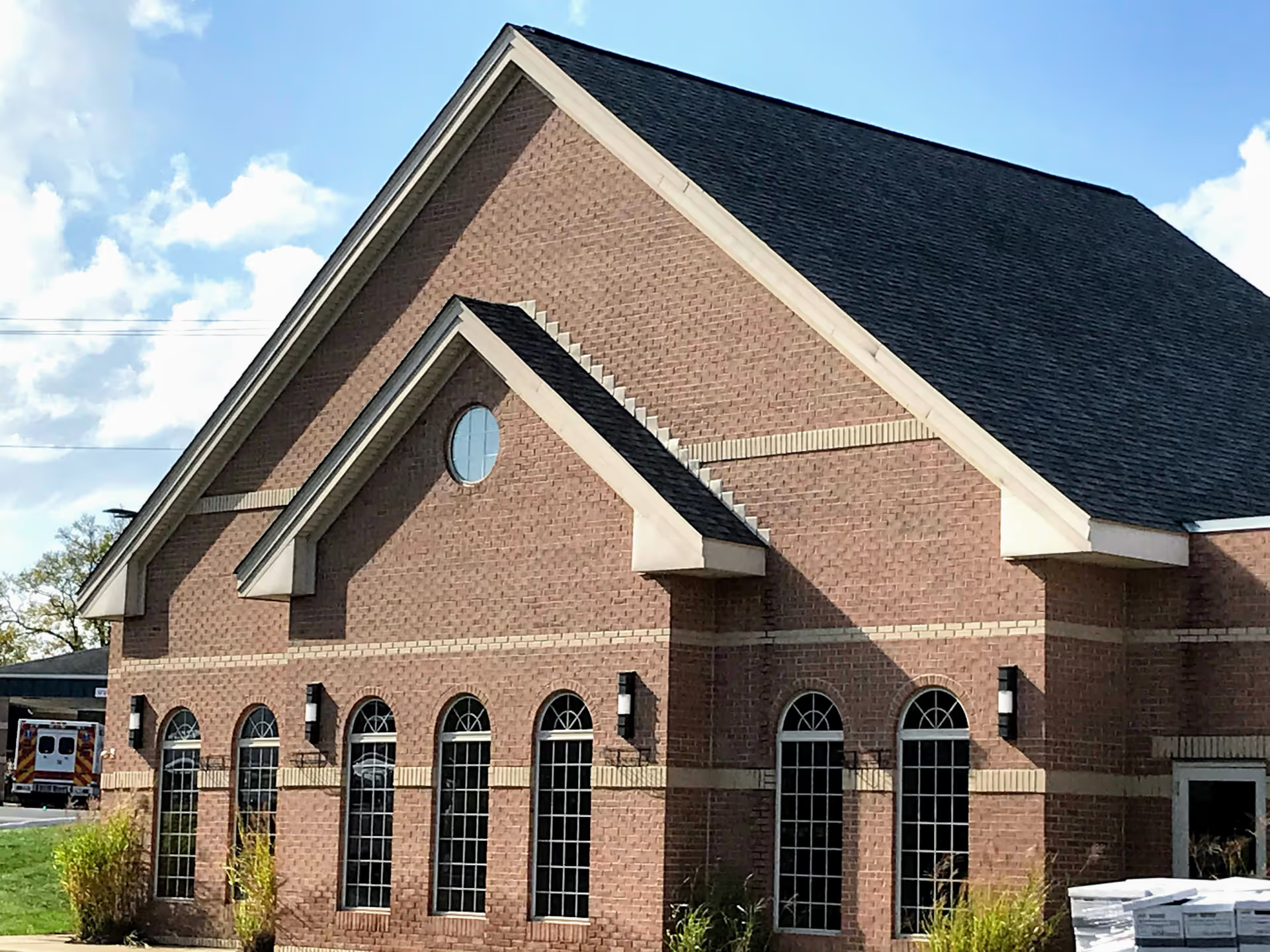
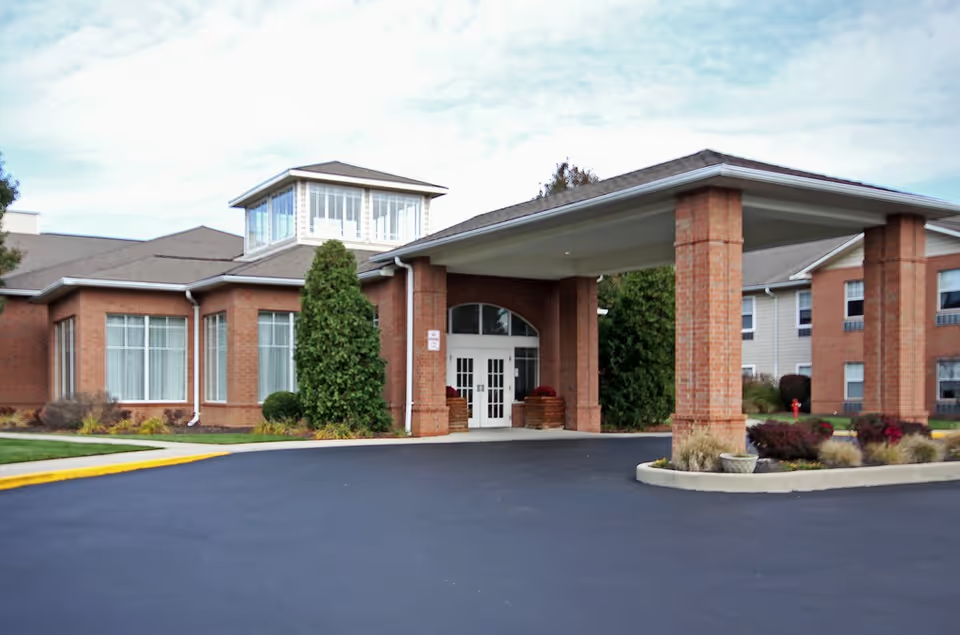
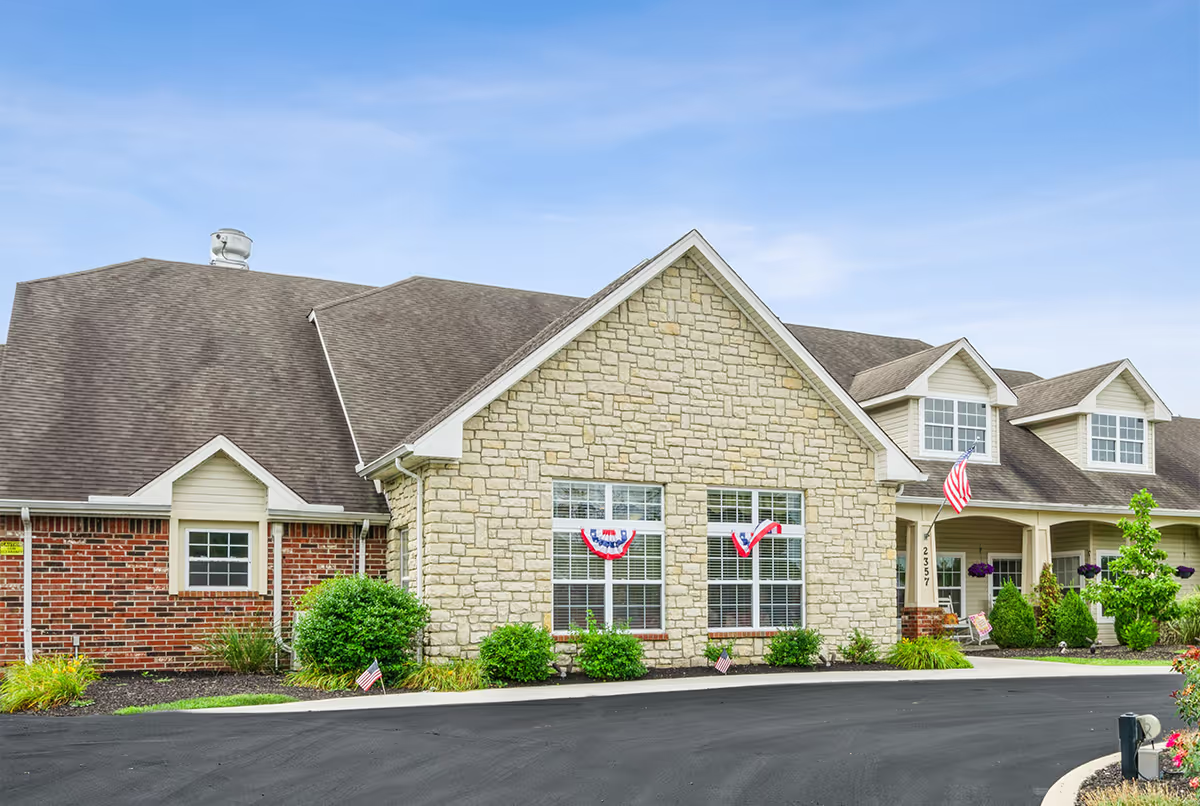
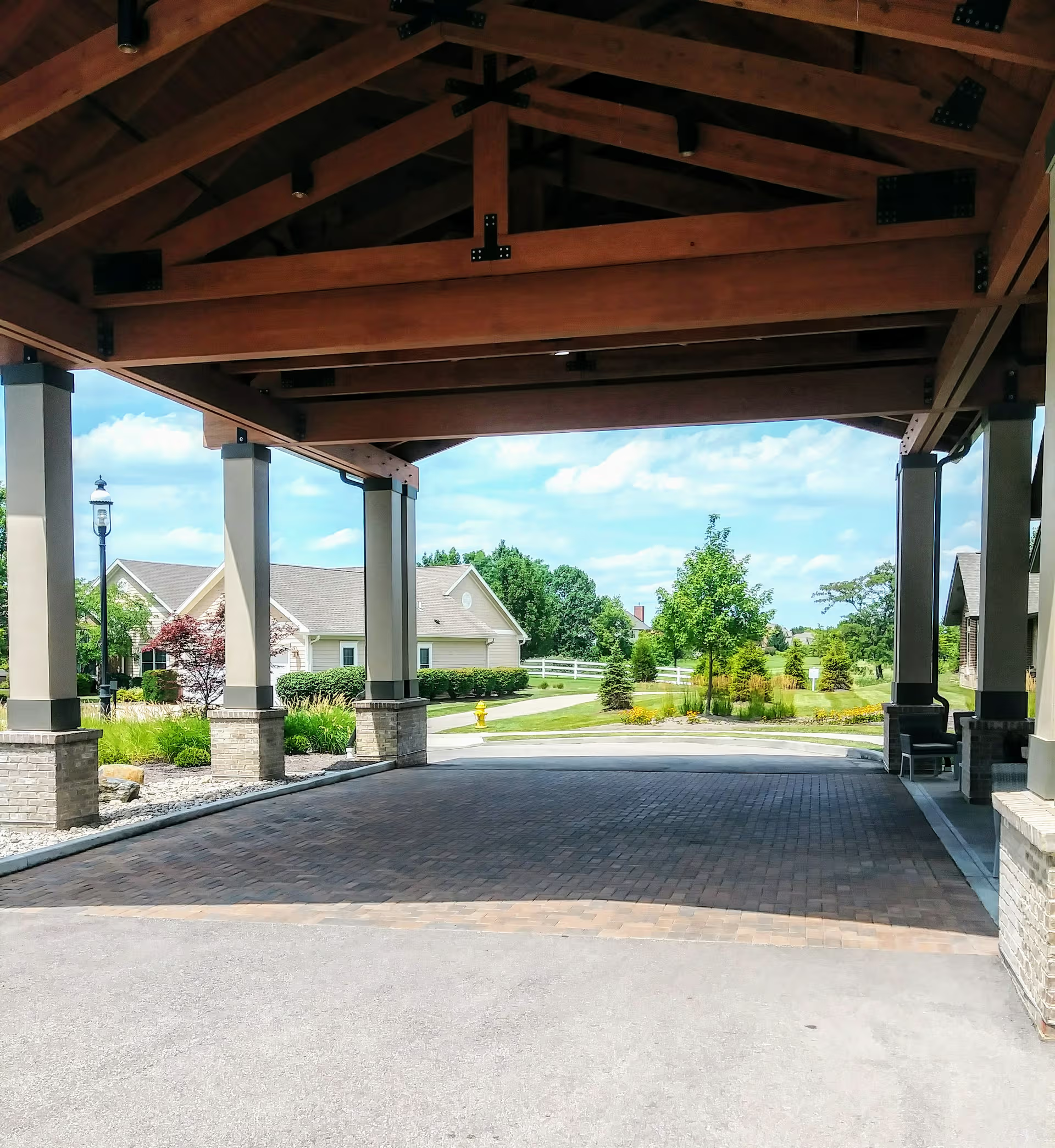
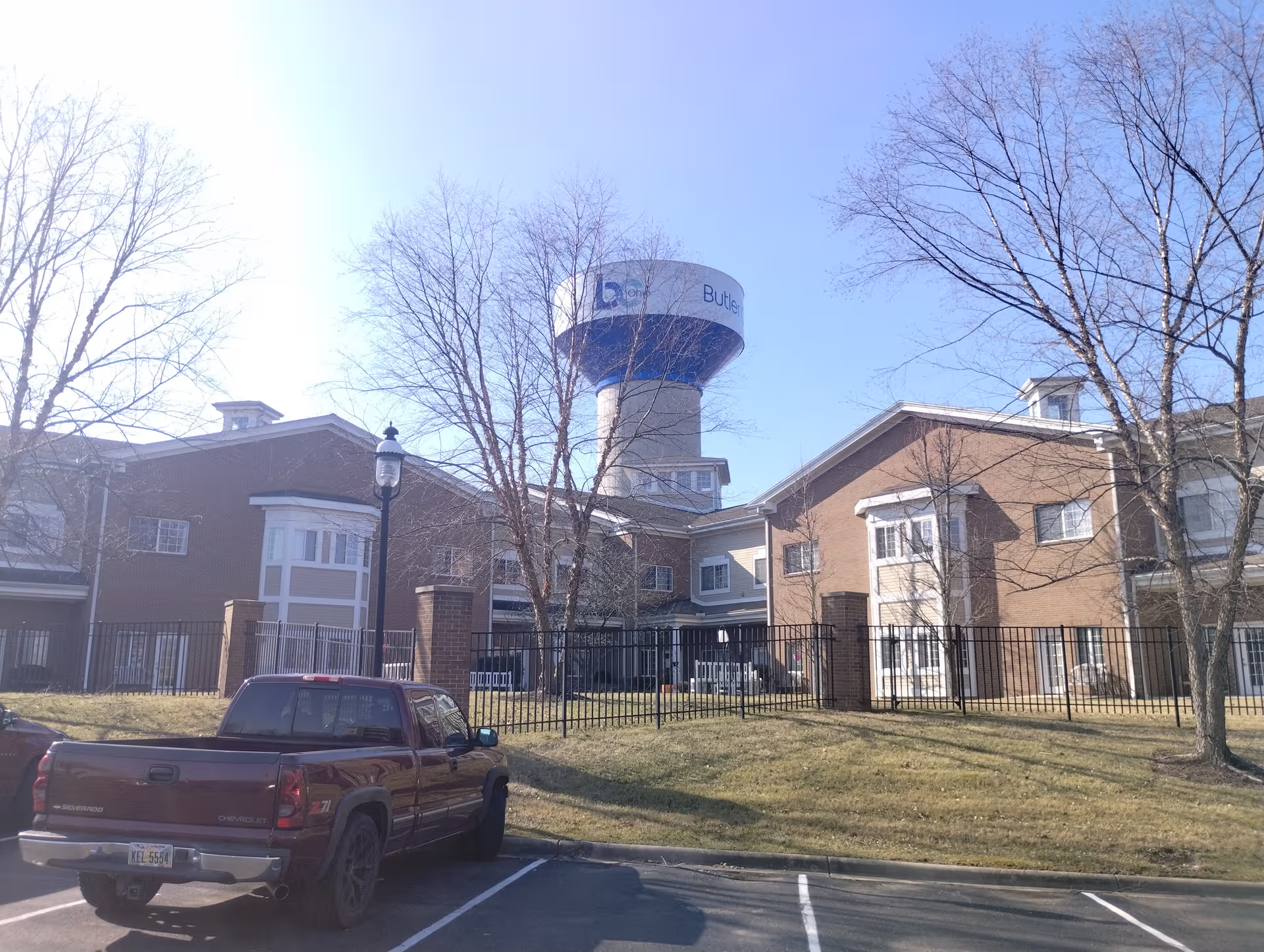
The reviews portray a facility with a strongly polarized reputation: many families describe attentive, compassionate day-to-day care, while others identify operational weaknesses that materially affected resident outcomes. On the positive side, reviewers frequently cite warm, dedicated nursing and caregiving teams, reliable housekeeping, a small/family atmosphere, and visible rehabilitation and memory-care capabilities. Several accounts emphasize that residents received respectful, individualized attention, nutritious meals, and that the facility’s size and layout fostered a close-knit community feel. Housekeeping and common areas are often described as well maintained, and some families specifically praised admissions assistance (including Medicaid help) and a generally safe environment.
At the same time, recurring operational themes raise concerns prospective families should evaluate. Communication practices are inconsistent: some families experienced proactive, clear updates from nurses and administrators, while others encountered conflicting information, unresponsiveness, and delays in notifying families about clinical changes. Relatedly, staffing instability and turnover were linked to uneven continuity of care and occasional slow resolution of medical issues. Several reviews point to slower-than-expected clinical escalation or delayed follow-up when new problems emerged, suggesting gaps in clinical oversight and case management processes.
There are also more serious patterns that warrant direct inquiry. Multiple accounts raised issues around skin integrity and unexplained weight/fluid-balance loss in residents, and some reviewers described incidents implying inadequate attention to these clinical domains. Allegations of missing personal items resulted in concerns about property-security controls. Room-assignment and roommate-conflict processes were described as insufficient in a few instances, sometimes necessitating abrupt room changes. Activity programming and off-site engagement were uneven — while some residents enjoyed regular activities, others found offerings limited and community involvement sparse.
Management and leadership received mixed feedback: several families praised professional, caring administrators and longstanding staff, whereas others described problematic leadership tone or slow administrative responsiveness, including paperwork and admission delays. These divergent impressions suggest that experiences may depend on specific staff on duty, unit-level leadership, and timing.
For families considering Birchwood of Hamilton, the notable pattern is variability: strong, compassionate caregiving and effective rehabilitation exist alongside recurring operational concerns around communication, staffing continuity, clinical escalation, property security, and activity consistency. Recommended topics to cover during a tour or intake conversation include: current staffing ratios and turnover, protocols for skin-assessment and weight/fluid monitoring, incident escalation and family-notification procedures, property-inventory and storage policies, roommate-assignment practices, the activity calendar and off-site opportunities, and recent regulatory or quality records. Asking to meet the director of nursing and a current nurse on the unit can help clarify how consistent the positive practices are and how the facility addresses the outlined weaknesses.