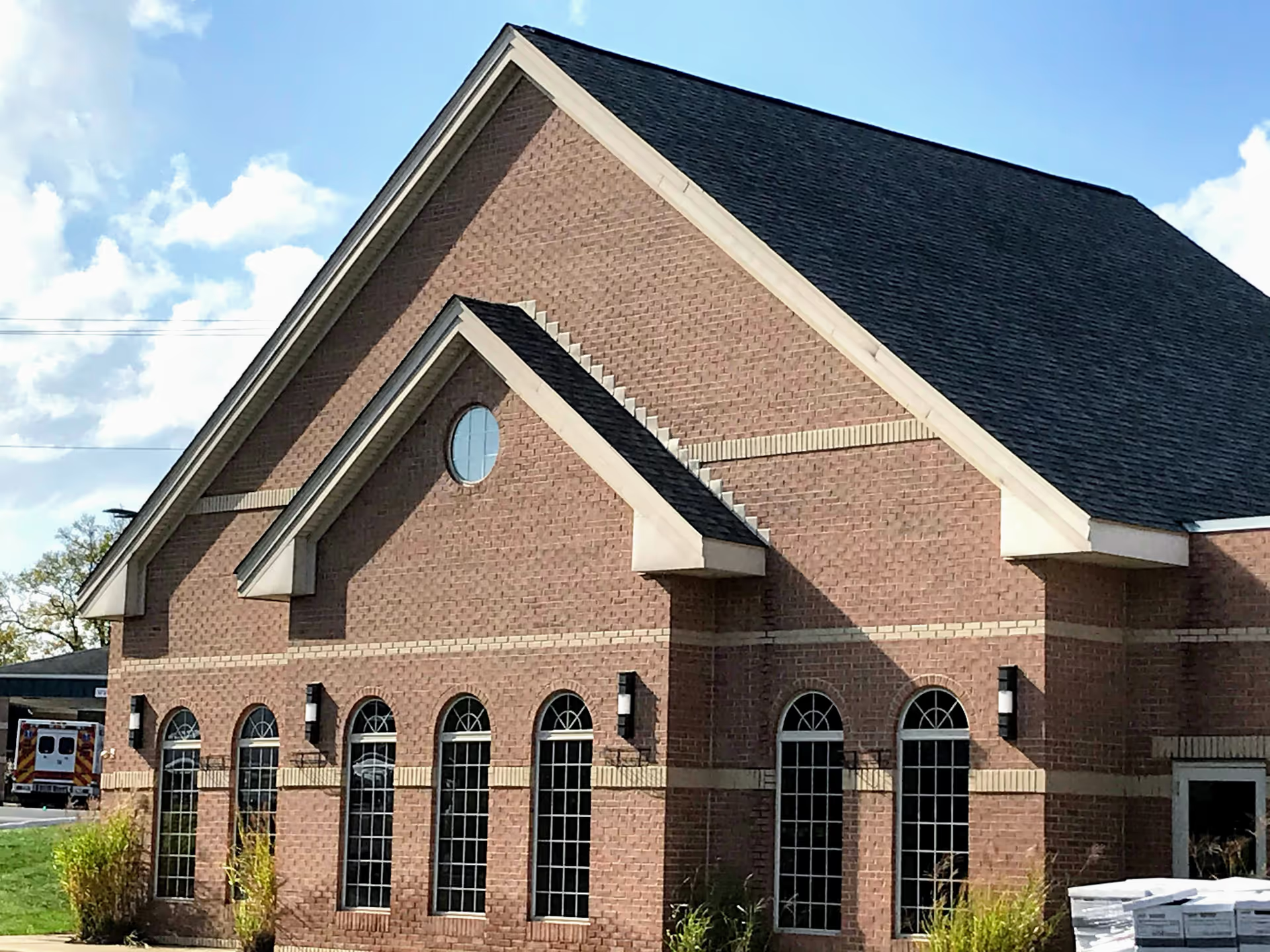
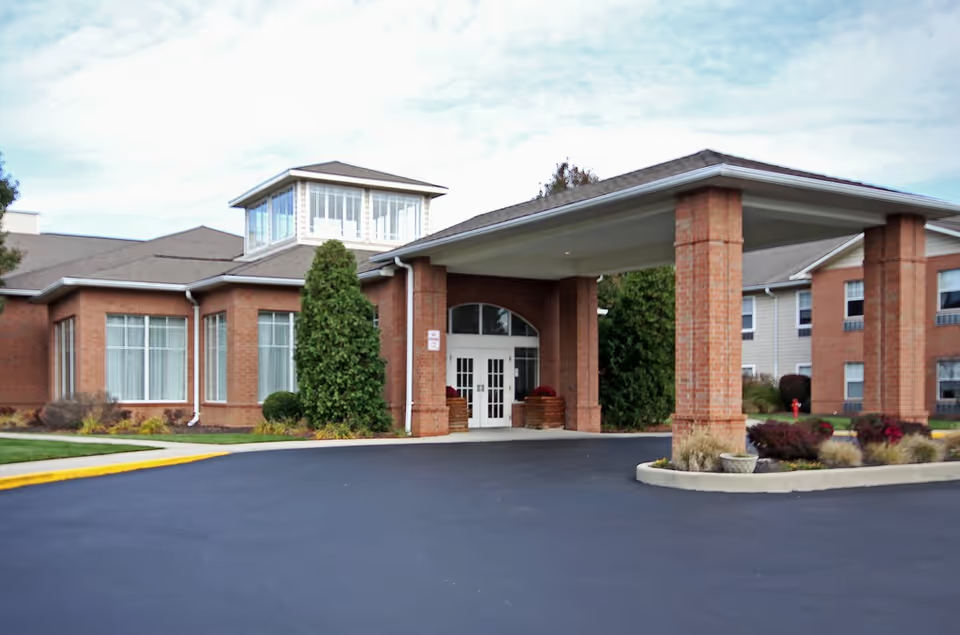
Trustwell Living at Fairfield Place is presented consistently as a small, single-floor assisted living community with a strong emphasis on a home-like atmosphere and social engagement. Reviewers commonly highlight a compassionate caregiving culture, long-tenured staff, and a program of varied activities — from cognitive games and arts to live music and regular outings — that keeps residents socially and mentally active. The physical environment is frequently described as clean, well-maintained, and accessible, with private apartments, multiple common rooms, a sunroom, courtyard walking areas, and on-site amenities such as a beauty shop and piano for entertainment.
Clinical care is generally characterized as attentive: families report low daytime nurse-to-resident ratios, rapid call responses, coordinated medication adjustments, and access to rehabilitation and visiting clinicians. Many accounts emphasize individualized attention, laundry and bathing assistance, and warmth from care partners that contribute to residents' well-being. That said, there are operational patterns worth noting. Several reviewers described understaffing during night shifts and occasional delays in nursing or housekeeping responsiveness. A small number of serious clinical incidents raised concerns about the facility’s incident-response process and the timeliness of follow-up communication with families; these concerns point to potential gaps in clinical coordination rather than a consistent deficiency in daily care.
Dining and programming are among the facility’s strengths. The dining program, led by a long-standing chef in many accounts, receives frequent praise for variety and quality, although a few families wished for expanded vegetable options. Activities programming is robust and adaptable to different ability levels, encompassing cognitive exercises, muscle-strength activities, social outings, monthly family entertainment nights, and frequent on-campus engagement opportunities that many residents and relatives find meaningful.
Facilities and logistics combine positive and mixed feedback. The compact, intimate scale of the community is a selling point for families seeking personal attention and close social ties; secured entry and accessible, one-floor design improve safety and mobility. Criticisms cluster around apartment size and limited storage in some units, periodic sanitation variability, and access restrictions during infection-control events that limited family access at times. Operationally, reviewers praised a responsive admissions coordinator and hands-on management, yet recurring concerns relate to billing practices, unexpected rate increases, occasional unauthorized charges or refund delays, and limited corporate-level responsiveness. There are also isolated comments about sales pressure during admissions and variability in financial flexibility, including Medicaid waiver and funding continuity issues for some residents.
In summary, Fairfield Place appears well suited for families prioritizing a small, activity-rich, relationship-focused assisted living setting with strong daytime staffing and well-regarded meals and programming. Prospective families should balance those strengths against the documented operational weaknesses: nighttime staffing levels, cleanliness consistency, billing and rate transparency, and clinical-incident communication. During a visit or tour, targeted questions about night staffing ratios, recent sanitation audits, medication and incident-communication protocols, and written billing/rate-change policies would help clarify whether the facility’s strengths align with a prospective resident’s care and financial needs.