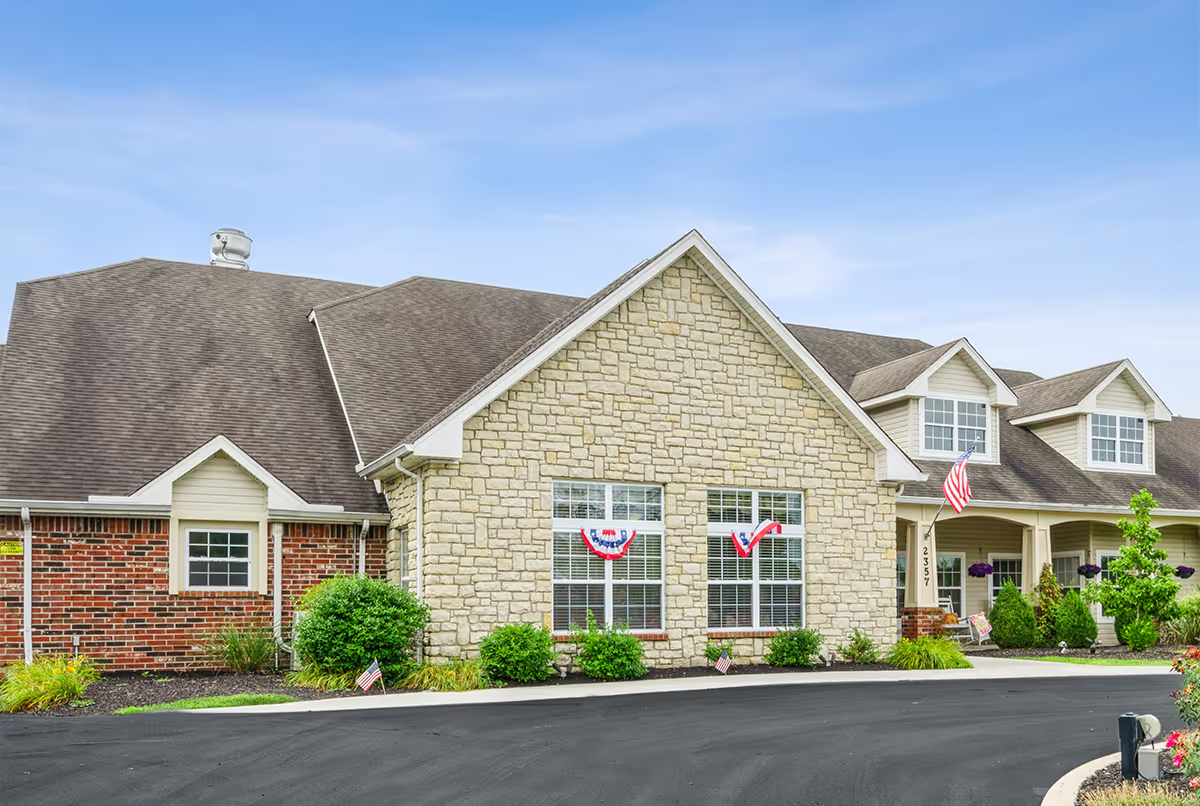
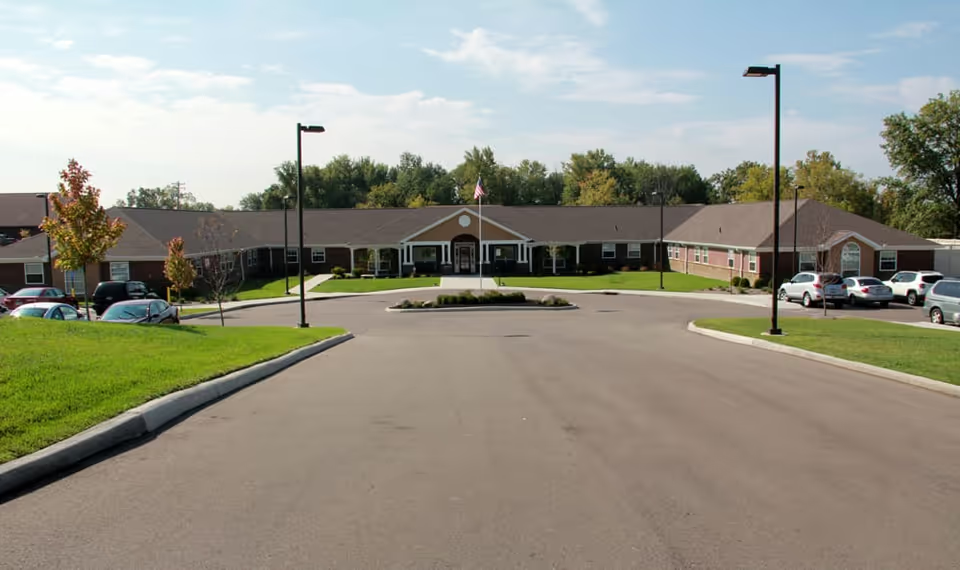
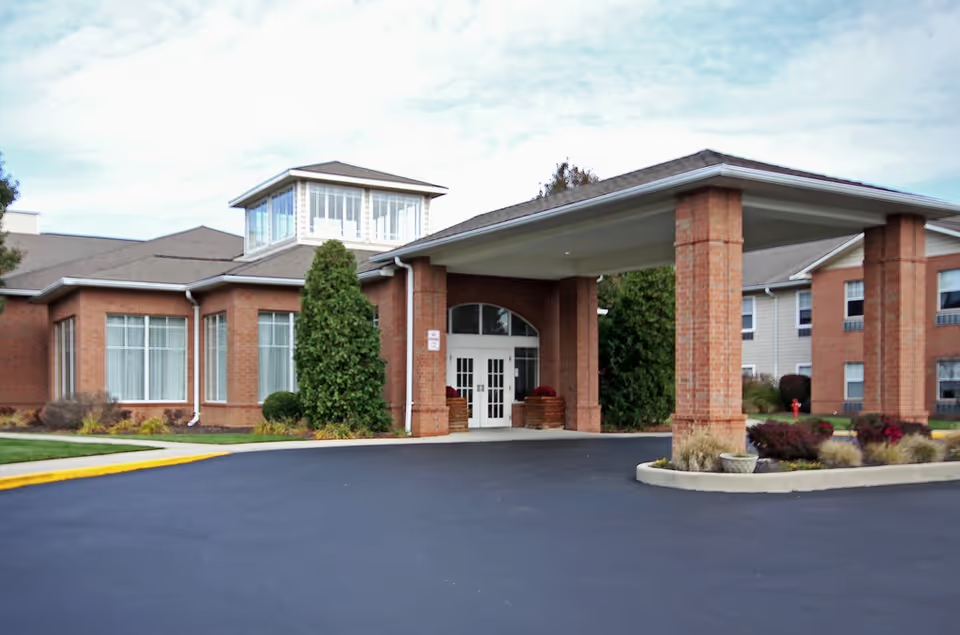
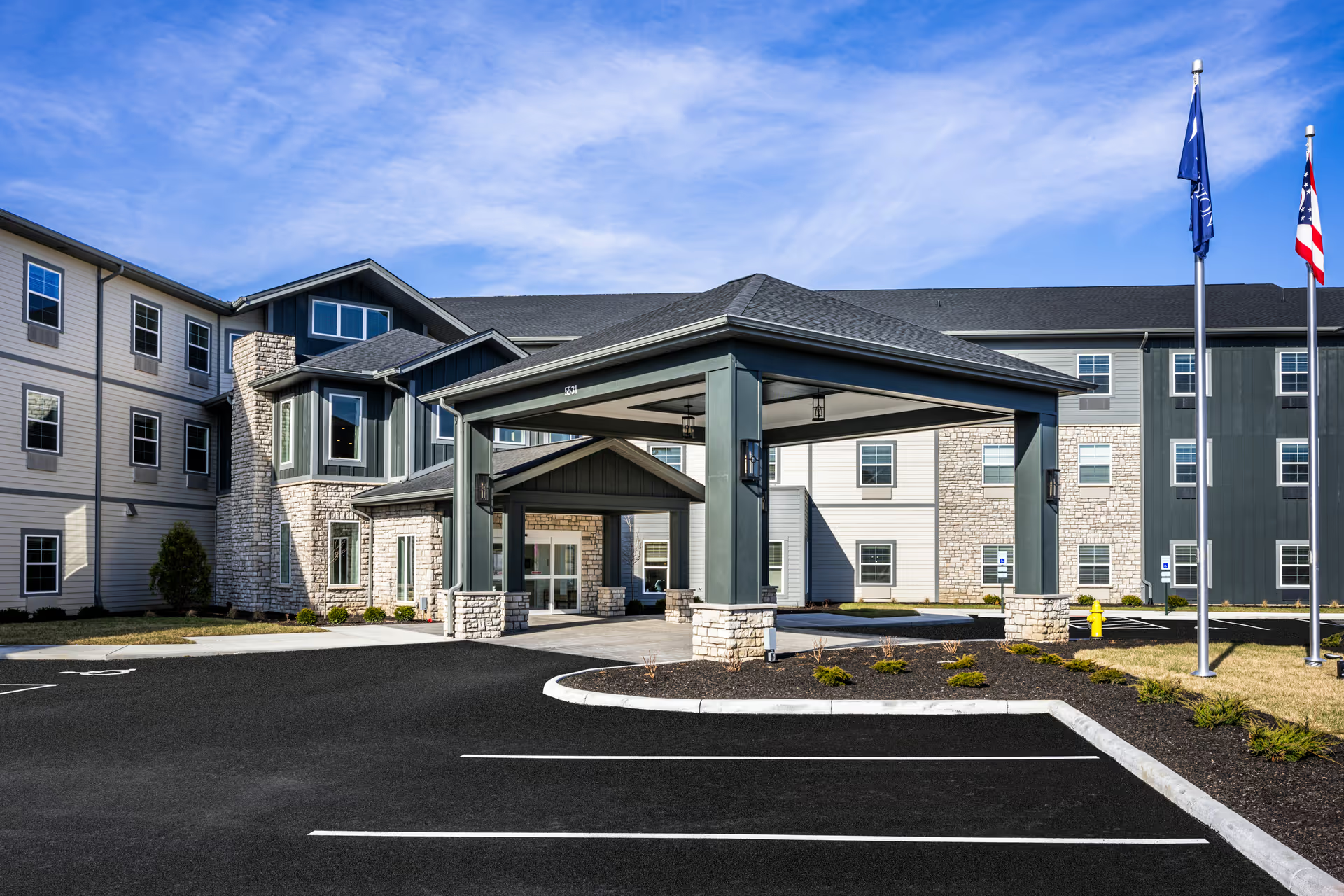
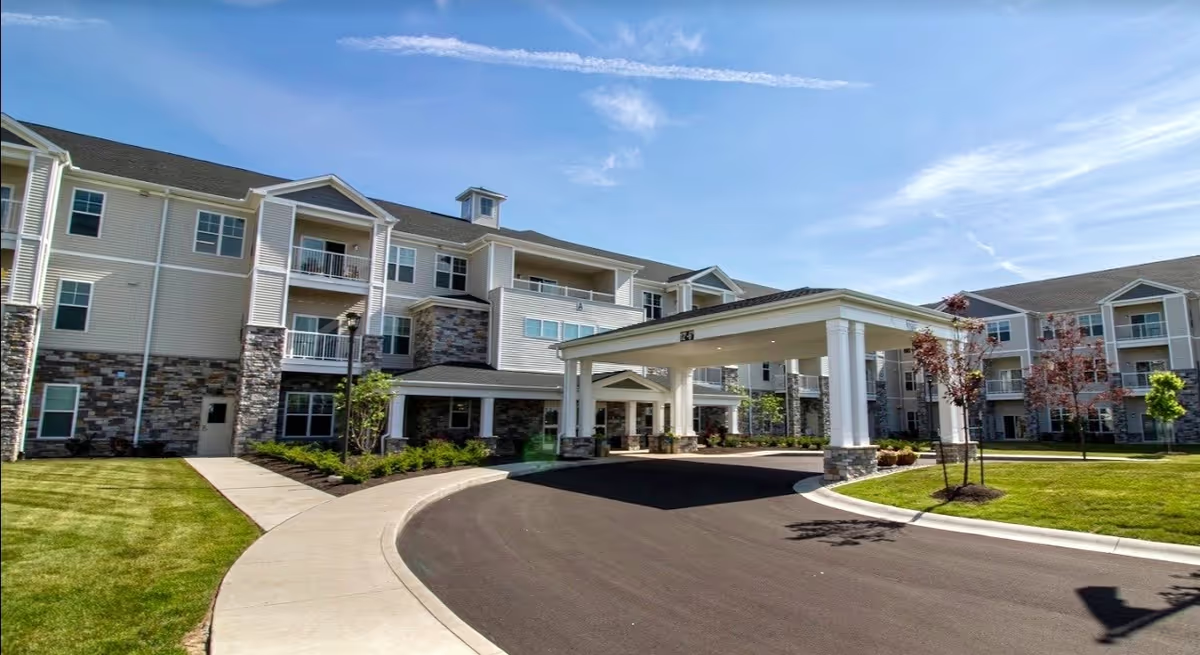
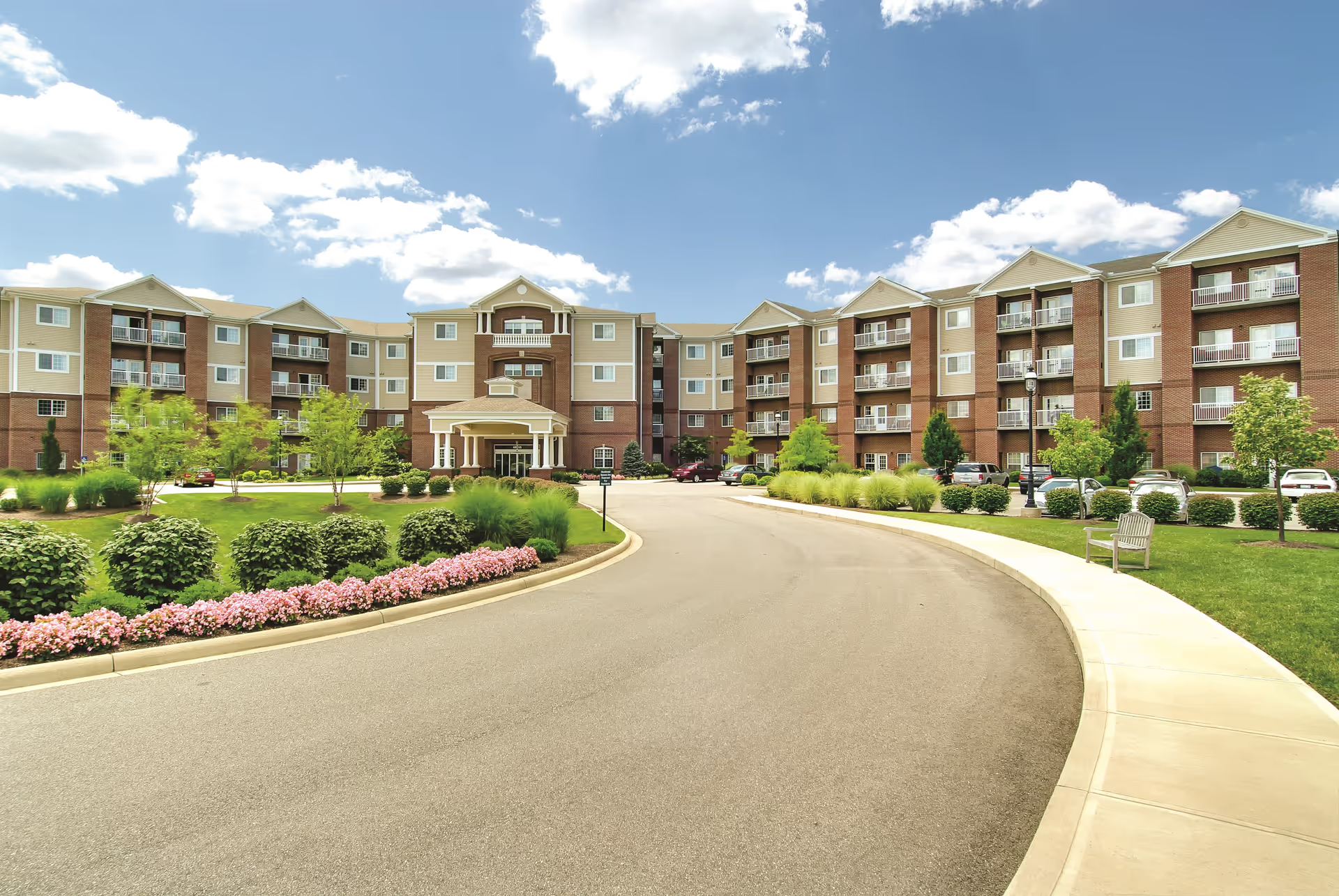
Northgate Park is described largely as a resident-focused, single-floor community with a strong emphasis on social programming, hospitality, and accessible living. Reviewers consistently highlight compassionate and personable caregiving staff, attentive front-desk coordinators, and strong move-in support that help new residents settle quickly. The facility’s common spaces receive frequent praise for natural light, skylit dining areas, and a welcoming dining-room atmosphere; many families also commend maintenance responsiveness, regular housekeeping, and the availability of patios, gardens, and a walking track.
Dining and activities are central strengths for many residents. The community offers chef-prepared meals, a restaurant-style dining experience, and a wide variety of scheduled activities — bingo, exercise classes, museum or shopping outings, faith services, and seasonal social events feature prominently. Transportation and appointment coordination services are described as convenient, and ancillary amenities such as a salon, library, on-site store/banking, and intermittent on-site therapy visits add practical value. These attributes make the community appealing to independent and assisted-living residents who prioritize engagement and accessible, ground-floor living.
At the same time, a pattern of operational concerns appears repeatedly. Staffing instability and turnover are linked to inconsistent experiences with aides and kitchen/housekeeping coverage. Several families described variability in food quality, limited fresh or low-sodium options for special diets, and delays or rigid timing in meal service — issues that appear tied to kitchen staffing. Medication administration and documentation have been flagged as inconsistent in select instances, which suggests a need to verify pharmacy coordination and internal medication controls during a tour or intake discussion. For residents with memory-care needs, reviewers describe gaps in dementia-specific programming and escorting practices; families should evaluate whether memory-support services meet their expectations.
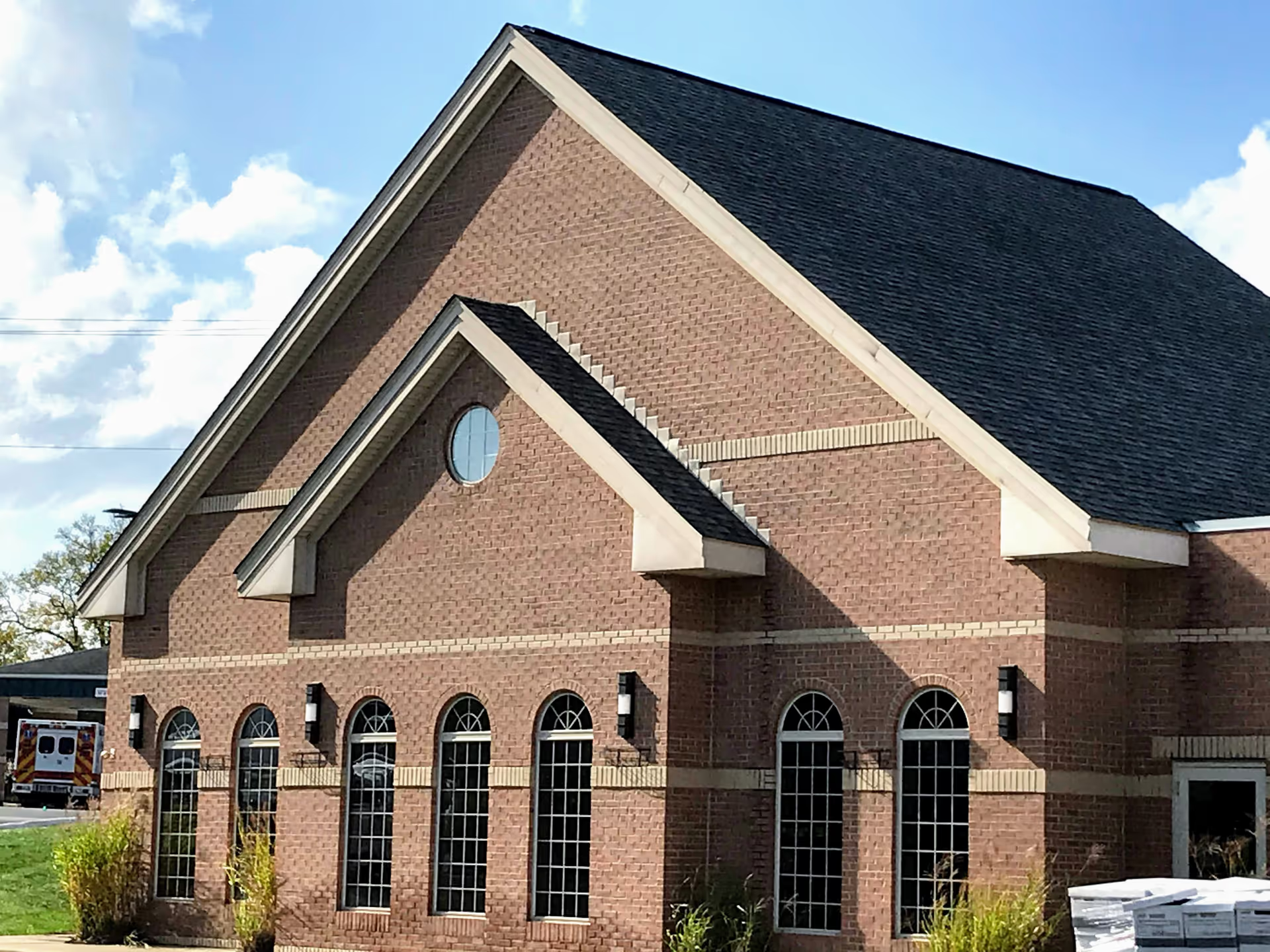
Management and systems-level concerns are also notable. Reviewers mention billing disputes, fee increases, occasional delays in refunds or account resolution, and intermittent communication lapses between staff and families. There are isolated but serious-sounding concerns around privacy and item security that warrant direct inquiry during a visit. The building is generally well maintained inside, yet several comments point to an older exterior and areas in need of updating; connectivity and Wi‑Fi delays were also cited by some families.
Overall, Northgate Park presents as a community with many strengths: warm staff, active programming, attractive indoor dining, and accessible, single-story apartments with outdoor access. Prospective residents and families should weigh those strengths against operational caveats—particularly staffing consistency, dietary accommodations, clinical coverage, dementia support, and billing transparency. For families prioritizing social engagement, accessible design, and attentive day-to-day service, Northgate Park may be a good fit; families of residents requiring tightly coordinated clinical oversight or specialized memory care should perform targeted inquiries and observe current staffing and medication processes during a visit.