Overview Doverwood Skilled Nursing Facility receives strongly mixed feedback. Many families and residents highlight the facility's strengths in rehabilitation, amenities, and the day-to-day kindness of many staff members. At the same time, a substantial portion of commentary raises operational and clinical concerns that prospective residents and families should evaluate carefully.
Care quality The facility's rehabilitation services are a consistent strength: reviewers frequently praise physical and occupational therapy teams for skill, attentiveness, and rapid progress during short-term stays. Nursing and aide performance is more variable in the feedback. Numerous accounts describe attentive, compassionate aides and nurses who build relationships with residents and provide thorough hands-on support. Conversely, other accounts cite delays in medication administration, missed basic-care tasks (bathing, linen changes), falls and transfer-safety gaps, and concerns about timely escalation of acute symptoms. There are also several comments referencing inconsistent infection-control responses and at least a few serious clinical incidents that families felt were not handled to their expectations. These patterns suggest that clinical outcomes depend substantially on staffing, shift, and individual caregiver competence.
Staff and professionalism Many reviewers emphasize long-tenured staff, friendly interactions, and a family-like culture; staff continuity and the tendency of employees to learn resident preferences are frequently cited positives. Therapy staff and certain nursing leaders receive repeated praise by name. However, other reports identify training shortfalls, variable professionalism, and lapses in responsiveness — for example, staff spending extended time on personal devices, slow call-light response times, or brusque communication tone. These mixed impressions indicate variability in staff performance and leadership oversight across shifts.
Dining and daily routines Meal quality and accommodations draw mixed commentary. Several families describe balanced, tasty meals and staff who make dietary adjustments when needed; others note late meal service times, limited menu flexibility, occasional cold or unappealing meals, and failures to enter dietary information into records. Personal-care routines are likewise inconsistent in some reports, with accounts of missed showers, delayed linen changes, and irregular assistance schedules. These inconsistencies point to operational gaps in day-to-day service continuity rather than a uniformly poor or uniformly excellent dining and personal-care program.
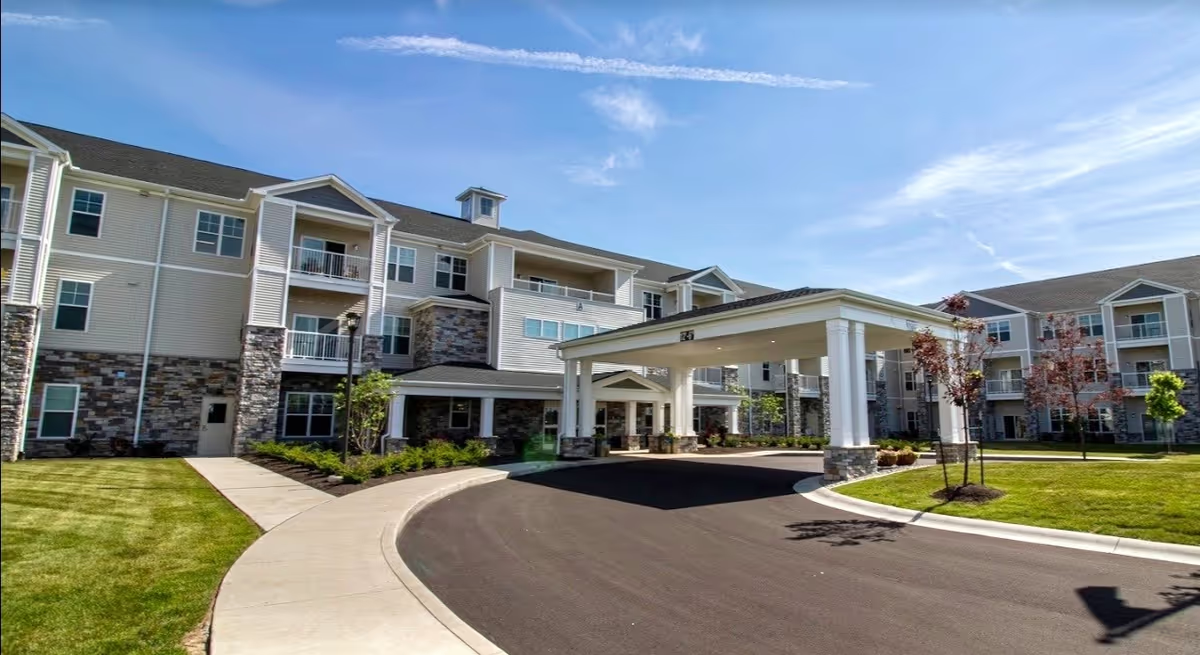
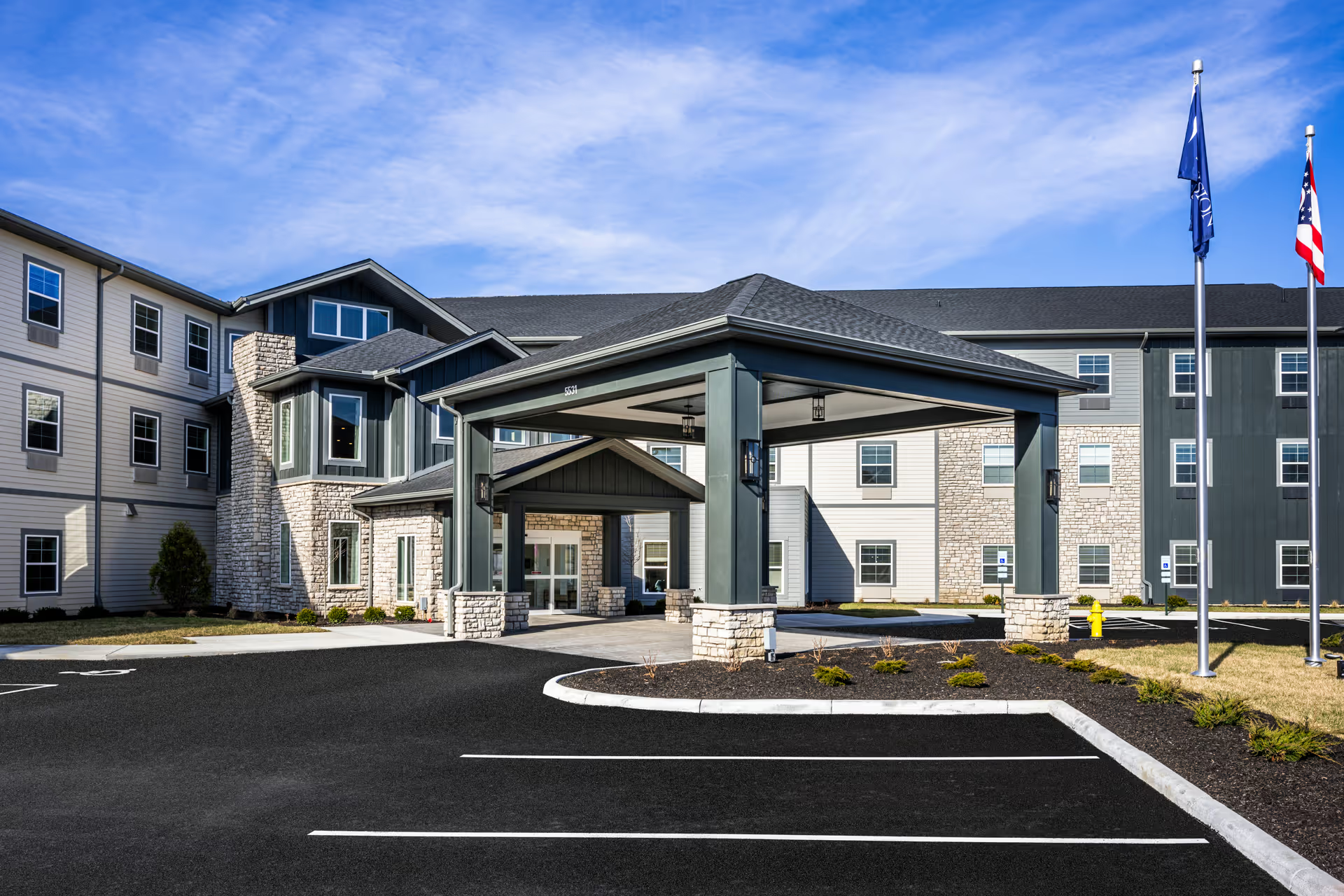
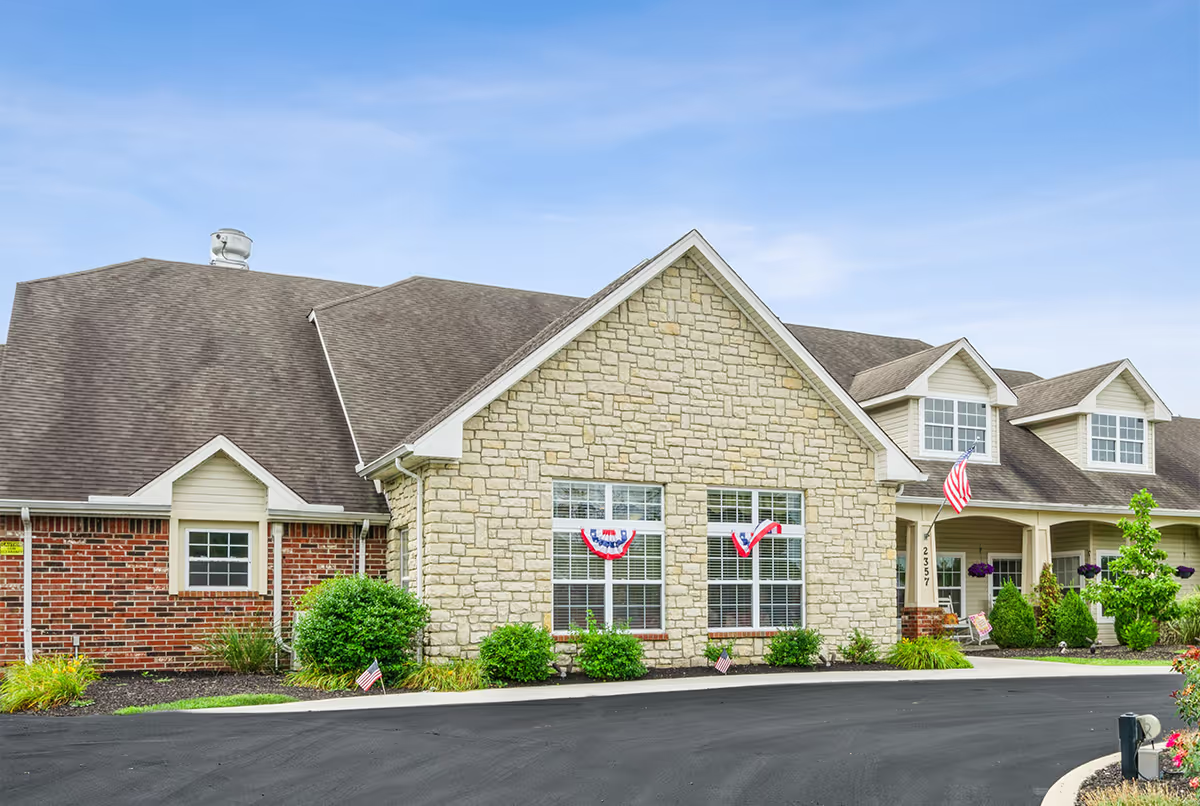
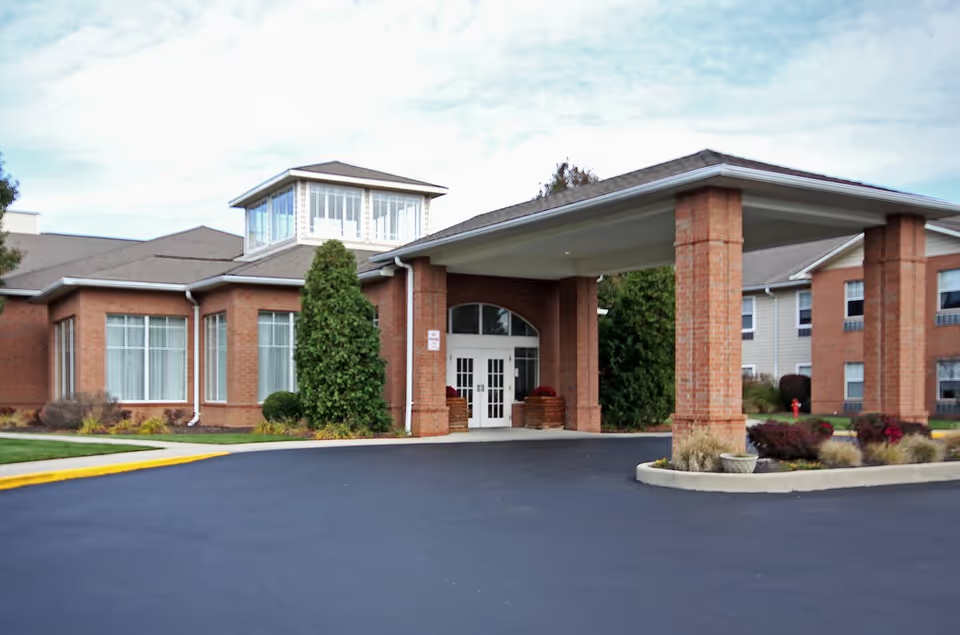
Activities and facilities Physical plant and amenities are consistently praised. Reviewers describe an attractive, well-maintained building with pleasant landscaping, cozy common areas, and a variety of onsite amenities (movie theater, salon, pub-style dining areas) that support social engagement. Activity staff receive positive feedback for organizing events that support cognition and social connection. For families prioritizing environment and programming, these characteristics are clear strengths.
Management, communication, and notable patterns Feedback about administration and communication is mixed. Many reviewers commend social services and discharge planning for clear, supportive transitions; others describe inconsistent family communication, difficulty obtaining timely updates, and occasional reports of heavy-handed management or restricted visitation experiences. A recurrent pattern emerges: clinical and operational strengths (notably rehabilitation and amenities) coexist with variable staffing, training, and responsiveness that appear to drive the negative experiences. Several serious-sounding clinical concerns are present in the commentary; while they do not represent the majority of accounts, they merit direct inquiry.
What to watch for and ask about Prospective residents and families should weigh the facility's strong rehabilitation program and attractive amenities against the variability in nursing and daily-care consistency. Recommended topics for a focused visit and conversation include: current staffing levels and turnover, lift-and-transfer policies and training, average call-light response times, medication-administration and documentation procedures, infection-control practices and recent infection history, meal schedules/menu flexibility, and how management communicates with families about incidents. Visiting at different times of day and asking to meet therapy staff and nursing leadership can help confirm whether the aspects that matter most to your situation are reliably provided.
In summary, Doverwood offers notable strengths in therapy, facilities, and community programming, along with many committed caregivers. However, operational inconsistencies — particularly around staffing, responsiveness, clinical training, and communication — recur enough in feedback that careful evaluation is advised before placement.