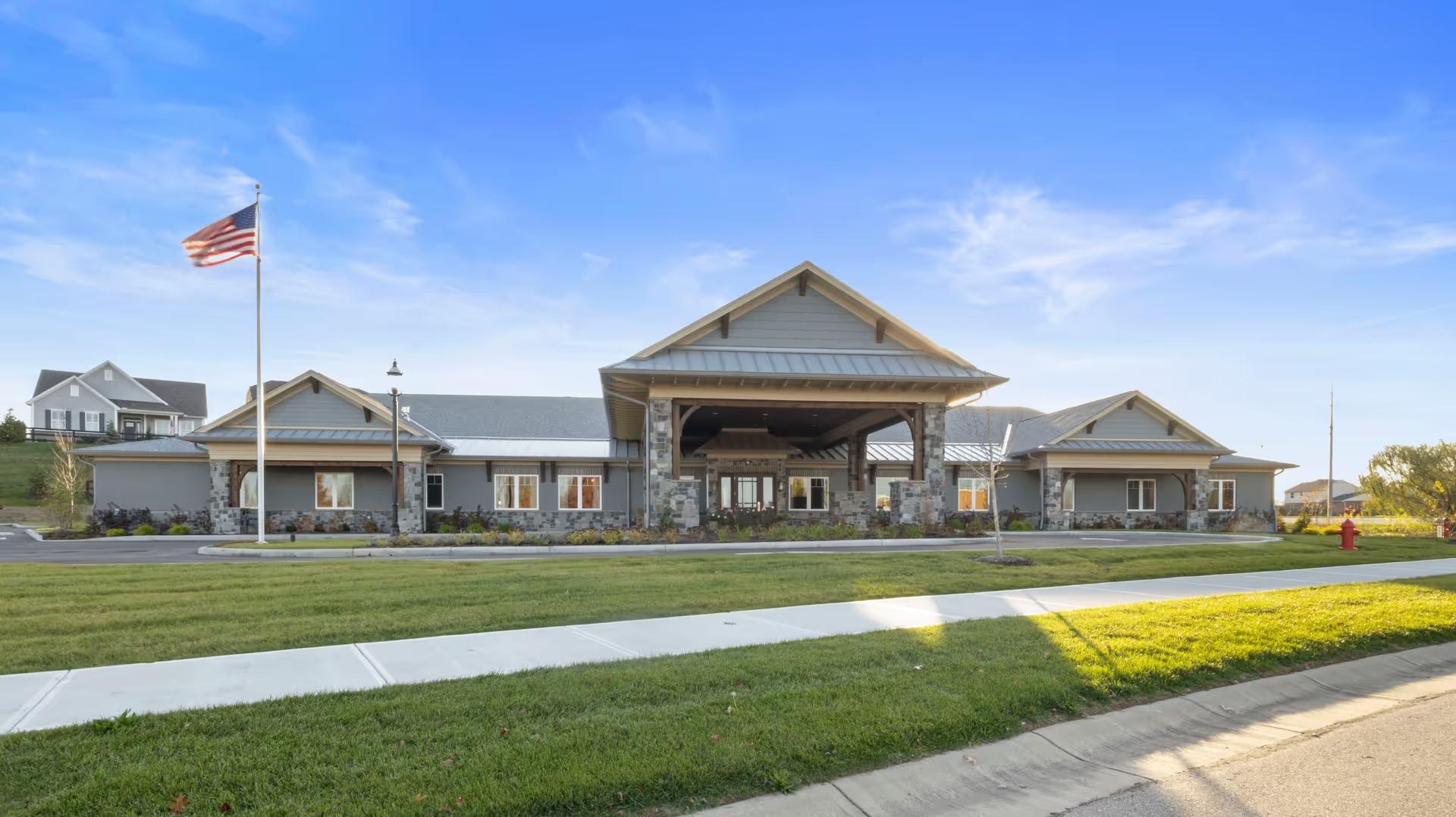
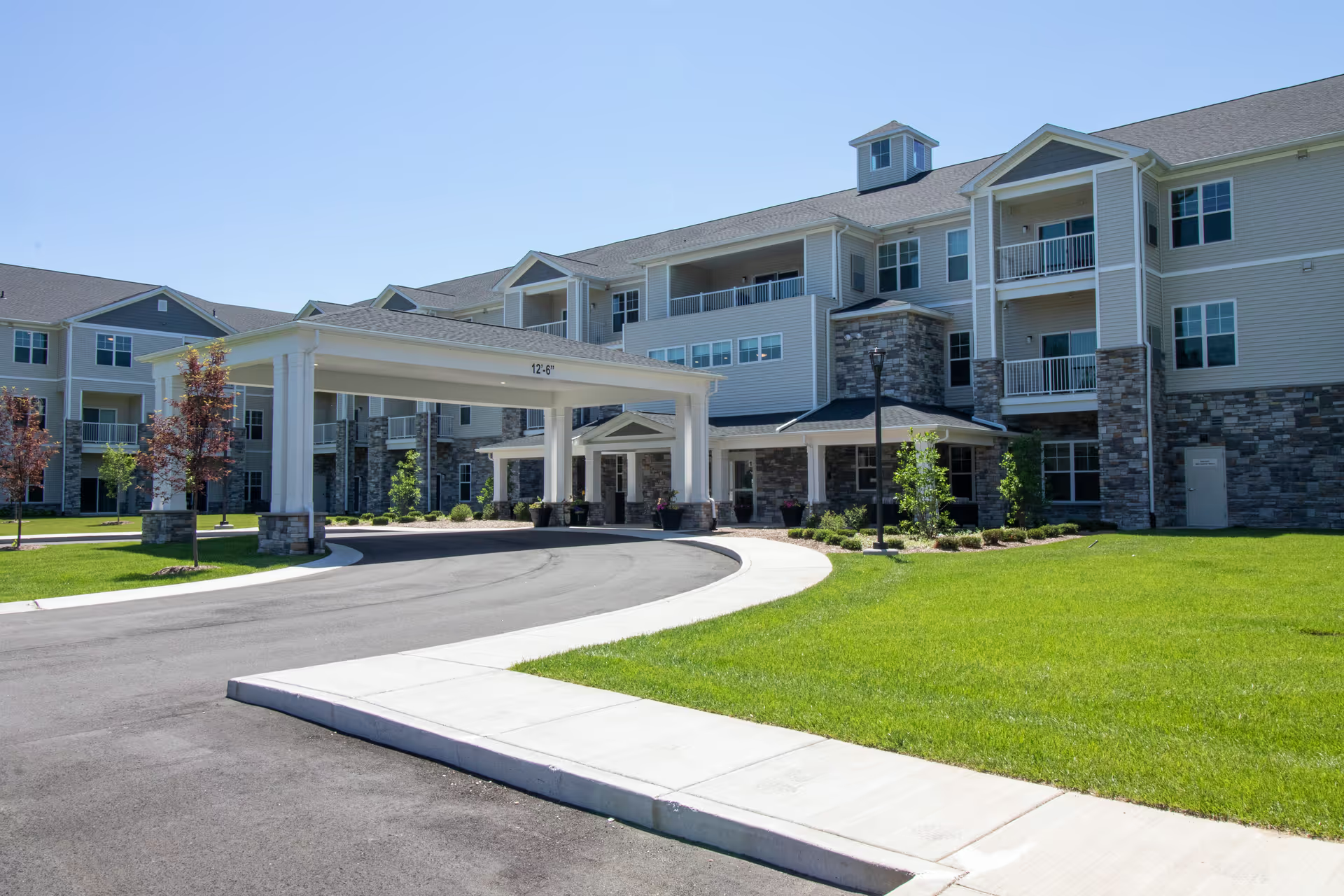
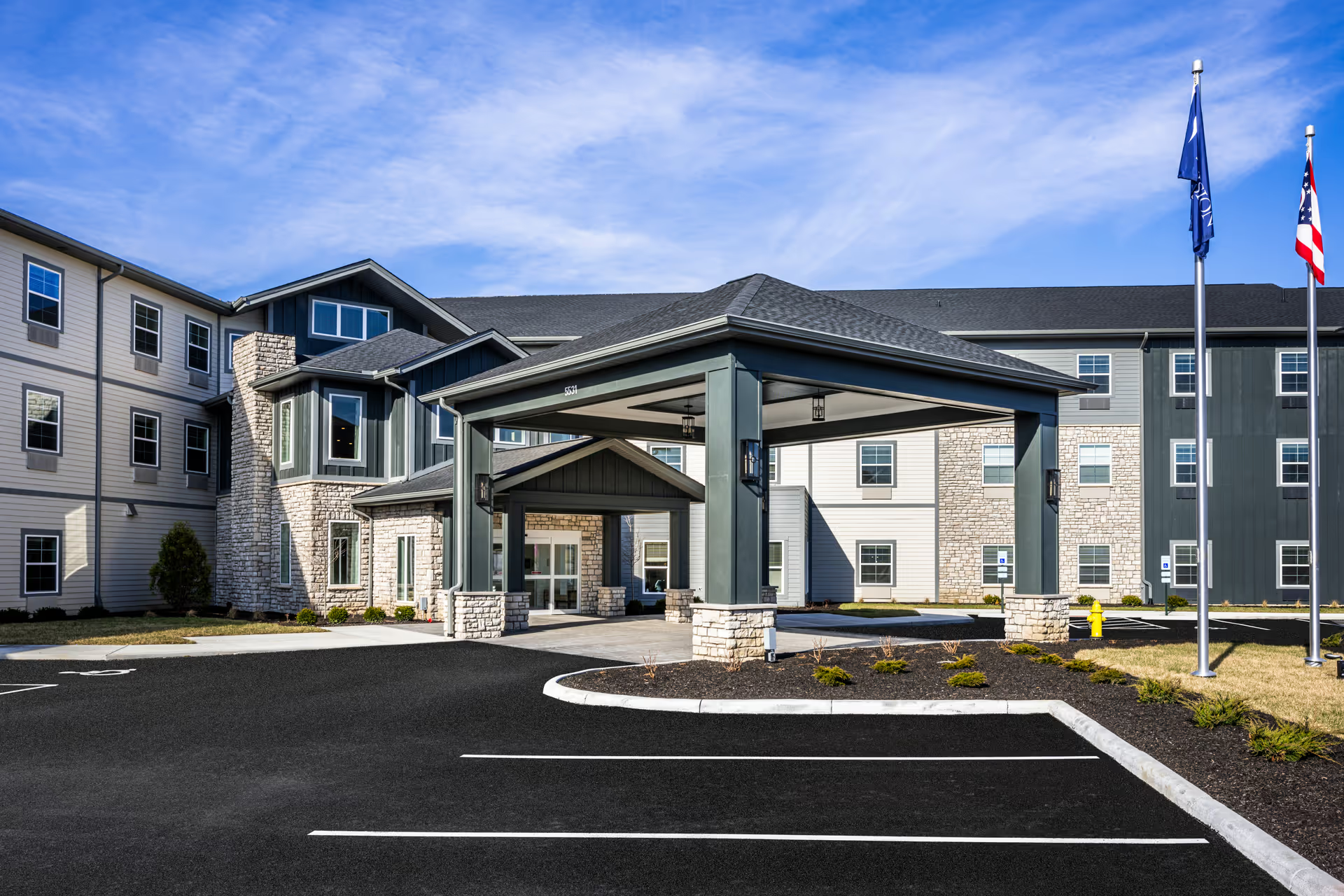
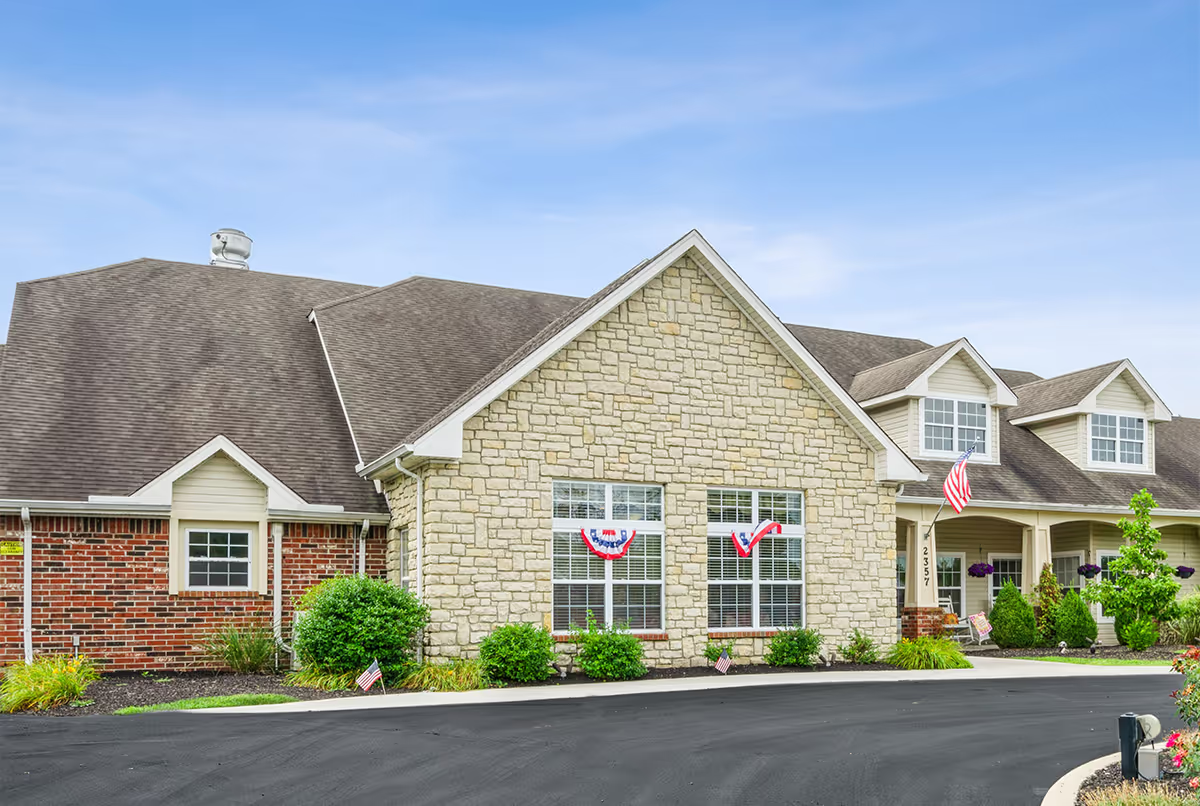
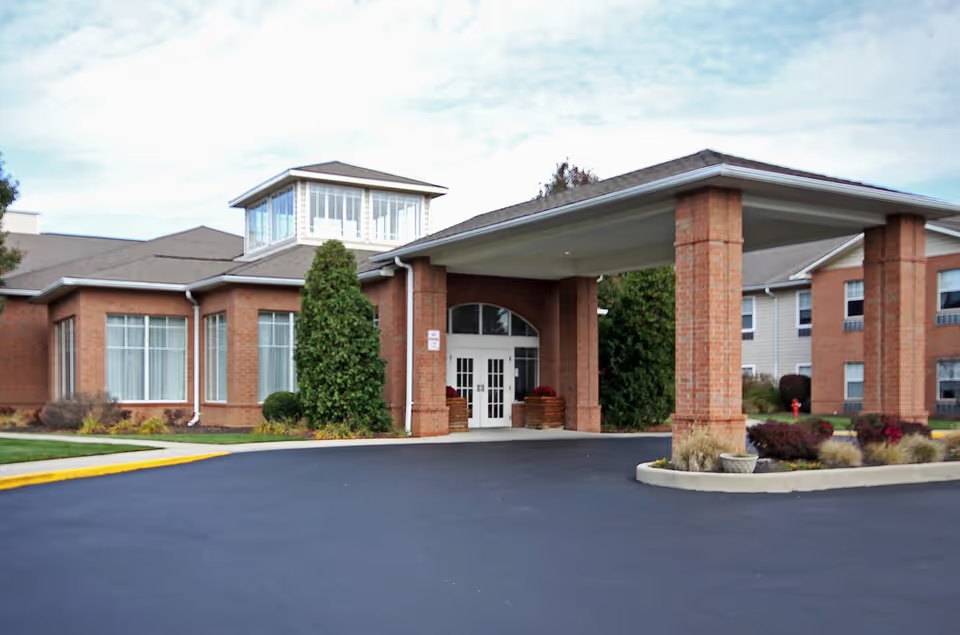
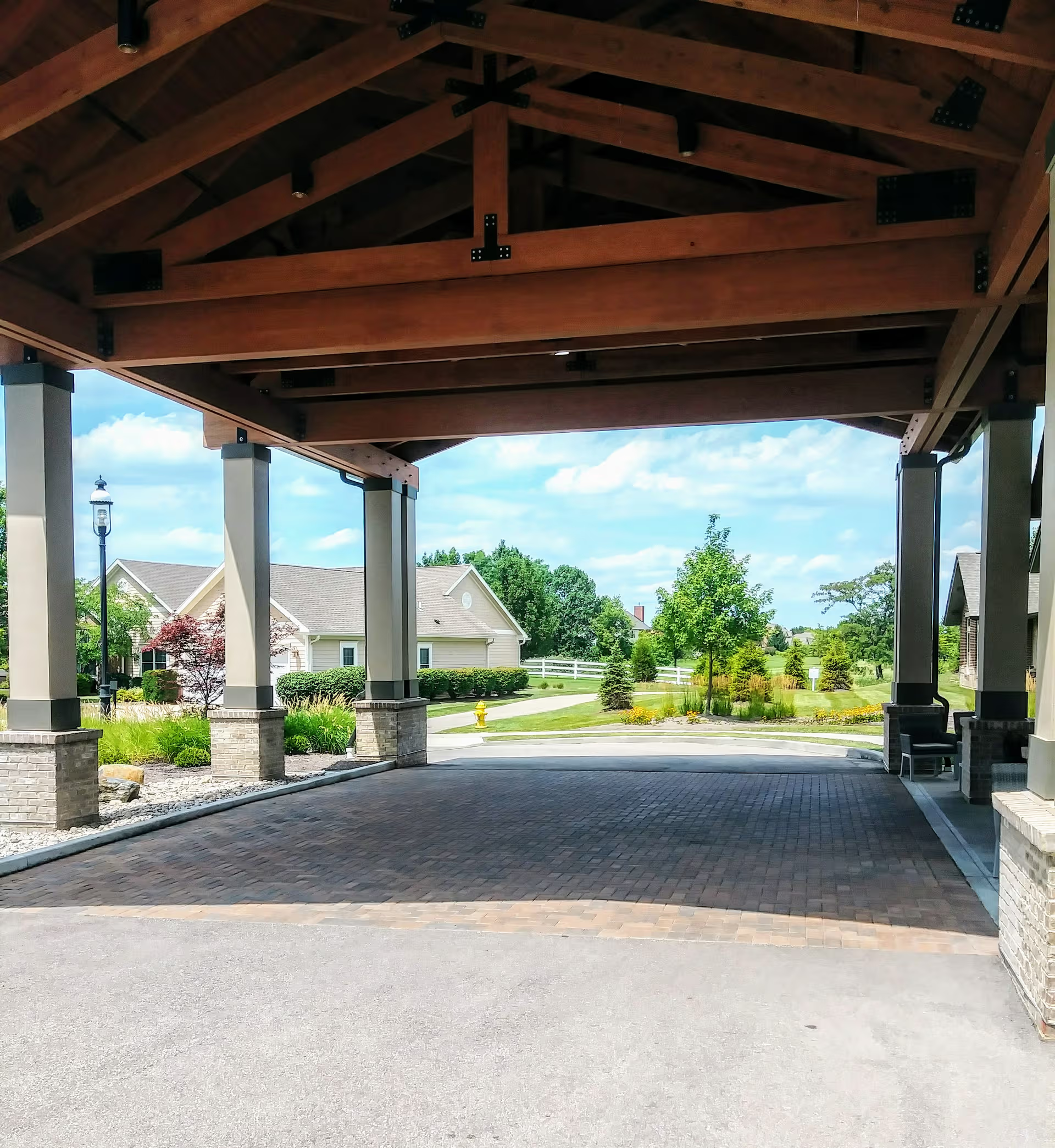
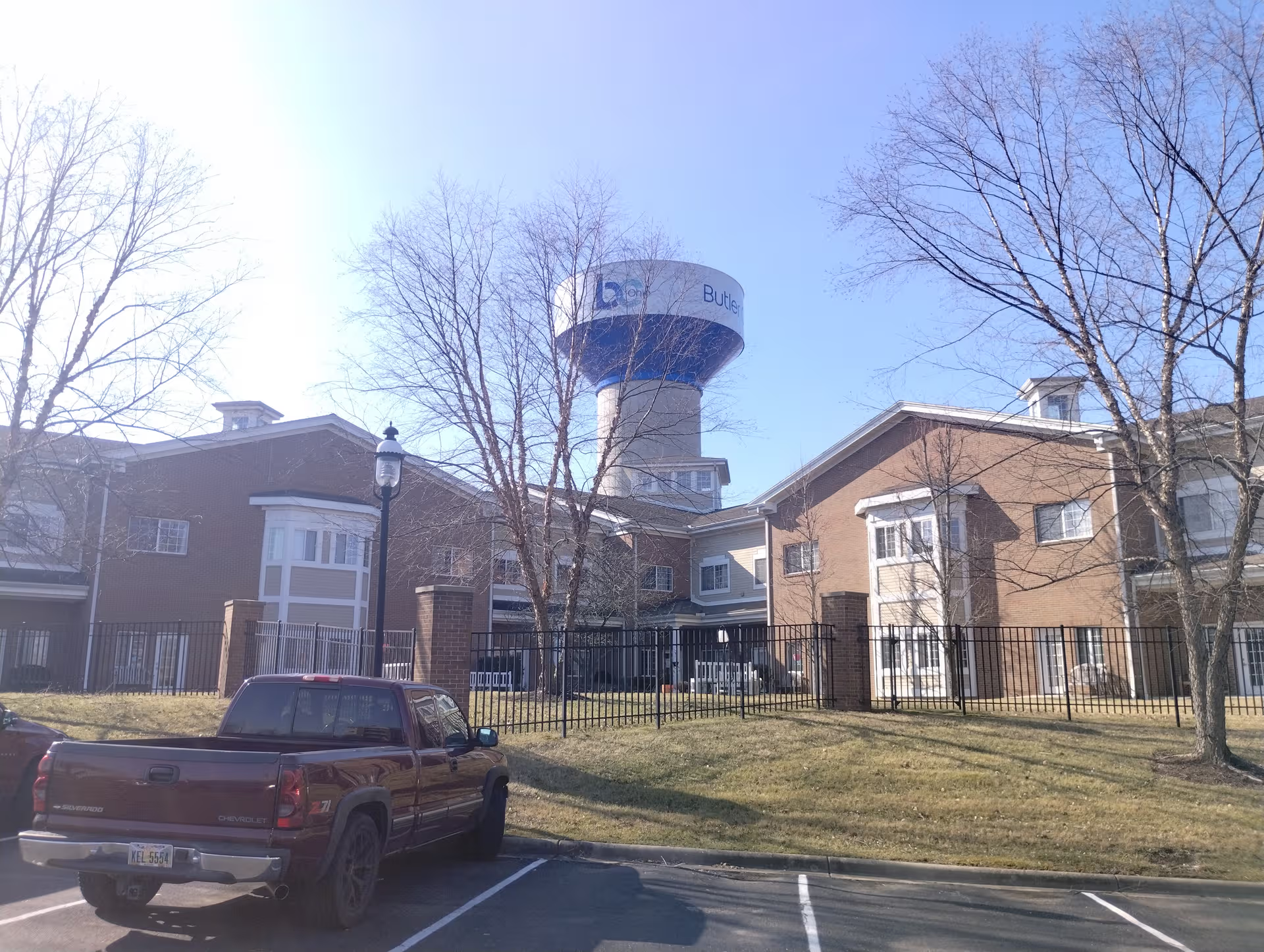
Reviewers portray Doverwood Skilled Nursing as a facility with strong rehabilitation capabilities and attractive amenities, alongside recurring operational weaknesses that affect some residents' experience. The therapy departments (physical and occupational) receive consistent praise for professional, effective care and positive recovery outcomes; several reviewers singled out individual therapists and cited thoughtful, hands-on programming that supports short-term rehab goals. The building, grounds and activity offerings (including a movie theater, pub-like spaces and varied events) are frequently described as well-maintained and engaging, contributing to a family‑like atmosphere and social opportunities for residents.
Staffing impressions are mixed. Many families and residents report compassionate, personable aides and nurses who build relationships, know residents by name, and provide comforting, attentive interactions. Long-tenured employees and cohesive teamwork are cited as strengths that enhance continuity of care. At the same time, other reviewers describe variability in nursing competency, training gaps, and inconsistent responsiveness to call lights or requests—issues that are more pronounced during night and early‑morning shifts. These operational patterns are associated with delays in attention, missed or late medications, inconsistent bathing and linen changes, and occasional missed meals or meal-service timing problems.
Safety and clinical-process concerns recur in some accounts. Reviewers raised issues consistent with gaps in transfer and lifting procedures, fall prevention, and infection outcomes; a few narratives referenced serious clinical events that led families to seek alternative placements. Medication administration and clinical documentation were identified as areas needing more reliable processes. Infection-control outcomes were uneven across reports: while some reviewers noted prompt recognition and treatment of infections, others described repeated infectious episodes affecting resident health.
Dining, housekeeping and ancillary services show variability. Many reviewers praised balanced meals and responsive dietary accommodations; others described limited menu choices, late meal times, or food quality concerns. Housekeeping and laundry are generally seen as strengths in many accounts, although intermittent sanitation and supply inconsistencies were also noted.
Management and communication present a mixed picture. Positive comments highlight supportive social-work discharge planning, effective admissions tours, and administrators who engage with families. Conversely, some reviewers cited weak communication, inconsistent enforcement of visitation policies, and uneven accountability when families raised clinical or service concerns. Staffing levels, scheduling, and training practices emerge as recurring themes tied to both the positive and negative experiences described.
Overall, Doverwood offers robust therapy services, appealing facilities, and many examples of compassionate caregiving that support rehabilitation and resident engagement. Prospective residents and families should weigh these strengths against recurring operational issues—particularly variable nursing competency, responsiveness, staffing coverage at off shifts, and process gaps in medication, personal care, and transfer safety. Touring in person, speaking with therapy teams, and asking specific questions about night staffing, call‑light response times, training protocols, fall-prevention measures, and medication policies will help families assess whether the facility’s strengths align with their clinical and safety priorities.