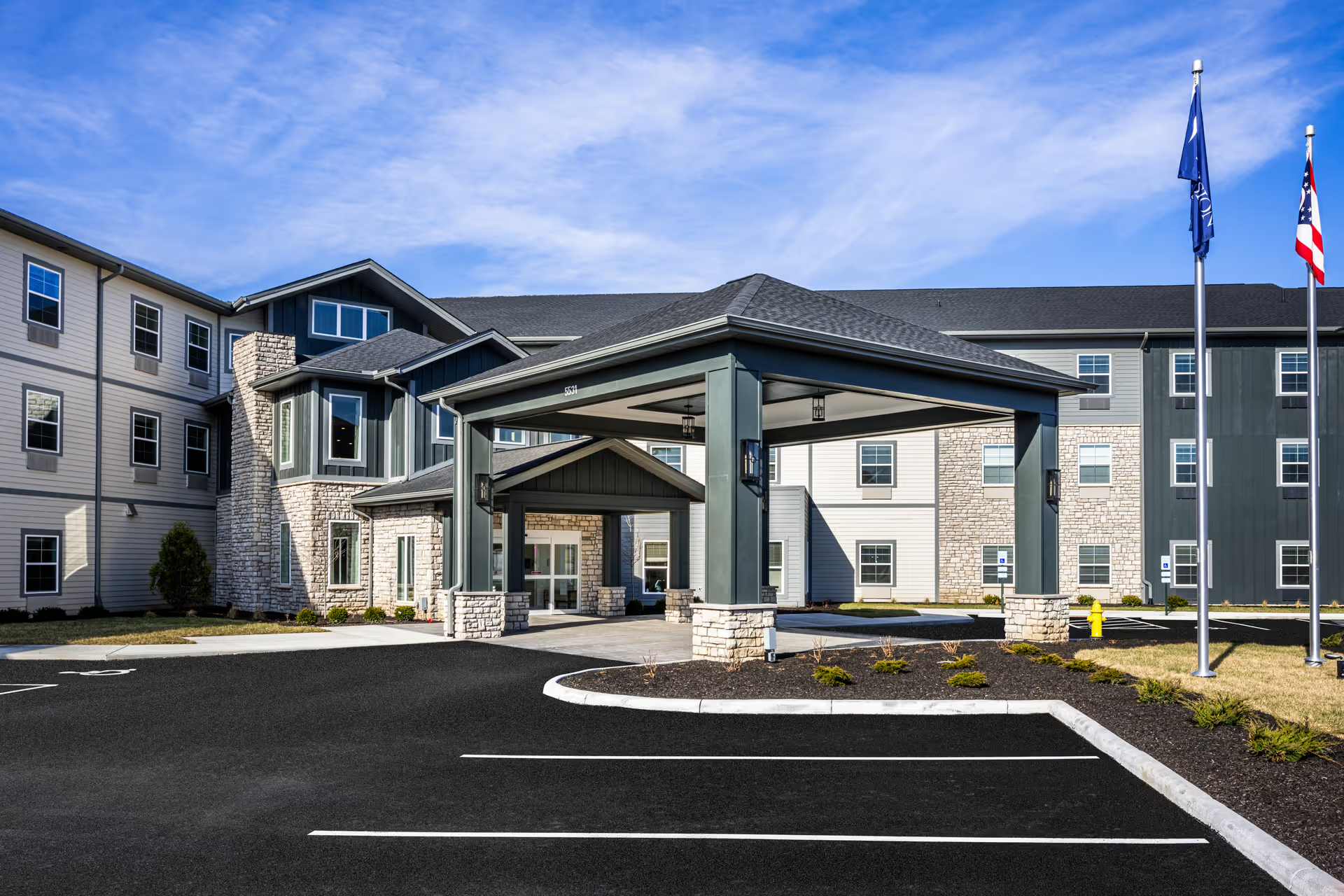
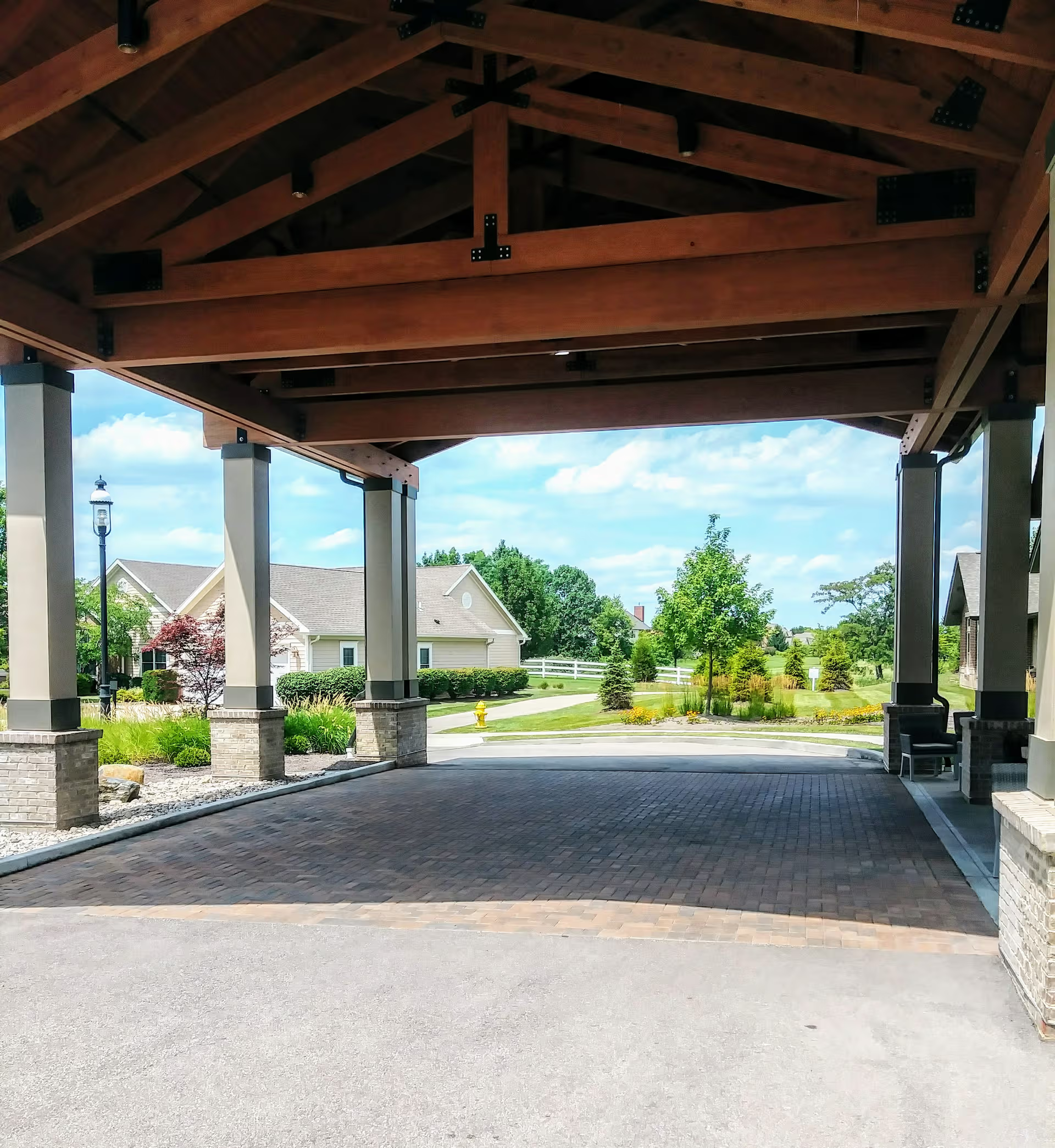
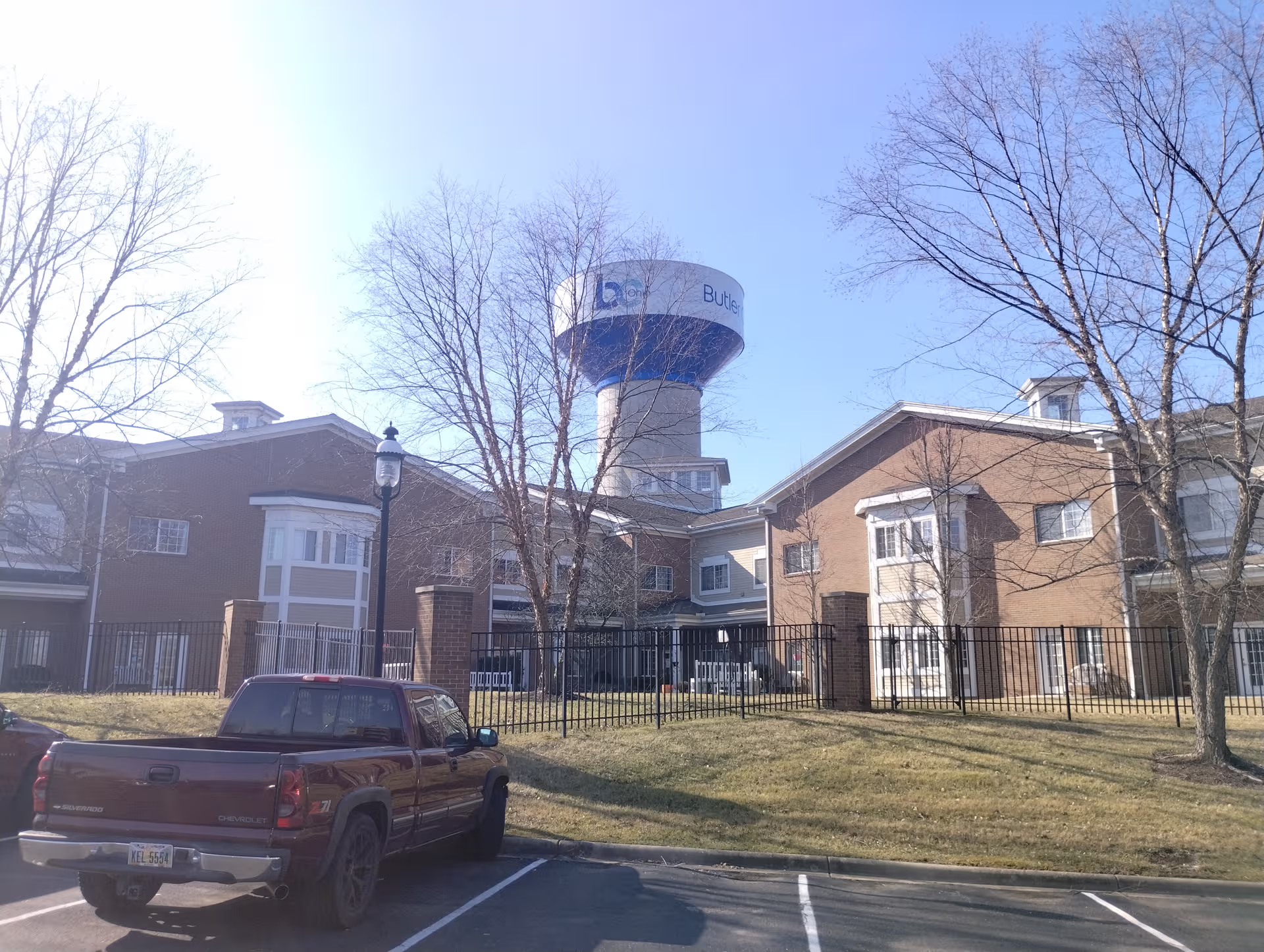
Reviews present a mixed picture of care at Hamilton Respiratory and Nursing, also referred to as The Laurels of Hamilton. Positive accounts describe residents making progress through physical therapy and rehabilitation after illness, surgery, or injury. Families and residents also praise skilled respiratory and tracheostomy care, support for complex needs, and staff who treat residents with kindness and dignity. Other accounts describe uneven care experiences, including concerns about delayed treatment, medication management, and attention to residents’ changing needs.
Staff experiences vary considerably. Some residents and families describe nurses, aides, therapists, and administrators as compassionate, attentive, and willing to provide updates or address questions. Nursing leadership and admissions staff receive particular praise in several positive accounts. In contrast, other reviewers describe inconsistent staffing, delays in call-light response, difficulty reaching staff by phone, and concerns about staff communication and professionalism. These differing accounts suggest that responsiveness may vary across shifts and resident experiences.
Dining feedback is also mixed. Some residents appreciated the meals and staff efforts to provide alternatives, while others described inconsistent food quality, limited portions, and concerns that dietary instructions or allergies were not consistently accommodated. Positive comments mention rehabilitation and therapy as central strengths. A reviewer also praised activities and social engagement, though the reviews provide limited detail on the regularity or range of activities.
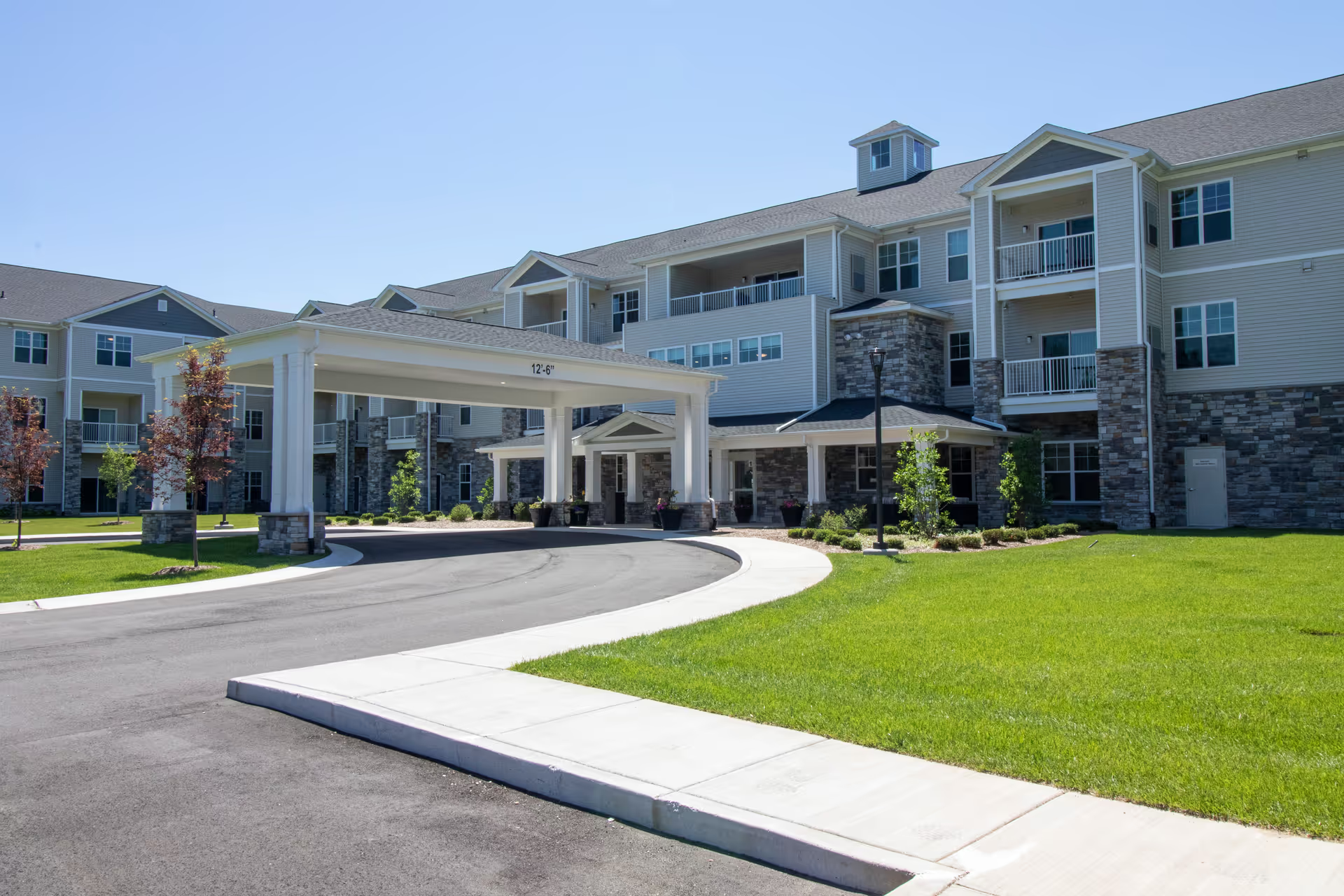
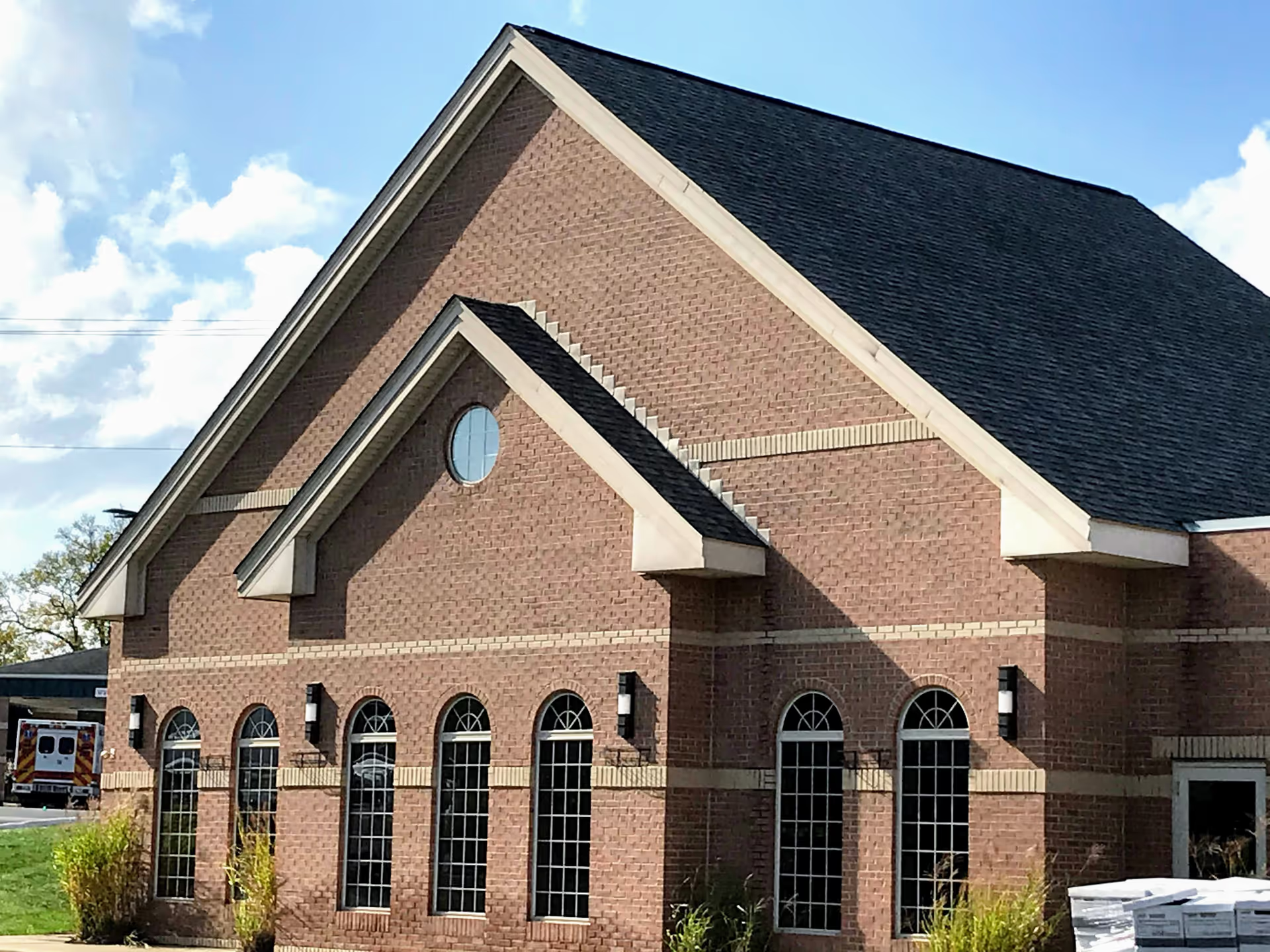
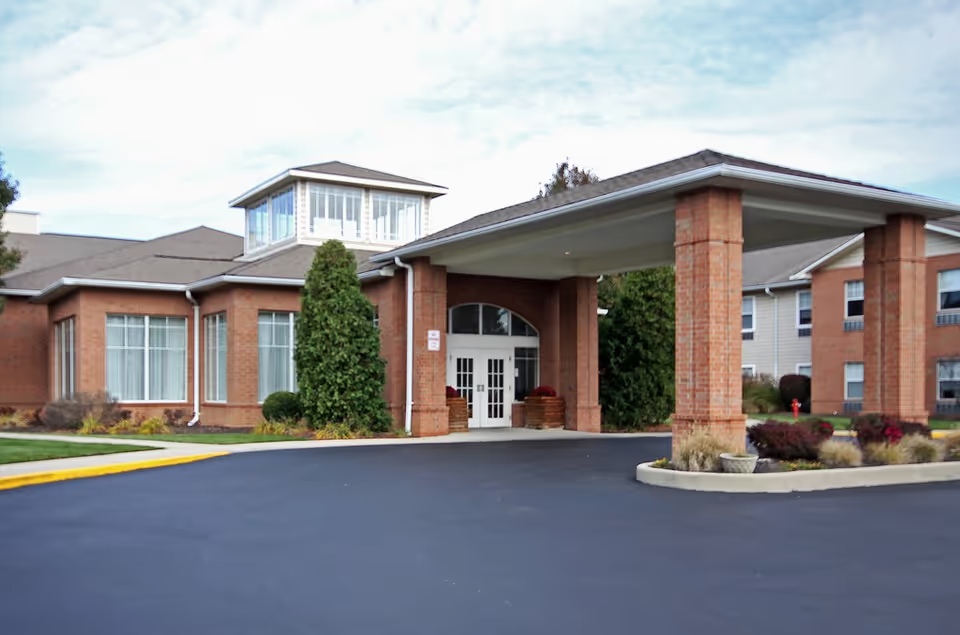
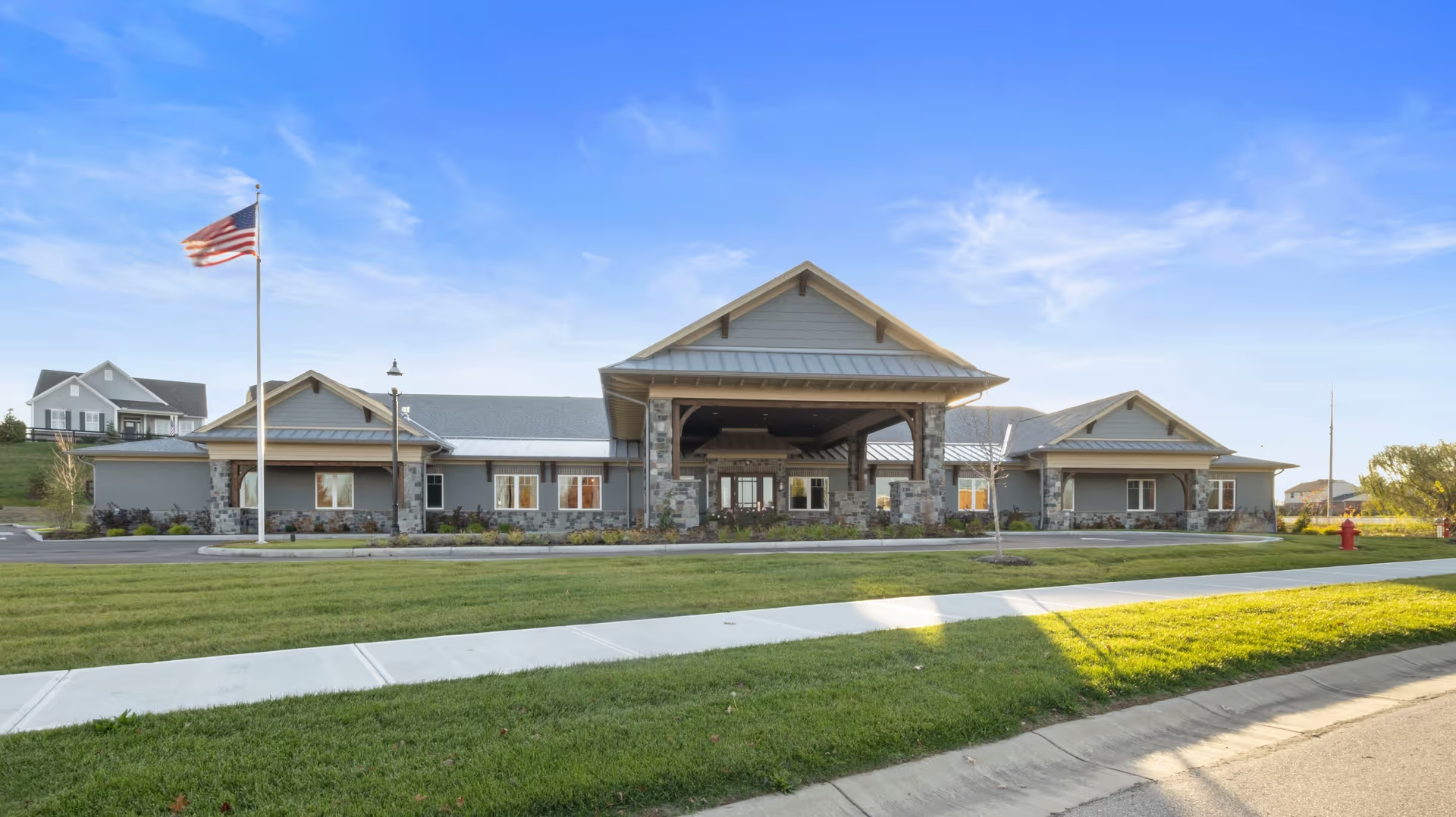
Facility conditions and oversight are recurring areas of concern. While one family described a clean, odor-free first impression, other accounts raise housekeeping, pest-control, and building-maintenance concerns, including aging equipment. Reviewers also described weaknesses in fall prevention, clinical follow-through, medication processes, and communication with families. Some accounts raised concerns about discharge coordination and continuity of care. A few highly serious individual accounts raised end-of-life care concerns and questioned responses to major clinical changes; these accounts cannot be independently assessed from the review text. Overall, prospective residents and families may wish to ask about staffing by shift, call-response practices, provider availability, medication safeguards, fall-prevention procedures, housekeeping, and how the facility communicates changes in care.