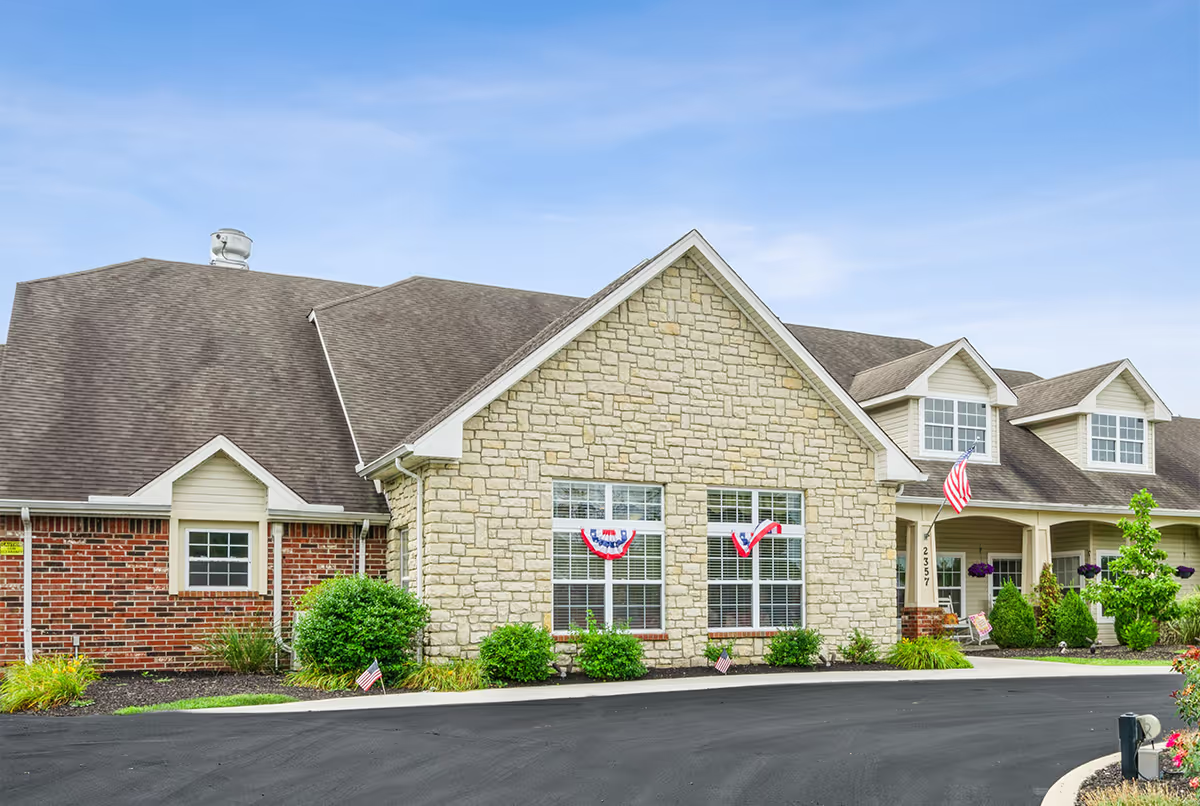
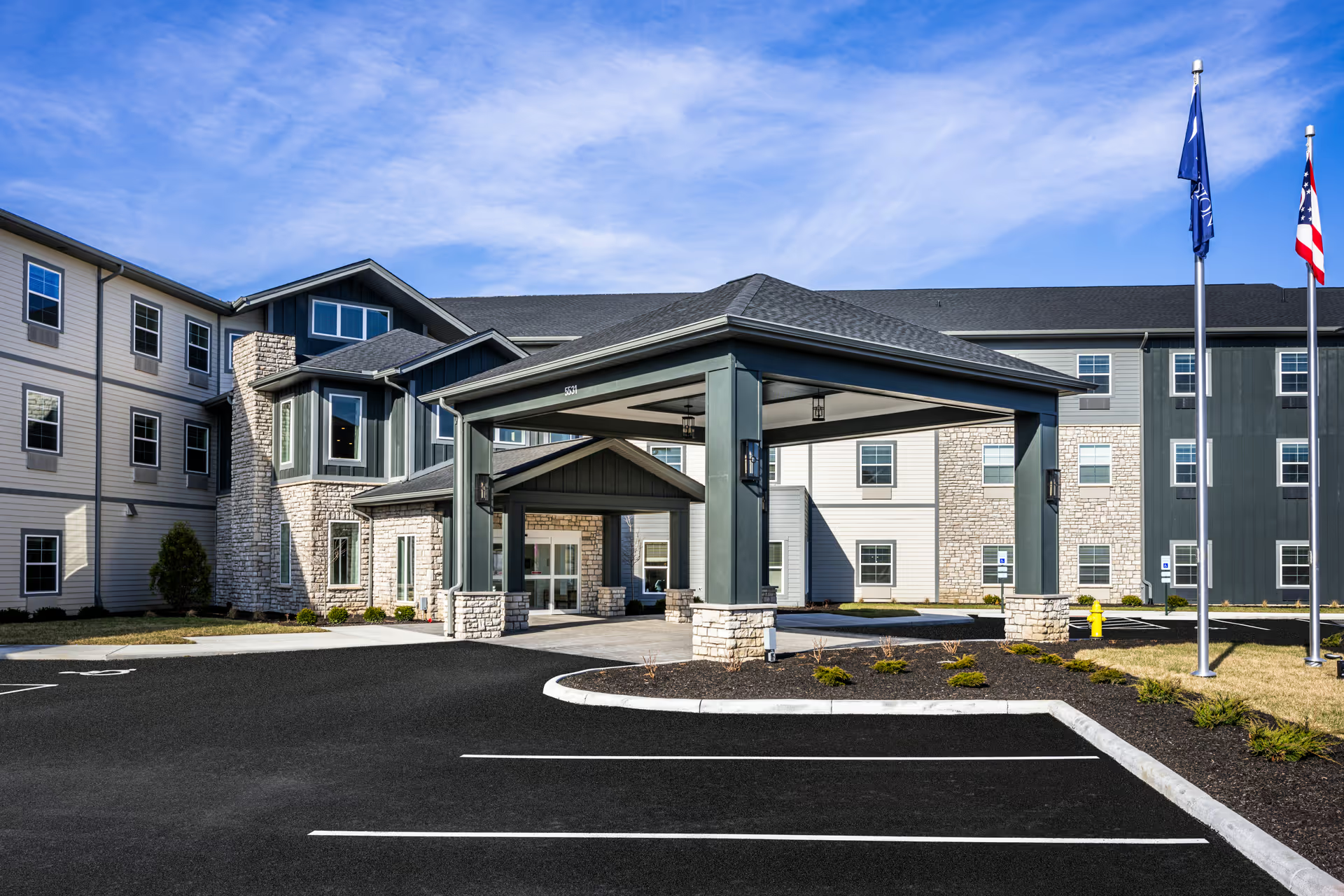
Huntington Court elicits strongly mixed impressions: many families and former residents praise the facility for its clean environment, pleasant rooms, strong therapy programs, and a caring culture among nurses and some aides, while other accounts describe significant clinical and operational shortcomings. Positive narratives emphasize successful short-term rehabilitation, skilled physical and occupational therapy, and administrative staff who are communicative and helpful with admissions and insurance matters. Several reviewers described meaningful personal attention from nurses and therapists, a warm, family-like atmosphere, and engaging activities that supported residents’ emotional well-being.
Care quality and staff performance appear uneven. Nursing and therapy teams are frequently praised for competence and encouragement, and many residents report tangible functional improvements and a supportive care culture. At the same time, reviewers describe inconsistent responsiveness from some aides and variability in staff tone and bedside attention. These accounts point to uneven staffing reliability and variable training/oversight at the direct-care level.
There are recurring clinical-safety themes that prospective families should evaluate closely. Concerns include medication and respiratory-device management lapses, delays or gaps in clinical monitoring that affected infection recognition, and weaknesses in fall-prevention and transfer-safety practices. A small number of reviewers raised serious allegations about individual staff conduct; others described safety hazards in resident rooms (obstacles, poor room setup) and instances of equipment not functioning as expected. These issues suggest the need to verify current staffing ratios, device maintenance protocols, and incident-response processes during any tour or admission conversation.
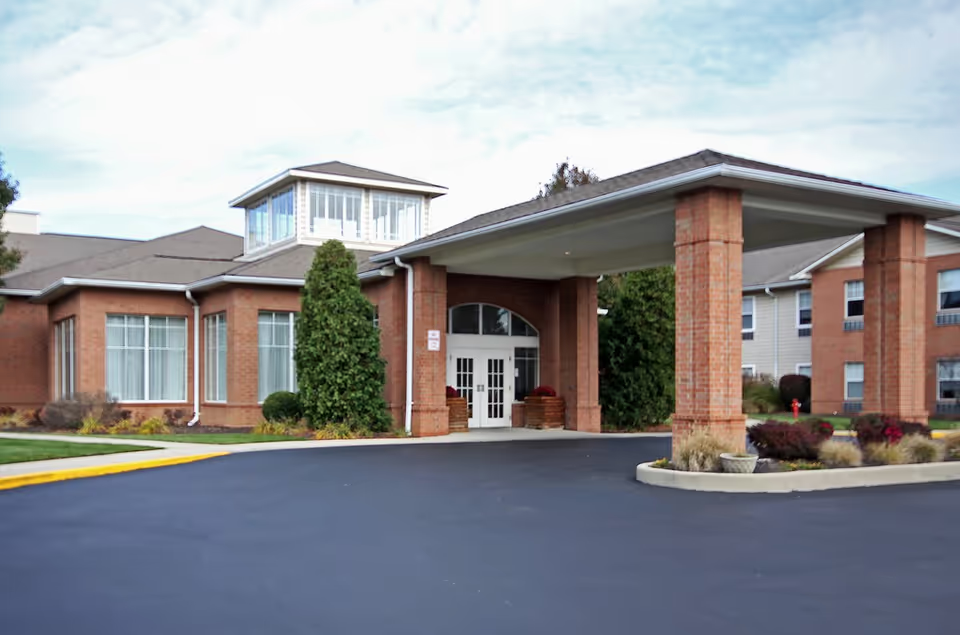
Dining and daily living experiences are mixed. The facility is generally described as tidy and well-maintained, but meal quality and service consistency vary: some residents enjoyed the food and social mealtimes, while others reported cold or inconsistent meal service. Activities and social programming receive favorable comments for creating camaraderie and contributing positively to residents’ moods. Renovation activity and a visible focus on upkeep were noted positively by several reviewers.
Management and administration receive mostly positive marks for organization, communication about admissions, and help with insurance appeals; these strengths are often cited as a stabilizing factor. However, some reviewers perceived an operational emphasis on compliance and paperwork over individualized care, and communication gaps with families about clinical concerns were reported in multiple accounts.
In summary, Huntington Court offers a strong rehabilitation program, clean facilities, and many compassionate clinical staff, particularly within therapy and nursing. Prospective residents and families should weigh these strengths against consistent themes of variability in aide responsiveness, clinical oversight gaps, and meal-service inconsistencies. When considering Huntington Court, ask for current staffing ratios, protocols for medication and respiratory-device management, fall-prevention policies, and examples of how administration addresses family concerns and serious incidents. This will help determine whether the facility’s current operations align with your loved one’s clinical and safety needs.