Overall impression: The feedback reflects a polarized set of experiences. Many commenters praise the facility's therapy programs, activity offerings, and a core of compassionate, dedicated staff that families found supportive. At the same time, other accounts describe operational weaknesses that meaningfully affected clinical outcomes, safety, or day-to-day comfort. Prospective residents and families should weigh the facility's strong rehabilitation and engagement resources against documented variability in nursing, housekeeping, and administrative processes.
Care and clinical oversight: Therapy services — physical and occupational — are consistently described as a strength, with several accounts noting substantial functional improvement and successful discharge outcomes. Social work and discharge-planning support are also highlighted positively. However, clinical-care consistency is a recurring concern: reviewers described gaps in wound assessment and post-operative monitoring, inconsistent medication coordination between attending clinicians and the house physician, and delayed responses to changing needs. These items suggest variability in clinical oversight and escalation processes that can affect recovery trajectories.
Staffing and staff conduct: Many individuals described staff as compassionate, attentive, and team-oriented; specific staff members and the activities director received repeated praise. Conversely, understaffing and shift shortages were linked to delayed assistance, ignored call lights, and reduced hygiene and toileting assistance. Some accounts raised concerns about staff conduct, including tone, responsiveness, and isolated allegations of discriminatory behavior. Together these points indicate a workforce with notable strengths but uneven performance and supervision.
Dining and activities: Communal dining spaces and activity programming receive strong positive commentary: clean, well-decorated dining rooms, frequent events, outings, and varied entertainment are described as meaningful contributors to resident quality of life. Meal quality appears inconsistent across accounts — described in some cases as tailored and attentive, and in others as repetitive or low in variety — indicating variable culinary execution or menu planning.
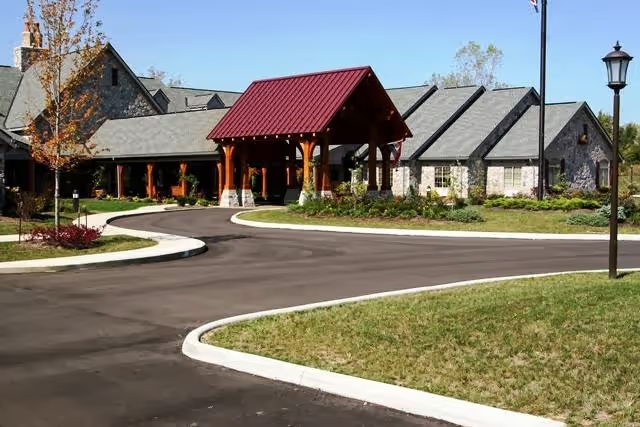
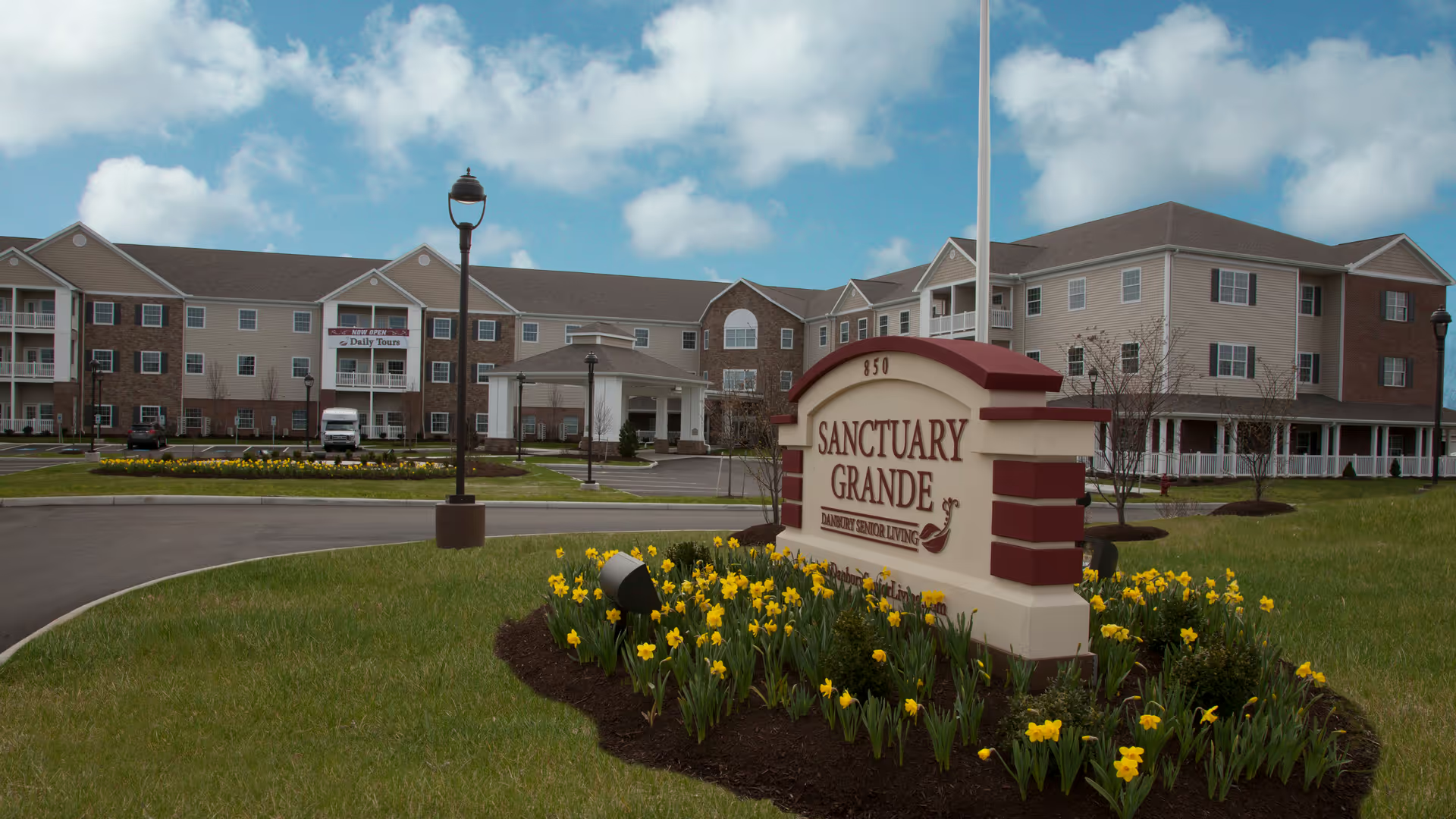
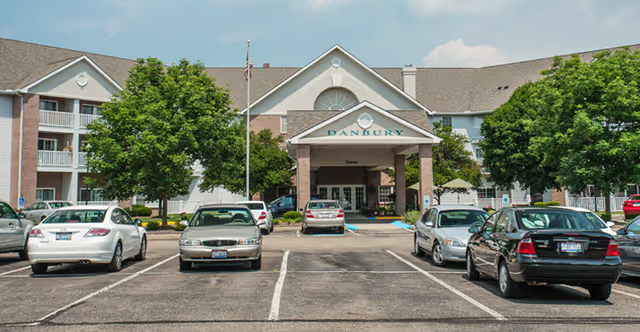
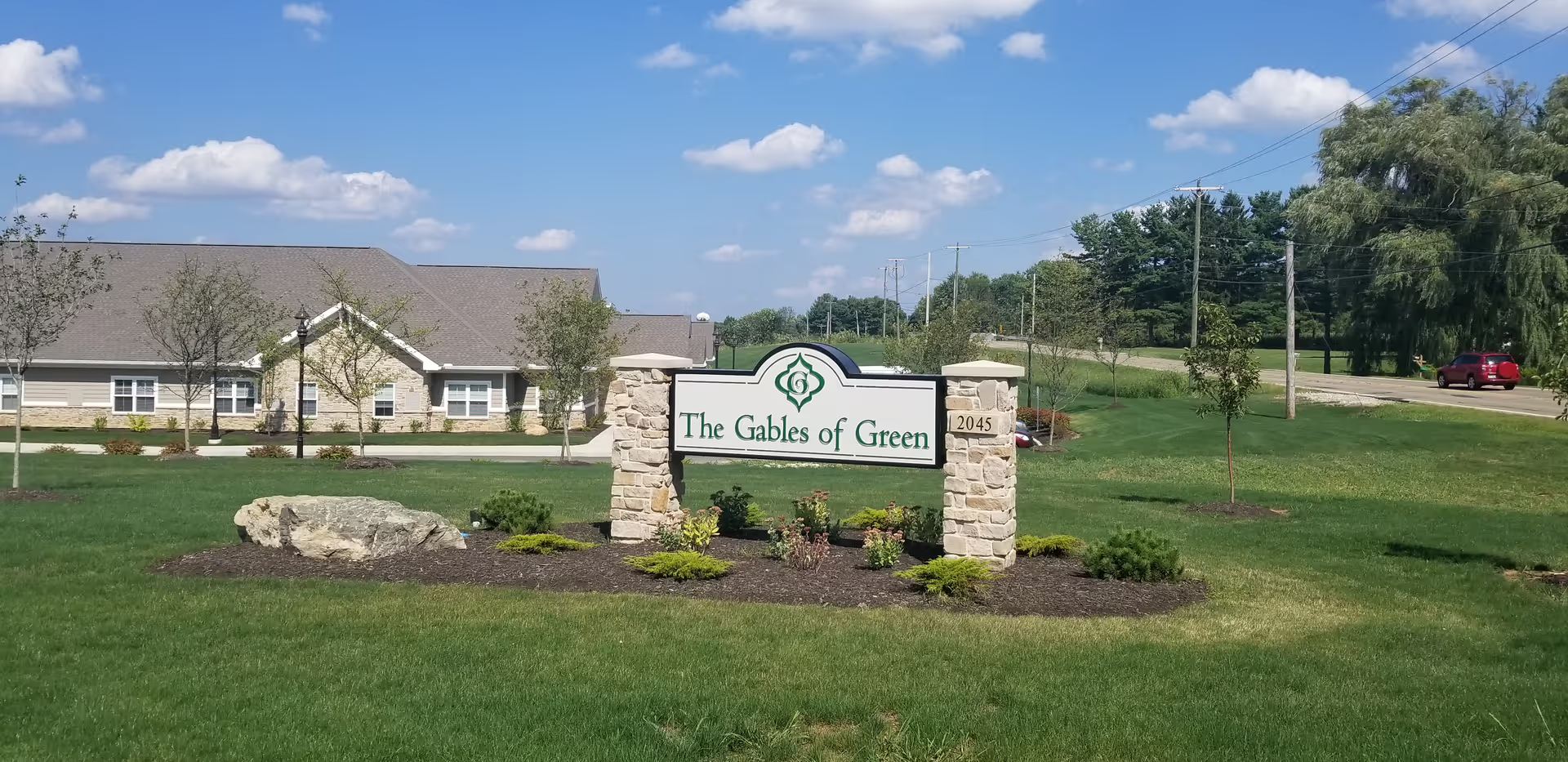
Facilities, cleanliness, and accessibility: Common areas and some rooms are described as clean and welcoming, yet other comments describe sanitation and housekeeping inconsistencies, odor concerns, and maintenance lapses (for example, HVAC/filters and room upkeep). Physical plant limitations are also noted: limited private-room availability, rooms with few windows, unfinished surfaces in places, and site-level accessibility issues (few sidewalks and poorly lit adjacent roads) that affect mobility and community access.
Management, administration, and safety systems: Reports about management responsiveness are mixed — some families experienced timely, helpful administrative support and good discharge coordination, while others encountered billing errors, delayed follow-up on missing items, and unsatisfactory incident follow-up. Several accounts raise concerns about transfer and positioning practices and infection-control consistency, which point to opportunities for stronger protocols, staff training, and oversight. Allegations around personal-property handling and rare but serious clinical outcomes led reviewers to emphasize the need for clearer accountability and communication pathways.
Notable patterns and recommendations for families: The facility appears to perform strongly for rehabilitation-focused stays and for residents who benefit from active programming and therapy. However, variability in nursing care, housekeeping, medication coordination, and administrative processes emerged repeatedly. Families touring the site should observe shift staffing levels, ask about wound-care and infection-control protocols, review incident- and property-accountability processes, confirm billing and insurance procedures, and evaluate room options for privacy and natural light. An in-person assessment of unit cleanliness, response times (call lights), and a conversation with therapy and nursing leadership will help align expectations with the facility's strengths and limitations.