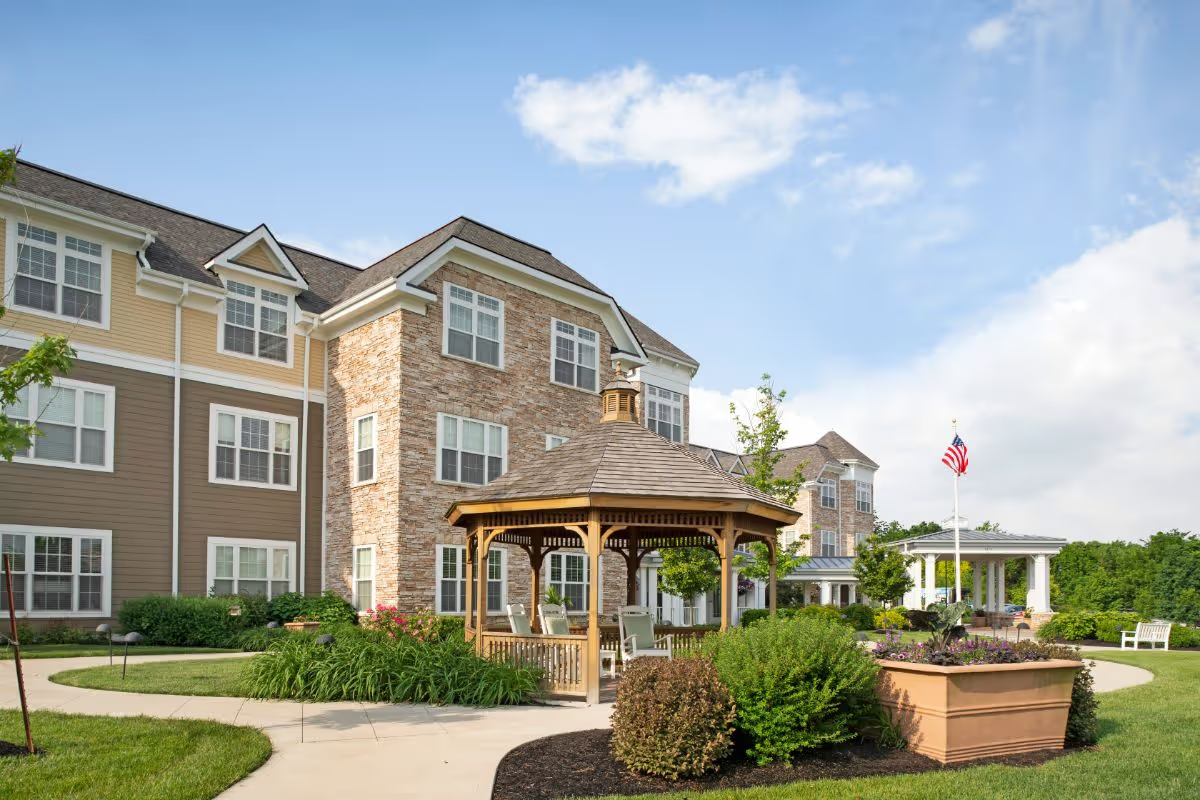
Reviewers portray Harmony Trace as a facility with strong interpersonal strengths and an attractive physical environment alongside a set of operational inconsistencies that prospective residents and families should weigh. Positive comments emphasize a caregiving culture centered on compassion and family engagement. Many describe staff as caring, attentive, and resident-focused, and reviewers highlight dedicated aides and nursing availability. Several accounts also praise the memory-care programming, social atmosphere, and the facility’s garden and common spaces, describing the design as inviting and well maintained. Admissions and tour experiences are repeatedly noted as positive, and leadership is described in favorable terms by some families.
Care quality appears to be mixed. While there is frequent praise for compassionate caregivers and attentive staff, other comments point to uneven responsiveness and variable performance within memory care. This translates into a pattern where the overall approach to residents is warm and relational, but the timeliness and consistency of hands-on care can vary by shift or unit. Families who prioritize strong day-to-day responsiveness should discuss staffing patterns and response-time expectations during a tour.
Dining and activities receive mixed evaluations. Some reviewers describe stimulating programming, a vibrant memory-care unit, and excellent activities supported by attractive outdoor spaces. At the same time, others mention average food quality and limited activities in certain areas. That suggests programming and meal quality may be dependable in some wings or at certain times but inconsistent across the whole community. Prospective residents may want to sample meals and review the activity calendar specific to the unit they are considering.
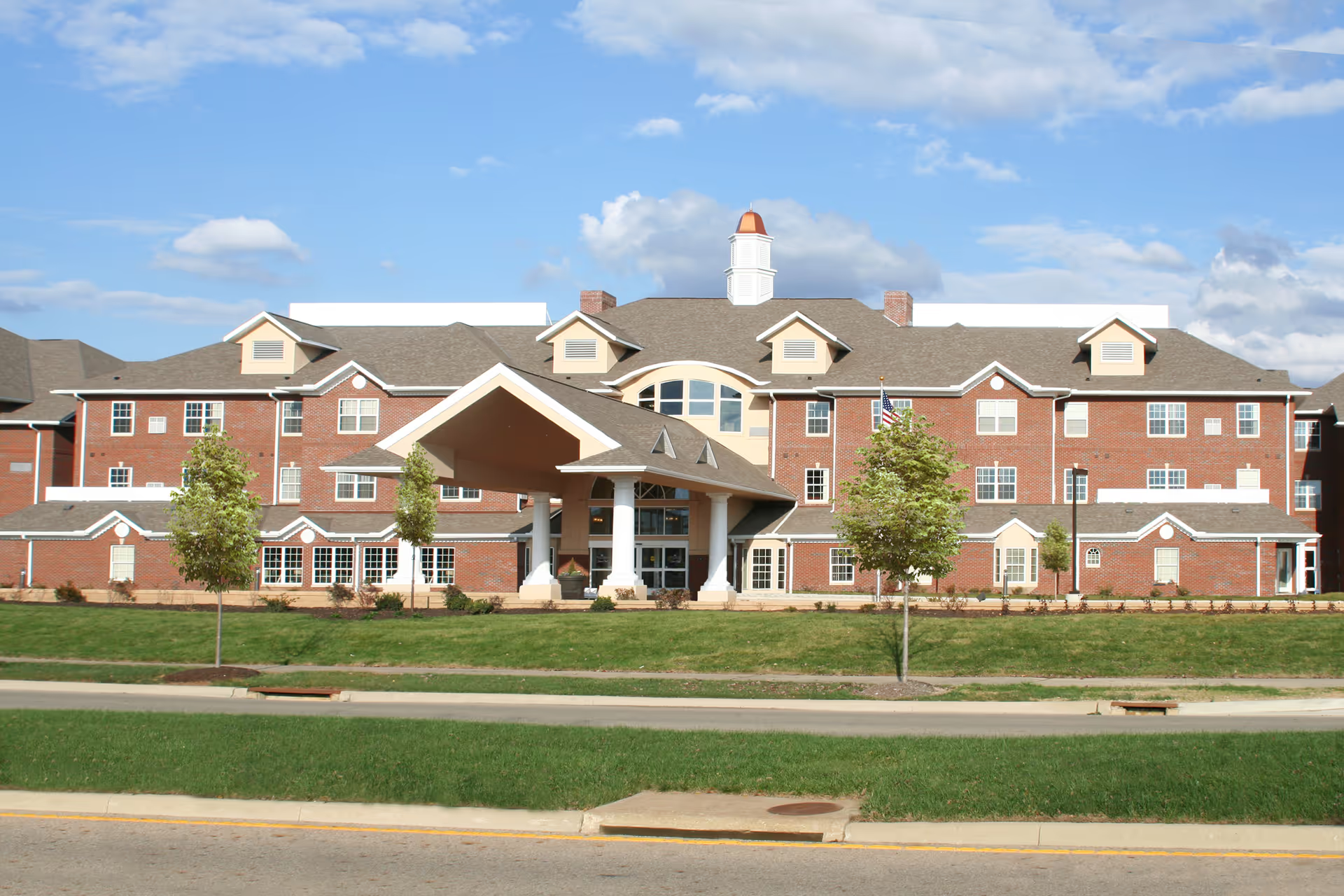
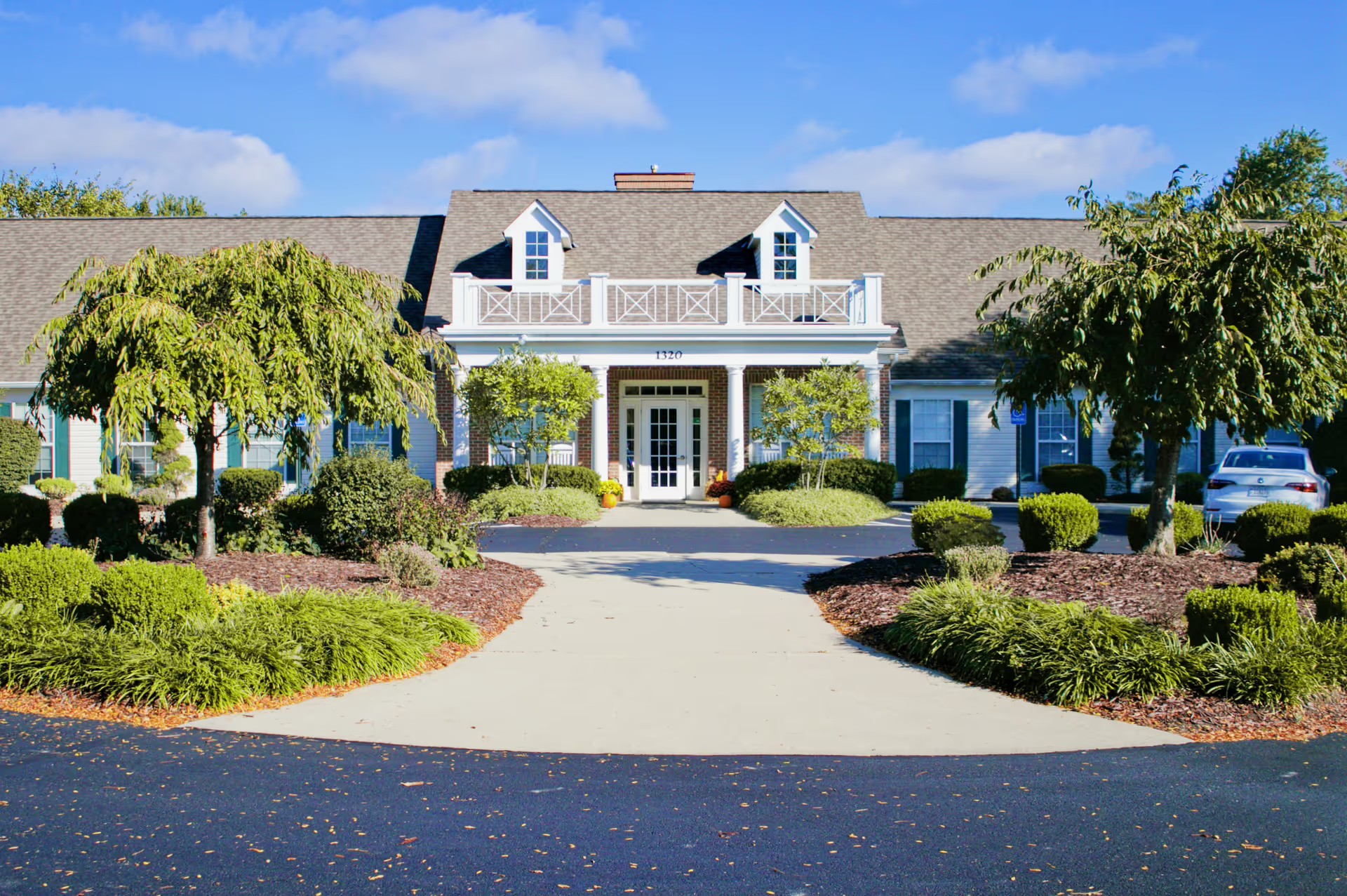
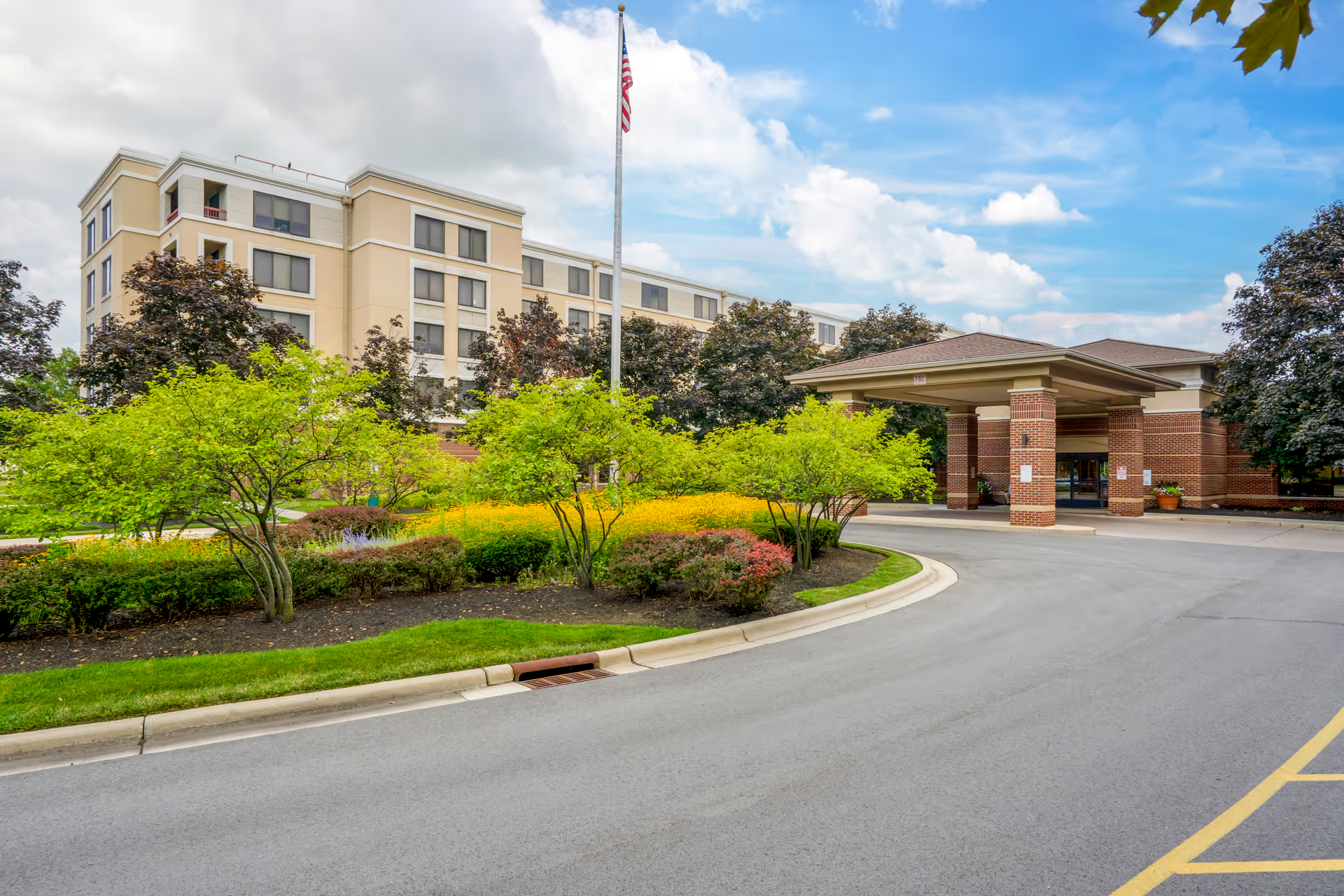
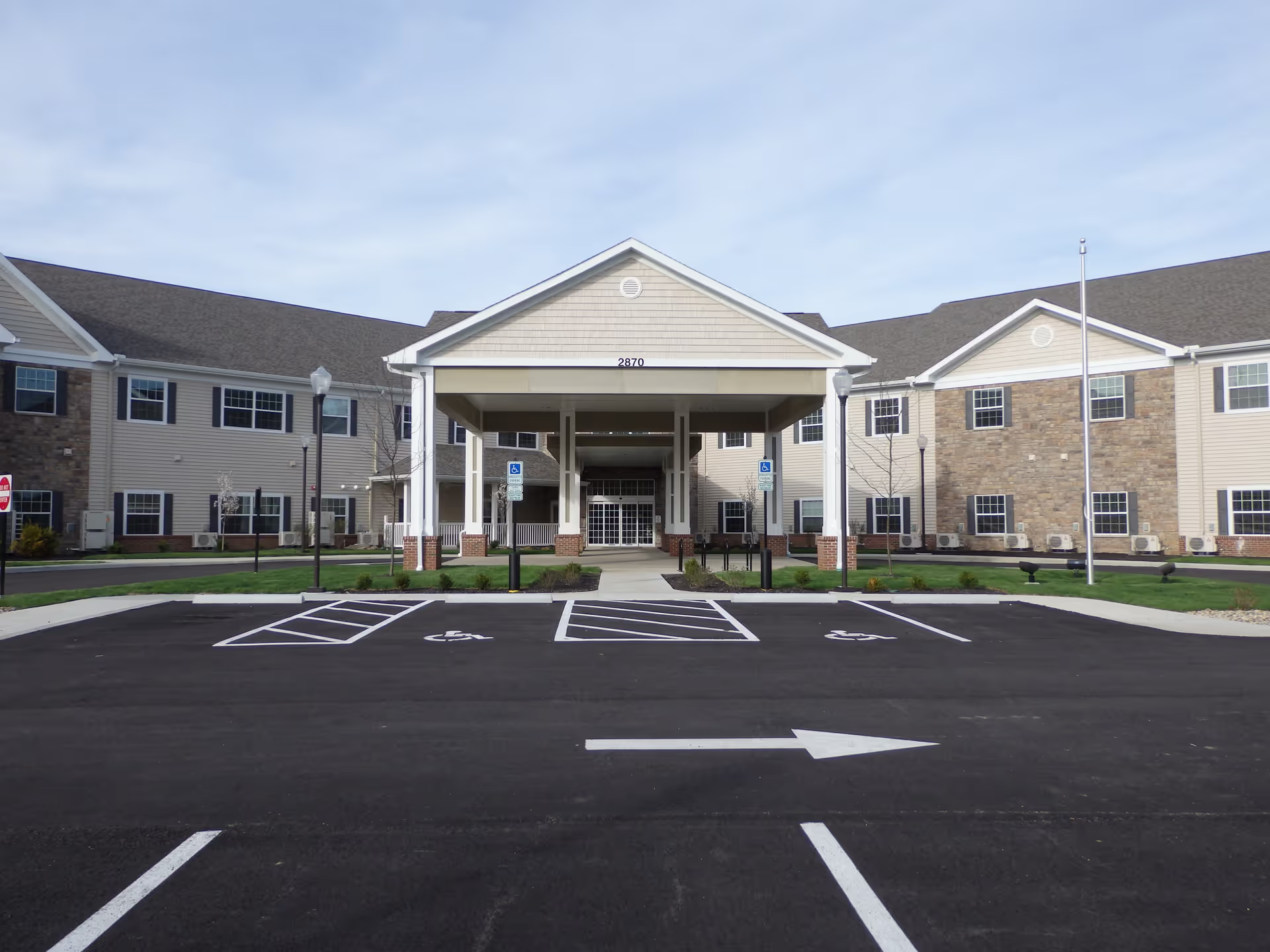
Facility condition and amenities are generally praised: the building and grounds are described as clean, thoughtfully designed, and attractive. Noted operational issues include HVAC/temperature-control problems and inconsistent laundry service, both of which affect daily comfort. Cost is also a recurrent concern—care is described as expensive—so families should obtain a clear fee schedule and understand what services are included.
Management and policy areas include both strengths and constraints. Professional leadership and positive staff–family relationships appear to be a strength, yet some families experienced restrictive visitation during infection-control events (e.g., COVID-related policies) and encountered delays in response. These items suggest that while leadership is visible and community-oriented, policies and operational execution during high-stress periods may feel rigid to some families.
Overall, Harmony Trace presents as a community with clear relational and environmental advantages—warm staff, engaged families, attractive spaces, and strong leadership—balanced against operational variability in responsiveness, certain support services, and cost. Prospective residents and families should prioritize a unit-specific walkthrough, ask for examples of staffing consistency, review dining and activity schedules for the intended unit, and obtain detailed, written cost and service information before making a decision.