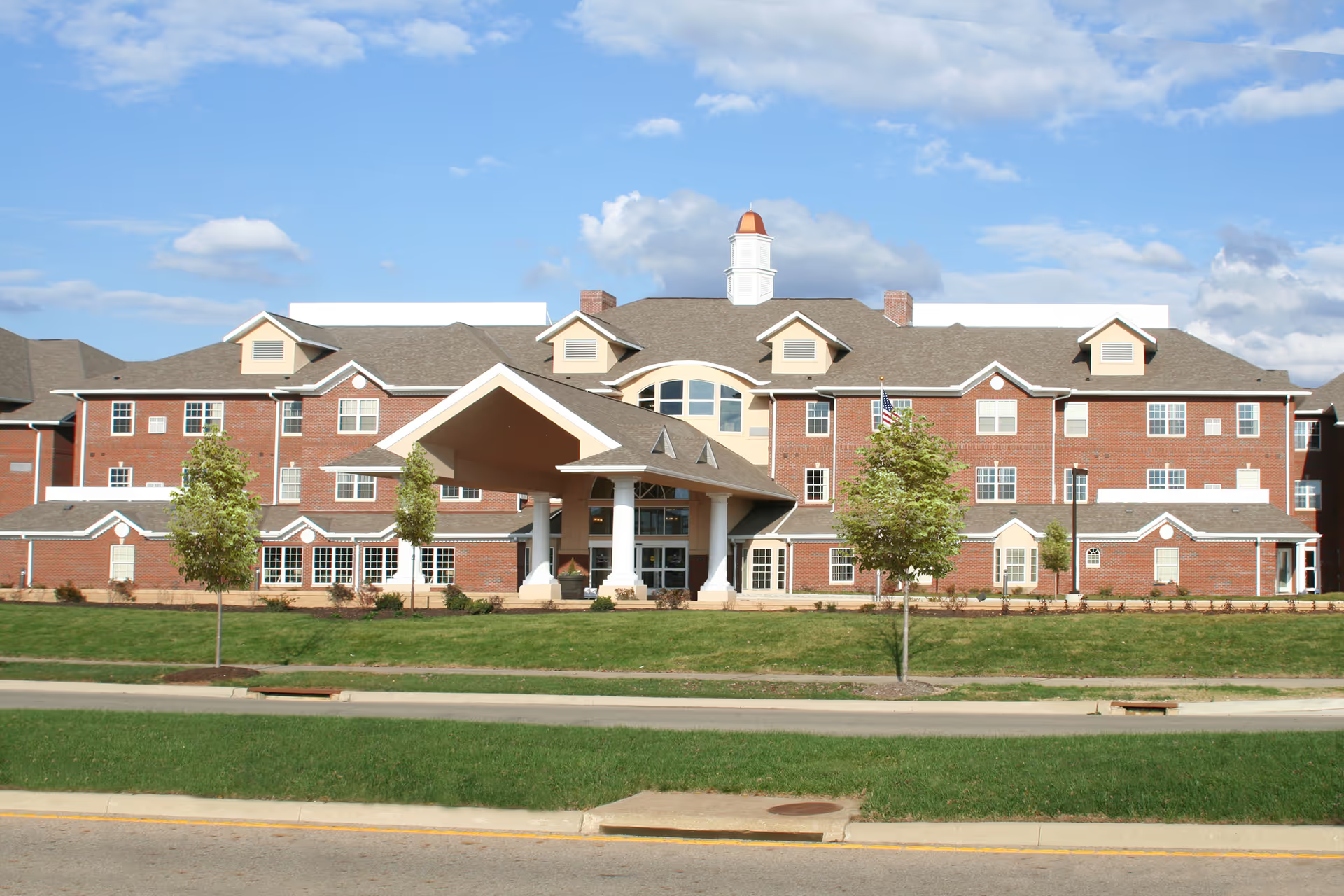
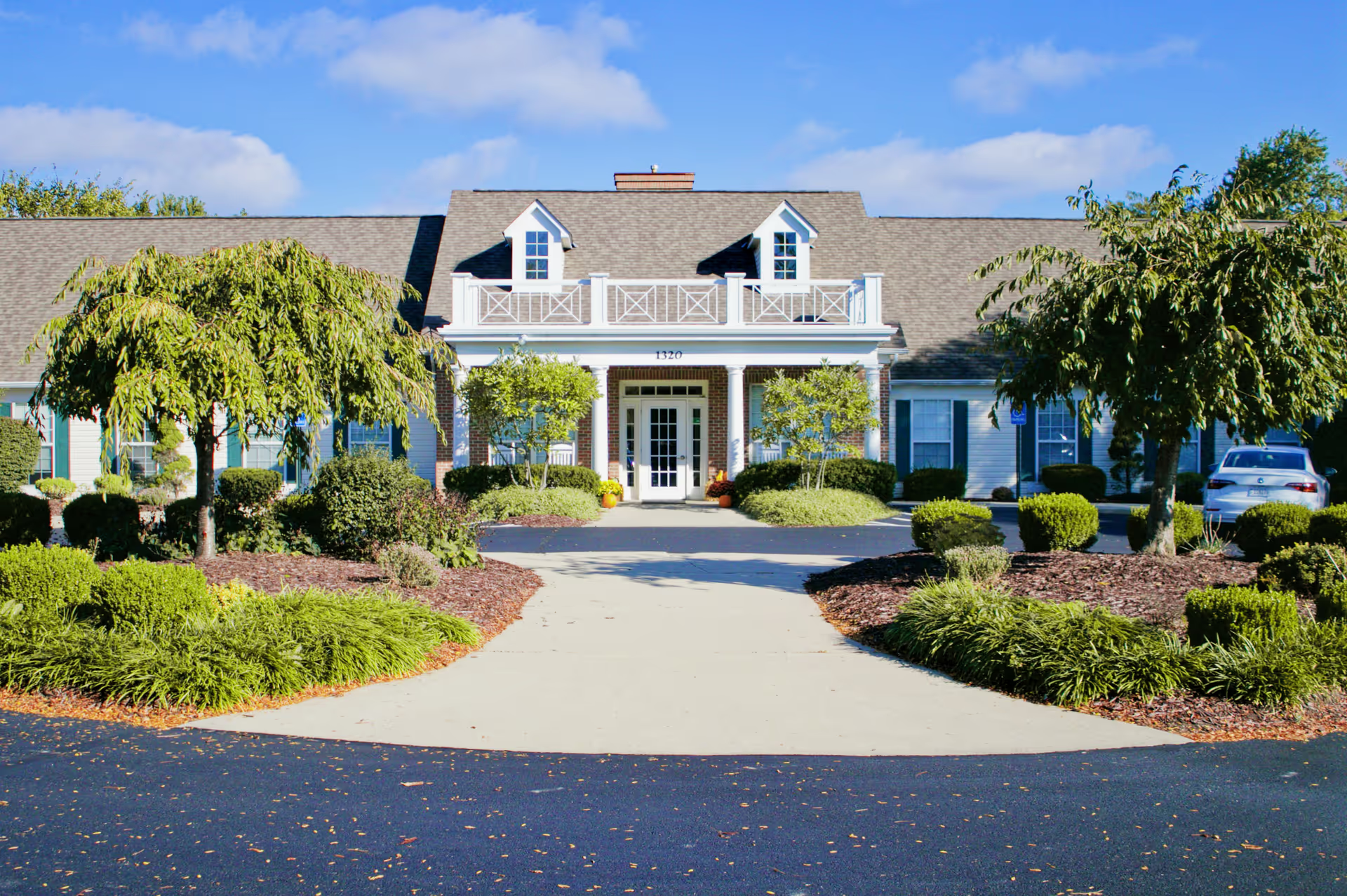
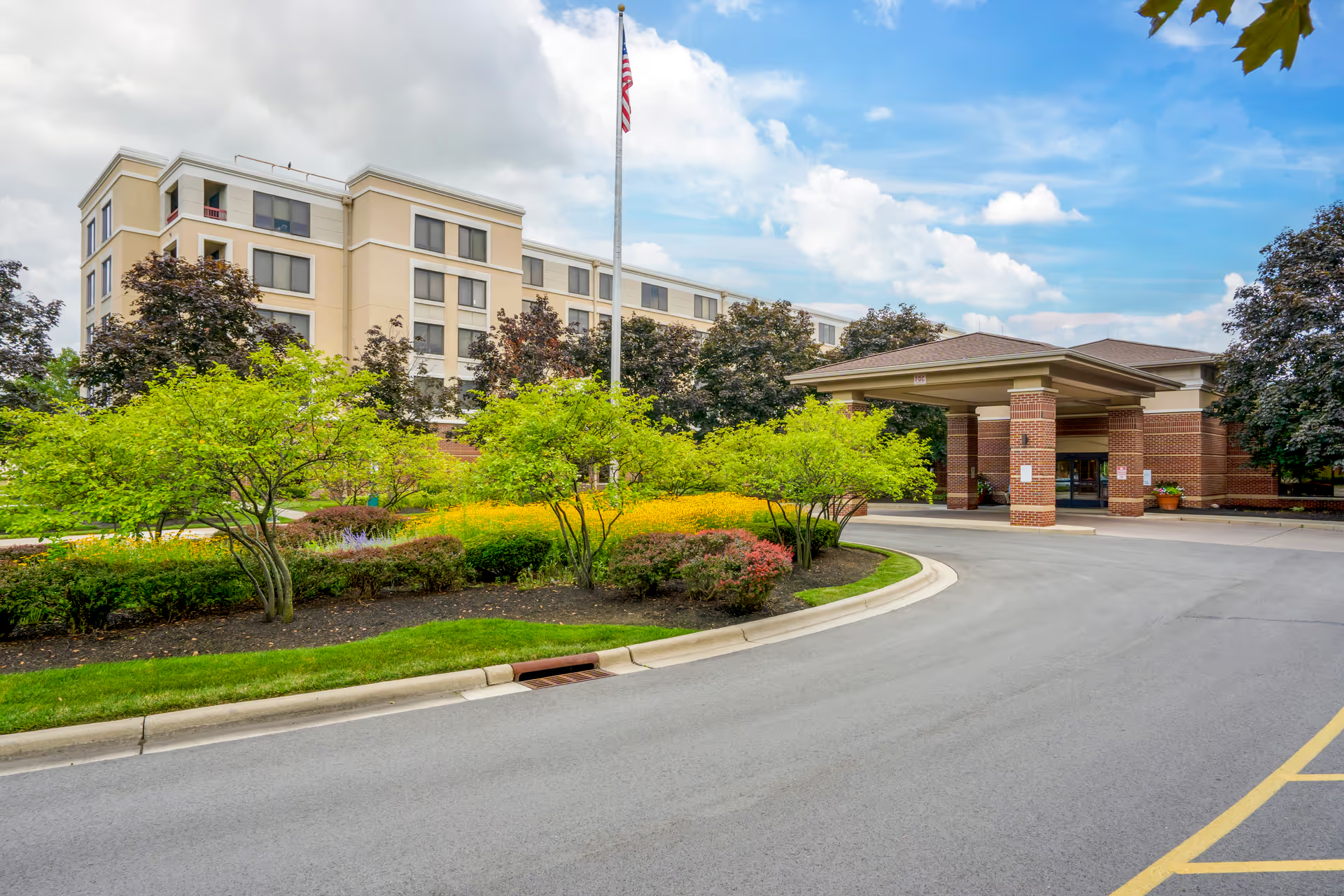
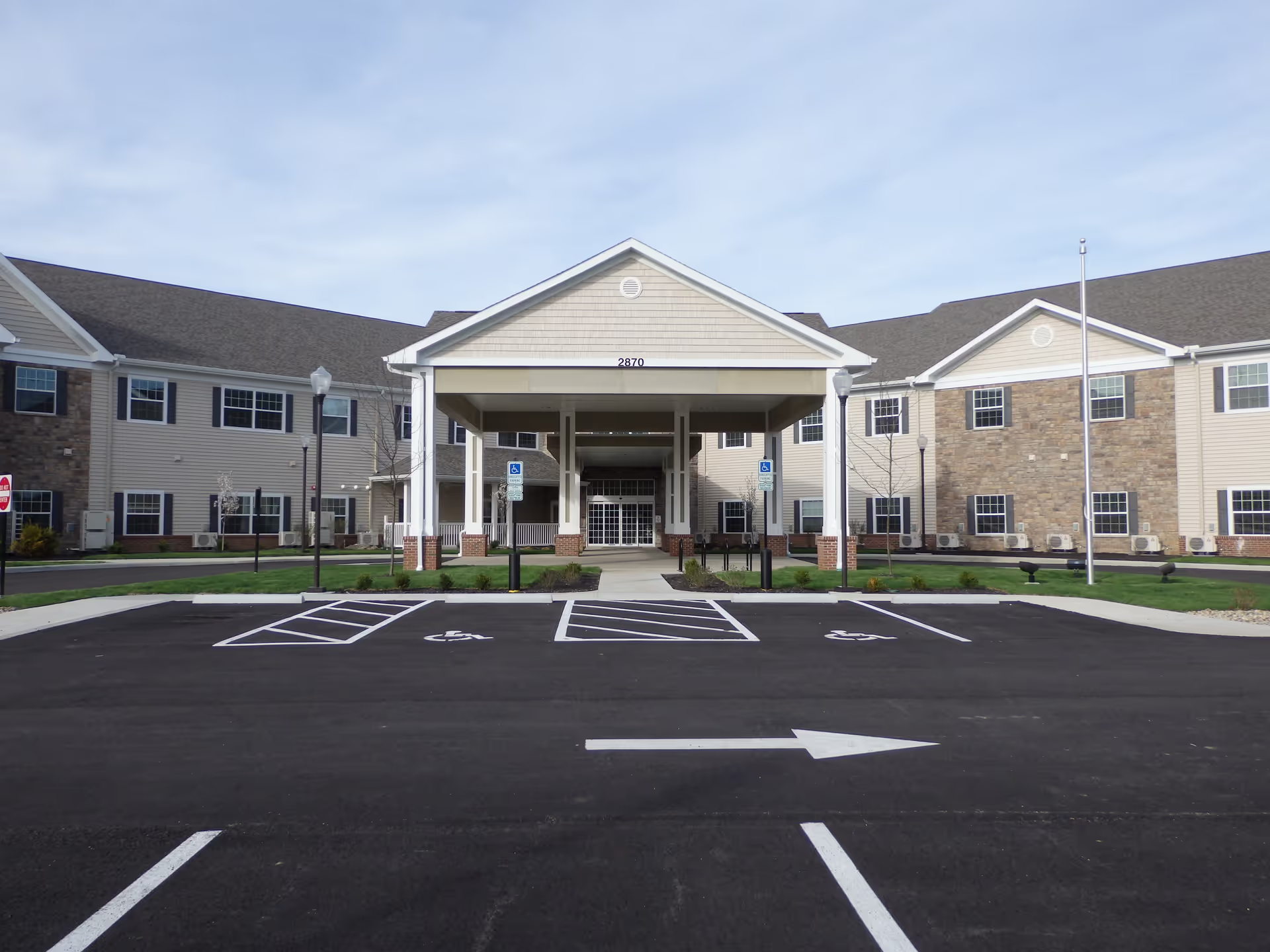
Reviews for Mill Run present a mixed picture: many families and former patients praise the facility for its rehabilitation services, therapy teams, communal spaces and overall cleanliness, while other accounts describe operational and clinical inconsistencies that warrant attention. Positive feedback centers on hands-on therapy (PT/OT/speech), an effective inpatient rehab program, comfortable rooms with practical built-ins, attractive grounds and courtyard spaces, and a robust activity schedule that includes music, crafts, therapy animals and social events. Several reviewers called out specific social-work and admissions staff for helpful coordination, timely transportation and effective discharge planning.
Clinical care quality appears uneven across shifts and units. Strengths include highly regarded therapists and some conscientious nursing teams; however, multiple accounts describe lapses in clinical oversight such as delayed recognition or treatment of infections, missed or incomplete medication courses, and inconsistent documentation of vital signs. These clinical issues are linked to broader operational patterns — variable staffing levels (including use of temporary or agency staff), inconsistent training, and gaps in nursing supervision — that create inconsistent day-to-day care experiences.
Safety and personal-care concerns recur as themes. Reviewers describe delays in responding to call lights, inconsistent bathing and incontinence-care practices, and instances where falls-prevention measures (bed alarms, guard mats, or attendant coverage) were not in place or consistently applied. There are also descriptions of inconsistent wound and catheter care. Together these suggest systemic weaknesses in staffing deployment, monitoring protocols and handoff communication rather than isolated events.
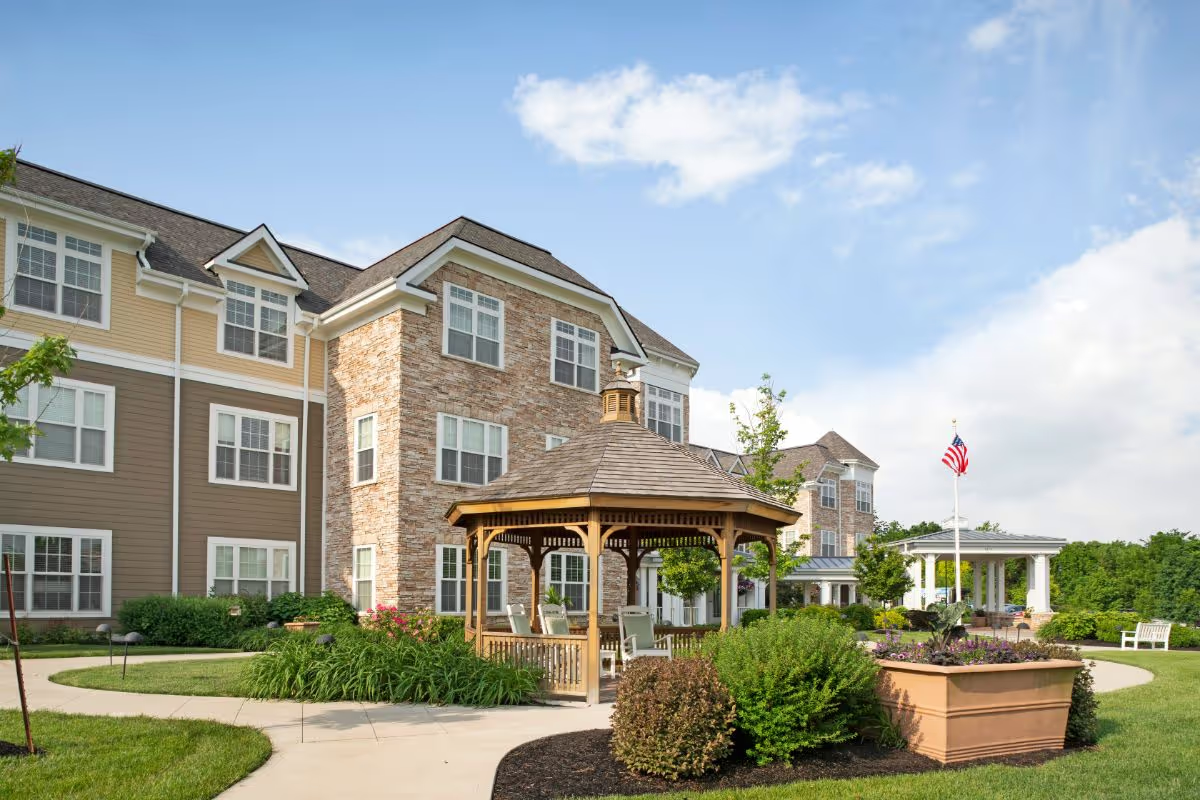
Dining, activities and facility environment are frequently cited positives. Meals are often described as home-style or restaurant-quality with a bistro option for substitutions; activity programming (music, word games, outings, holiday events) and well-kept gardens are regular strengths. At the same time, reviewers mention occasional inconsistencies in meal quality, food handling, and availability of snacks or special items.
Management and communication present a contrast. Some families praise visible, responsive administrators and specific social workers who facilitate care coordination and insurance navigation. Other families describe poor follow-through on concerns, billing and discharge coordination problems, delayed or unreturned calls, and a lack of accountability when issues are raised. There are also serious, isolated claims — including an allegation of falsified documentation and several accounts of clinically significant oversights that led to hospital readmission — that families should evaluate carefully during a tour and intake conversation.
Notable patterns for prospective residents and families to consider: the facility demonstrates strong rehabilitative capacity and many attentive, long-tenured staff, but experiences appear highly dependent on unit, shift, and staff assignment. If considering Mill Run, ask about current staffing ratios, weekend coverage, use of agency staff, protocols for infection monitoring and wound care, falls-prevention measures, and escalation pathways for family concerns (including contact information for administration and external oversight such as the ombudsman). A guided tour that includes a discussion of clinical oversight, recent quality metrics, and examples of how the facility addresses family complaints will help clarify whether the day-to-day operations match the positive examples cited in many reviews.