Overall impression: The facility elicits a mixed picture. Clinical and therapy teams—particularly nursing staff and aides—are frequently described as compassionate, attentive, and supportive, and the rehabilitation/physical-therapy program receives consistent praise for promoting independence. Many families noted positive interactions during caregiving, routine activities that engage residents, and visible improvements to the building and common areas. Administrative phone staff can be helpful, and meal quality is generally described as acceptable.
Care quality and clinical coordination: Frontline clinical care (nursing and aides) is a clear strength, with staff praised for providing hands-on assistance and individualized therapy aimed at self-sufficiency. However, patterns emerge indicating inconsistent responsiveness to basic needs (for example, assistance with toileting and access to beverages), and reviewers identify instances where individualized care plans were not followed. There are also reports of delays in physician follow-up and diagnosis in some clinical situations, suggesting gaps in clinical coordination between on-site staff and medical providers. Families should verify how care plans are documented and monitored, and ask about on-call physician procedures.
Staffing, conduct, and management: Reviews present a contrast between caring bedside staff and concerns about management practices. Praise is repeatedly directed at nurses and aides for direct resident care, yet other comments describe rude or demeaning interactions from some staff and inconsistent phone/ admission experiences. Several comments raised serious concerns about personnel-management practices, including abrupt policy changes, punitive actions toward staff, and difficulties for family members or former employees seeking redress; these comments suggest potential instability or adversarial labor practices at the administrative level. There are also notes about poor communication and unreliable callbacks to families.
Safety, belongings, and emergency response: Multiple accounts point to operational issues that affect resident safety and possessions. Reviewers mention missing personal clothing and difficulty tracking belongings, which implies weaknesses in property-management and storage procedures. There are also reports of delayed ambulance/EMS response and tense interactions with external responders, indicating a need to clarify emergency protocols and on-site coordination. Families should ask about the facility’s emergency response plans and personal-item tracking procedures.
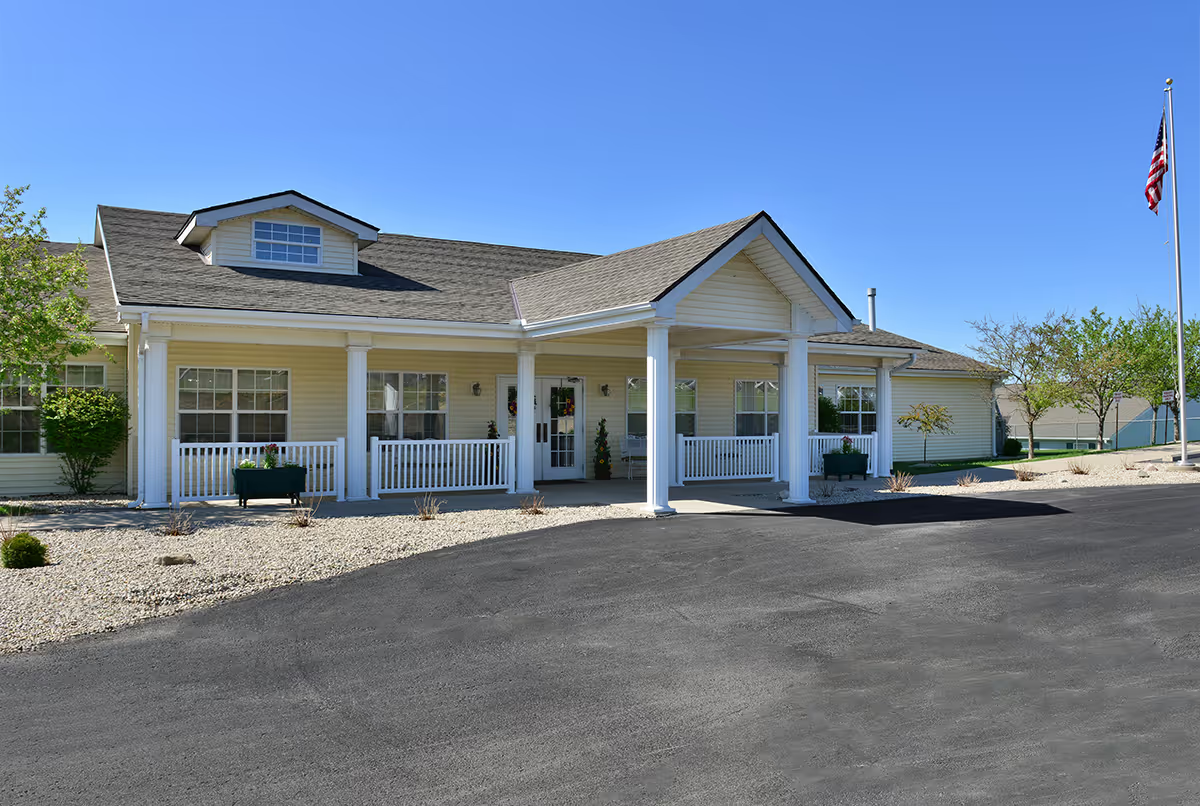
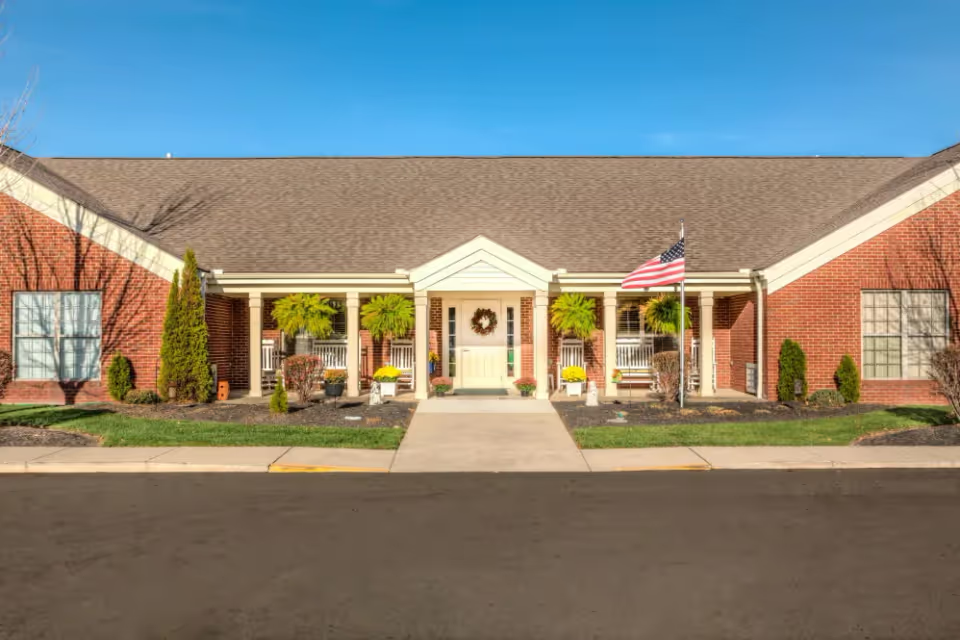
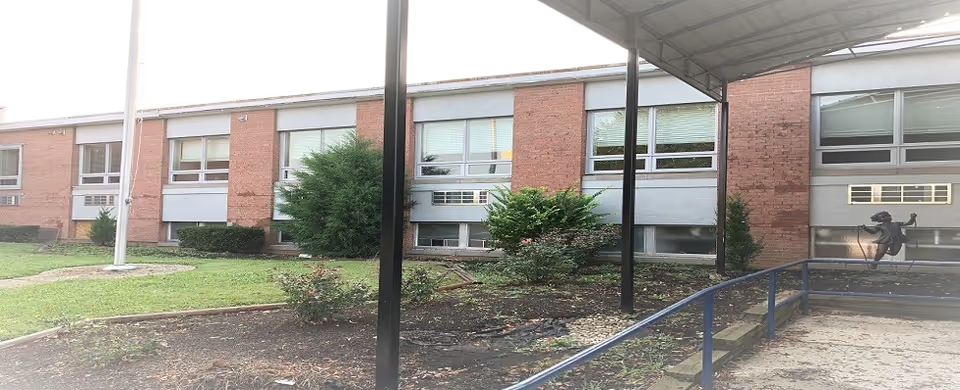
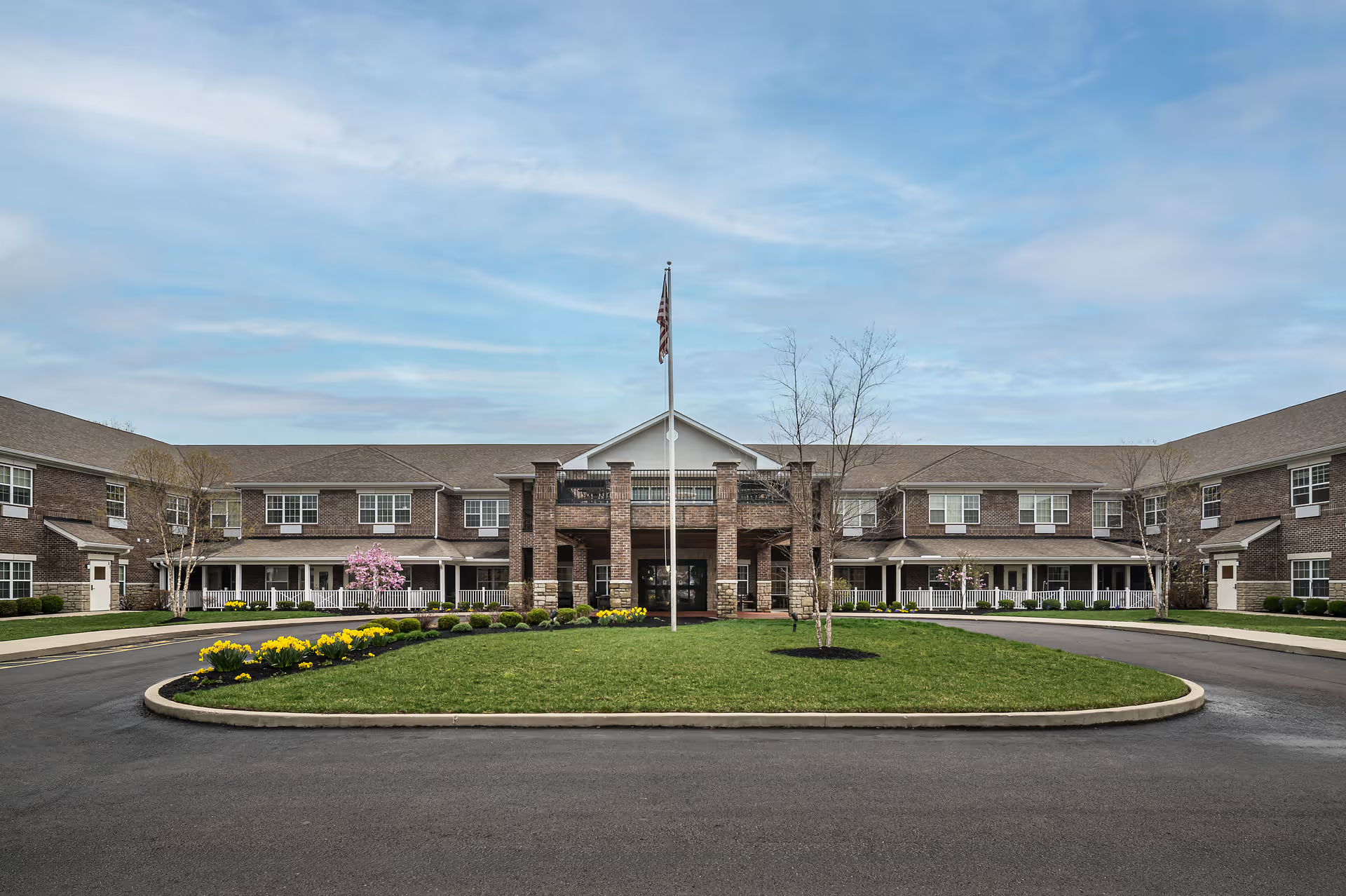
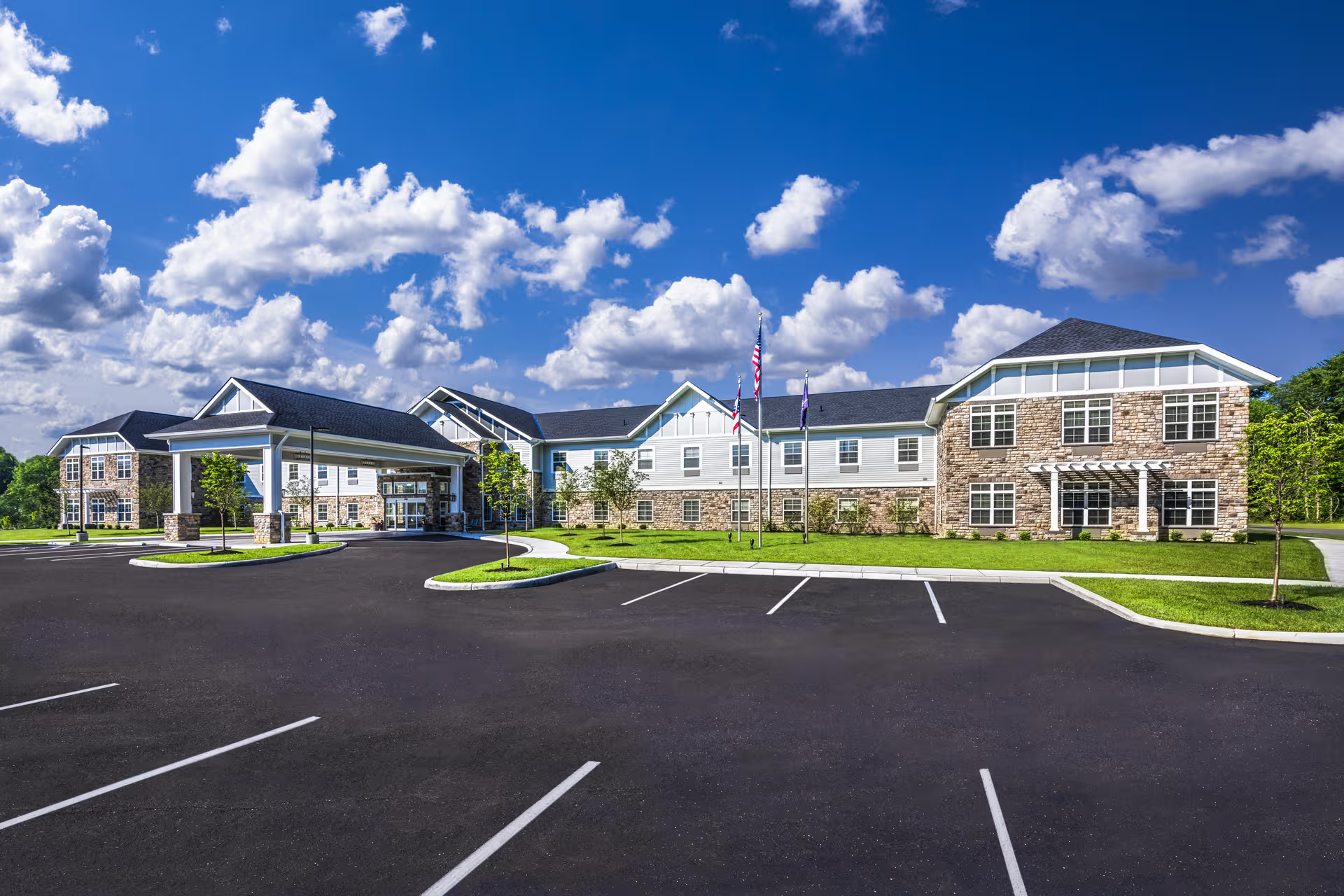
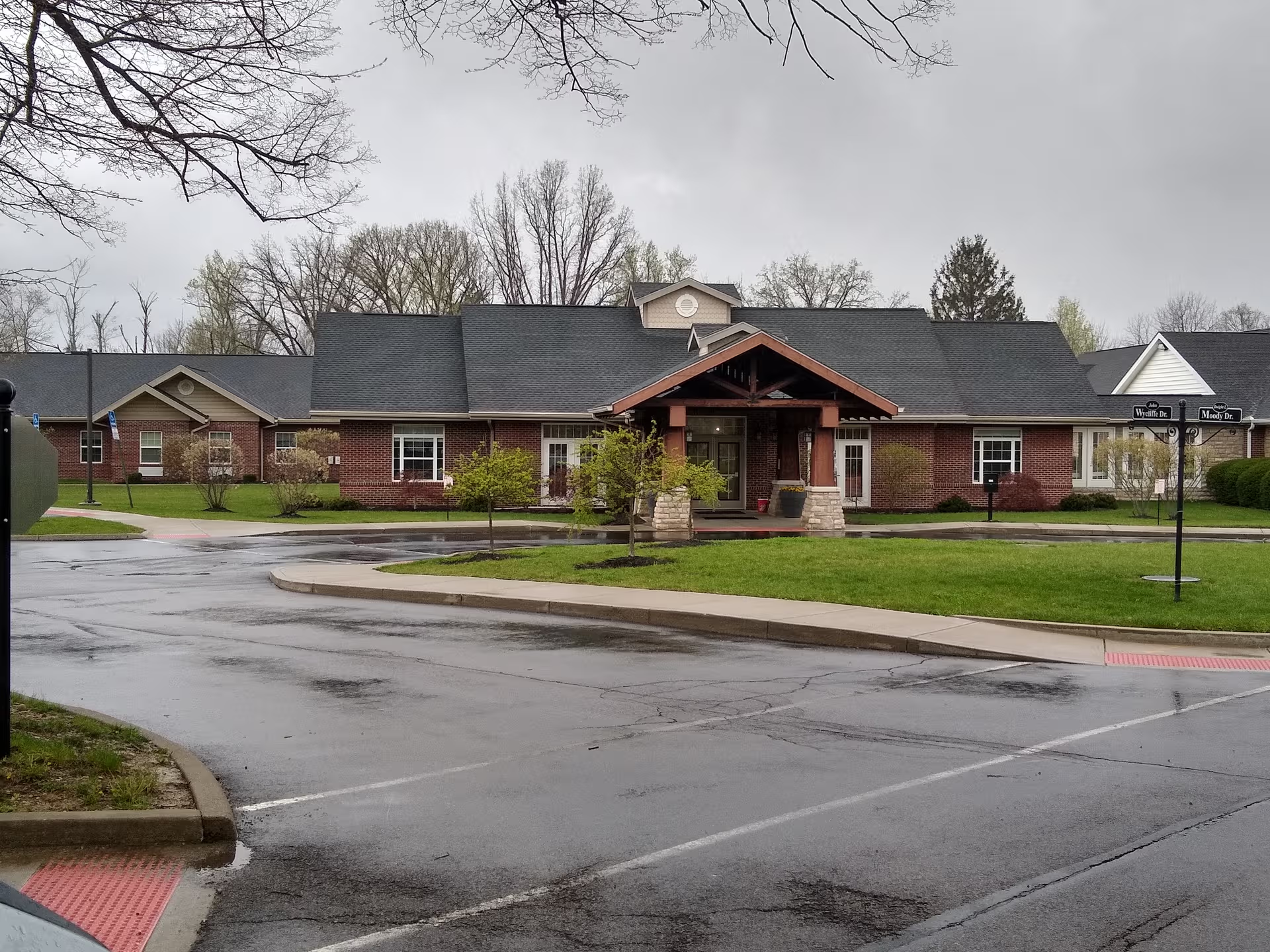
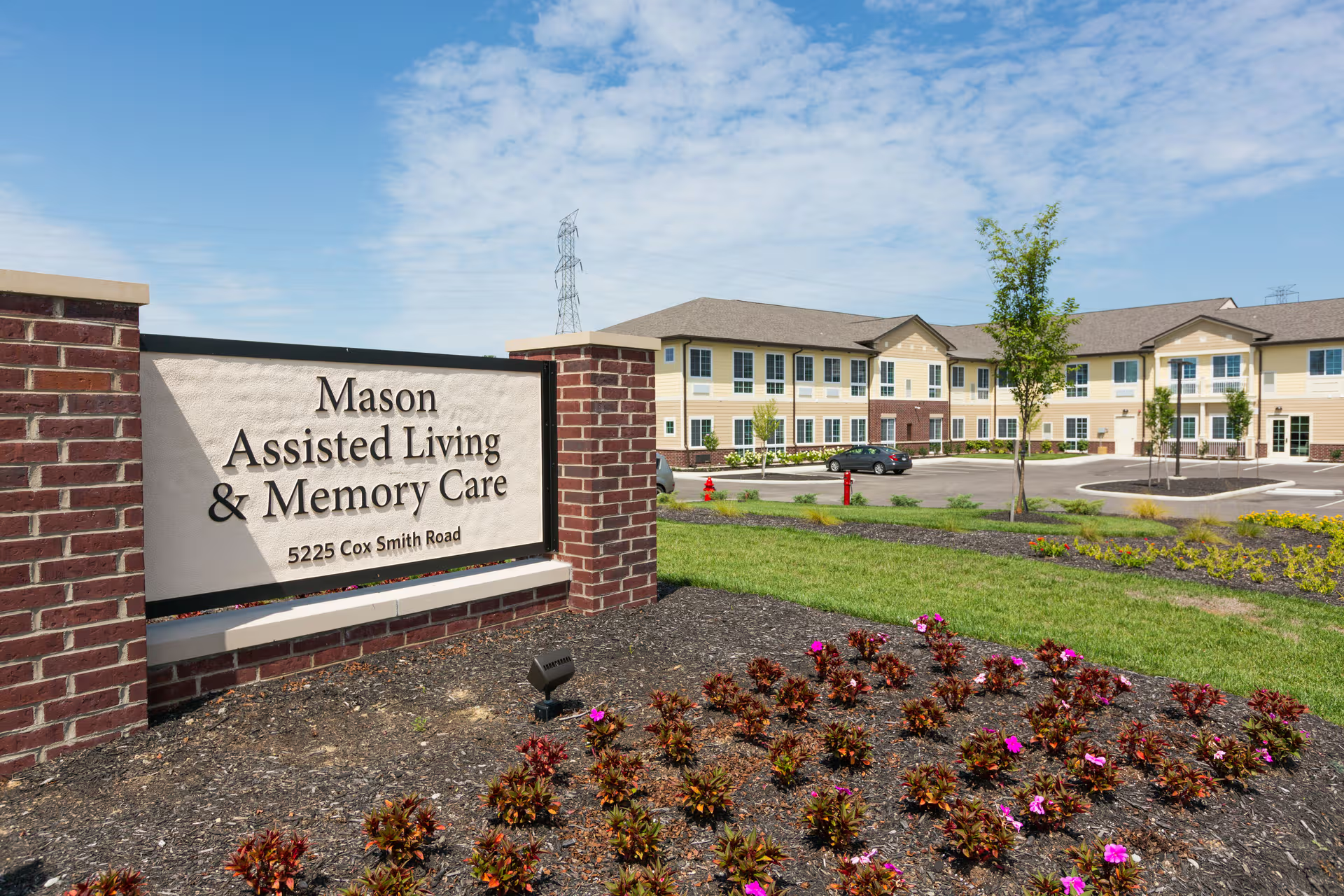
Facilities, sanitation, and environment: The facility is generally described as clean and undergoing improvements, and activities and staff engagement contribute to a positive atmosphere for many residents. Nonetheless, some reviews cite localized odor and sanitation concerns in common areas and question the consistency of housekeeping in specific parts of the building. Prospective visitors may want to tour during different times of day and inquire about housekeeping schedules and pest-control practices.
Dining, billing, and administrative processes: Meal quality is described as decent. On the administrative side, there are reported friction points: the billing process may require specific documentation (for example, invoices and W-9s) and families described payment-processing delays even when payments were eventually completed. Prospective families should clarify billing procedures, required paperwork, and expected timelines before admission.
Notable patterns and practical advice: In sum, the facility appears to deliver solid hands-on nursing and therapy for many residents, but operational shortcomings in responsiveness, care-plan adherence, management practices, property handling, and emergency coordination are recurrent themes. When evaluating this facility, families should: (1) observe staffing levels and responsiveness across shifts; (2) review written care plans and how they are audited; (3) ask about procedures for personal-property tracking and laundry; (4) confirm emergency-response protocols and typical EMS coordination times; and (5) obtain clear billing and invoicing instructions. These steps can help determine whether the facility’s strengths align with a prospective resident’s priorities and mitigate the operational risks identified in these summaries.