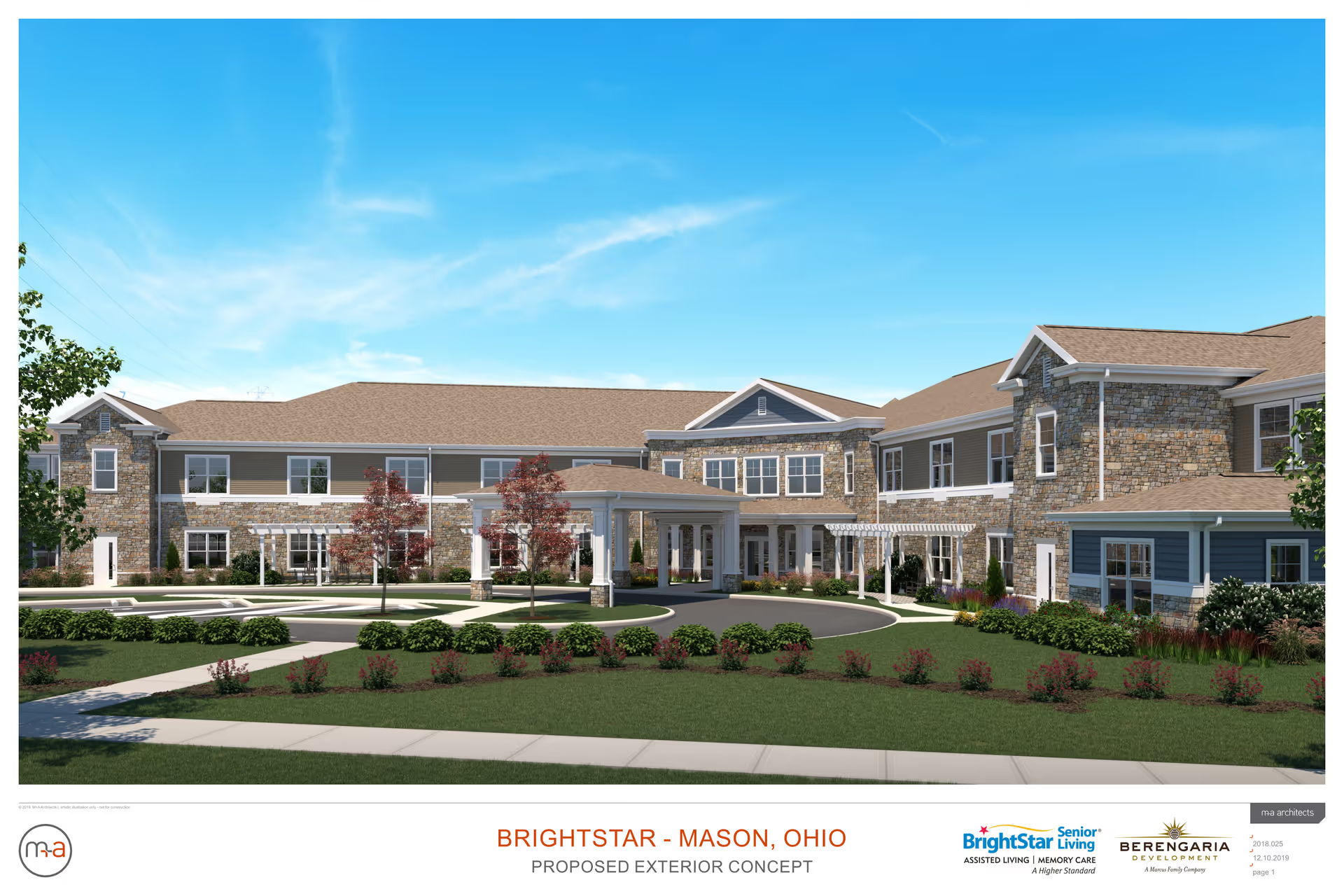
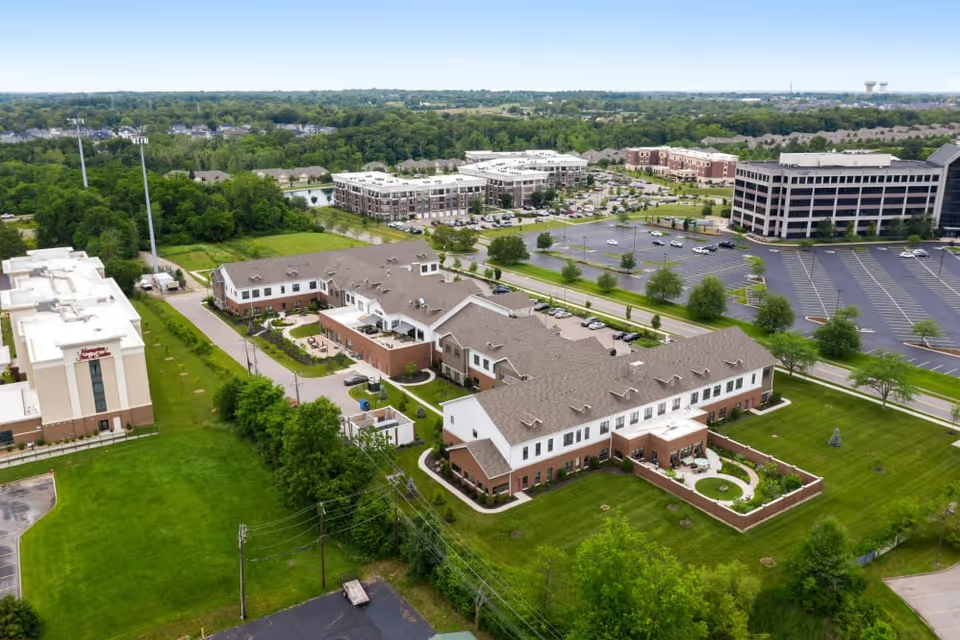
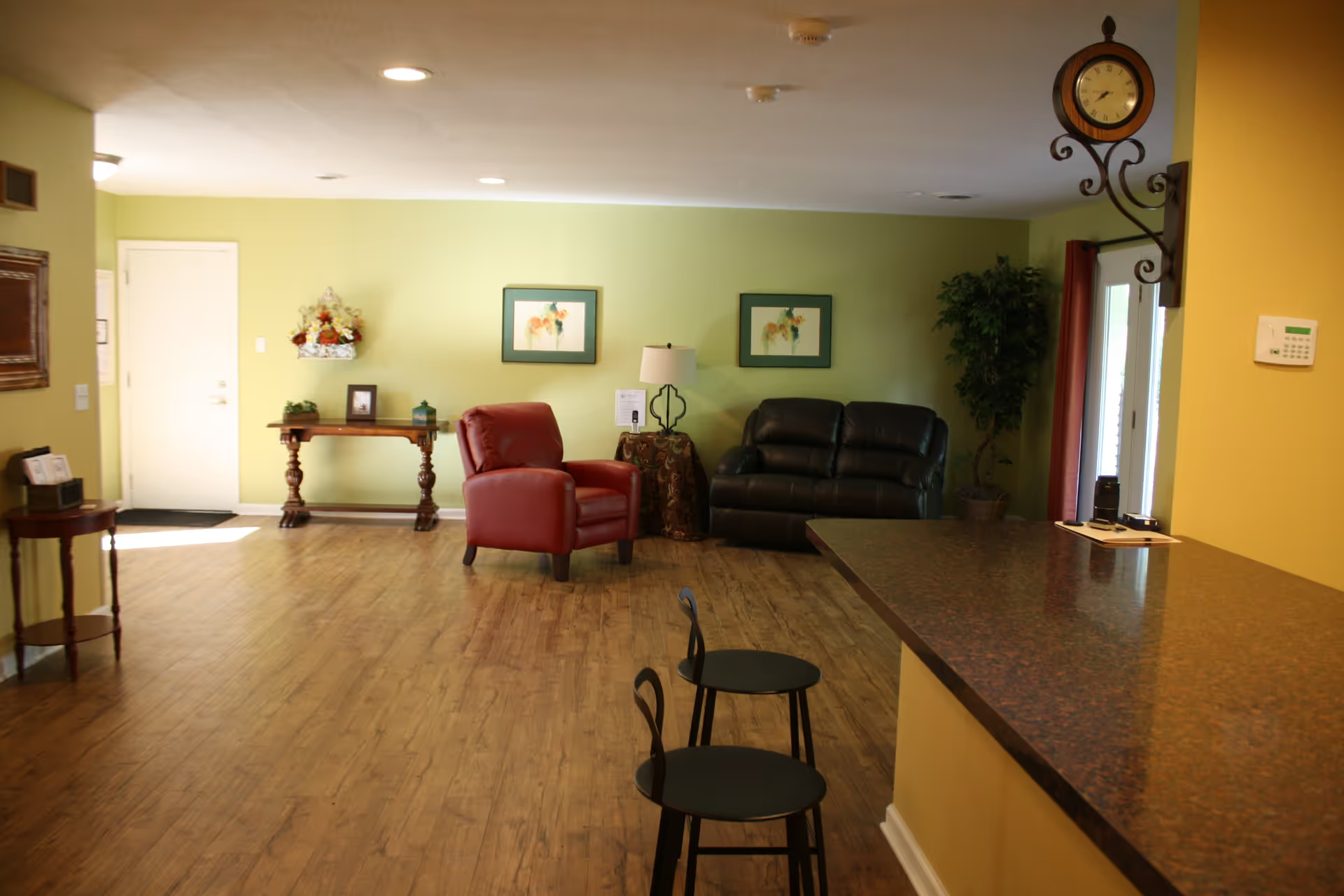
Reviewers describe a facility with many strengths alongside recurring operational concerns. Strengths most consistently cited include an attractive, well-maintained campus and apartments, a robust and creative activities program (music, games, exercise and small-group options), and several staff members who are described as caring and engaged. Families frequently praise chef-prepared meals, on-site therapy and transportation services, ancillary supports such as laundry and hair care, and a pet-friendly culture that supports companion animals and short-term fostering. Multiple accounts also highlight effective move-in assistance and the ability of staff to help residents integrate socially.
Clinical care and safety are areas of mixed feedback. Positive accounts describe attentive nursing, effective coordination with hospice, and clinical improvement for some residents. However, a consistent pattern of concerns centers on medication administration, timeliness of clinical response, and management of acute issues (for example urinary or skin infections). Several reviews indicate delays in testing or initiating treatment and inconsistent follow-up when symptoms arise. These items suggest the facility may struggle to maintain consistent clinical oversight, particularly for higher-acuity residents or during off-shifts.
Staffing and culture show a dichotomy: many families single out individual caregivers, nurses, and activity staff for praise, while other reviews describe frequent turnover among aides and leadership. Turnover and understaffing are linked in reviews to uneven shift coverage, reduced monitoring in the evenings, and variability in daily care tasks such as bathing, toileting assistance, and housekeeping. Some reviewers described concerns about staff conduct or responsiveness; others commended specific leaders for clear communication and supportive engagement. This variability points to an inconsistent culture that appears dependent on which staff members and managers are on duty.
Dining and activities are generally strong points but not uniformly so. Several reviewers report high-quality, homemade meals and a varied menu, while others describe inconsistent meal portions or dissatisfaction with food on certain occasions. The activities program is repeatedly identified as meaningful and well-staffed when the designated team is present; reviewers appreciate structured options and social events that foster resident engagement.
Facility amenities and operations are often praised: clean common areas, accessible outdoor space, transportation, and multiple apartment configurations. At the same time, recurring housekeeping and property-maintenance gaps appear in some accounts, alongside concerns about incontinence-care practices and occasional odor or sanitation issues in particular units. There are also multiple mentions of lost or missing personal items and inconsistent inventory control for resident belongings.
Management and administrative practices elicit polarized responses. Several families commend specific administrators and directors for proactive communication, smooth admissions, and family-oriented billing support. Conversely, other reviewers describe defensive interactions with nursing leadership, unexpected add-on charges, and episodic lapses in consent and discharge processes. A small subset of reviews raises serious concerns, including police involvement and disputed discharges; these accounts suggest potential weaknesses in how the facility handles high-conflict clinical situations and informed-consent or discharge protocols and warrant careful inquiry.
Notable patterns and practical takeaways: experiences at this community appear to vary substantially depending on staffing stability and leadership on duty. Positive outcomes correlate with consistent nursing presence, stable activity and therapy teams, and engaged administrators. Negative experiences correlate with high turnover, evening understaffing, and lapses in clinical or housekeeping follow-through. Prospective residents and families should ask specific questions on tour and during follow-up: staffing ratios by shift, weekend and evening coverage, medication-administration auditing and error-reporting processes, infection-response protocols, housekeeping schedules, policies for handling personal belongings, billing itemization, and procedures for consent and discharge. These targeted inquiries can help assess whether the operational practices align with the level of care required for an individual resident.