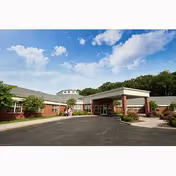
Genacross Lutheran Services–Wolf Creek Campus presents a blend of clear strengths and recurring operational weaknesses. The facility is frequently described as a modern, attractive campus with well-kept grounds, an open lobby, private rooms, accessible apartments, and a range of on-site amenities such as a chapel, beauty salon, gift/pantry shop, and a rehab/therapy wing. Many families noted robust social programming — including live music, happy hours, crafts, bingo, exercise classes, and scheduled transportation — that support resident engagement and a strong community feel. Therapy staff, hospice support, and occasional long-tenured employees were cited as positive contributors to resident care.
At the same time, a substantial pattern of variability in care quality emerges across reviews. Strengths in individualized attention and compassionate interactions are paired with frequent accounts of inconsistent staffing, high turnover, and reliance on temporary or agency personnel. These workforce issues are associated with operational problems such as slow call-light response, delays in attending to personal-care needs, inconsistent bathing and toileting assistance, and lapses in hydration monitoring. Families expressed particular concern about the facility's ability to manage residents with cognitive impairment: while there are safety features in the memory-care unit, reviewers described uneven supervision practices, restricted dining access for some residents, and situations indicating that dementia-care protocols may not be consistently applied.
Dining and daily living services show mixed performance. The campus offers a dining room and in-room dining option and hosts varied activities that include food events, but reviewers noted inconsistent meal service, limited therapeutic diet availability (for example, diabetic-diet options), and episodes in which residents did not receive meals as expected. Housekeeping and laundry services were another recurrent area of concern: some families experienced timely maintenance and clean units, while others reported cleaning lapses, misplaced items, and inconsistent laundry turnaround.
Communication and management practices are similarly mixed. Several reviews praised caring, attentive staff and responsive management; others described poor communication about clinical changes, discharge logistics, appointments, and billing. There are mentions of financial and administrative issues, including disagreements over payment and discharge planning, and at least one reference to state health-department action. Such patterns suggest prospective families should review financial policies, discharge procedures, and any regulatory history during a tour.
In summary, Wolf Creek offers many facility-level advantages — modern spaces, broad programming, on-site therapy, and active social life — that may suit independent living, assisted living, and short-term rehab stays. However, prospective residents with higher clinical needs, particularly those requiring consistent dementia care, close supervision, or intensive assistance with activities of daily living, should probe staffing ratios, dementia-care protocols, responsiveness metrics (call-light response times), hydration and meal monitoring processes, medication-administration controls, housekeeping and laundry procedures, and financial/ discharge policies before committing. A focused tour, written care-plan commitments, and direct questions about contingency staffing and clinical oversight will help families assess whether the facility's operational practices match their expectations for sustained clinical care.