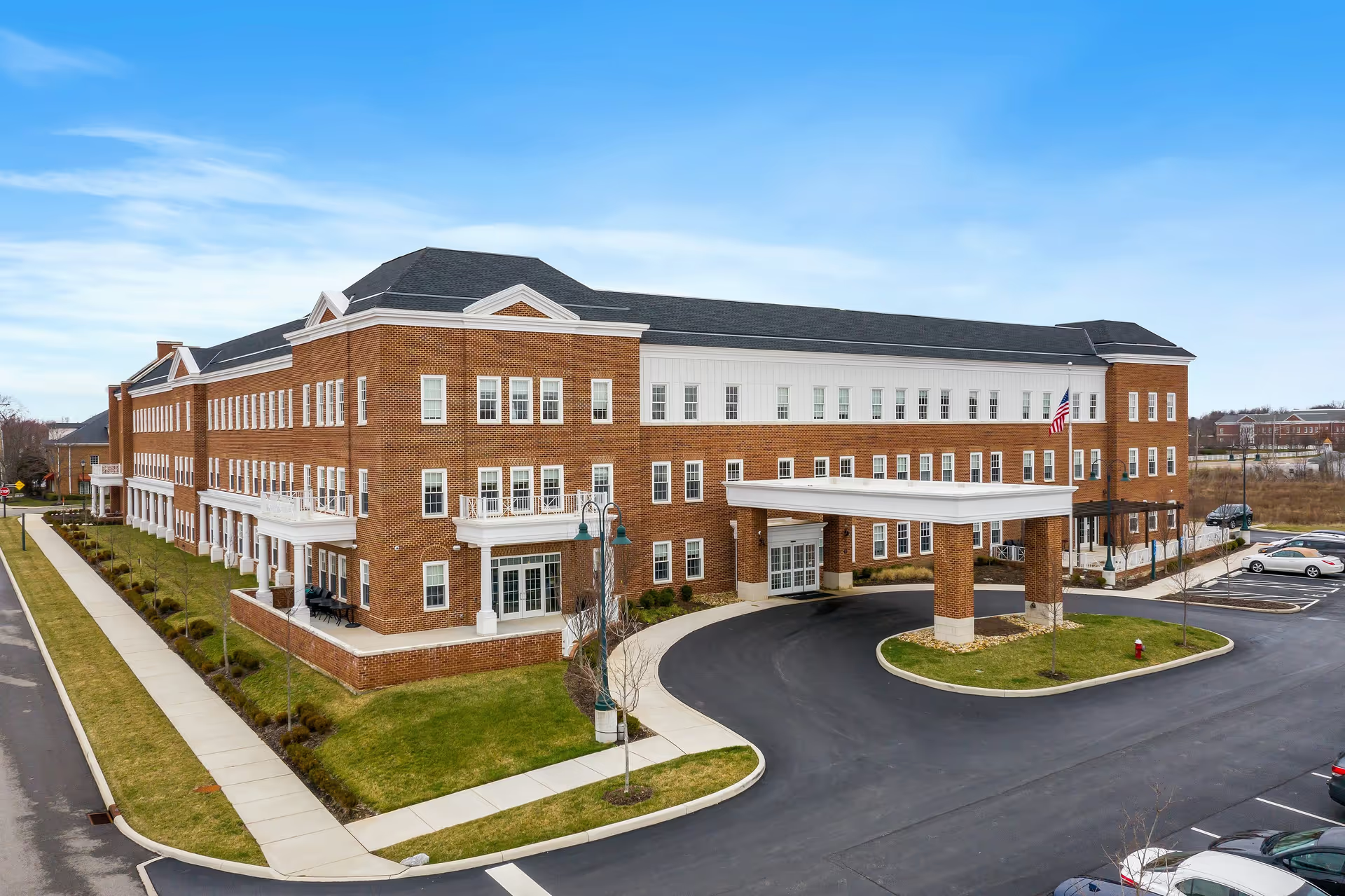
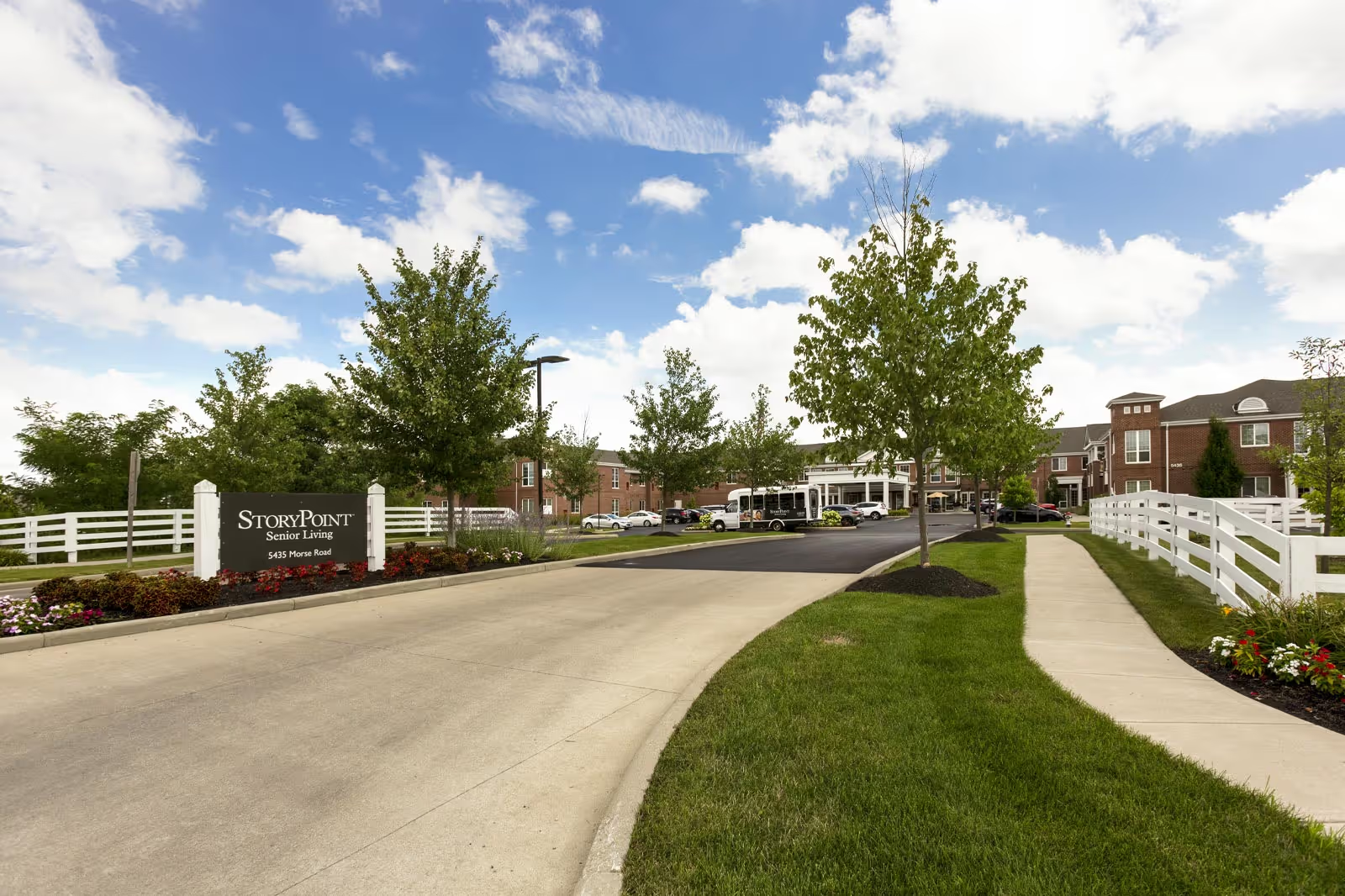
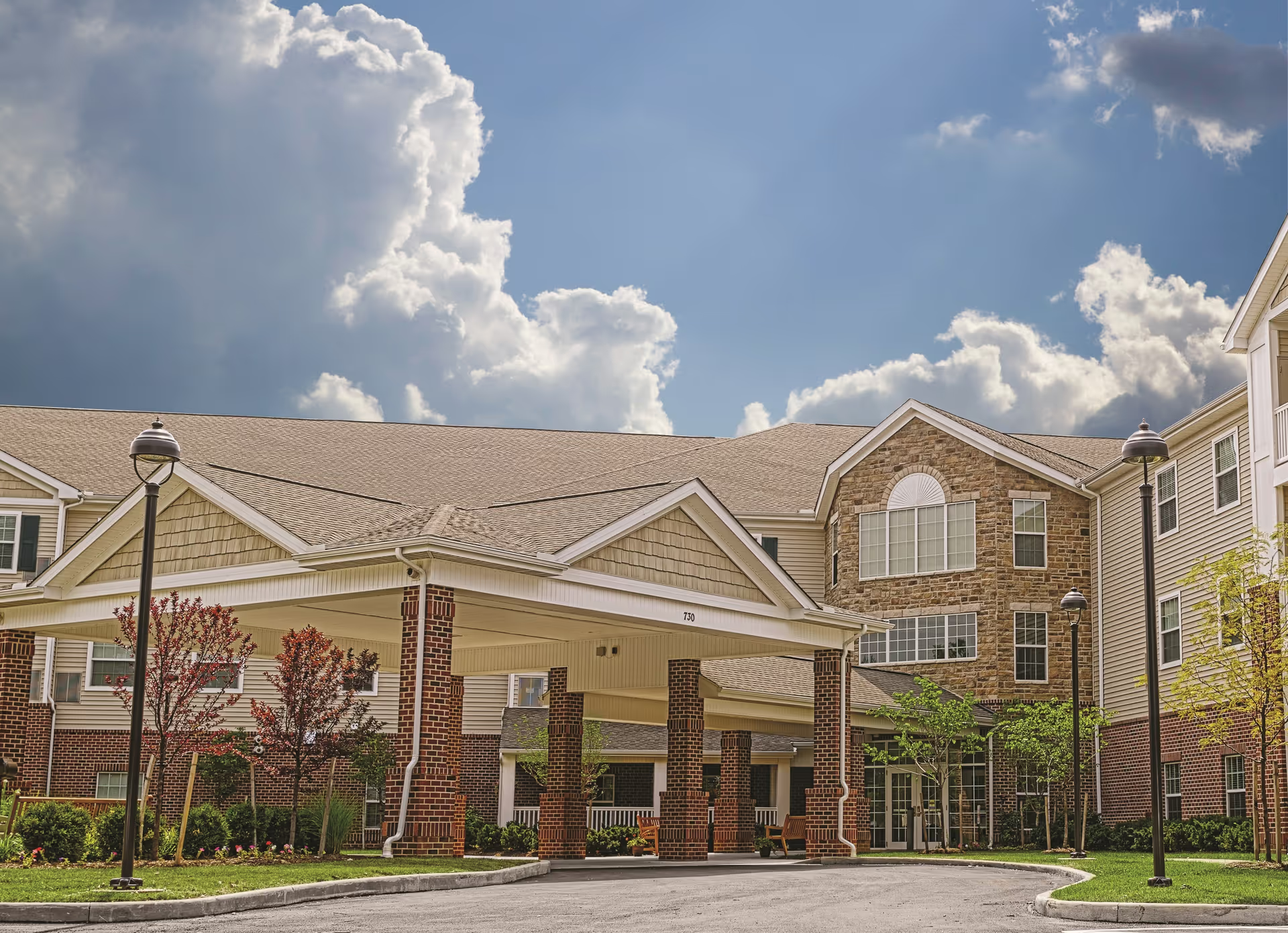
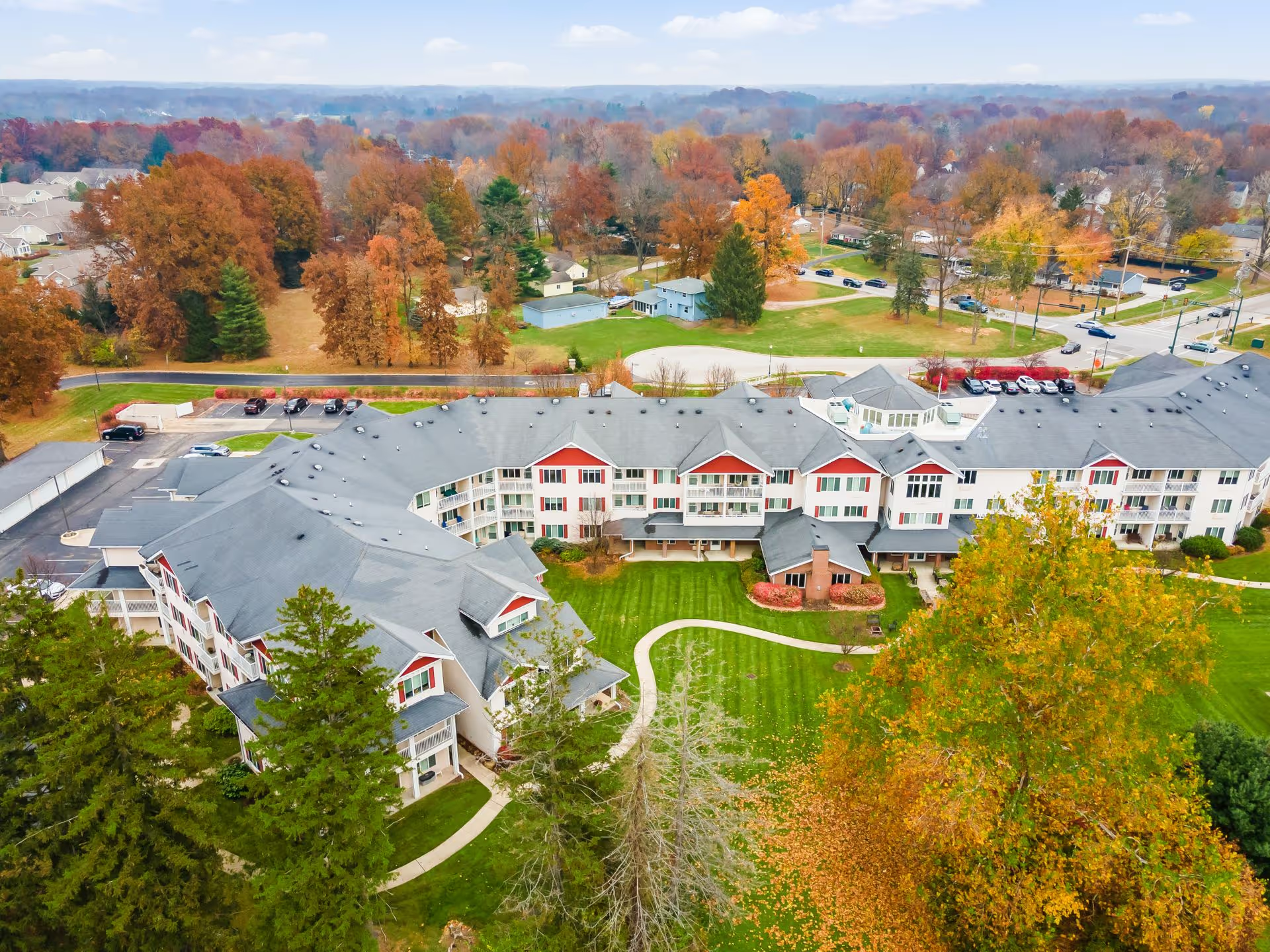
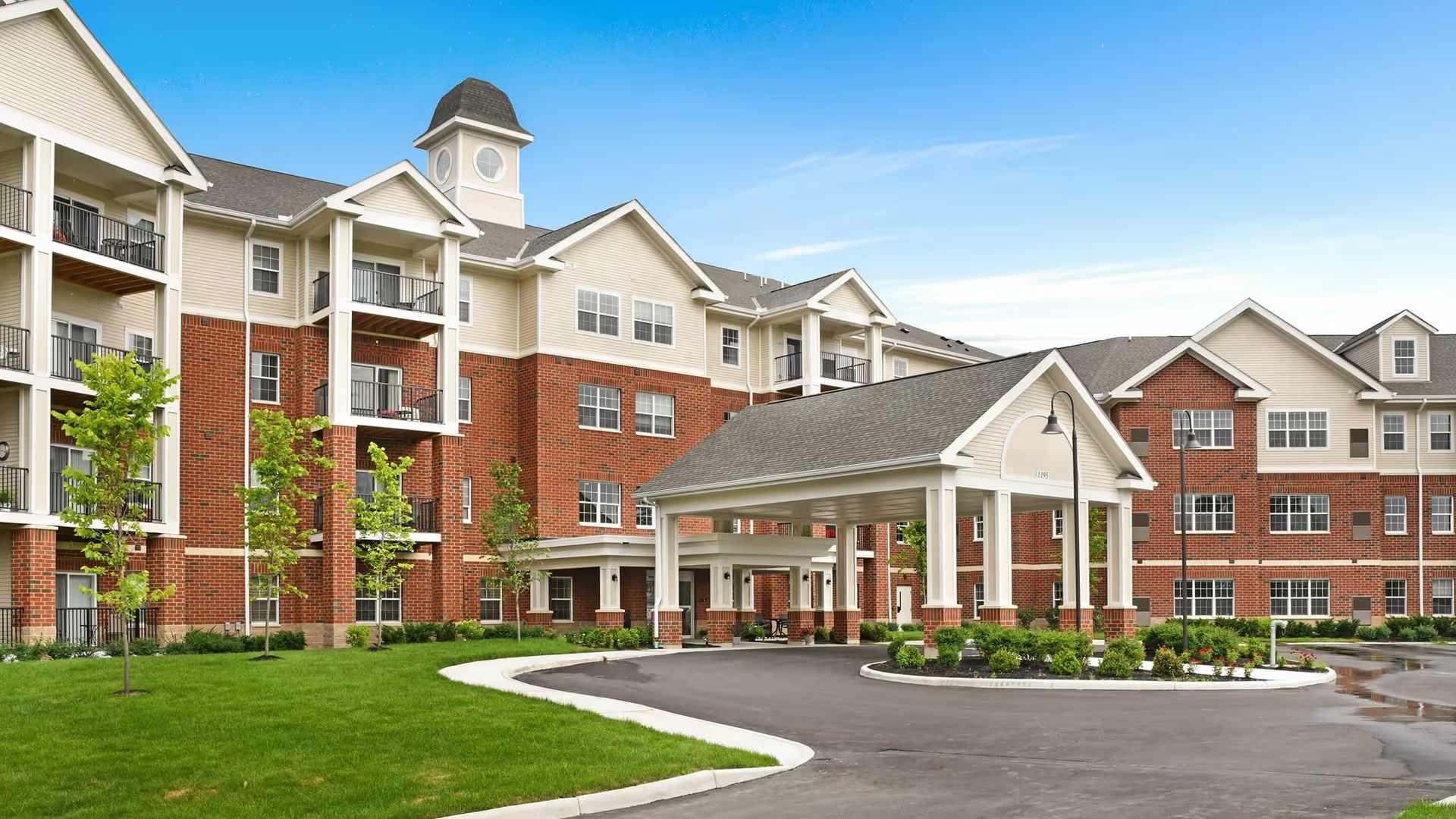
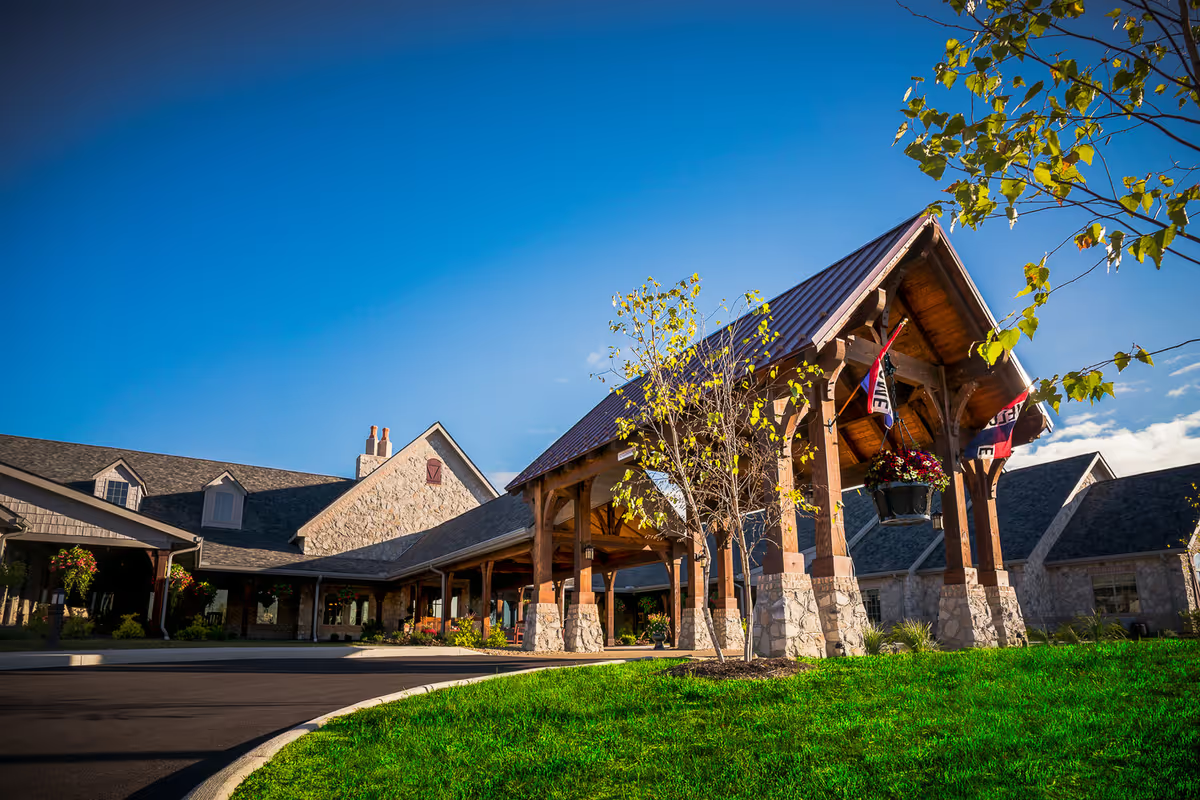
Johnstown Pointe presents as a modern, well-kept skilled nursing facility with many physical and programmatic strengths. The building, grounds, and resident rooms are frequently described as attractive, clean, and comfortable; private rooms with en‑suite walk‑in showers, in‑room TVs, and pleasant common areas are cited as clear assets. On‑site amenities such as a hair salon, active maintenance staff, and visible landscaping contribute to a residential feel. The facility’s therapy services and activities program receive consistent praise: families commonly note effective physical/occupational therapy, an engaged activities director, and a broad slate of daily programming that residents enjoy.
Care quality descriptions are mixed. Numerous accounts praise caring, attentive aides, therapists, and some nursing staff, as well as smooth transitions from home and effective coordination with hospice in certain cases. At the same time, several operational issues affect clinical reliability: reviewers describe inconsistent medication administration, lapses in monitoring or oxygen management that have led to hospital transfers, and variable responsiveness to call lights or bedside needs. Those concerns indicate gaps in clinical process consistency and transfer-safety planning that prospective families should evaluate closely.
Staffing and culture emerge as a central pattern. High turnover, frequent No‑Call/No‑Show events, and reports of staffing shortages are recurring themes; these contribute to variability in day‑to‑day care and to accounts of a tense workplace culture or conduct concerns. While some staff and leaders are described as professional and compassionate, other accounts describe supervisory lapses, scheduling instability, and interpersonal conflict among staff. These mixed signals suggest staffing reliability and on‑shift supervision are important topics to clarify during a tour.
Dining and dietary services provoke both strong praise and distinct concerns. Several reviewers highlight an exceptional chef and homestyle meals that residents appreciate; others describe inconsistent meal temperature, variable food quality, and frequent dietary staffing turnover. This points to a facility strength in culinary capability that may be subject to service variability depending on staffing and scheduling.
Administration and communications show similar divergence. Positive experiences include informative admission transitions, helpful administration, and good family communication; negative experiences include confusing admission and waitlist processes, inconsistent sign‑in/out and paperwork procedures, slow family notification during clinical events, and frustrations over billing practices. Phone-system shortcomings and front‑desk or paperwork inefficiencies are also noted.
Notable patterns for prospective residents and families: the facility scores highly on environment, amenities, therapy, and activities, and many individual staff members are described as compassionate and effective. However, recurring operational weaknesses — staffing instability, inconsistent medication and oxygen management, variable meal-service continuity, and gaps in communication and administrative processes — have been associated with serious clinical consequences in some accounts. When evaluating Johnstown Pointe, consider asking targeted questions about current staffing levels and turnover, medication‑administration protocols, emergency notification policies, oxygen and transfer procedures, dietary staffing plans, and the facility’s process for admissions, waitlist updates, and billing. Observing a mealtime, meeting the director of nursing, activities and therapy staff, and reviewing recent staffing/quality metrics (if available) will help families assess whether the facility’s strengths align with their clinical and social needs.