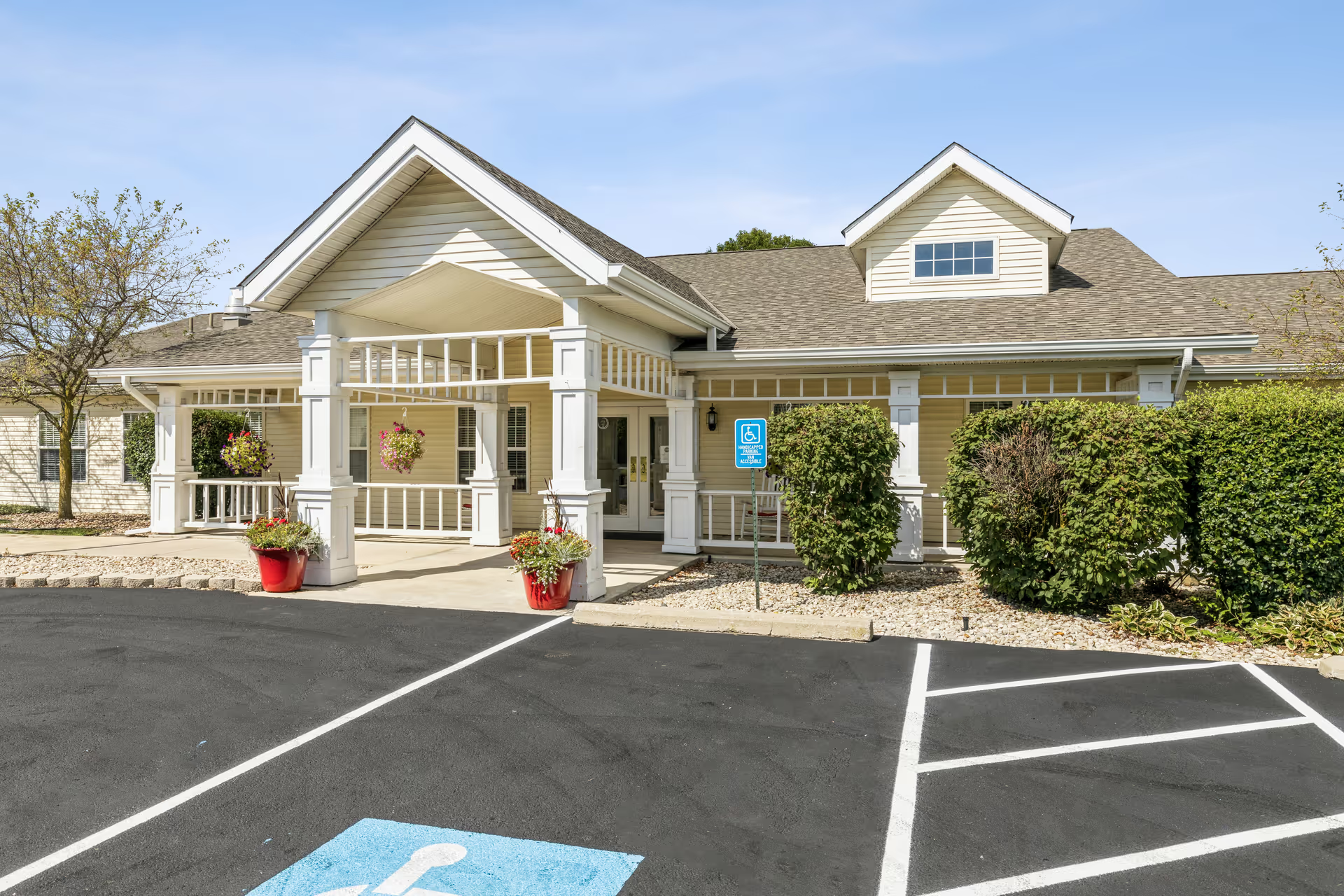
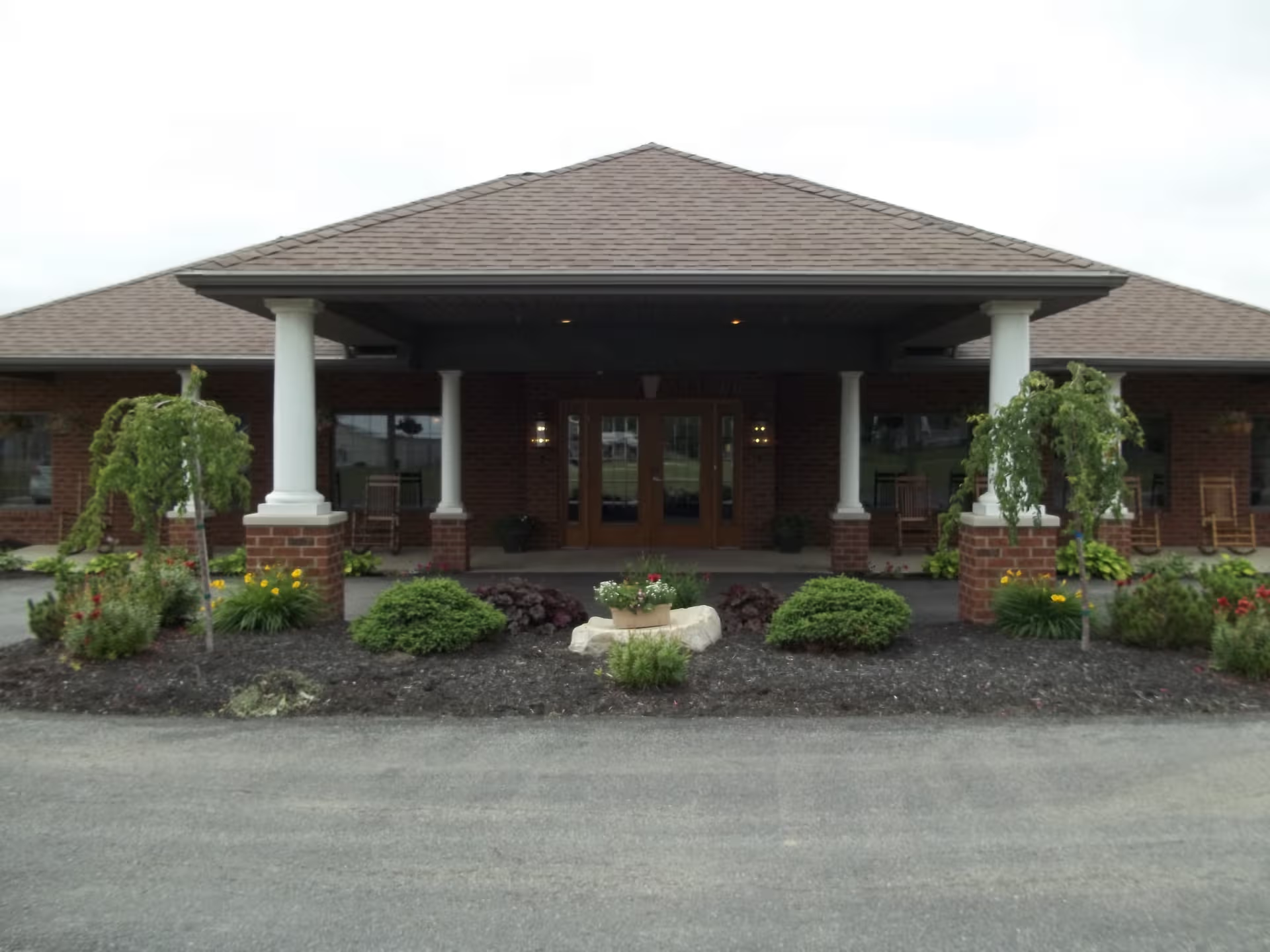
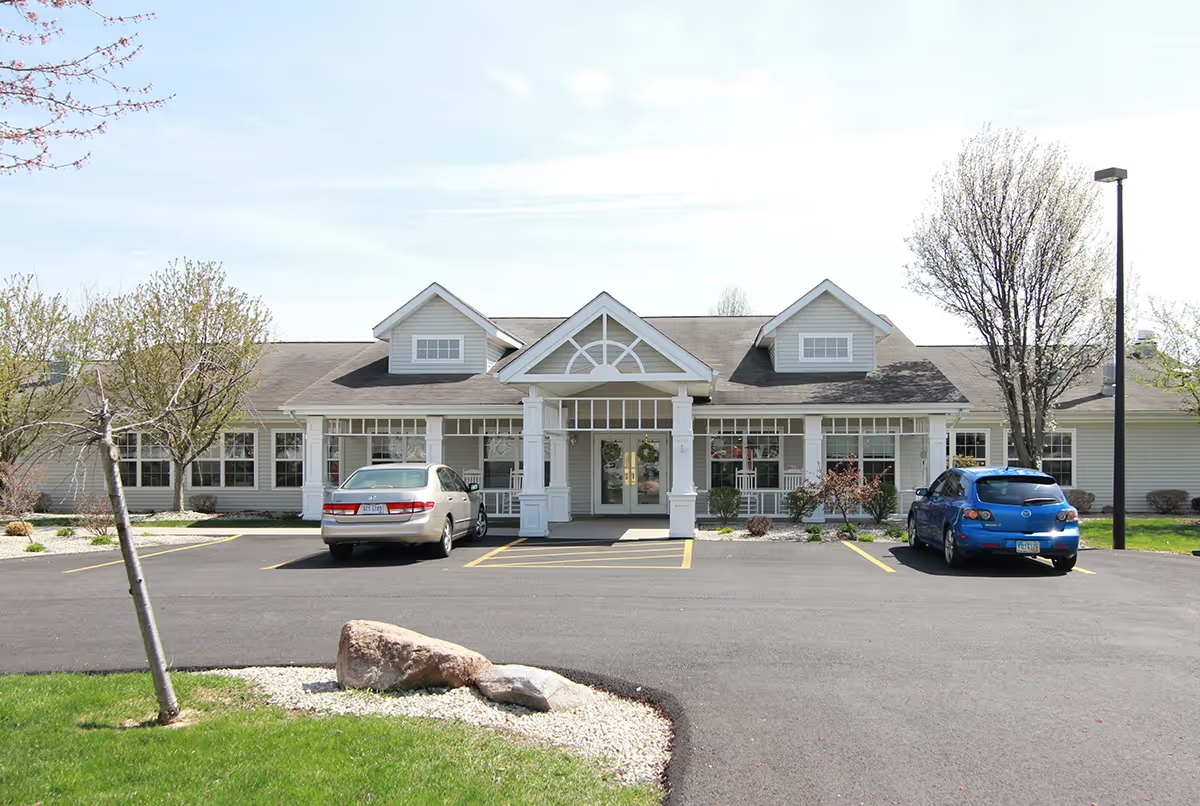
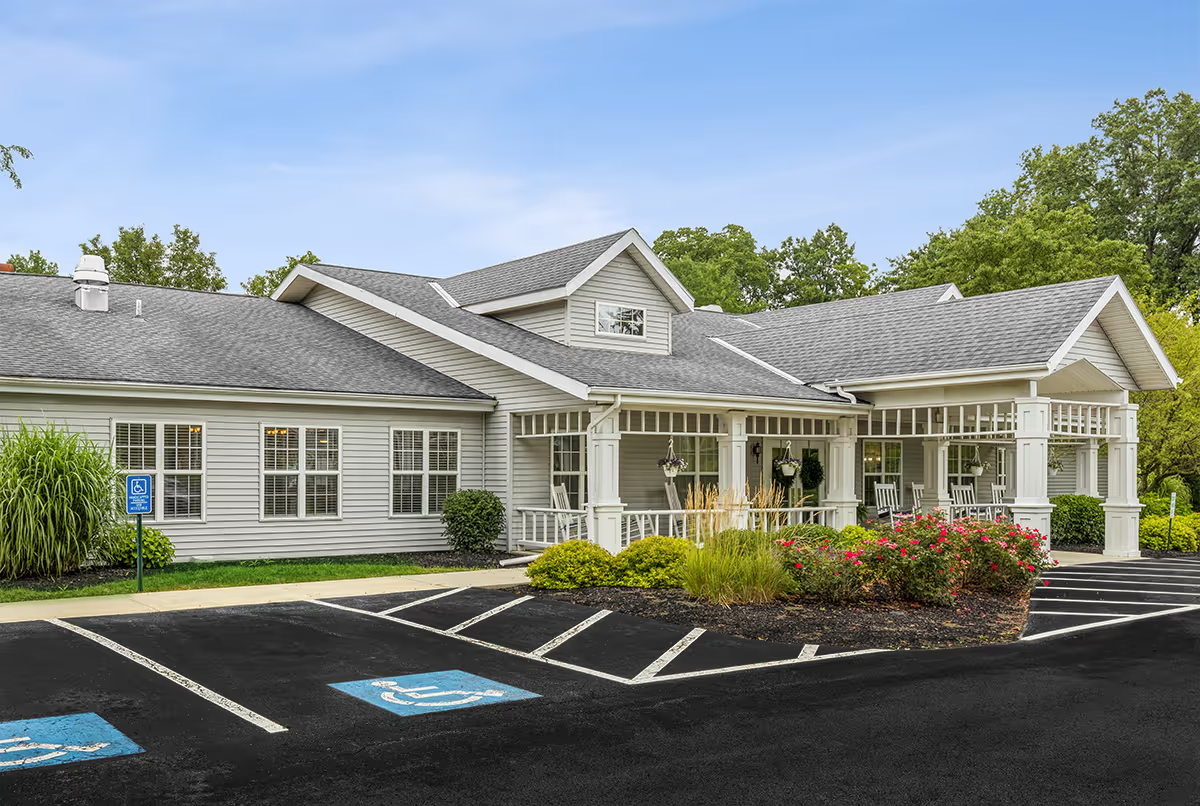
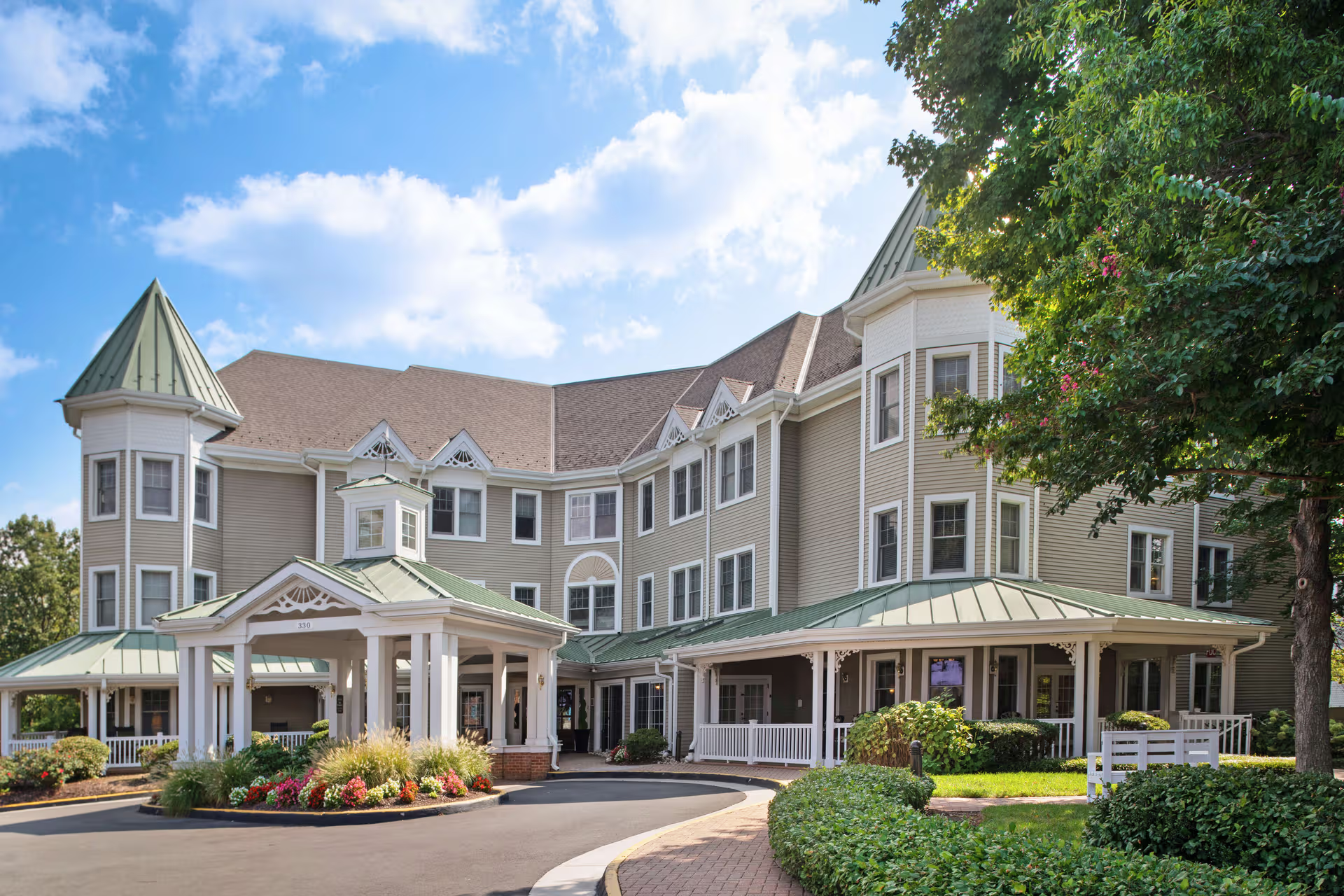
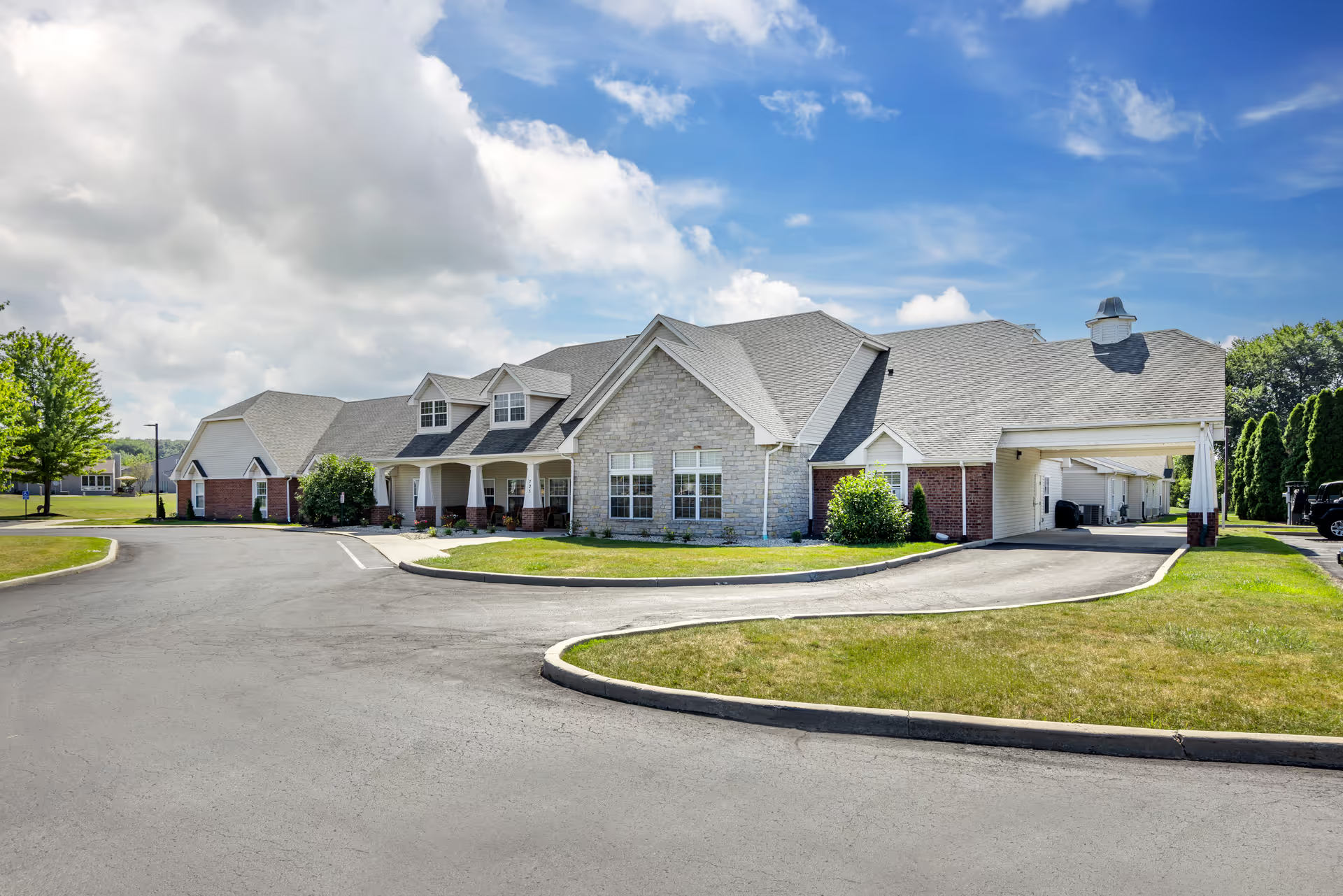
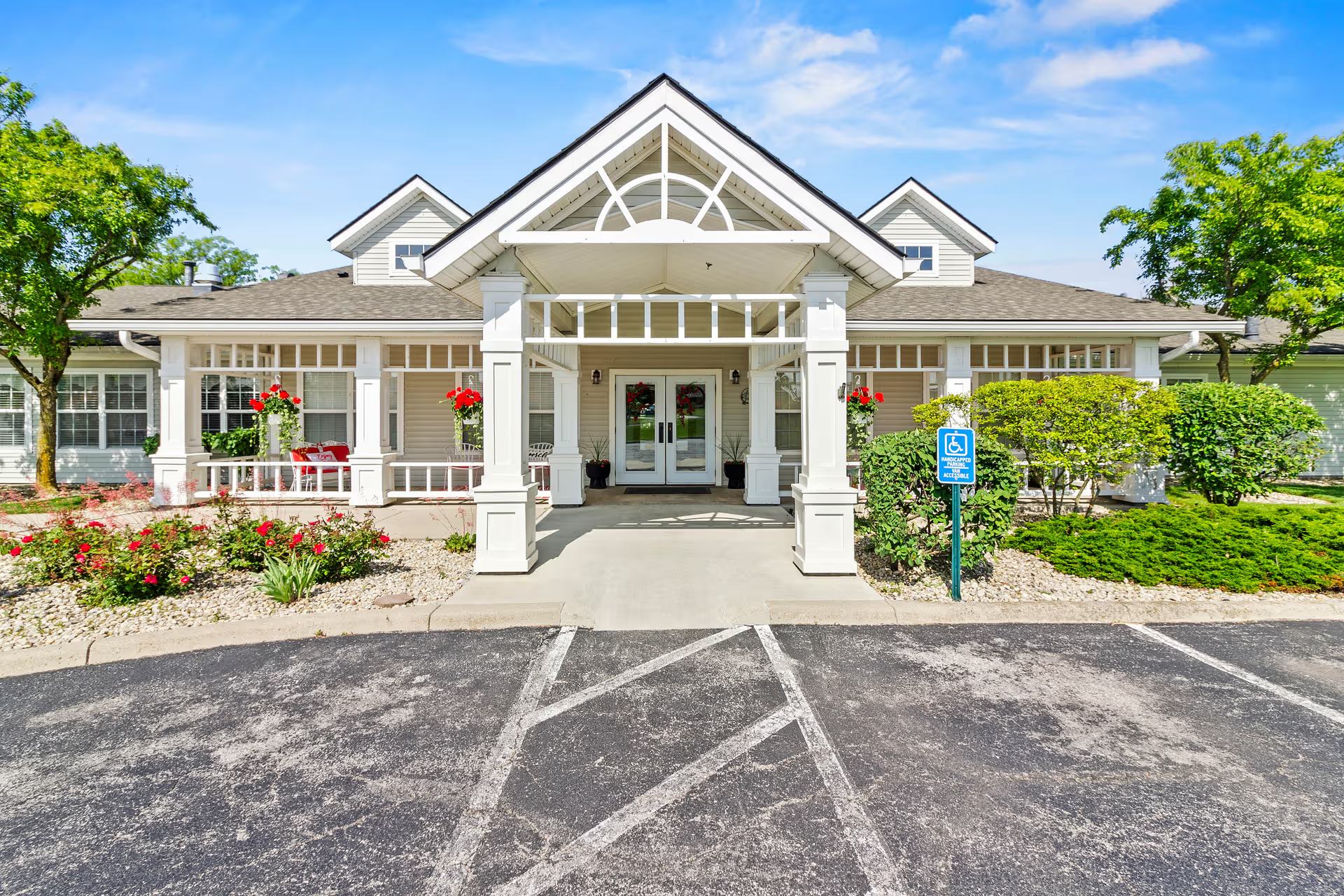
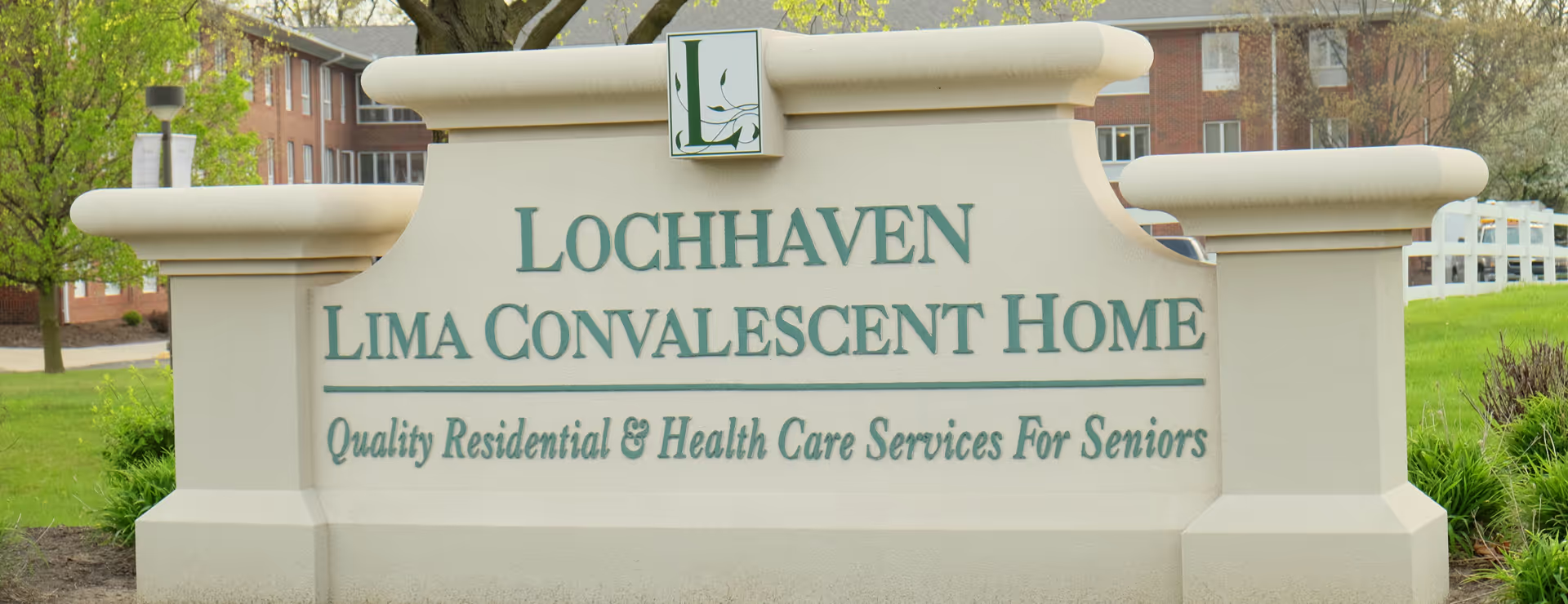
Reviews describe a polarized experience at this facility, with clear strengths in relational care and community engagement but notable operational and clinical concerns. Families and former staff commonly praise front-line caregivers — particularly many aides, some nurses, and hospice teams — for compassionate, respectful interactions and attentive bedside care. The activities program and community events receive consistent positive remarks, and several reviewers highlighted a welcoming orientation and supportive administrative contacts during admissions and routine questions.
Conversely, multiple reviews indicate systemic facility-level problems. Physical plant and housekeeping issues are frequently mentioned, including outdated bathrooms, maintenance shortfalls, and sanitation and odor concerns in resident areas. Food service quality and continuity emerge as another area of inconsistency, with reports ranging from acceptable meals to interrupted or poor-quality meal delivery. These operational issues contribute to mixed impressions of the living environment.
Clinical care and care coordination show a similar split. Several families report timely, compassionate nursing and good hospice support; others describe delays or gaps in rehabilitation therapy, missed or inconsistent clinical monitoring, and problems obtaining routine therapeutic equipment. Reviewers also reported delays in transfers to higher-level care and inconsistent communication from the facility during clinical incidents. Safety processes are a recurring concern, with accounts pointing toward weaknesses in fall prevention and incident follow-up. Additionally, there are serious allegations concerning property security and staff conduct, including claims of theft and financial impropriety that warrant careful inquiry.
Management impressions vary: some reviewers describe an engaged, responsive administrator and helpful admissions staff, while others raise concerns about transparency, trust, and difficult discharge or transfer interactions. At least one review raised concerns following a resident's death and described restrictions on family contact and legal involvement, which contributes to family unease for some.
Overall pattern: the facility appears capable of delivering compassionate, resident‑centered care in many cases, particularly around hospice and daily interactions, but shows inconsistent performance in maintenance, dining, therapy delivery, clinical monitoring, safety processes, and property controls. Prospective residents and families may benefit from an in‑person tour focused on cleanliness and maintenance, direct questions about therapy schedules and clinical monitoring protocols, clarification of meal‑service policies, documentation of property safeguards, and transparent communication pathways for clinical incidents and transfers.