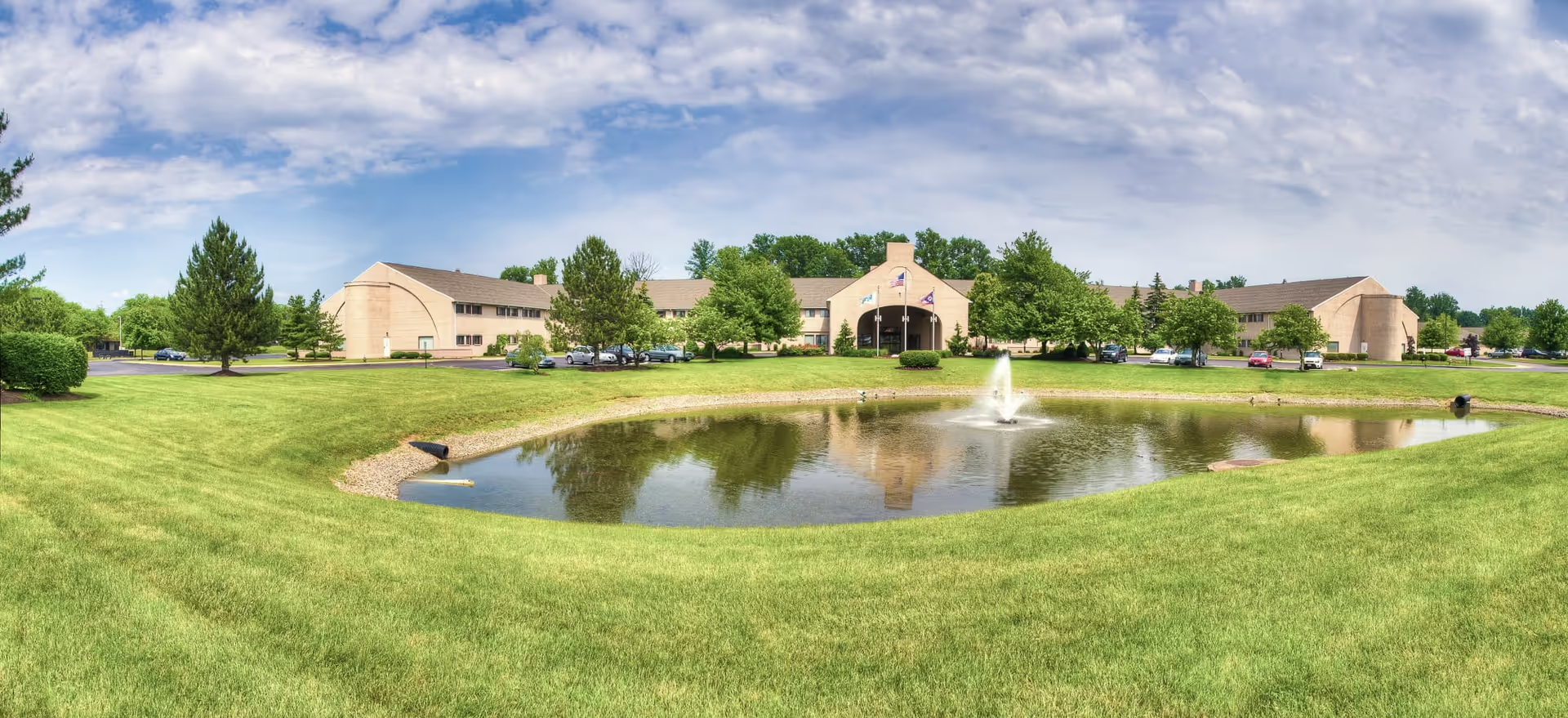
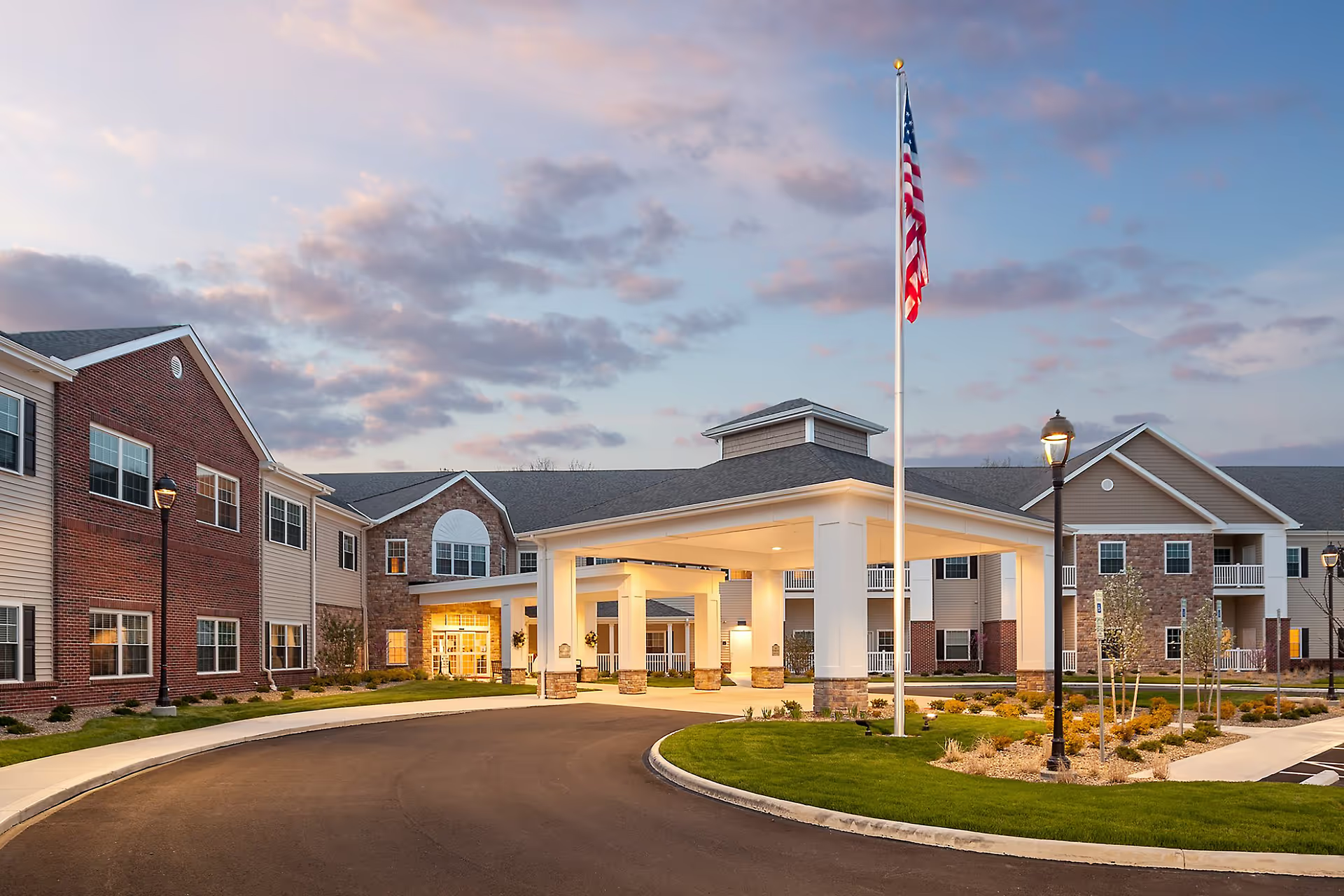
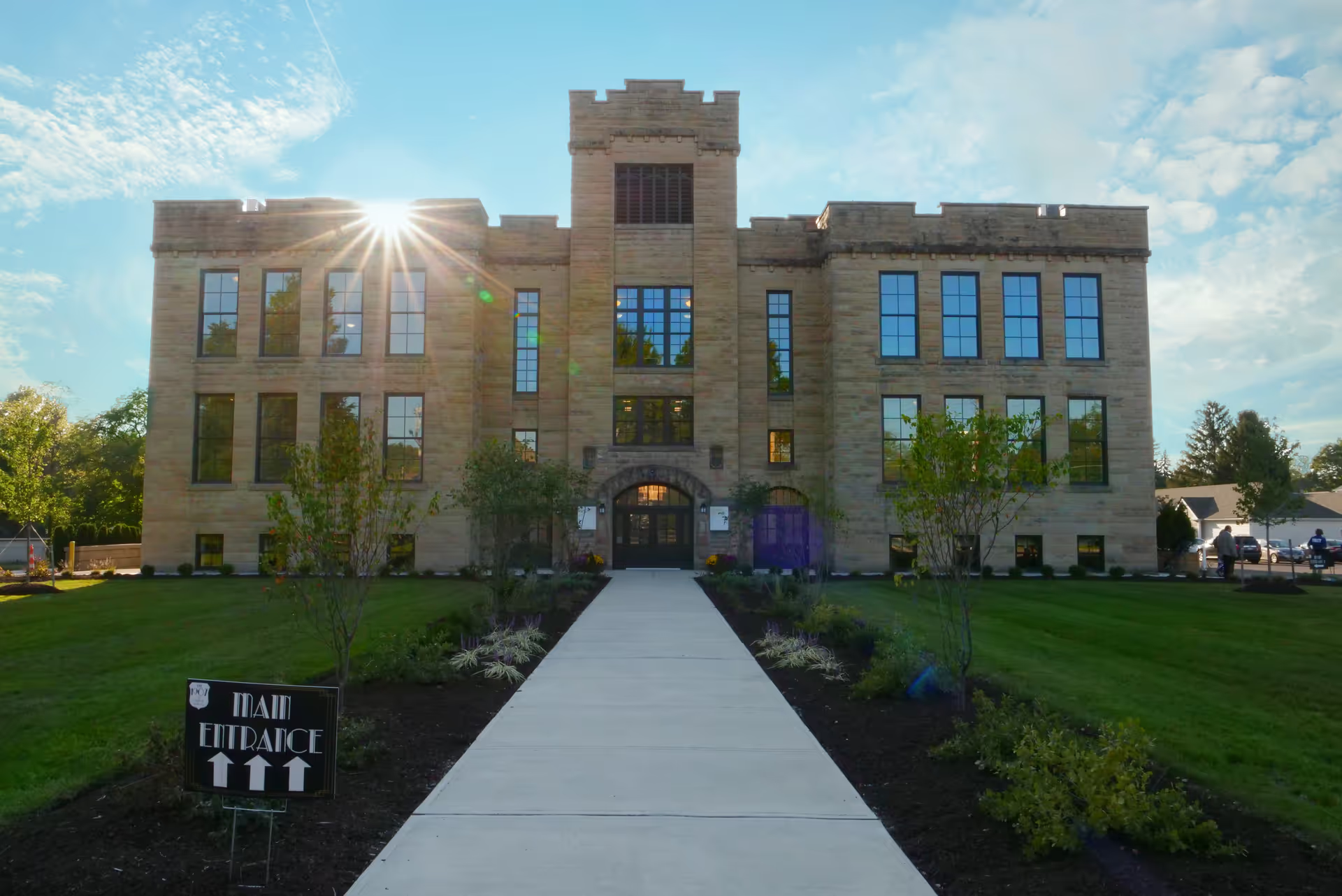
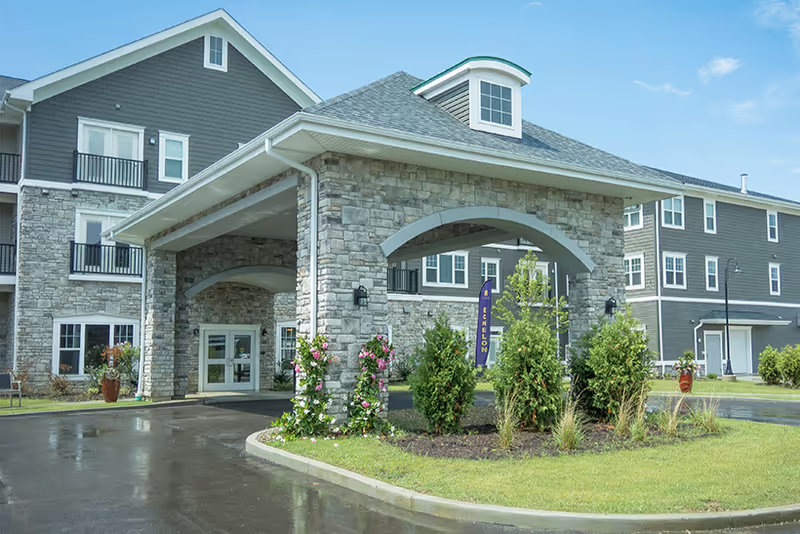
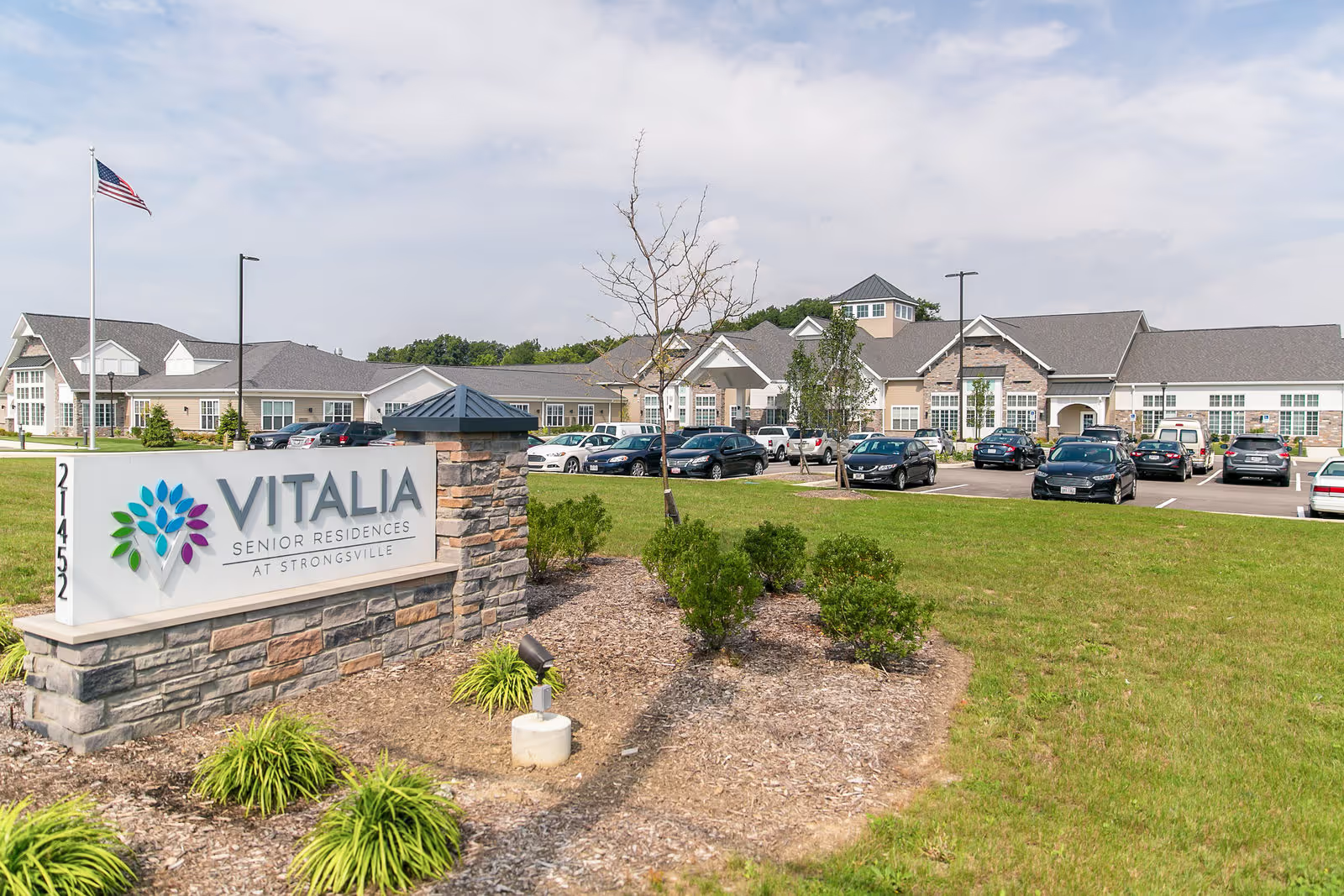
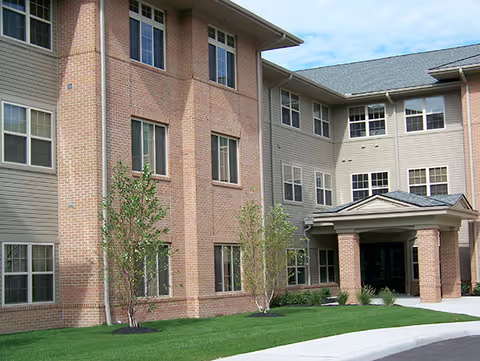
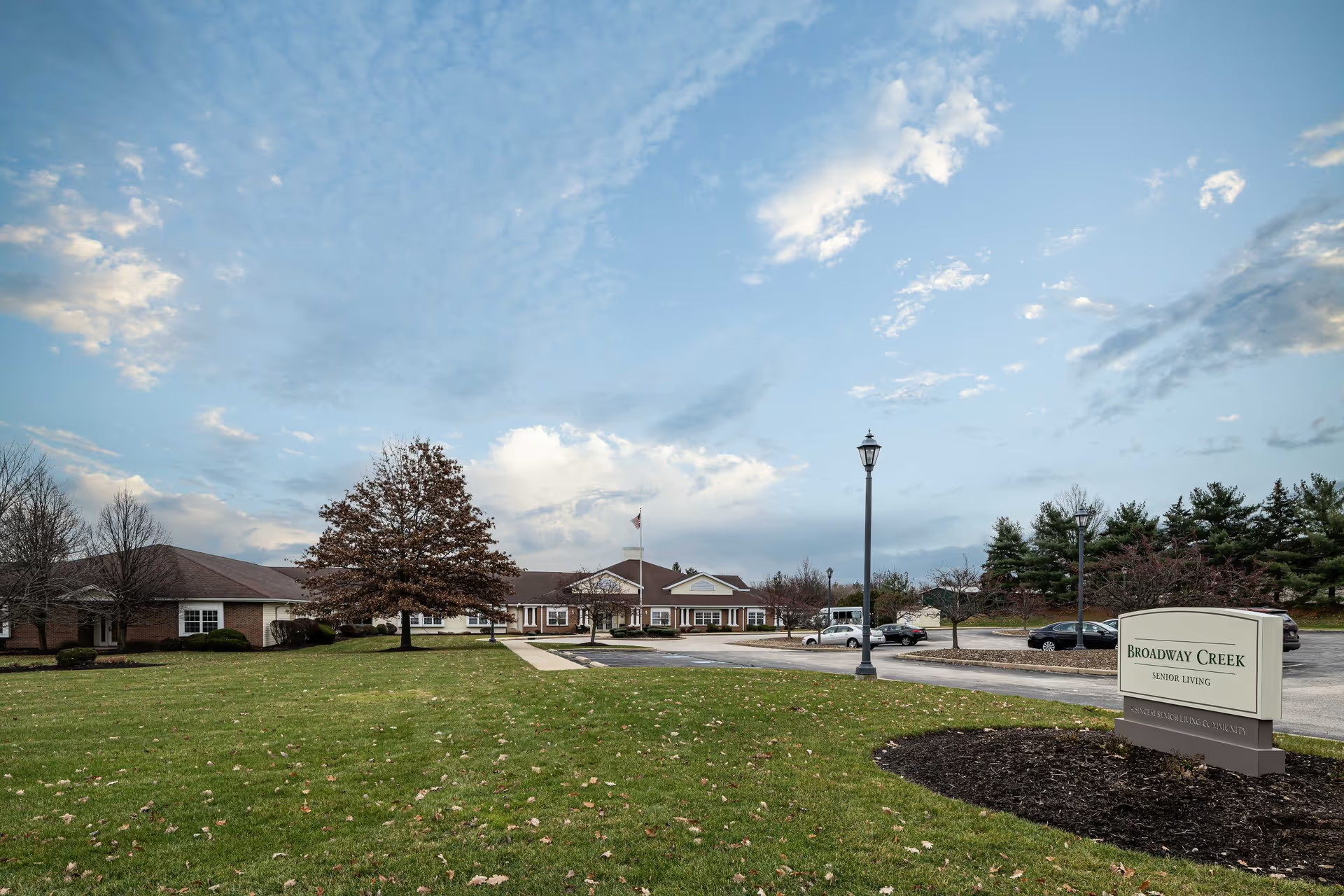
Keystone Pointe elicits markedly mixed impressions. Many families praise the rehabilitation services, therapy teams, and individual nurses and aides who deliver compassionate, hands-on care. The facility is frequently described as clean and well maintained, with comfortable, spacious rooms and a generally pleasant environment. Activity programming, including community group visits, pet visits, seasonal events and faith-based offerings, is a consistent positive. Several accounts describe strong short-term rehabilitation outcomes and staff who communicate well and support family involvement.
At the same time, a number of operational weaknesses recur across evaluations. Staffing shortages and limited nursing coverage are the most common concerns, linked to long wait times for assistance, inconsistent responses to call systems, and rushed or incomplete bedside care. Reviewers highlight gaps in clinical assessment and medication handling in some cases, and there are descriptions of discharge processes that leave patients with limited mobility and insufficient follow-up instructions. These issues point to variability in clinical practice and supervision rather than uniformly poor performance.
Staff behavior and communication present a mixed picture. Many families commend individual caregivers for compassion and competence, while others describe a variable tone from staff, delayed follow-up to family inquiries, and difficulty reaching clinicians or getting consistent answers. Administrative accessibility is noted positively in some accounts, but other narratives describe administrative friction around paperwork, insurance forms, and responsiveness. Frequent room reassignments and uneven housekeeping practices have been cited as destabilizing for residents, particularly those with cognitive impairment.
Infection-prevention and safety practices also show variation. While some reviews note appropriate leadership and oversight, others describe PPE and hygiene inconsistencies and concerns about incontinence-care timeliness that could increase skin integrity risk. There are also allegations concerning security of personal belongings and missing items; such claims underscore the need to clarify inventory and storage procedures with facility management.
Dining and activities are generally viewed favorably: meals are described as flexible and accommodating when needed, and programming is engaging with regular opportunities for social and spiritual involvement. Therapy services are frequently singled out as a strong point, with measurable functional improvements reported by several families.
For prospective residents and families, the pattern is one of strong clinical and rehabilitative capability in the facility combined with operational variability tied to staffing levels, communication practices, and certain care processes. When evaluating Keystone Pointe, consider direct questions about staffing ratios and shift coverage, medication-safety and incident-reporting procedures, discharge planning and mobility-transition protocols, dementia-programming, housekeeping schedules, and policies for inventorying or securing personal items. Arrange to meet therapy staff, nursing leadership, and administrative contacts to get a consistent picture of day-to-day operations and how the facility addresses concerns when they arise.