Overall impression: Reviews indicate a facility with many strengths in resident-facing services and the physical environment, paired with recurring operational challenges that families should evaluate during a tour. Positive feedback centers on the campus environment, direct-care staff, and the range of services offered; critical feedback focuses on staffing consistency, communication, care-timing, and some administrative/scheduling systems.
Care and clinical quality: Many reviewers praised the nursing and rehabilitation services, describing attentive clinical care and successful recoveries in the short-term rehab setting. Families frequently noted improvements after transitions into care and cited individualized attention. Counterbalancing those positive accounts are recurring concerns about staffing levels — particularly aide availability — and delays in attending to routine care needs. There are also multiple mentions of gaps in clinical-incident response and medication-management processes; these characterizations describe systemic practice and communication weaknesses rather than specific isolated compliments, and they warrant direct questions about staffing ratios, medication-administration protocols, and incident escalation pathways.
Staff and management: Staff are often described as kind, professional, and helpful, with several individuals and teams singled out for proactive communication and compassionate bedside manner. That said, several reviews describe uneven responsiveness from leadership and social-work staff, including inconsistent follow-up and communication tone. There are indications of HR and staffing-management stressors (turnover, coverage shortages) that appear to contribute to variability in day-to-day resident experience. Prospective families should ask about staff turnover, supervision, and how leadership addresses care concerns.
Dining and services: Dining earns generally positive comments for quality and accommodation of dietary needs; restaurant-style service and meal delivery to apartments were highlighted. At the same time, reviewers noted operational friction such as rigid reservation policies, early meal times for some programs, and occasional scheduling mismatches. The community offers many on-site ancillary services (hair, dental, vision) and accepts Medicaid, which may be important considerations for cost and convenience.
Activities and social life: The activity program is a strong point: craft rooms, wood shop, outings, games, trips, and other social offerings were commonly praised. Reviewers describe a lively, family-friendly atmosphere with purposeful programming for body and mind, and several mention the value of trips and community engagement in residents’ wellbeing.
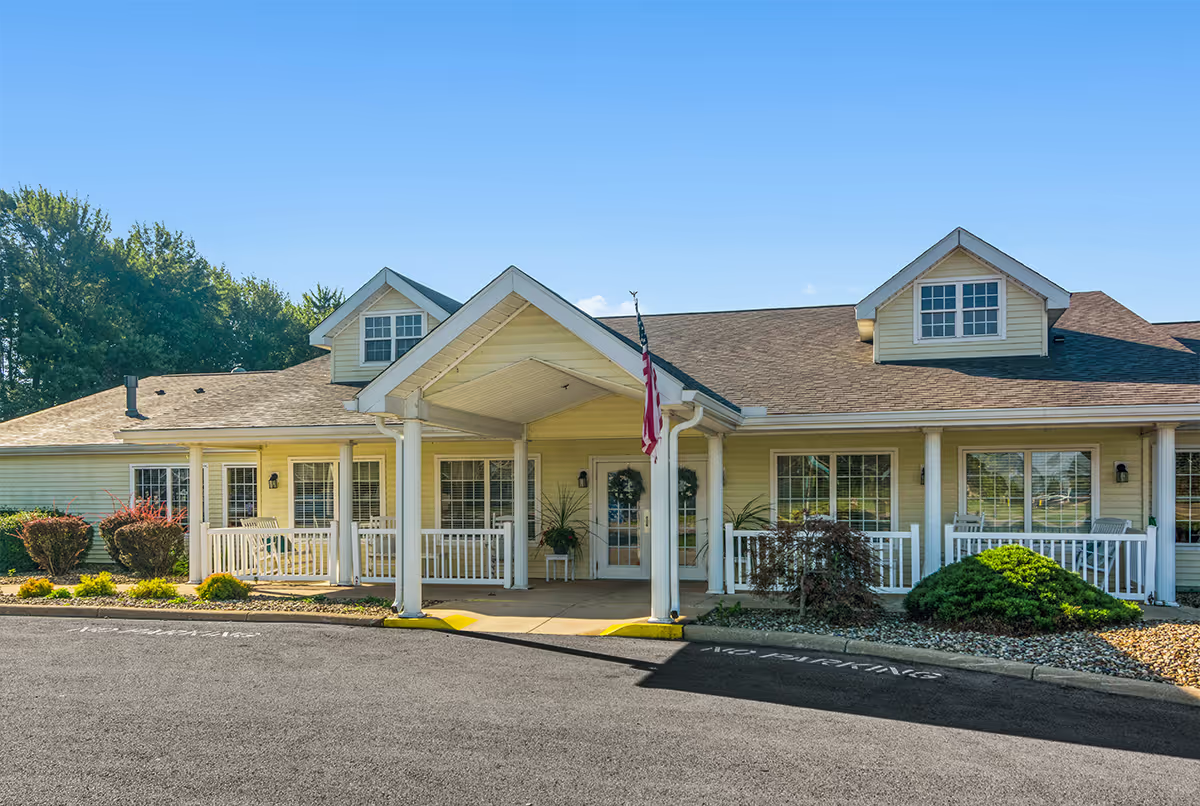
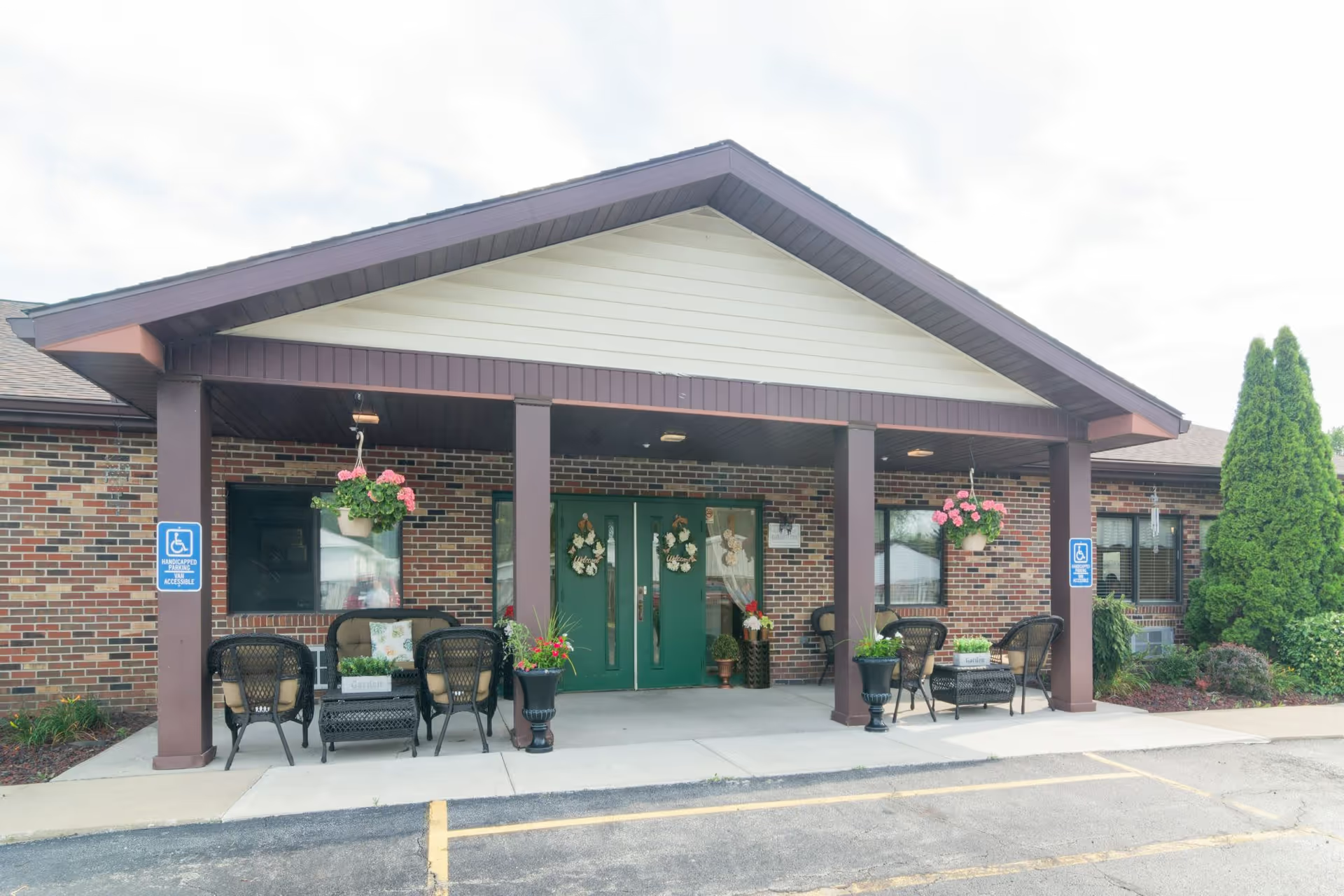
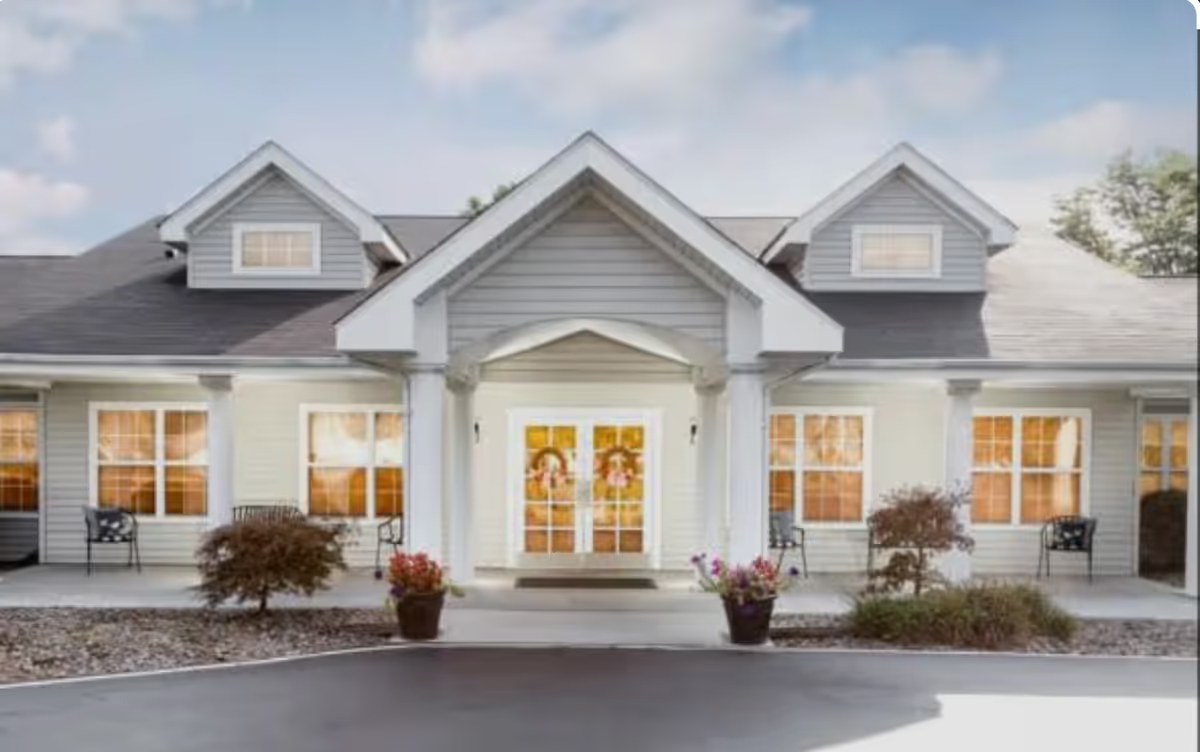
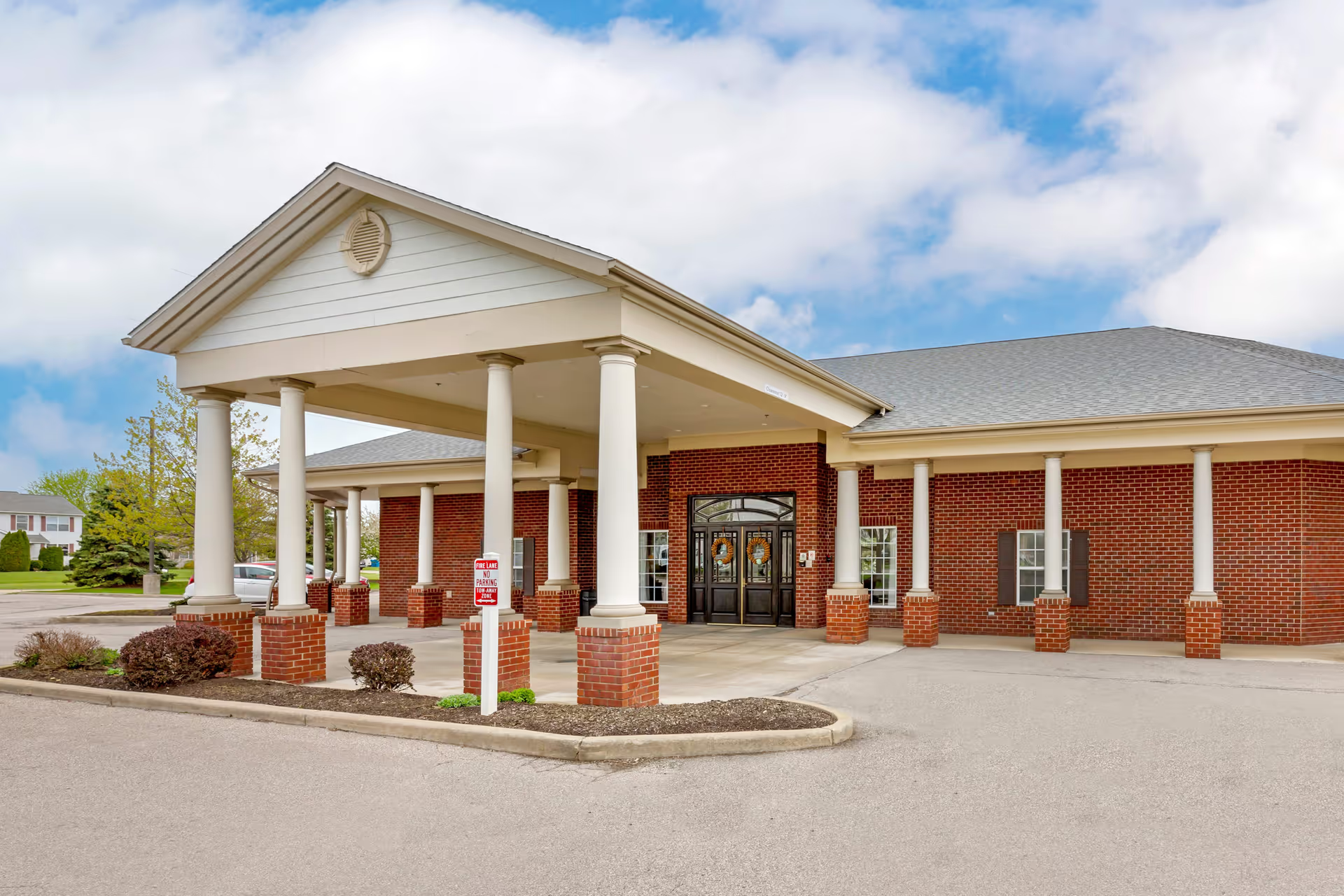
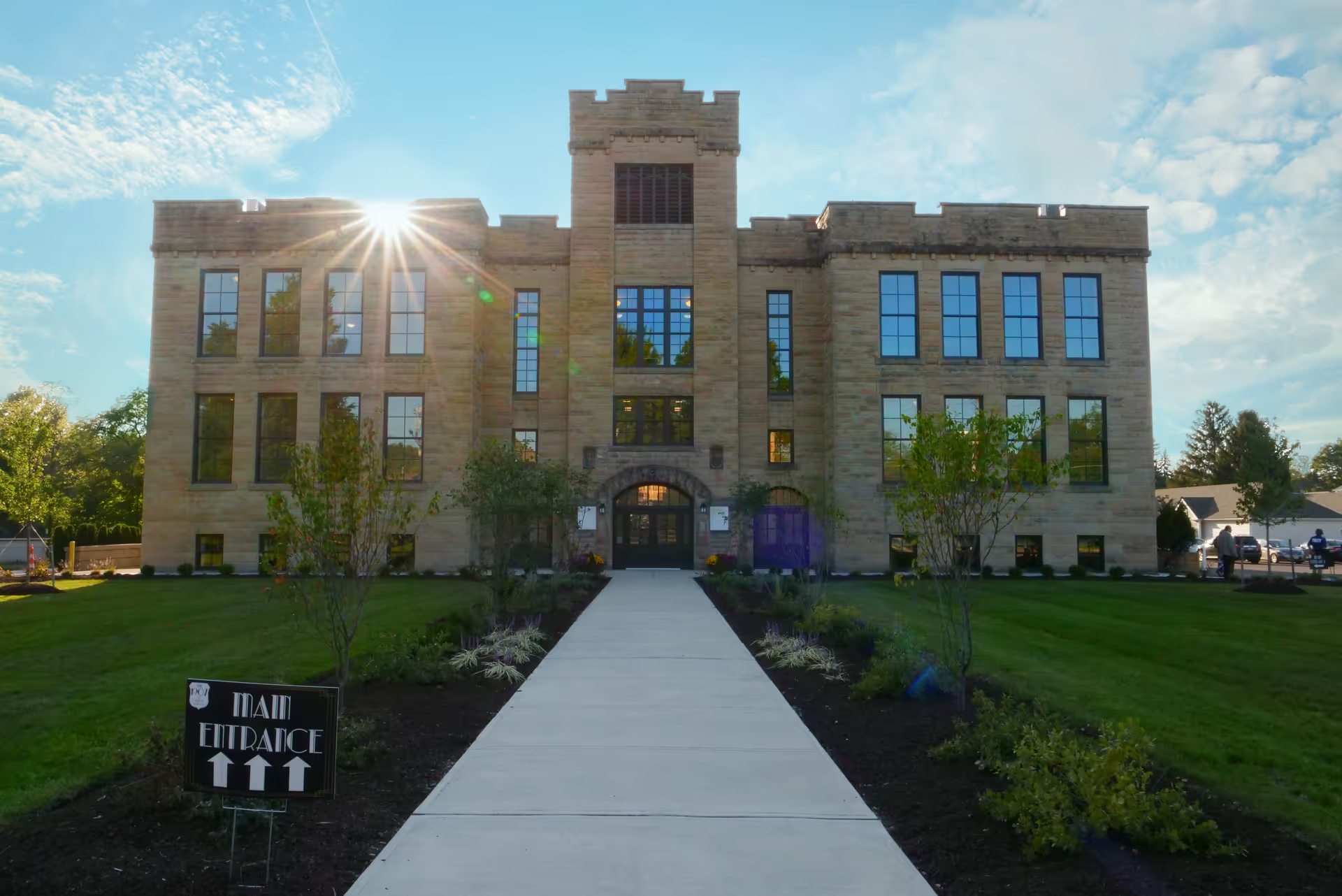
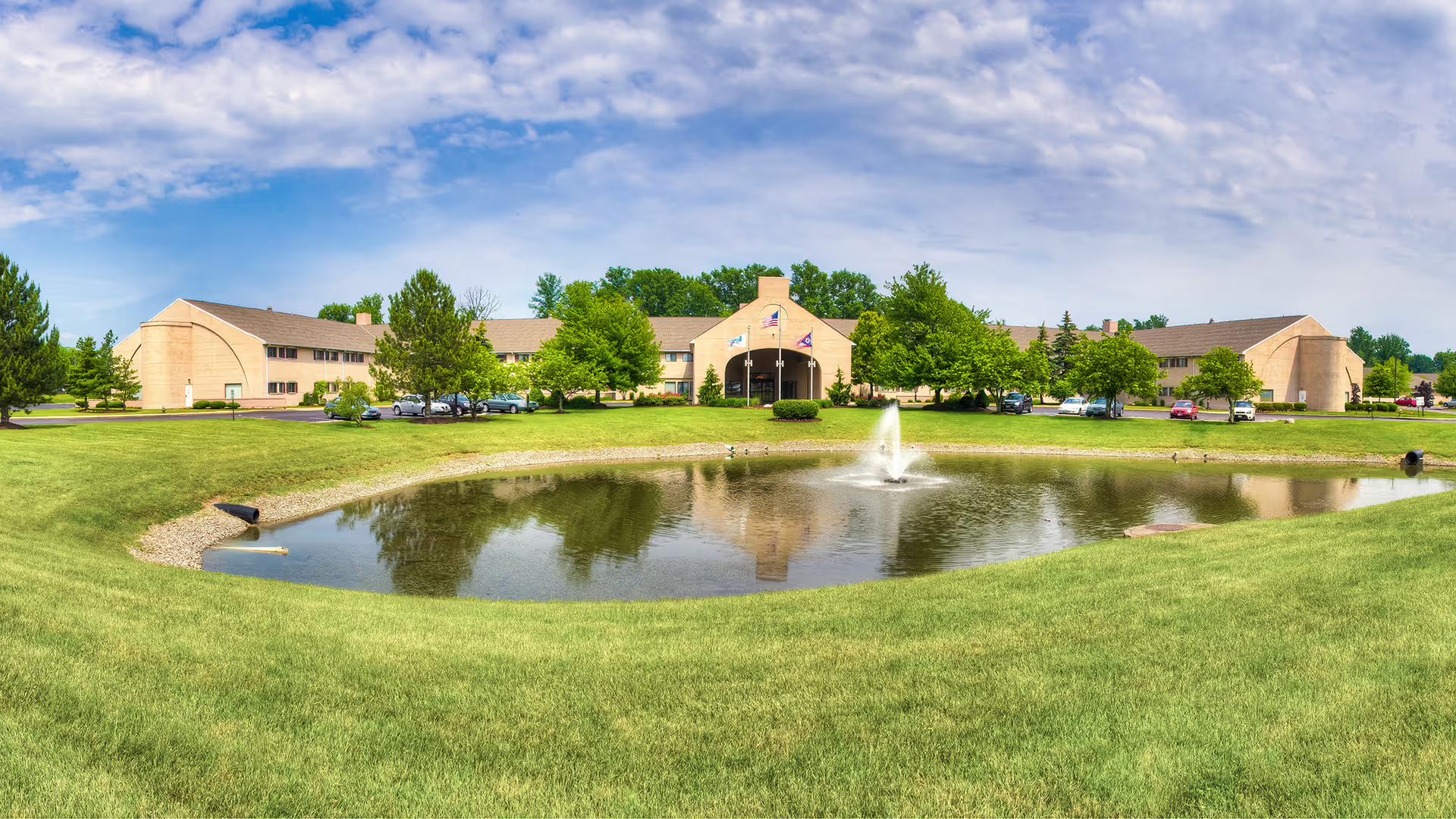
Facilities and safety: The campus, grounds, and many living spaces are described as attractive, well-maintained, and exceptionally clean in numerous accounts. Spacious units, patios, lake views, and small-house neighborhoods contribute to a residential feel. Conversely, the facility’s sprawling layout was noted as potentially confusing for residents with mobility or cognitive challenges. One operational infrastructure concern mentioned is the lack of robust backup power (no generator), which could affect comfort and safety during outages.
Notable patterns and considerations: The reviews form a mixed but consistent pattern: strong person-centered care and amenities coupled with operational weaknesses that affect consistency. Positive narratives about staff devotion and campus quality recur alongside critiques about staffing shortages, communication lapses, scheduling/logistics errors (transportation and dining), and higher-than-expected costs for certain services such as respite. There are also references to reliance on outside vendors for some services, which can introduce variability in continuity of care.
Recommendation for prospective families: The community appears to offer a high-quality physical environment, robust activity programming, and capable clinical services in many cases. When evaluating this community, consider asking for specifics about staffing ratios, medication administration protocols, incident communication practices, emergency power plans, dining/reservation policies, and itemized costs for respite and ancillary services. These targeted questions will help clarify how the facility manages the operational gaps highlighted by reviewers while preserving the strengths many families found meaningful.