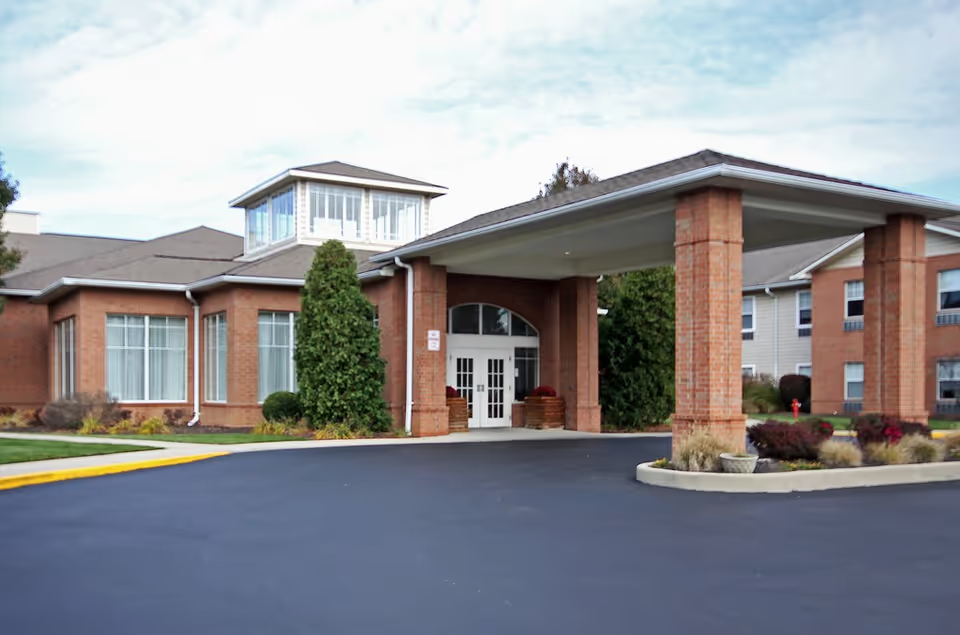
Liberty Station Health Campus presents a mixed but overall strong profile, with many families praising its social environment, clinical rehabilitation services, and dining program while others raise operational and safety concerns that warrant careful inquiry. Positive feedback centers on a welcoming, family‑like culture: staff are frequently described as friendly, attentive, and compassionate, and many families noted that residents appear engaged and emotionally improved after arrival. The facility's rehabilitation and therapy departments receive consistent commendation for effective, goal‑oriented care, and memory‑care services are often described as a particular strength.
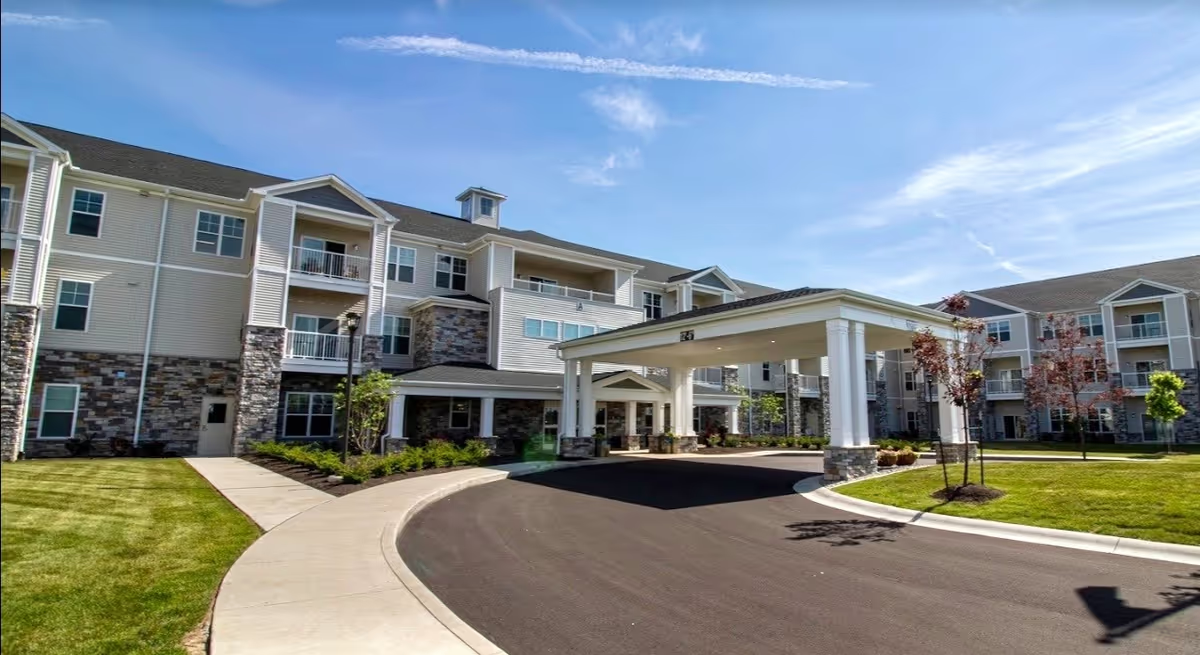
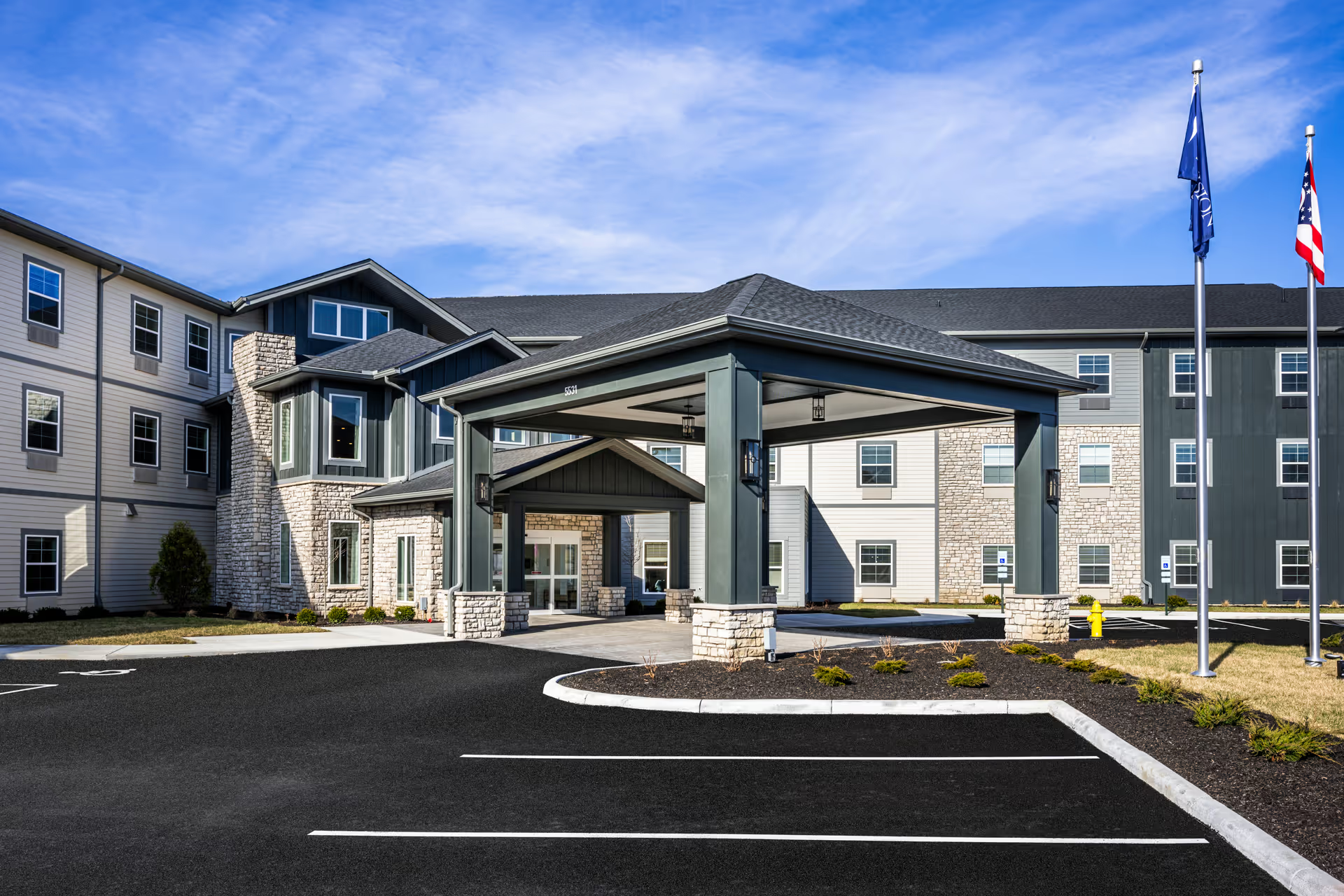
Dining and programming are recurring highlights. Reviewers emphasize high‑quality, chef‑driven meals (including multi‑course dinners and themed menus) and a variety of activities, outings, entertainment, and family‑night events that support resident engagement. The campus and apartments are regularly characterized as clean, bright, and modern, with pleasant communal spaces and included amenities. Multiple levels of service — short‑term rehab, long‑term care, and adult day services — add flexibility for different needs, and several accounts describe effective coordination during hospital transitions and emergency situations.
Despite these strengths, a number of operational issues appear repeatedly and deserve attention. Staffing consistency and coverage are a primary concern; reviewers cited periods of severe understaffing and the use of personnel without full certifications, which families associate with delays in care and increased fall risk. Linked to staffing are reports indicating inconsistent infection‑prevention and wound‑care practices and gaps in transfer and safety protocols. Some reviewers also described dissatisfaction with clinical assessment processes, noting limited on‑site specialist access (for example, neurology) that can complicate the evaluation and diagnosis of complex conditions.
Administrative and access issues emerge as another pattern. Prospective residents and families have experienced long waitlists, unclear timelines for Medicare or insurance approval, and difficulty obtaining straightforward answers from admissions or billing staff. Communication breakdowns — both in real time and around care coordination — are cited alongside these delays. Finally, a small but serious subset of reviews raises allegations of severe staff misconduct and other regulatory concerns; these reports are distinct from routine complaints and suggest the importance of reviewing inspection records and any regulatory actions.
For families considering Liberty Station, the facility offers many attractive qualities: strong rehabilitation, robust programming, appealing dining, and a bright, community‑oriented environment. At the same time, it is advisable to confirm current staffing ratios and certifications, ask about specialty‑care access and protocols for complex diagnoses, review infection‑prevention and wound‑care practices, and obtain clear timelines for insurance/Medicare authorization. Visiting in person, speaking with the clinical leadership, and reviewing recent inspection and complaint histories will help balance the facility’s notable strengths against the operational issues highlighted by other families.