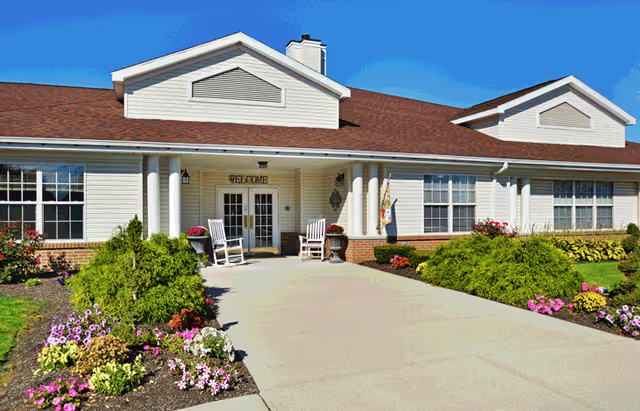
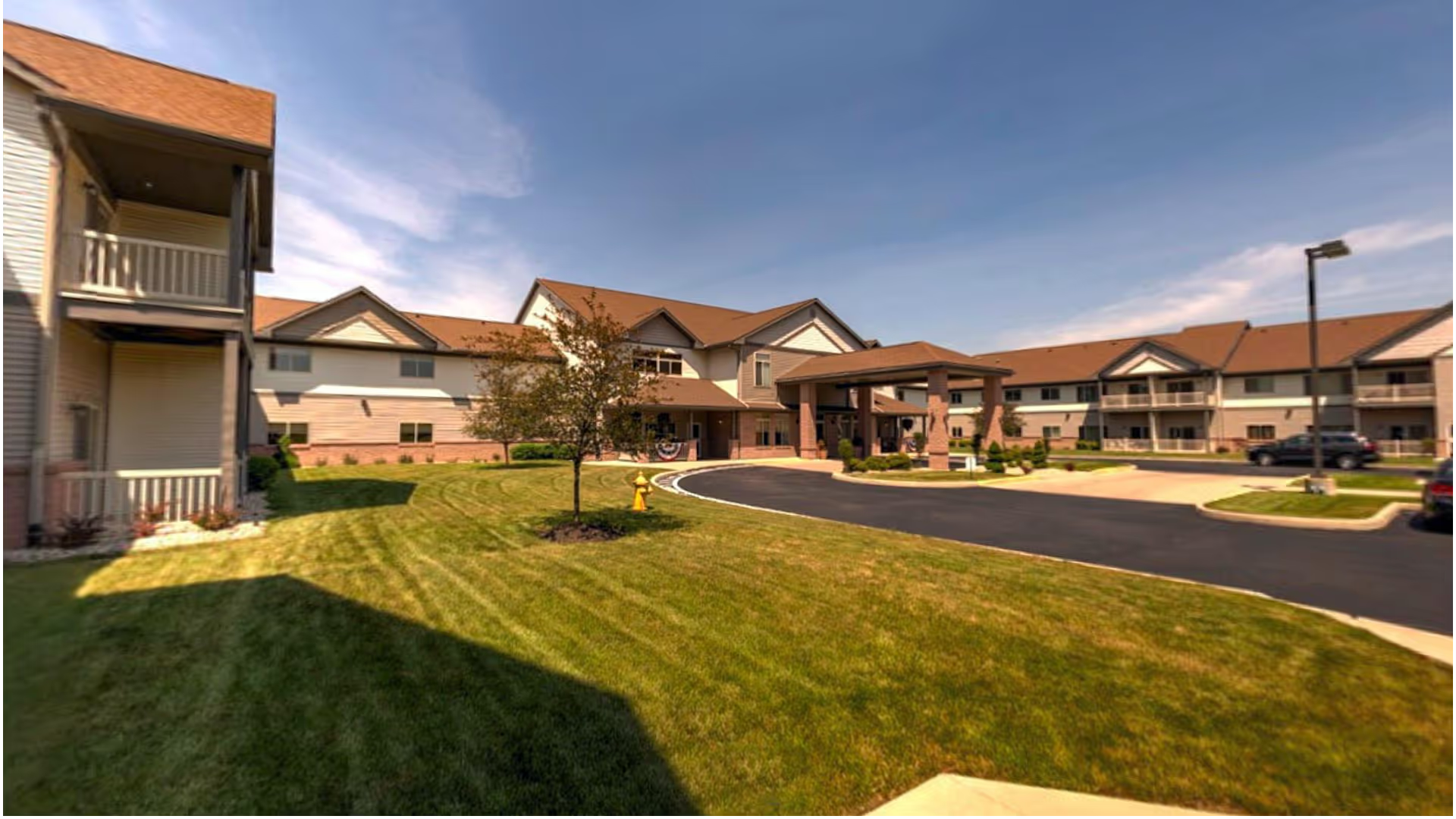
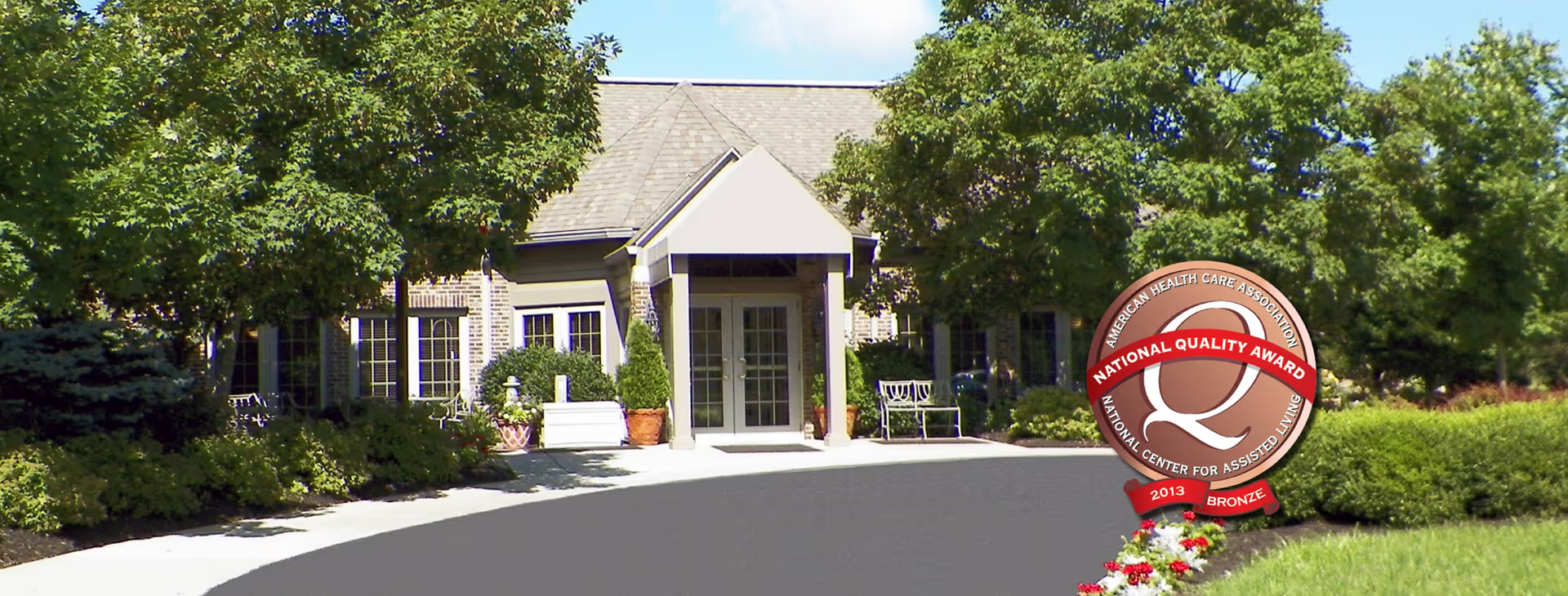
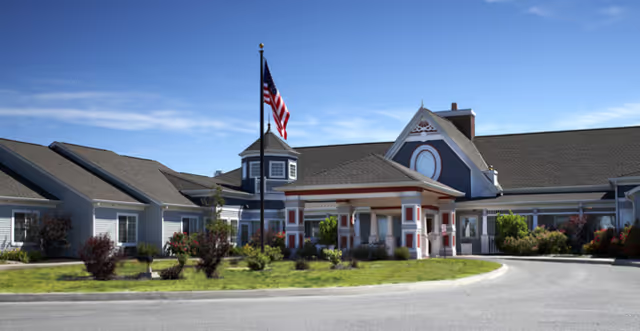
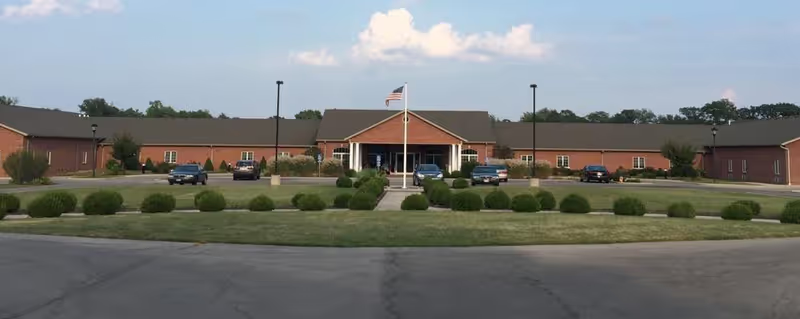
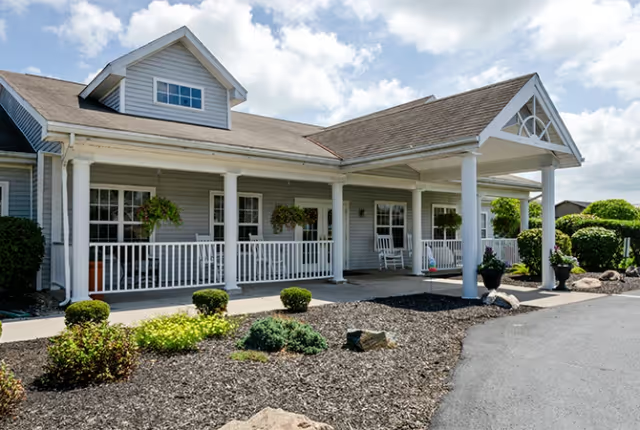
The reviews describe a facility with a marked contrast between physical environment and clinical performance. Multiple reviewers praised the building, common spaces and resident rooms — noting an attractive, well-designed interior and exterior, enclosed patios, a therapy gym, salon and library — and several accounts emphasize a strong rehabilitation program and an on-site dialysis unit staffed by experienced nurses. At the same time, reviewers described uneven clinical outcomes and serious concerns about care processes that affect resident safety and wellbeing.
Care quality and clinical operations emerged as a mixed picture. Positive experiences include effective occupational and physical therapy, responsive regular nursing and aides, and prompt attention in some cases. Conversely, other accounts point to inconsistent clinical care, infection-related hospitalizations, and gaps in medication management and end-of-life processes. There are notable process-level concerns about how hospice care, medication timing, and symptom management are coordinated; separate, serious allegations involving leadership are cited and some matters have been flagged for external investigation, creating additional regulatory scrutiny.
Staffing, professionalism and communication show similar variability. Several reviewers praised individual aides and nurses as compassionate and family-oriented, while others reported rude or inexperienced staff, staff using personal devices while working, and lapses in staff conduct. Operationally, staffing shortages — particularly at night and during holiday periods — and turnover were described, which reviewers linked to delayed assistance with mobility and dining, lengthy waits for restroom help, and inconsistent availability of nursing personnel. Interdepartmental and external communication problems were also raised: unanswered phones for doctors, pharmacies and families, and difficulties coordinating care across teams.
Dining and ancillary services were also inconsistent. Many found the facility clean and the dietary department competent, but others reported cold or unopened meals, intermittent lack of basic items (for example, coffee supplies after dinner), and variable help with feeding when residents needed assistance. Amenity access had both strengths and weaknesses: the salon, therapy gym and activities program received praise, yet some residents experienced access problems (key or scheduling issues) and inconsistent staff assistance when using equipment or going outdoors.
Management and transition dynamics are an important theme. Several reviews note new ownership and near-complete management turnover with positive early signs — staff refreshes, leadership involvement, and improvements for rehab and some long-term care functions. At the same time, there are serious operational issues raised in other reviews: missing personal items and billing disputes, power-outage handling and attendant safety/sleep concerns, and infection-control questions. A small number of reviews document allegations that have attracted regulatory attention; those issues warrant careful follow-up if considering placement.
For prospective residents and families: an in-person visit focused on recent clinical performance and operational changes is advisable. Ask about current staffing ratios (including night coverage), turnover rates, infection-control metrics and recent regulatory history, hospice and end-of-life care processes, medication-administration protocols, meal-service practices, and how the facility manages personal-property and billing matters. Observe staff–resident interactions, check responsiveness to call systems, and confirm access to the specific amenities (salon, therapy gym, dialysis) that matter to you. The facility presents clear strengths in environment, rehab services and certain clinical units, but reviewers describe enough variability in care consistency and operational reliability that direct verification of current practices is recommended.