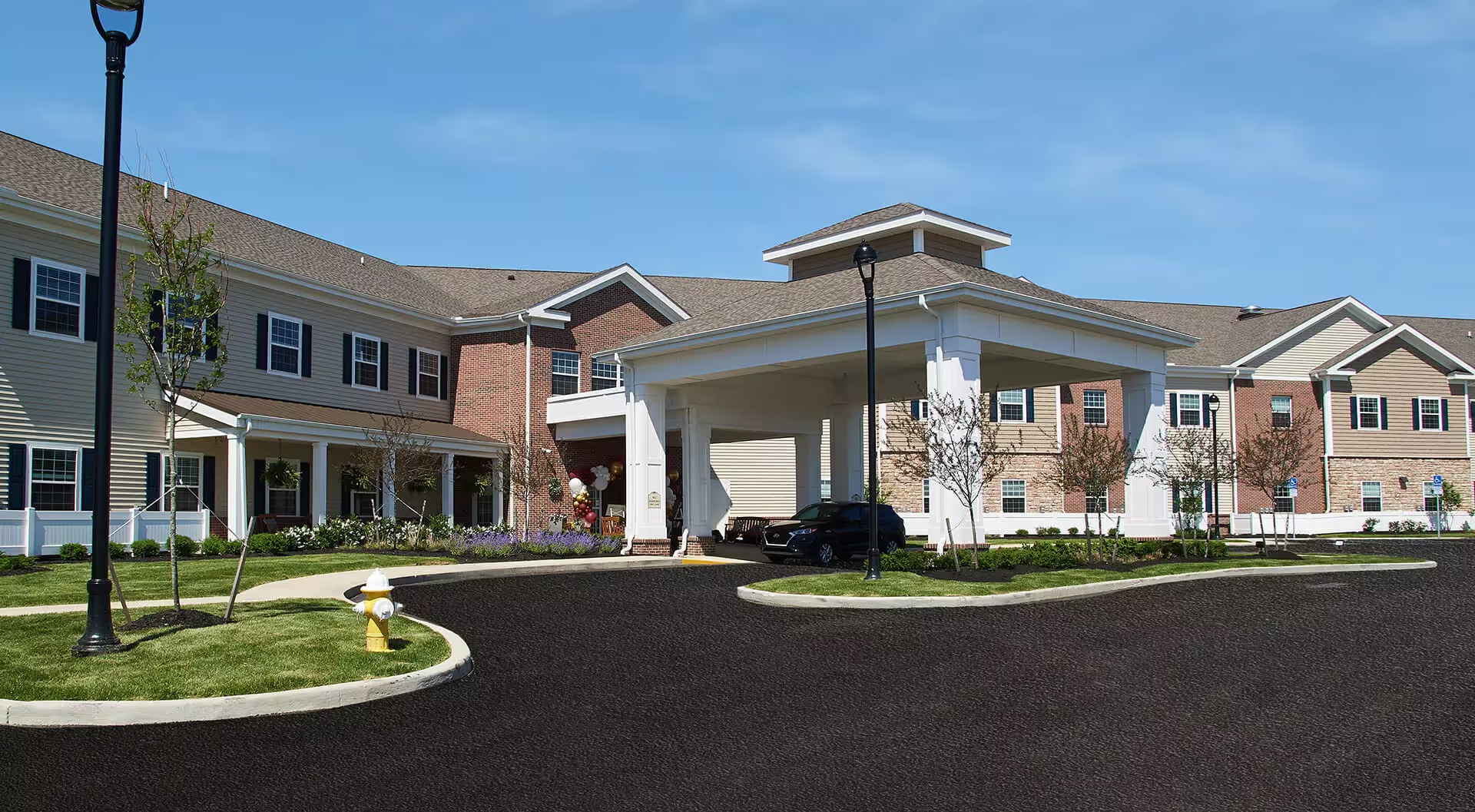
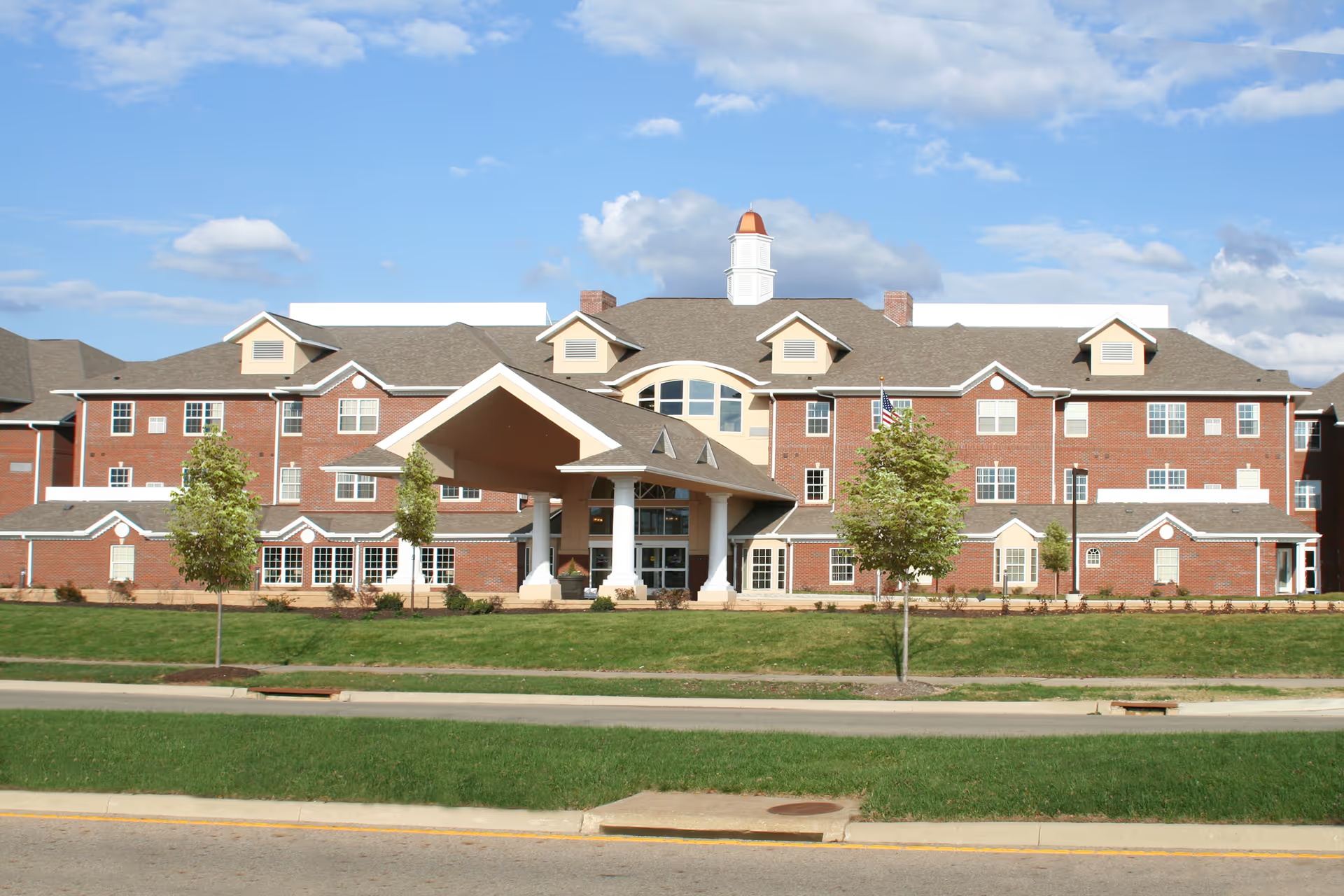
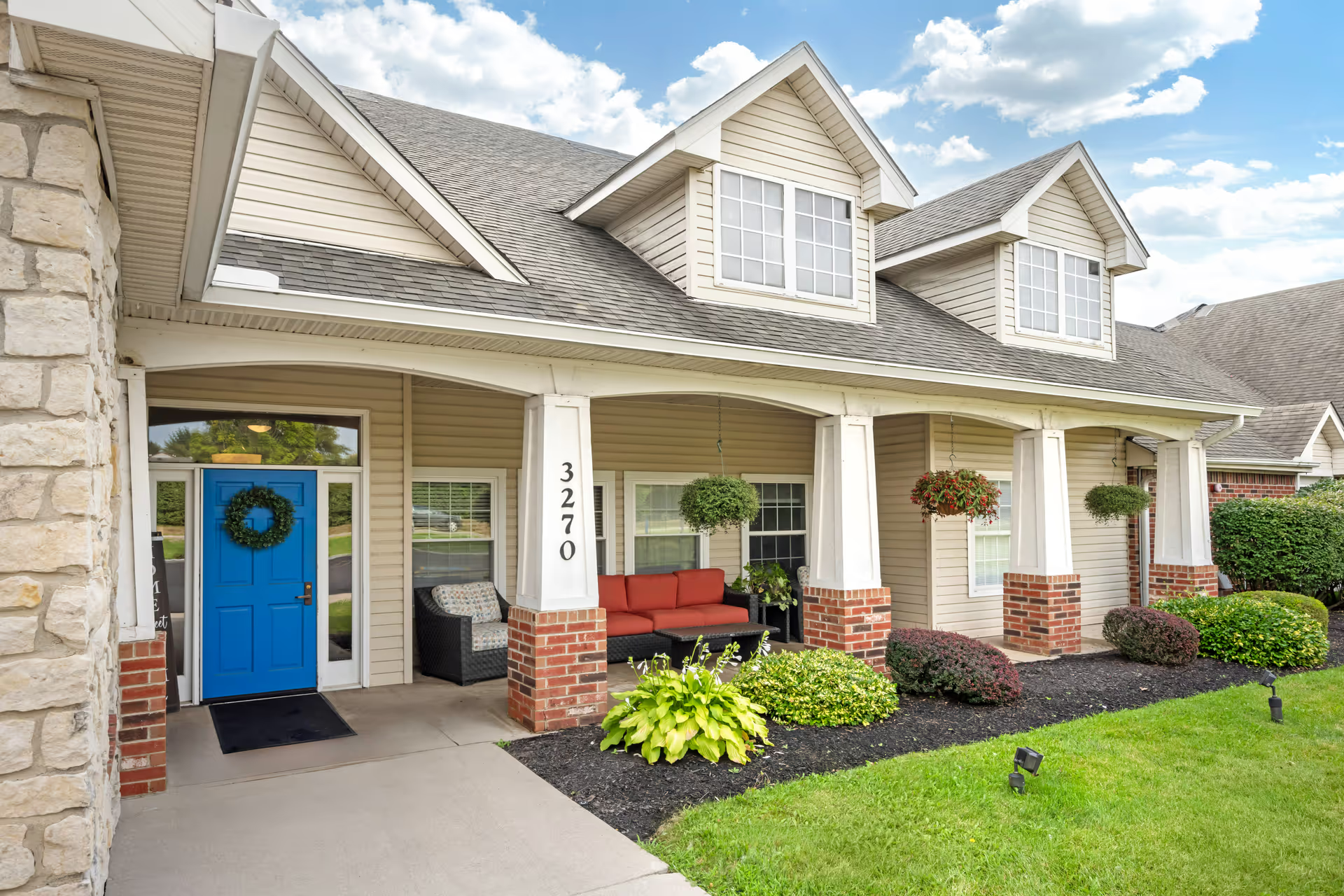
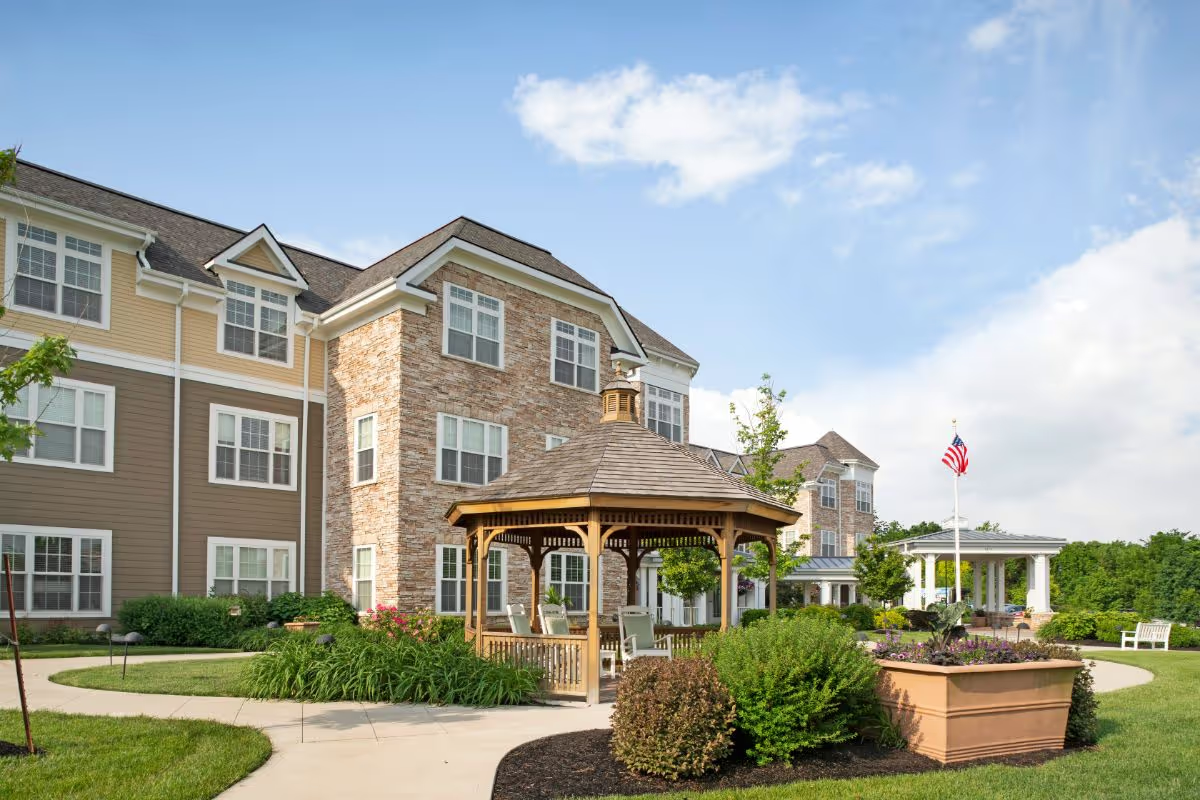
The Madison Senior Living Community elicits a mixed but discernible pattern in reviewers’ experiences. Strengths most commonly cited are interpersonal and environmental: many families and residents described staff who are compassionate, responsive, and willing to accommodate requests; multiple comments highlight after-hours/text communication and prompt maintenance response. The physical environment is frequently praised as well-kept and home-like, with comfortable apartments or cottages, clean common areas, pleasant outdoor landscaping, and engaging social spaces (atrium, fireplaces, dining rooms) that support a family-style atmosphere.
Activity programming and social life are another clear asset. Reviewers noted a wide variety of scheduled activities—games, outings, community lunches, seasonal events—and transportation support for excursions. On-site services such as hair styling, group meals, and occasional specialty events were seen as adding value and supporting resident engagement. Many families reported smooth move-ins and supportive placement assistance, and the community’s pet-friendly policies and flexible visiting hours were viewed positively.
Care quality and clinical operations present more variability. A number of reviews describe positive hands-on care and respectful staff–resident interactions; however, a distinct cluster of clinical concerns also appears across reviews. These center on medication administration and pharmacy controls, with instances implying inconsistent medication handling and schedule changes made without full family consultation. Relatedly, reviewers described gaps in interdisciplinary communication—between physicians, nursing staff, and families—that can lead to delayed responses or uncoordinated care plans. Several families also raised concerns about dementia-specific care and the staff’s capacity for behavioral redirection, suggesting the facility may have uneven training or protocols for residents with cognitive impairment.
Operational issues were another recurring theme. Management responsiveness is uneven: some families experienced prompt problem resolution, while others reported needing repeated follow-ups before issues were addressed. Staffing levels and preparedness were frequently mentioned as contributors to inconsistent service delivery; understaffing was tied to slower assistance, missed housekeeping expectations, and variability in meal service. Laundry and personal-belongings handling, including damaged, stained, or missing clothing, emerged as a notable weakness in resident support processes and property management. Housekeeping and room-cleanliness routines also appear inconsistent across units.
Dining receives generally favorable comments for quality and variety, with family-style meals and positive weekend programming noted; nevertheless, several reviews described variability in food preparation and limited accommodations for specific dietary needs. Some families expressed frustration with meal presentation or the ability to meet special texture or diet requirements consistently.
Finally, reviewers flagged procedural and transparency concerns that relate to family communication and consent. Examples include limited disclosure during infection-control episodes and instances where clinical decisions or procedures occurred without timely family notification; these suggest opportunities for stronger policies around informed consent, emergency communication, and event transparency. A few families also mentioned pressure to use in-house clinical providers or pharmacy services, which affected their perception of choice.
In summary, The Madison offers many strengths—especially in interpersonal warmth, social programming, and its physical environment—but prospective residents and families should carefully evaluate clinical protocols, medication and laundry procedures, dementia-care capacity, and management responsiveness during tours and reference checks. Asking targeted questions about staffing ratios, medication-administration safeguards, family-notification procedures, dementia training, and how special-diet or laundry issues are handled will help clarify whether the facility’s operational practices match the level of clinical oversight and consistency that a given resident requires.