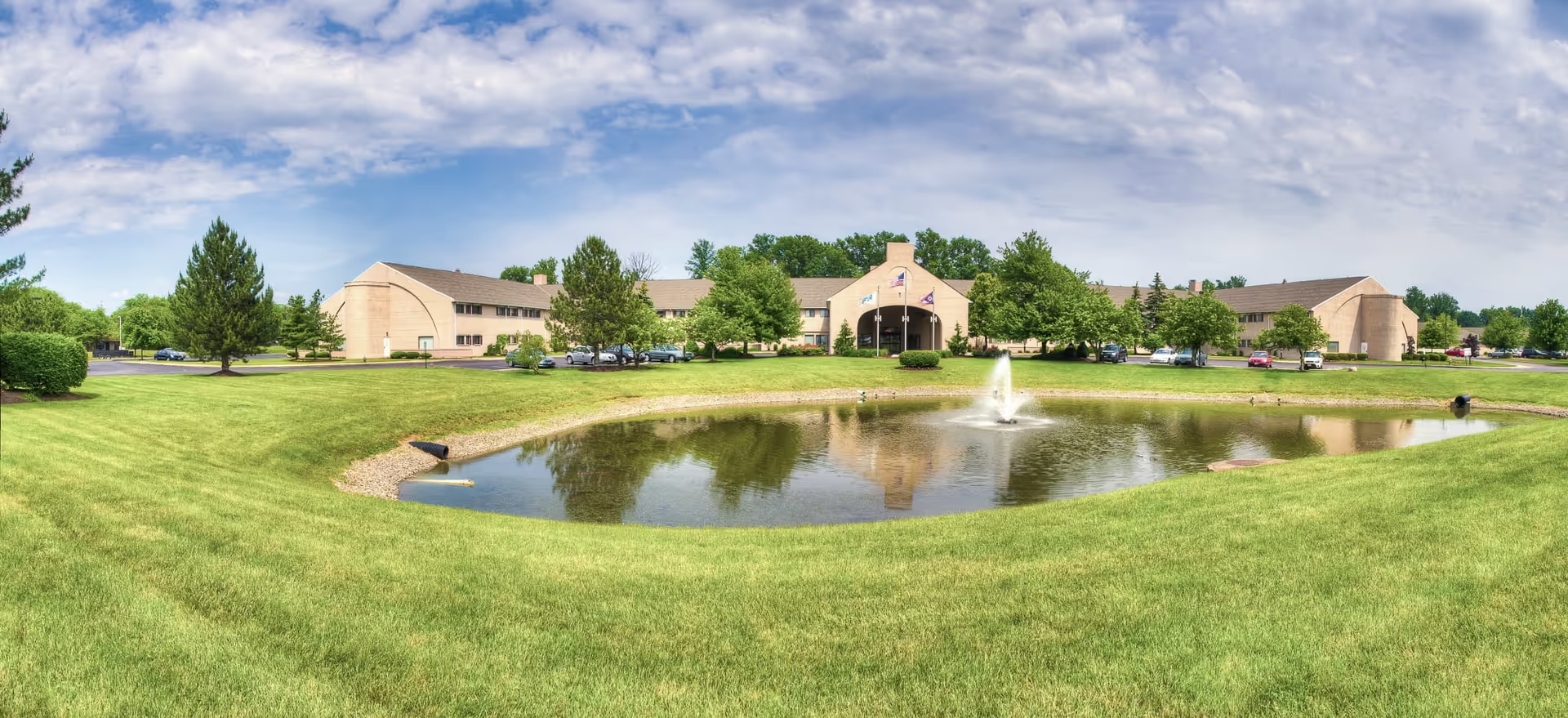
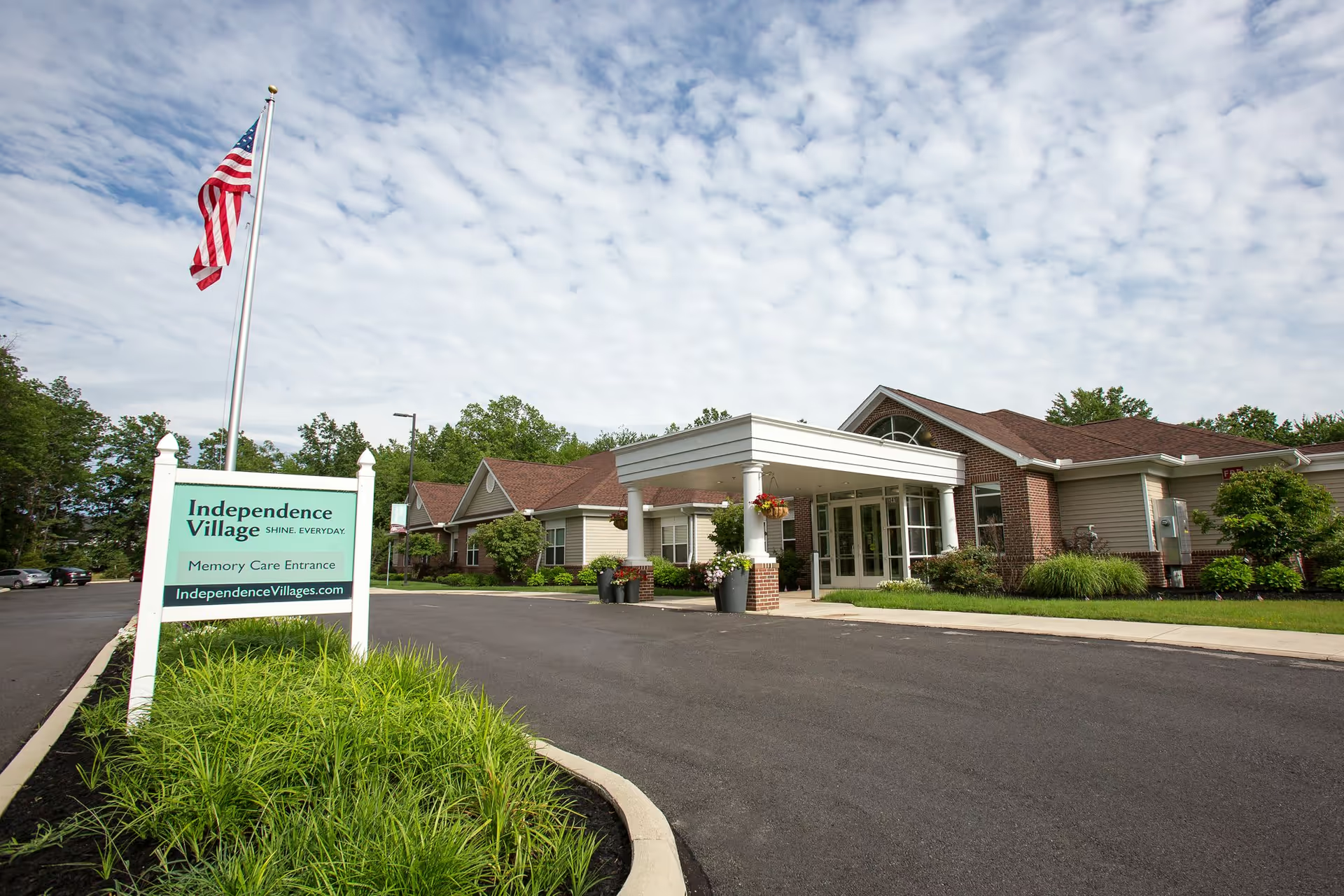
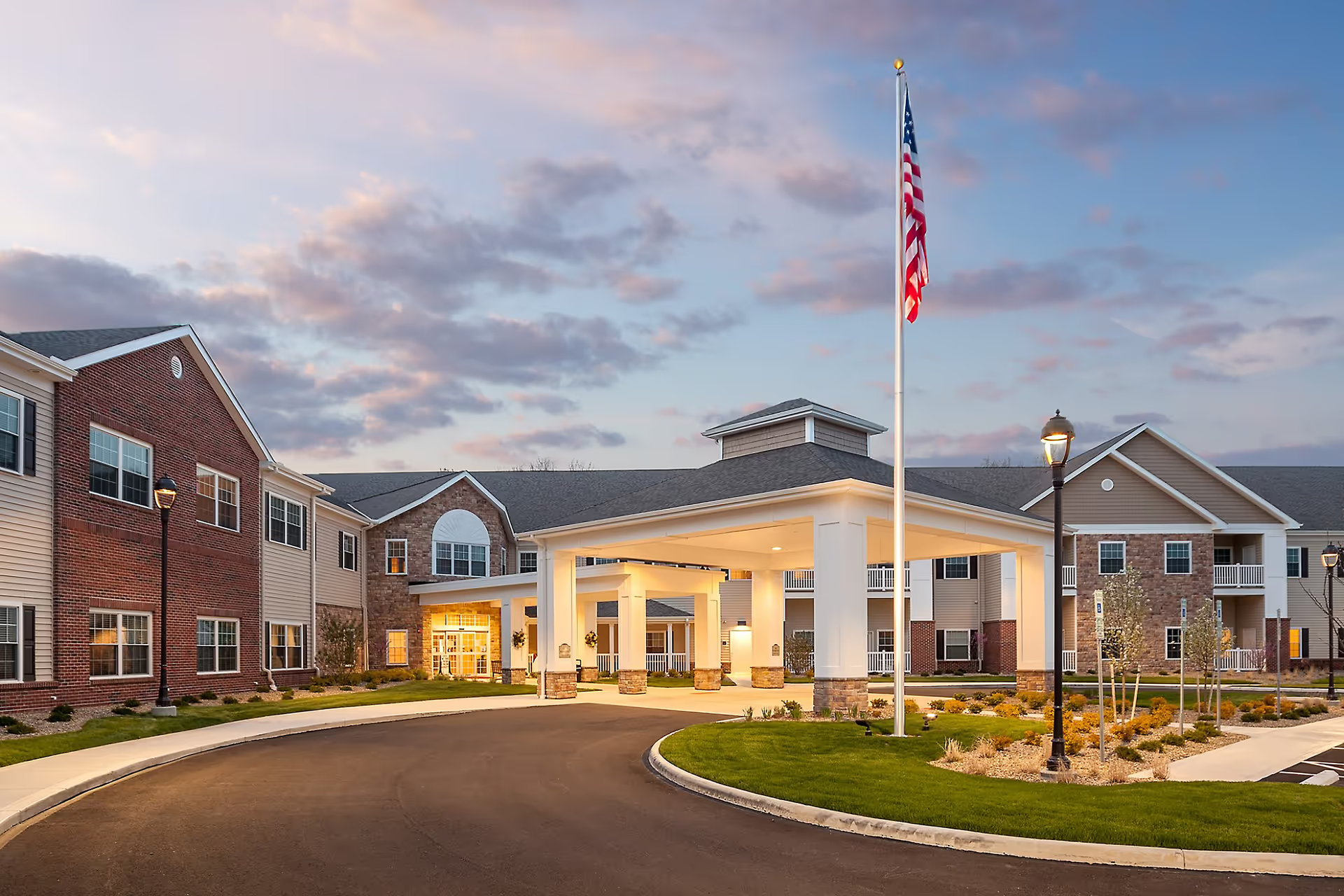
The reviews of Sprenger Health Care Anchor Lodge Retirement Village present a highly mixed picture: many families and residents describe a pleasant, lakefront environment with strong therapy services and a warm, family-like culture, while other accounts raise substantive operational concerns. The property’s strengths most consistently cited are its scenic location, bright and spacious suites, an active life-enrichment program, and a rehabilitation department that several families described as excellent. Specific staff members and teams are praised for being compassionate, responsive, and long-tenured, and maintenance and support staff are frequently noted as helpful.
Care quality and clinical operations appear inconsistent across reviews. Positive accounts emphasize attentive nursing and effective rehab interventions, but other reports describe prolonged delays in meeting basic care needs (call light response, bathing, and assistance with mobility), gaps in medication administration, and uneven clinical monitoring during and after transitions of care. Several reviews raise concerns about availability of assistive equipment and bed-safety features, which suggests variability in how safety needs are addressed.
Staffing and interpersonal conduct are another area of divergence. Many reviewers commend caregivers and nurses for kindness and professionalism, and they single out coordinators who provide clear communication and advocacy. However, there are also recurrent concerns about rude or unprofessional behavior, inconsistent staff responsiveness across shifts, and heavy reliance on agency personnel. These patterns correlate with reports of delayed care and inconsistent follow-through on requests.
Dining and activities show a similar split. The facility’s life-enrichment team and activity offerings (bingo, singers, crafts, personalized one-on-one engagement) receive positive mention, and some residents enjoy the dining spaces and café. At the same time, reviewers report variable food quality, meal-temperature and dining-setup issues, and occasional continuity problems with meal service and dietary accommodations.
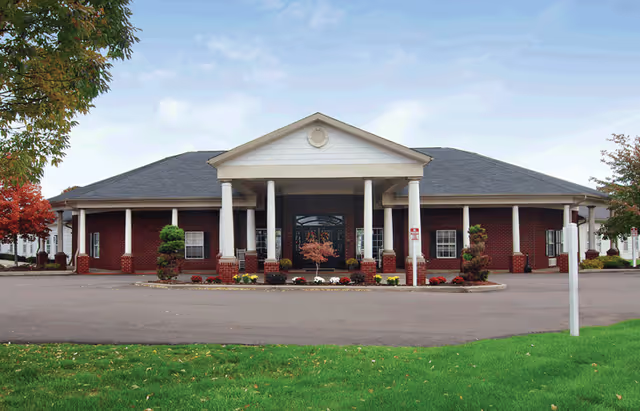
Facility upkeep and administration present mixed impressions. The building’s common spaces, lake views, and certain rooms are described as well-maintained and attractive, while other reviews cite sanitation and odor concerns in particular areas, temperature control or draftiness in some rooms, and isolated maintenance or fire-safety observations. Administrative issues are also noted: families mention delayed or unclear responses to voicemail and emails, billing and refund disputes, and at least a few serious allegations involving personal property and financial/POA irregularities that would warrant direct follow-up and verification.
In summary, Anchor Lodge appears to deliver high-quality rehabilitation and a positive environment for many residents, supported by dedicated staff and valuable amenities. At the same time, the facility shows patterns of operational variability—particularly around staffing consistency, responsiveness, medication and personal-care routines, dining execution, and some elements of facility maintenance and communication. Prospective residents and families should weigh the facility’s clear strengths in therapy, location, and specific compassionate staff against the reported inconsistencies in day-to-day clinical care and administrative responsiveness, and they may want to ask targeted questions, review recent state inspection reports, and meet clinical and administrative leaders during a tour to assess current performance and oversight practices.