The reviews for Sprenger Health Care Autumn Aegis Retirement Community describe a facility with clear strengths in rehabilitation and person-centered caregiving alongside recurring operational weaknesses. Therapy services—physical, occupational, and speech—are frequently praised for producing measurable recovery outcomes and helping residents regain independence after surgery or illness. Many families and former residents describe therapists as skilled, engaged, and outcome-focused; several accounts single out individual therapists and therapy teams for having a life-changing impact on mobility and function.
Care and staffing present a mixed picture. A substantial number of comments highlight compassionate, attentive nursing and aide care and a warm, family-like culture among staff. At the same time, other accounts point to variability in staff professionalism, responsiveness, and clinical decision-making. Reviewers identified delays in assessments and transfers, inconsistencies in medication and clinical-management practices, and occasions when information provided to families was unclear or contradictory. These patterns suggest that while many caregivers perform at a high standard, the facility’s staffing consistency and care-plan communication can be uneven.
Dining and daily living receive similarly mixed feedback. Some reviewers noted well-balanced meals and outstanding food, whereas others described meals as bland or constrained by strict dietary limitations. This indicates uneven meal quality and variable success implementing individual dietary accommodations. Laundry and personal-item handling also emerged as an operational concern for some families, pointing to opportunities for improvement in personal-care logistics.
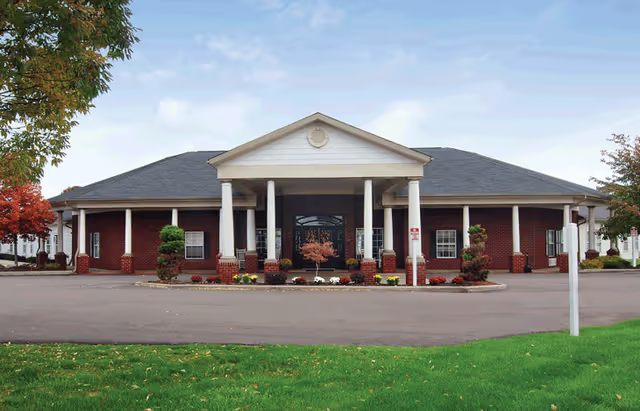
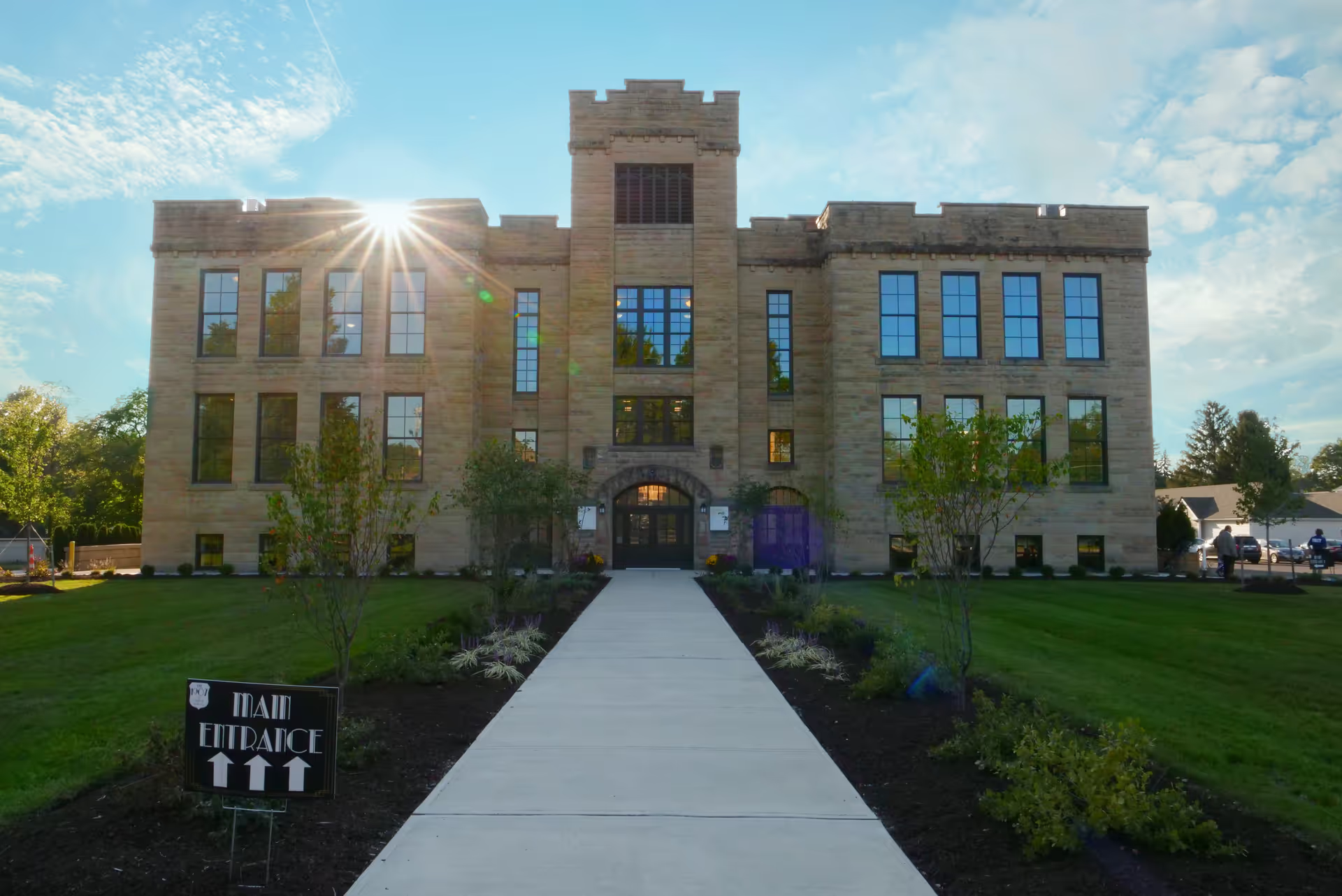
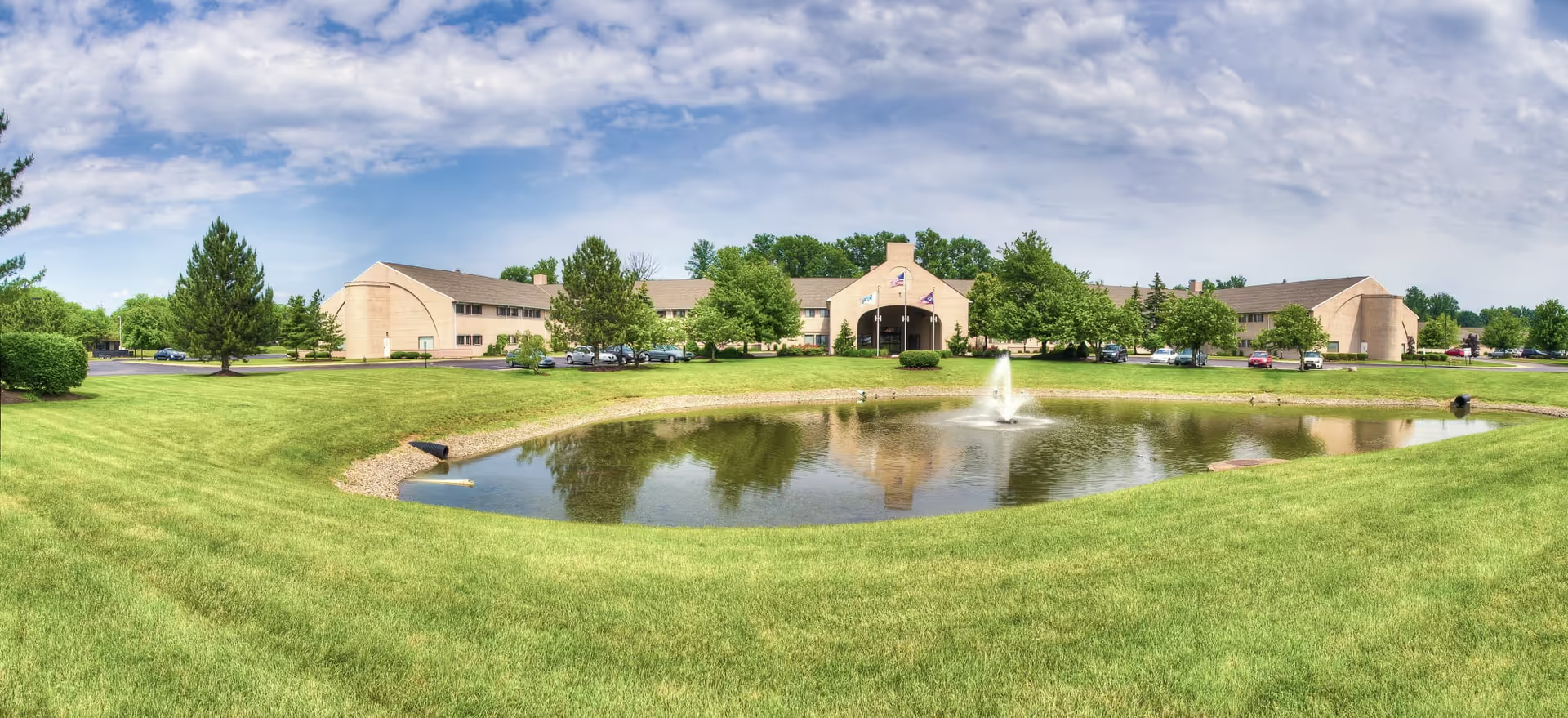
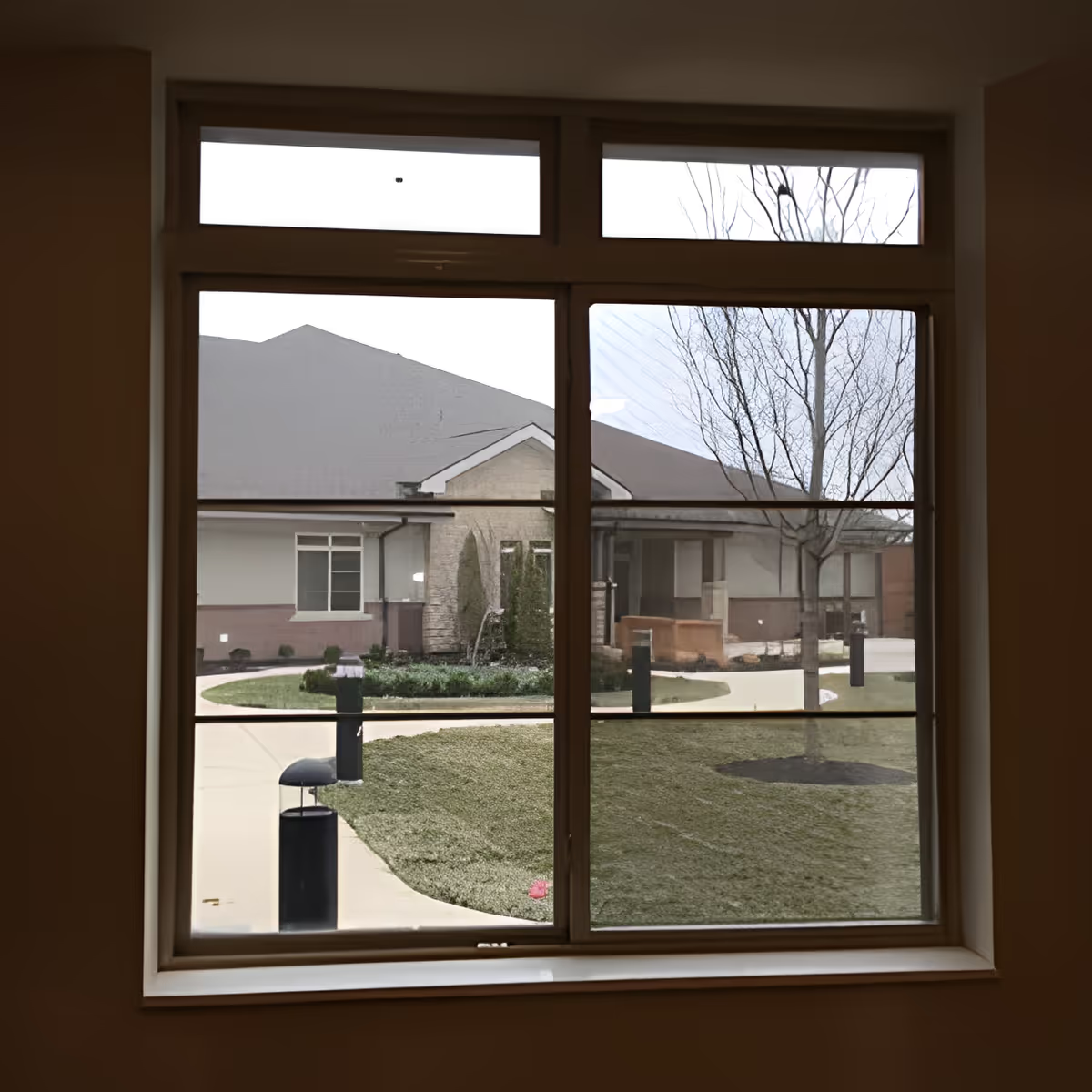
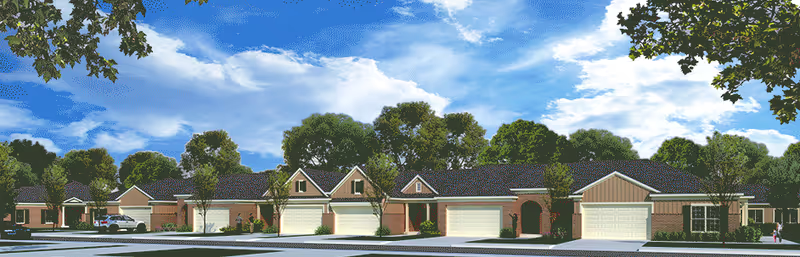
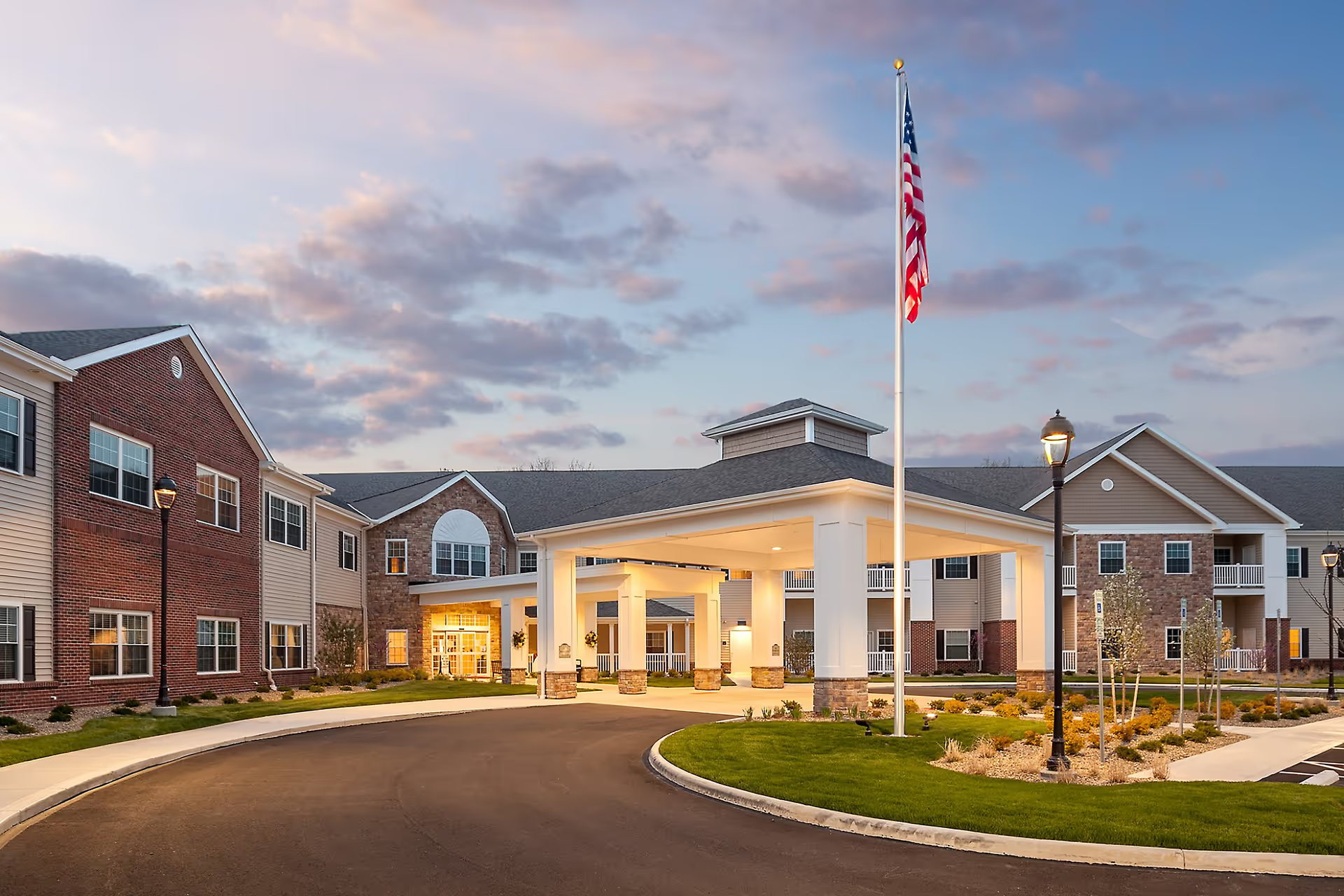
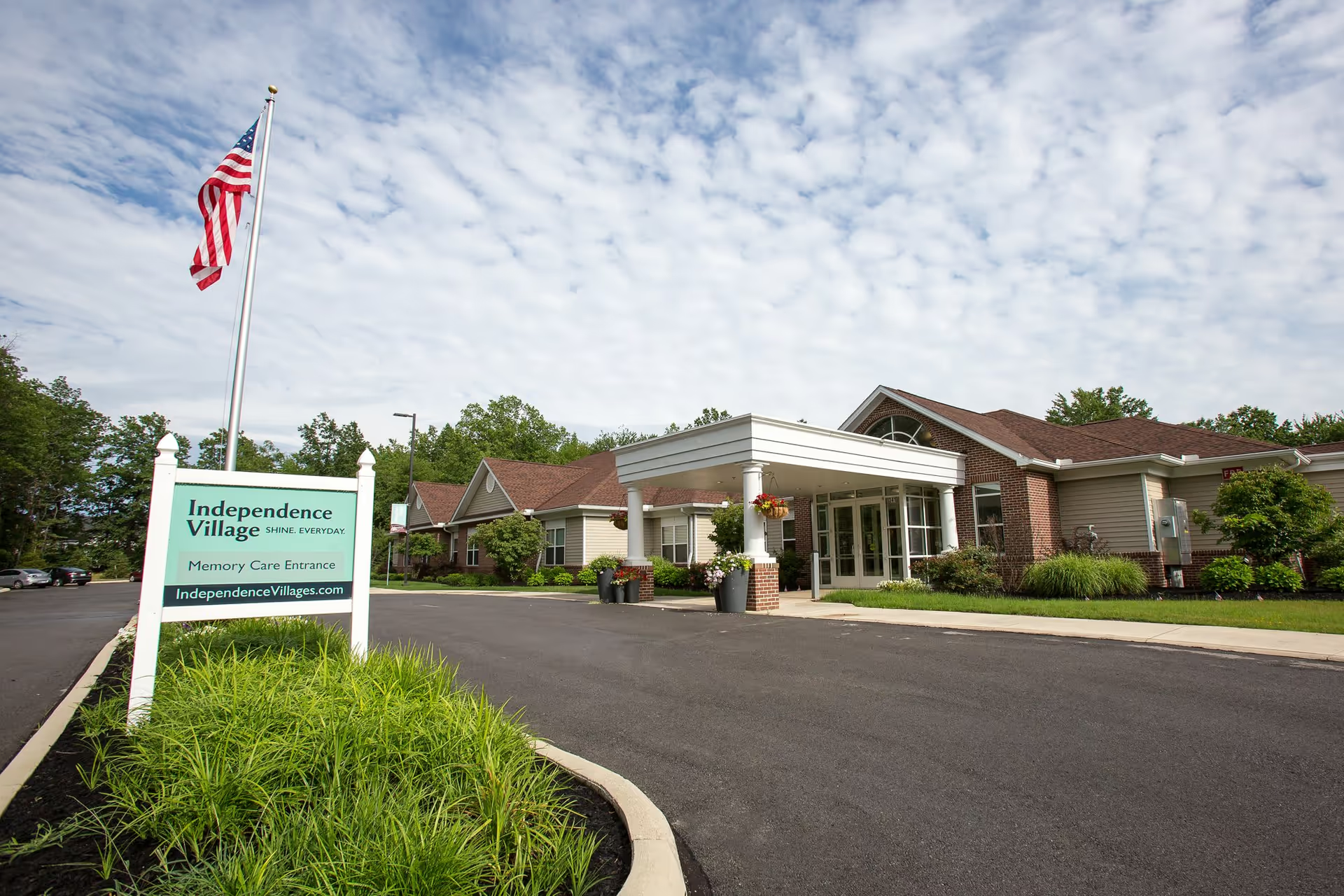
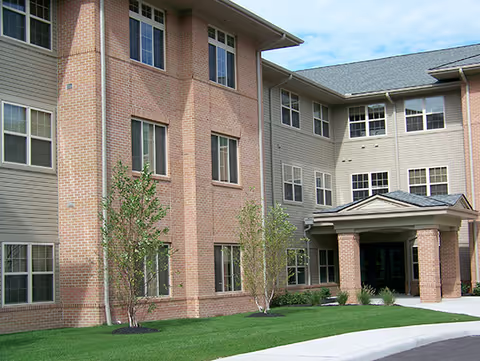
Activities and the social environment are consistently cited as strengths. The community offers an active calendar—bingo, crafts, music, themed events and holiday celebrations—that many residents and families find engaging. Multiple reviewers described feeling welcomed by staff during events and appreciated the community-oriented atmosphere. The facility’s interior and grounds are frequently described as clean, pleasant, and well-maintained, contributing to a comfortable setting for recovery or long-term residence, although a number of reviewers noted intermittent sanitation or odor-control issues in common areas.
Management and organizational practices show room for improvement. Communication gaps around clinical status, privacy-limited disclosures, and coordination with families were recurring themes. Transportation and appointment coordination were identified as unreliable in some cases, and several reviewers expressed frustration with billing, cost transparency, and insurance-navigation interactions. There are also concerns about restrictive policies affecting resident movement and consent processes. Together these operational issues may undermine otherwise positive clinical and social experiences.
In sum, the community appears to excel at short-term rehabilitation, therapy-driven recovery, and fostering a warm, activity-rich environment with many compassionate staff members. Prospective residents and families should weigh these strengths against patterns of inconsistent staffing, communication and care-management variability, and logistical concerns (transport, laundry, dietary consistency, and billing). Visiting the facility, meeting therapy and nursing leadership, and discussing specific care plans, transportation arrangements, and payment/insurance questions in detail will help families determine whether the program’s strong rehabilitative services and community atmosphere align with their expectations and needs.