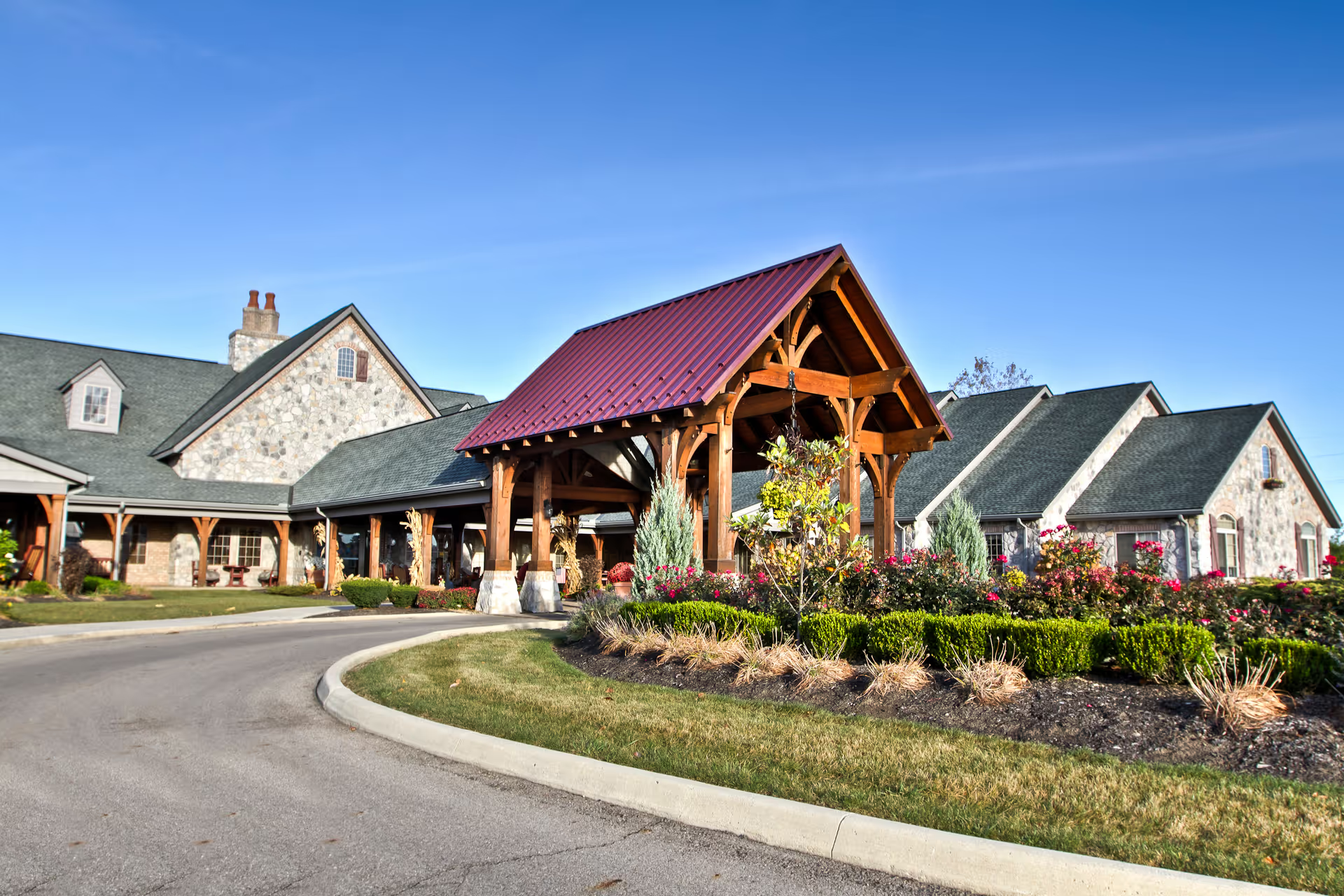
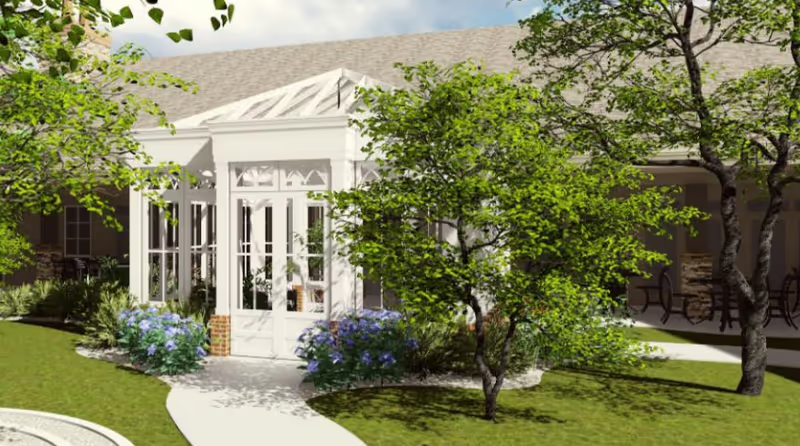
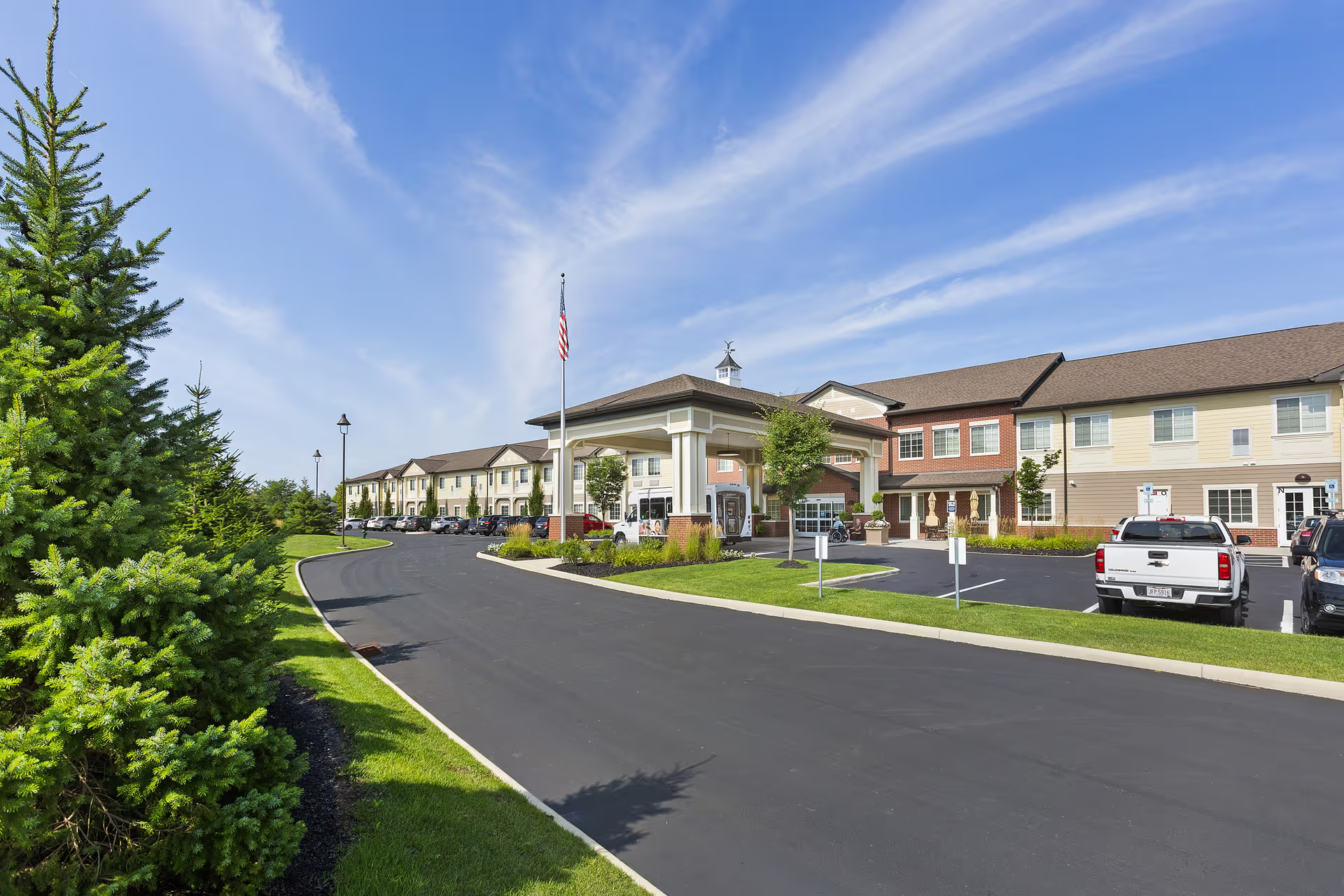
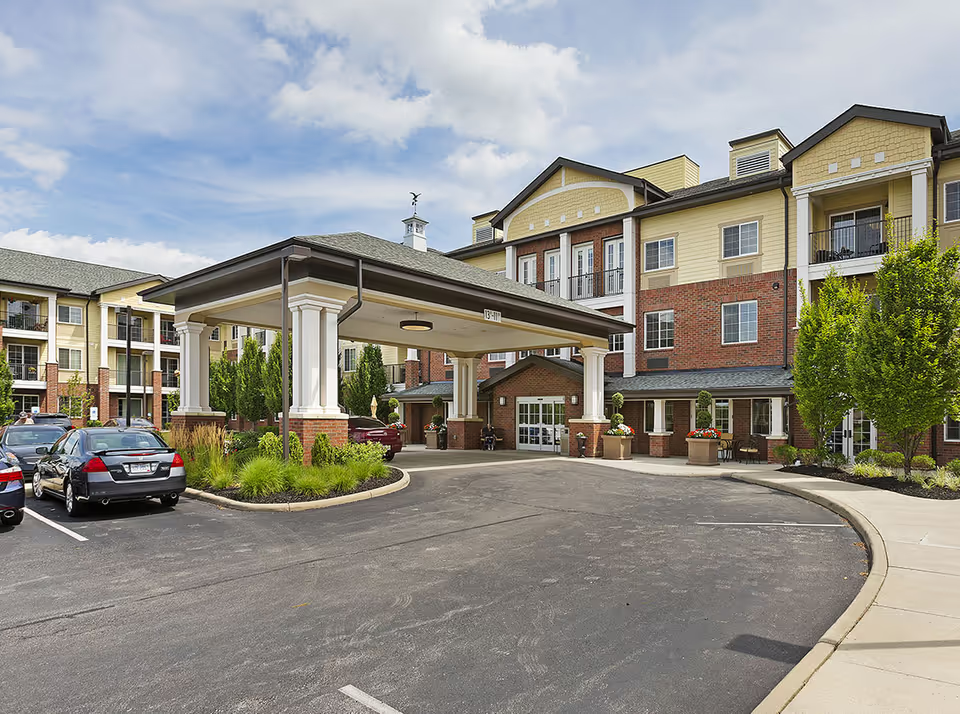
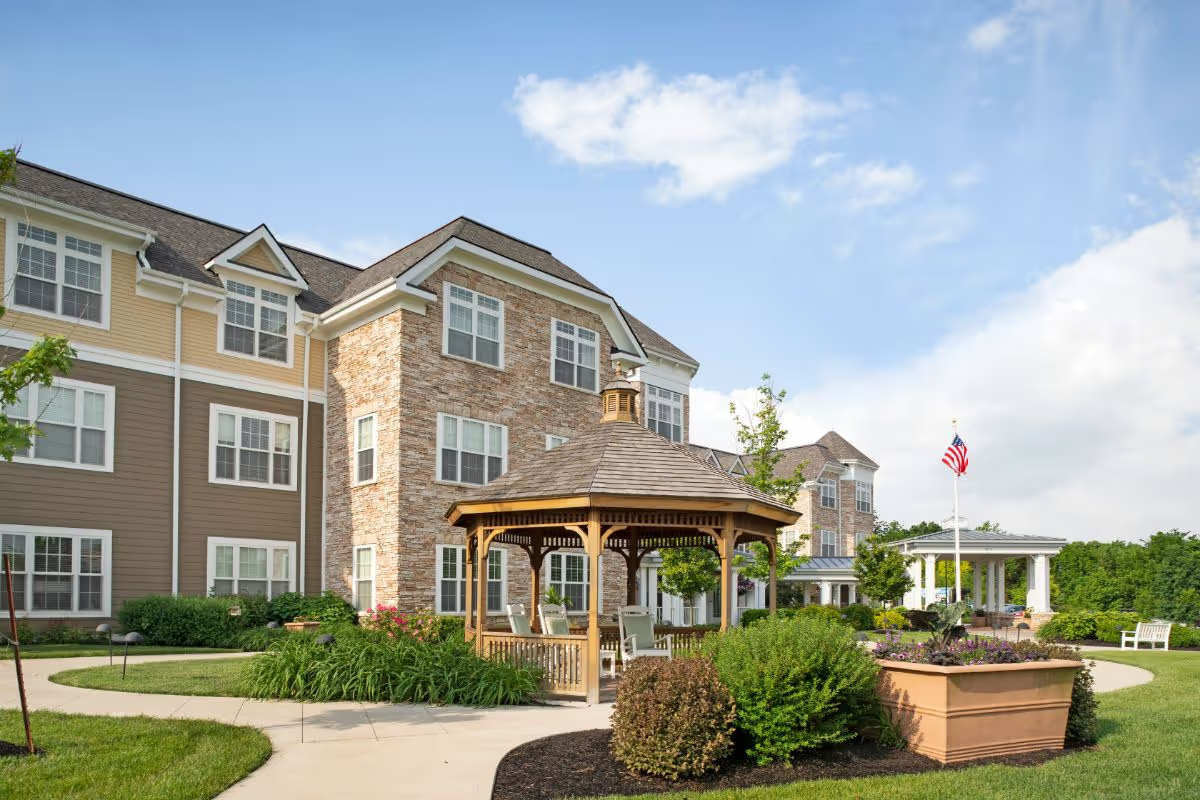
Walnut Crossing is frequently described as an attractively designed, well-maintained community with extensive on-site amenities and a broad calendar of social and therapeutic activities. Common strengths cited include bright, spacious common areas and pleasant outdoor landscaping, a wide range of programs (art, exercise, quilting, movie nights, outings), and multiple indoor amenities such as a fitness center, library, salon and bistro. Many families praised the Memory Care neighborhood specifically for its programming, sight lines from nursing stations, and individualized attention.
Staffing and direct-care interactions receive mixed but often positive commentary. Numerous comments highlight compassionate, resident-centered caregivers and individual staff members who go above and beyond; families frequently note timely communication, a welcoming front desk, and staff who foster a family-like atmosphere. At the same time, recurring operational concerns affect perceived consistency of care: reviewers describe periods of limited staffing, elevated turnover, and gaps in hands-on clinical follow-up. These operational weaknesses have been linked to medication-administration errors, delayed responses to clinical incidents, and inconsistent adherence to established care protocols in some instances.
Dining and housekeeping are likewise areas of contrast. The community is noted for a diverse menu, elegant dining spaces and the convenience of dining services that reduce household tasks for residents. However, several accounts raise concerns about inconsistency in meal temperature, portioning and occasional dips in food quality. Housekeeping and maintenance are generally described as strong for common areas and grounds, but there are isolated sanitation and pest-control concerns reported in specific units and examples of uneven housekeeping follow-through.
Management and business practices are a notable source of variability in reviewers’ impressions. Positive comments reference smooth move-ins and responsive administrative staff, while more critical feedback points to leadership turnover, changes in pricing structure (including shifts from all-inclusive to level-based billing), unexpected additional charges, and isolated billing or record-keeping lapses. A small number of reviews reference regulatory scrutiny and concerns following a resident's death; these raise questions about incident reporting, family notification practices, and consistency of clinical oversight.
Overall pattern: Walnut Crossing offers a high-quality physical environment, robust activities, and many dedicated caregivers, with particular strength in Memory Care programming. Prospective residents and families should weigh those strengths against recurring operational themes: inconsistent staffing levels, variability in clinical-response practices, uneven housekeeping in particular areas, and management stability and billing transparency. When evaluating the community, families may want to ask specific questions about current staffing ratios (including weekend/night coverage), dementia-specific training, recent regulatory or inspection findings, sample menus and food-service processes, sanitation protocols, and the facility’s approach to billing and level-of-care changes to assess how the facility’s current operations align with their priorities.