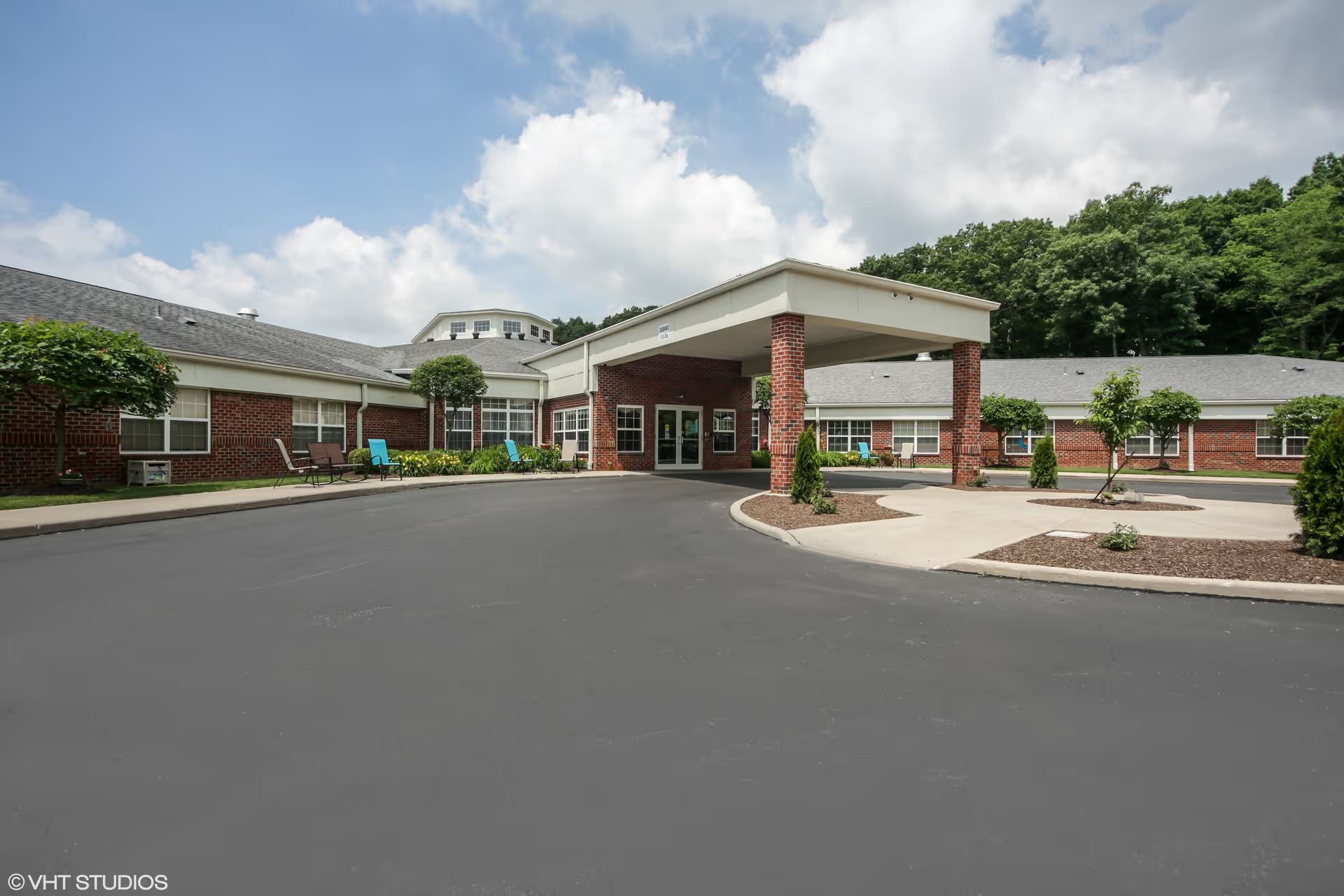
Reviews of Addison Heights Health and Rehabilitation Center present a mix of clear strengths alongside recurrent operational concerns. Positive themes center on direct care and rehabilitation: many families describe caring, attentive nursing staff and aides, a memory-care team that performs well, and a therapy department that has produced notable rehabilitation successes. Several reviewers specifically praised respite-stay experiences and an attentive housekeeping supervisor. The facility’s smaller-unit feel and a generally home-like atmosphere are cited as contributing to more personalized attention for some residents.
Care-quality patterns are mixed. Strengths include a capable therapy/rehab program and staff who are described as compassionate by some families. However, there are repeated concerns about medication management, including delayed or missed doses and inconsistent vital-sign checks. Reviewers also raised issues with timely clinical follow-up—examples include delayed antibiotic administration and infection-relapse concerns—which point to gaps in clinical oversight and escalation procedures. Memory-care was frequently described positively and appears to be a relative area of strength.
Staffing and staff conduct show divergence: many reviewers praised individual caregivers and aides, but others described high turnover, staffing shortages, and variable performance between in-house and agency staff. These staffing patterns tie directly to complaints about responsiveness—families reported slow or absent answers to phone calls, difficulty reaching case managers, and delayed responses to resident needs. Some accounts indicate problems with training consistency and differences in care quality depending on which staff members are assigned.
Dining and nutrition emerged as problematic for some residents: limitations in therapeutic-diet availability (for example, renal-diet options) and inconsistent meal quality were noted. A related set of concerns involves coordination of appointments and transportation; missed or poorly coordinated offsite appointments and challenges arranging timely transfers were reported.
Activity programming and social engagement appear inconsistent. Several reviews stated a lack of activities or insufficient programming, while other accounts described an enjoyable atmosphere—suggesting uneven implementation of recreational services across units or shifts.
Facility maintenance and sanitation concerns were raised repeatedly. Reviewers described cleanliness issues in resident areas, equipment-cleaning shortfalls, odor concerns, and specific temperature-control failures such as prolonged air-conditioning outages during warm periods. These environmental issues, together with reports of misplaced belongings and allegations of theft, point to weaknesses in operational oversight and resident-safety systems.
Management and administration are a frequent source of criticism. Common themes include poor communication, unresponsiveness from administration and case managers, and perceptions of unprofessional conduct. A few reviewers made serious claims about administrative behavior during regulatory inspections; such claims warrant careful verification through official channels. Conversely, some families reported proactive communication and gratitude for staff who advocated for residents, indicating variability in leadership engagement.
Overall, Addison Heights shows meaningful clinical and rehabilitative capabilities, especially in therapy and memory care, but reviewers repeatedly identify operational weaknesses that affect everyday resident experience: inconsistent medication and personal-care practices, communication and phone-access failures, sanitation and maintenance issues, staffing instability, and management responsiveness. Prospective residents and families should consider targeted questions when evaluating the facility—ask about current staffing ratios, medication-administration protocols, infection-control and equipment-cleaning procedures, how therapeutic diets are managed, transportation and appointment coordination, daily activity schedules, and how the facility handles family notifications and clinical escalations. Observing a shift change, reviewing recent inspection results, and requesting references about recent rehab outcomes and memory-care performance may help clarify current conditions.