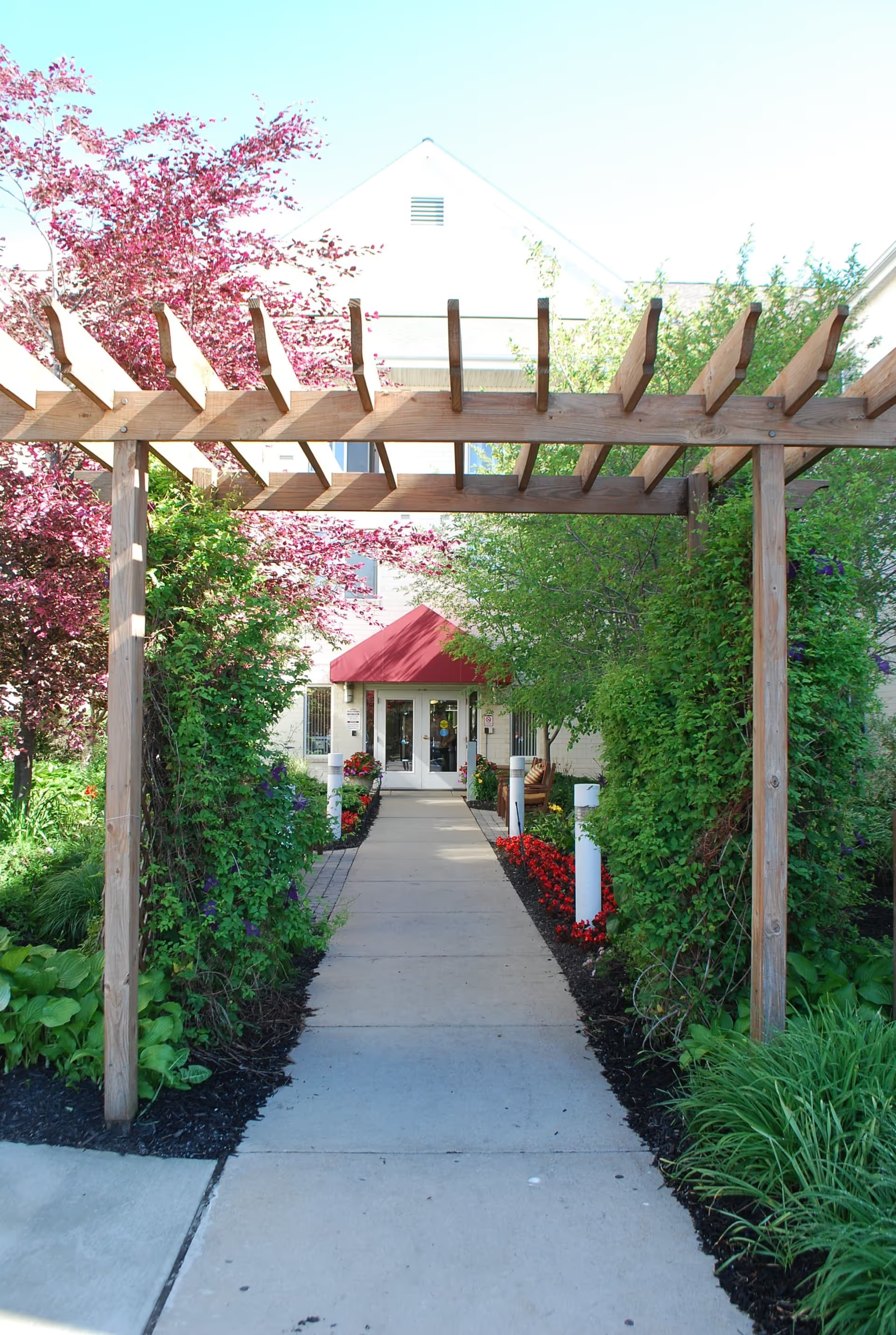
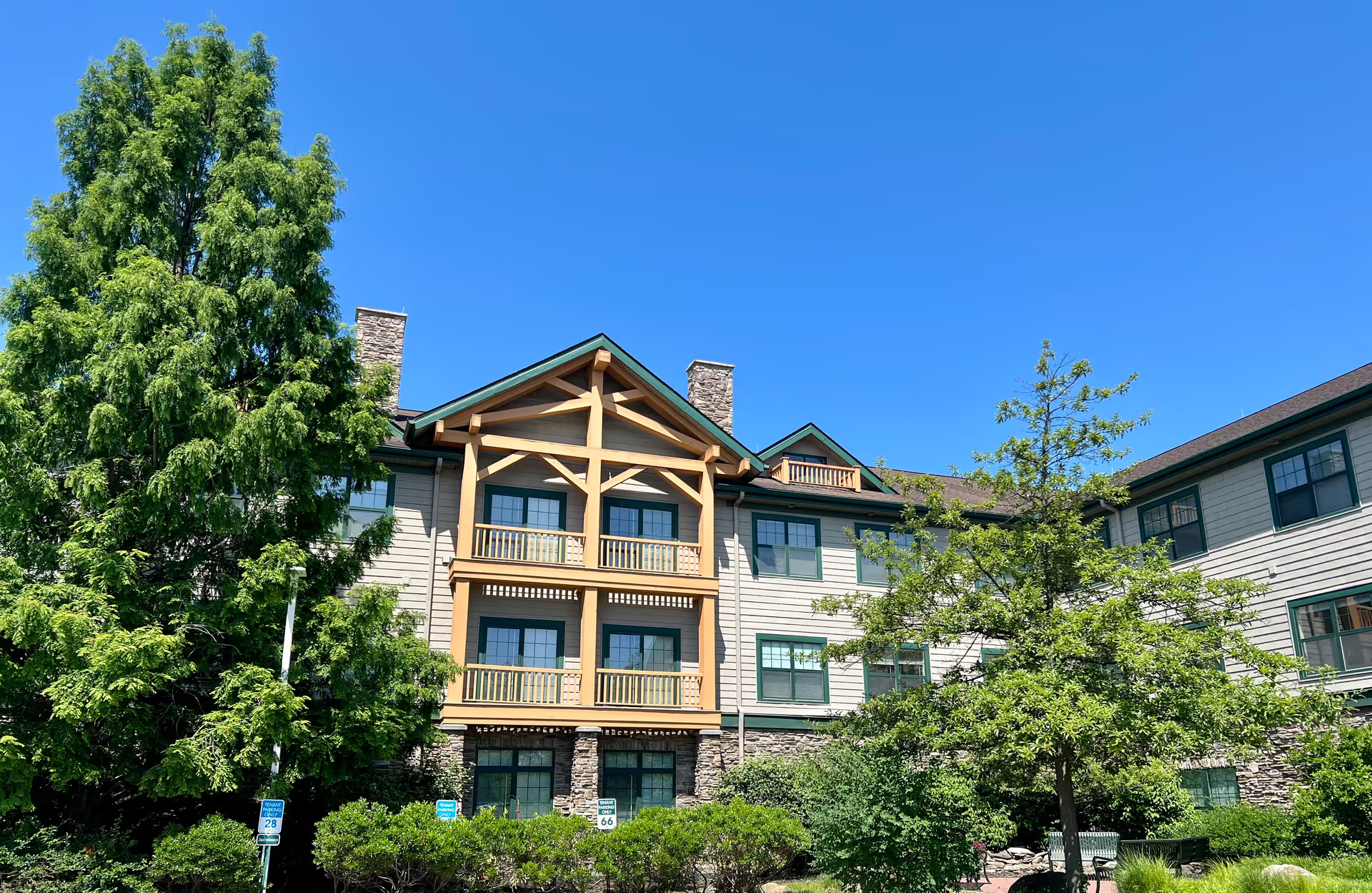
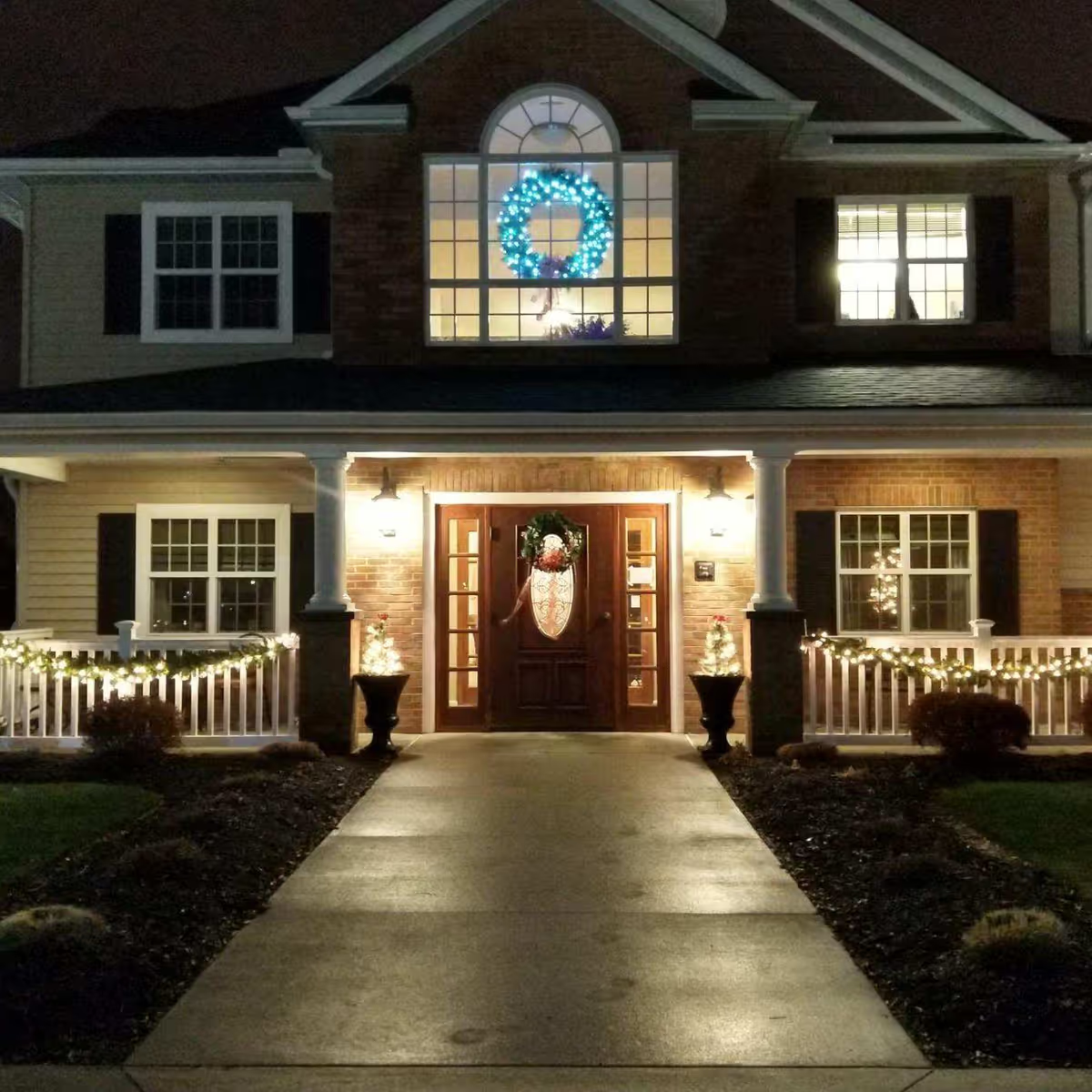
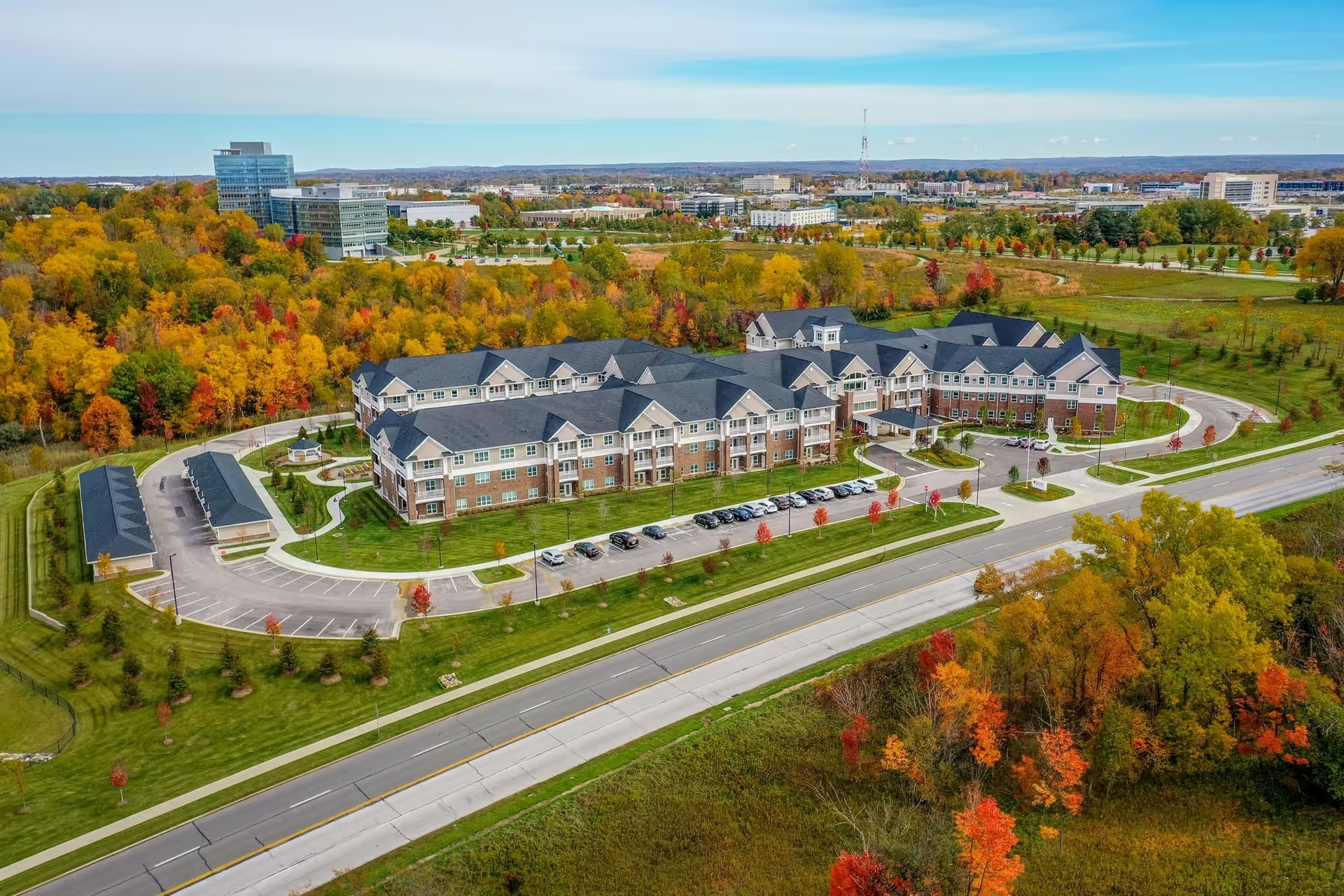
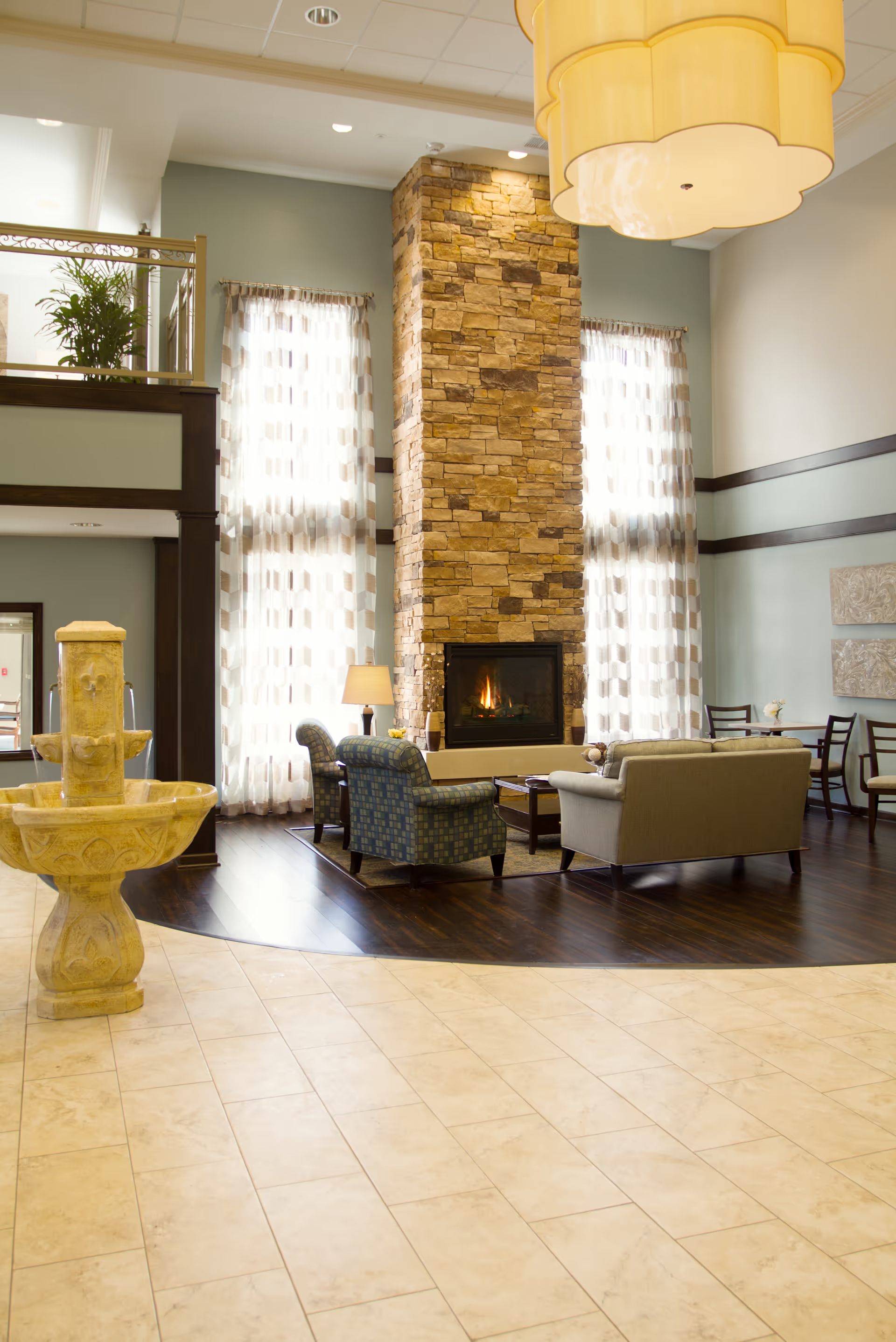
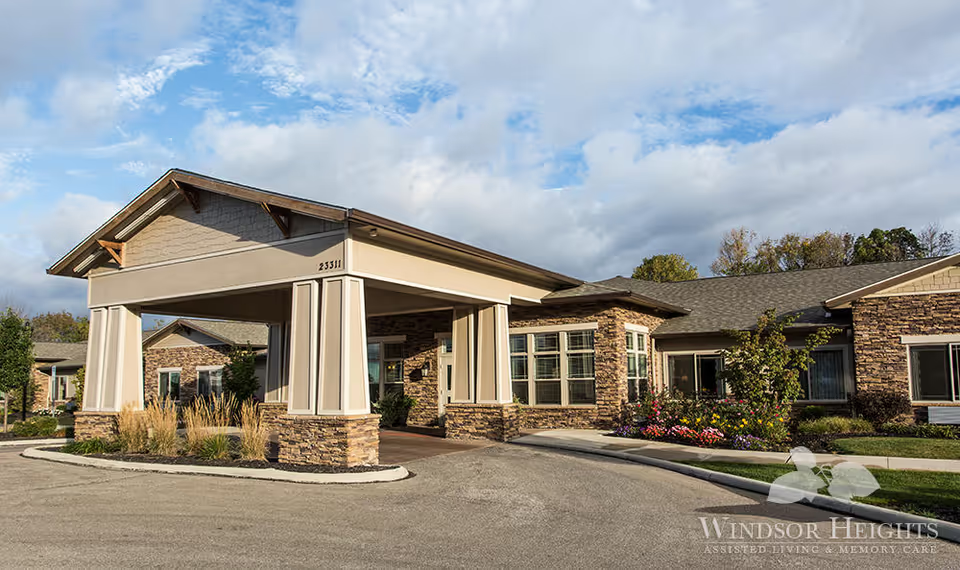
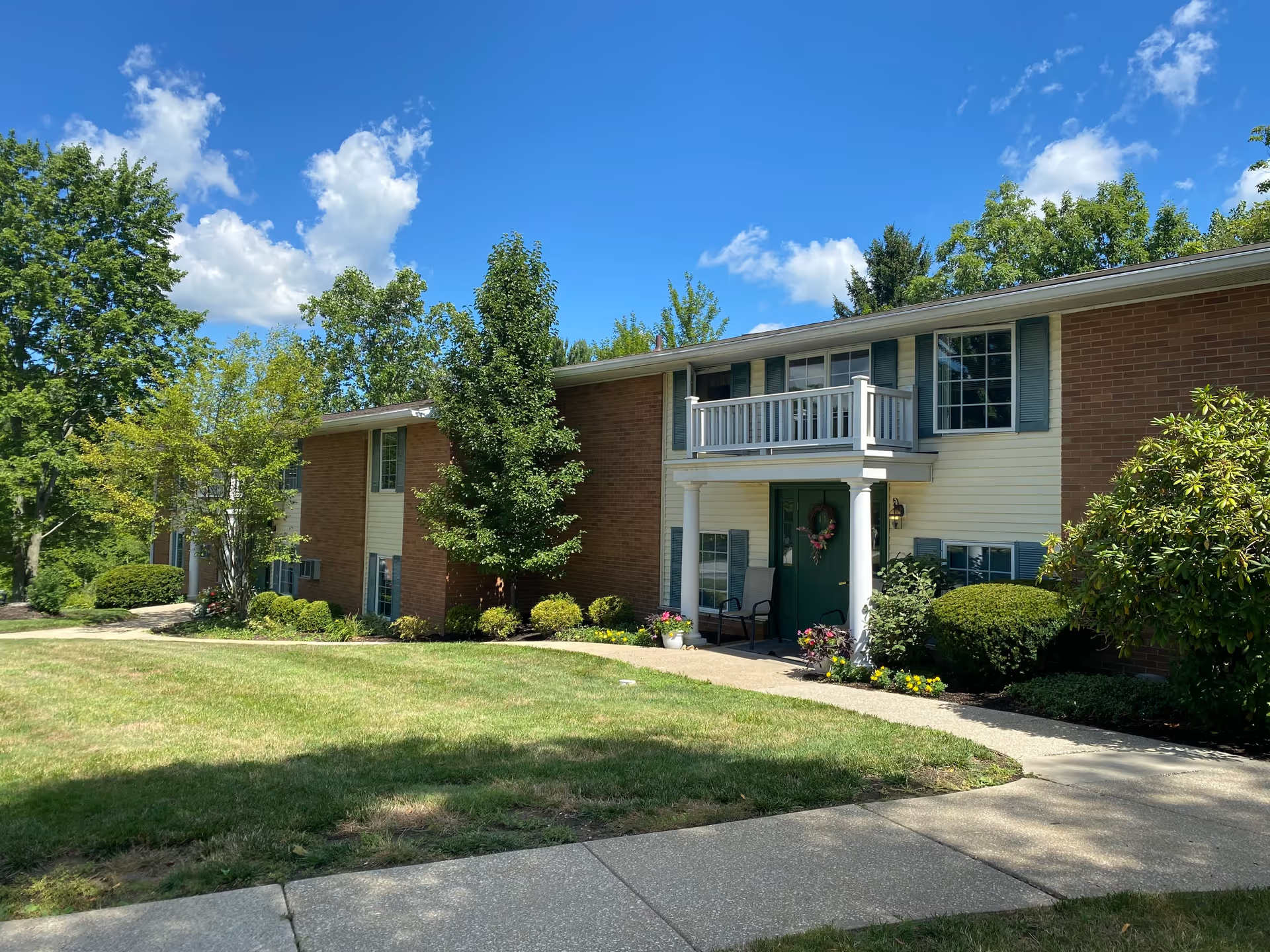
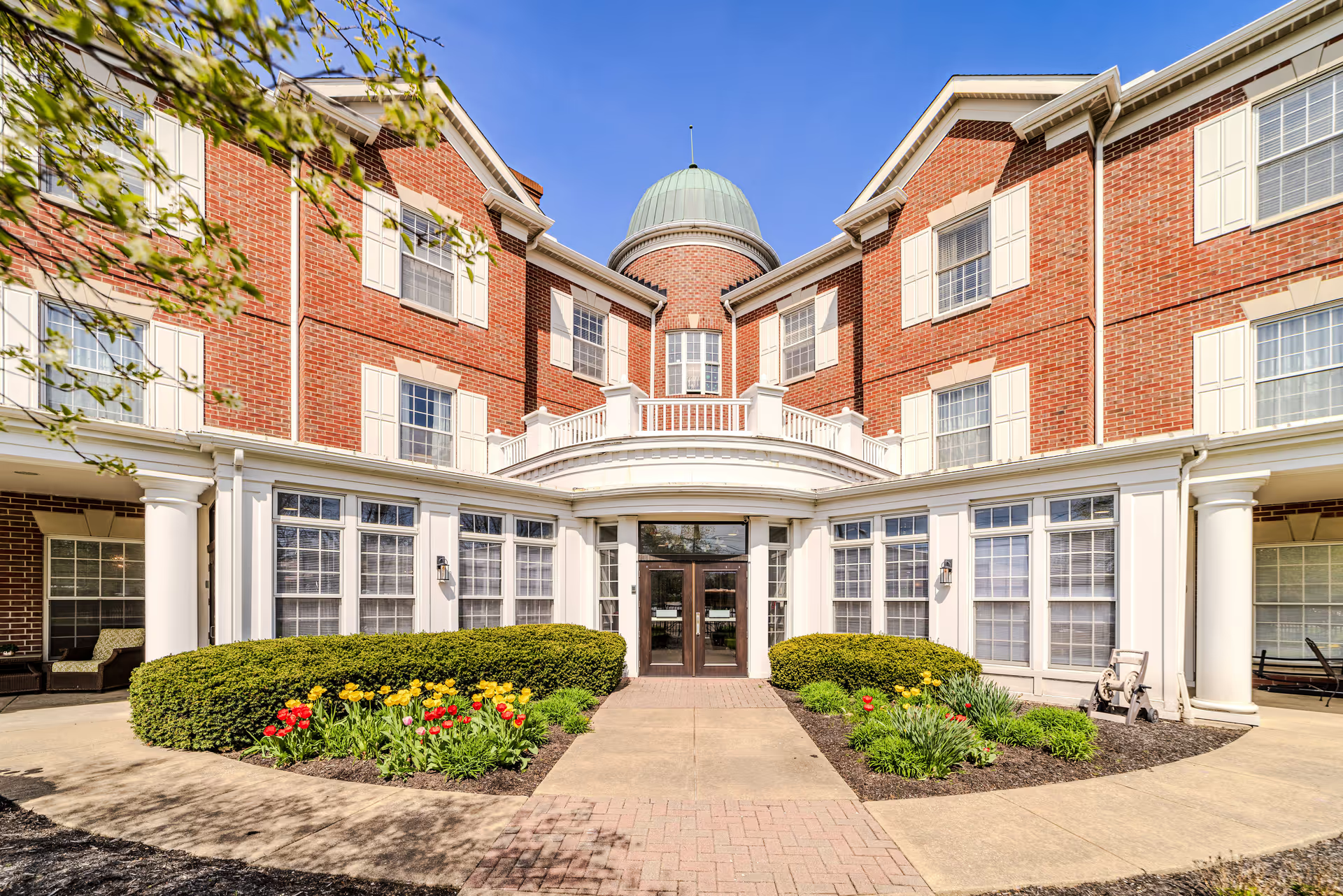
The Ashton at Mayfield Heights is consistently described as a new, attractive, resort-style community with spacious, light-filled apartments and a long list of on-site amenities. Strengths cited across feedback include large units with full kitchens and in-unit laundry, a heated saltwater pool and aquatic programming, onsite therapy services (PT/OT), multiple recreational venues such as a theater and golf simulator, landscaped grounds and walking paths, and transportation for appointments and outings. Many families and residents praised the community atmosphere, frequent social programming (including happy hours, trivia, classes and spiritual groups), proactive maintenance staff, and regular nursing communication.
Clinical care and staffing present a mixed picture. Positive notes highlight attentive and compassionate caregivers, hands-on physical therapy that supports mobility-device training, and structured nursing updates. At the same time, recurring operational concerns appear around staffing consistency and turnover. Reviewers described episodes that indicate gaps in medication-management processes, variable nursing coverage for higher-acuity residents, and delayed responses to call buttons or evening assistance. These patterns suggest that clinical reliability may fluctuate with staffing levels and that prospective residents with high medical needs should confirm current staffing and supervision models during tours.
Dining and daily services show both strengths and variability. The facility offers restaurant-style dining, multiple menu options, and an on-site bar/cafe that contribute to a social dining environment. Several accounts praise the food and meal-centered social life; other comments point to inconsistent food quality, rotating kitchen staff, slow meal service at times, and limitations around accommodating special diets. Housekeeping and room services were also flagged for inconsistent frequency and coverage, with some residents noting limited housekeeping schedules. Maintenance responsiveness is generally viewed positively, though a number of reviews mention slow resolution of specific system repairs (for example, pool- or hot-water-related equipment) which can affect amenity availability.
Management and administrative themes are polarized. Some reviewers commended local leadership for listening to residents and making improvements, and named executives and staff who were responsive and supportive. Conversely, other reviewers pointed to ownership changes, leadership instability, invoicing or billing delays, and unmet expectations between marketing promises and operational delivery. These contrasts indicate variability in administrative performance over time; prospective families should inquire about recent leadership changes, staff retention metrics, and how the community addresses service shortfalls.
Overall, The Ashton offers a high-amenity, well-appointed environment with many services that support social engagement and rehabilitation. However, reviewers indicate variability in operational reliability—principally staffing consistency, certain elements of clinical medication administration and supervision, dining execution, housekeeping frequency, and timeliness of facility repairs. For those considering the community, an in-person visit focused on current staffing levels, clinical oversight for higher-acuity needs, sample menus and dining service procedures, housekeeping schedules, and written guarantees about services and billing practices is recommended to assess fit and mitigate the variability reflected in recent feedback.