Middleburg Heights Assisted Living is described by reviewers as a community with consistently positive interpersonal and environmental strengths alongside several operational and policy issues that prospective residents should assess.
Care and staff: Families and residents commonly describe staff as friendly, attentive, and respectful. Multiple comments point to engagement across roles — care staff, activities staff, and dining staff — and an overall sense that residents are treated with courtesy. The general impression is of a supportive day-to-day care environment; however, there are recurring remarks about gaps in management responsiveness and communication that could affect follow-up on concerns or billing questions.
Dining: Dining is frequently highlighted as a strength. Reviewers praise food quality and the size of servings, and many note that residents enjoy meals. The facility offers a large, shared dining area and a spacious cafeteria setting. A potential downside is that portion sizes can be excessive for some residents and there is limited indication that portions are consistently tailored to individual dietary needs or appetites.
Activities and social life: The community provides a range of activities — examples cited include Wii bowling, bingo, happy hour, arts-and-crafts, and daily programming — and reviewers report that residents participate and appear content. Activities staff are described as engaged and accommodating, and transportation services are available to support outings and appointments, contributing to perceived value.
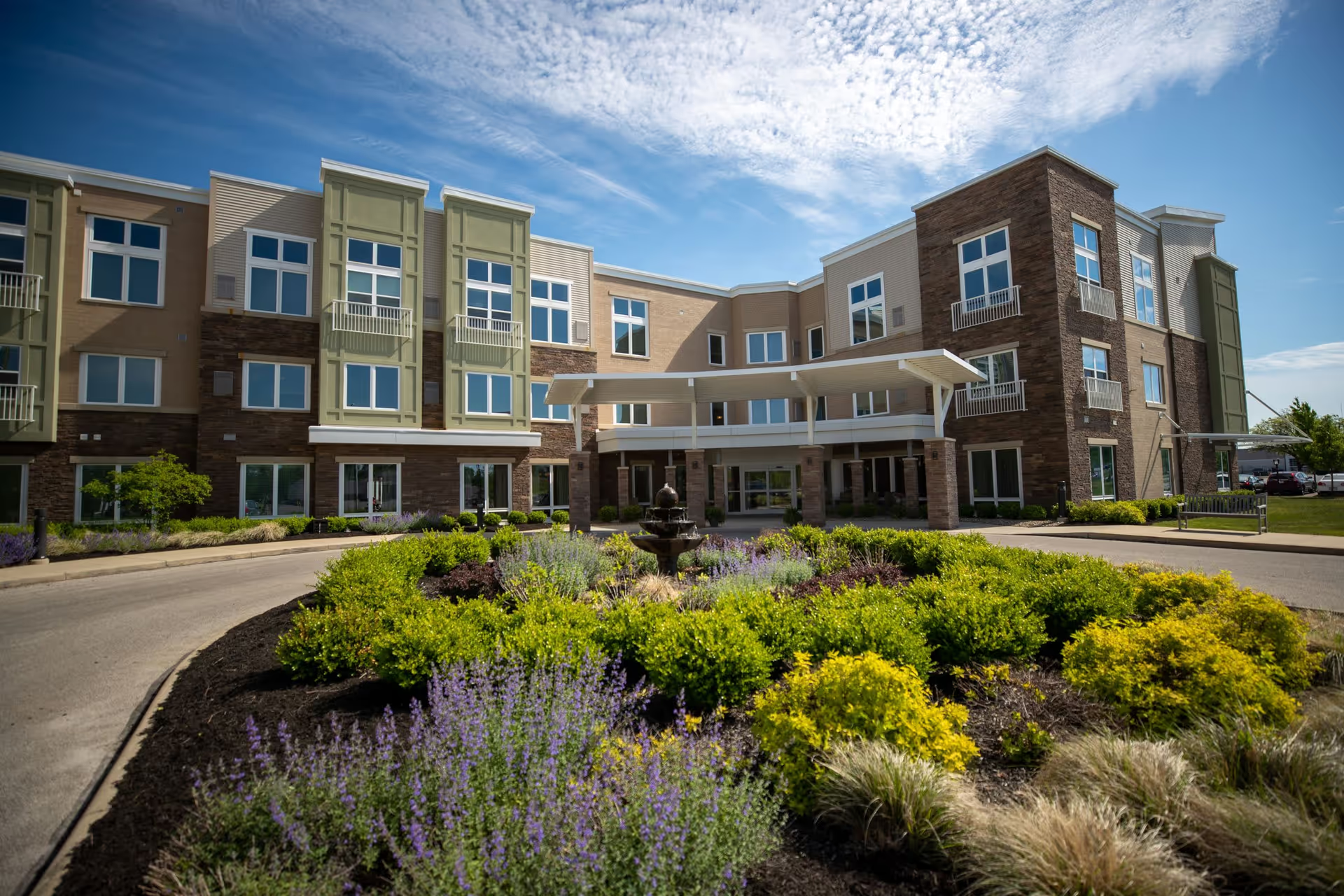
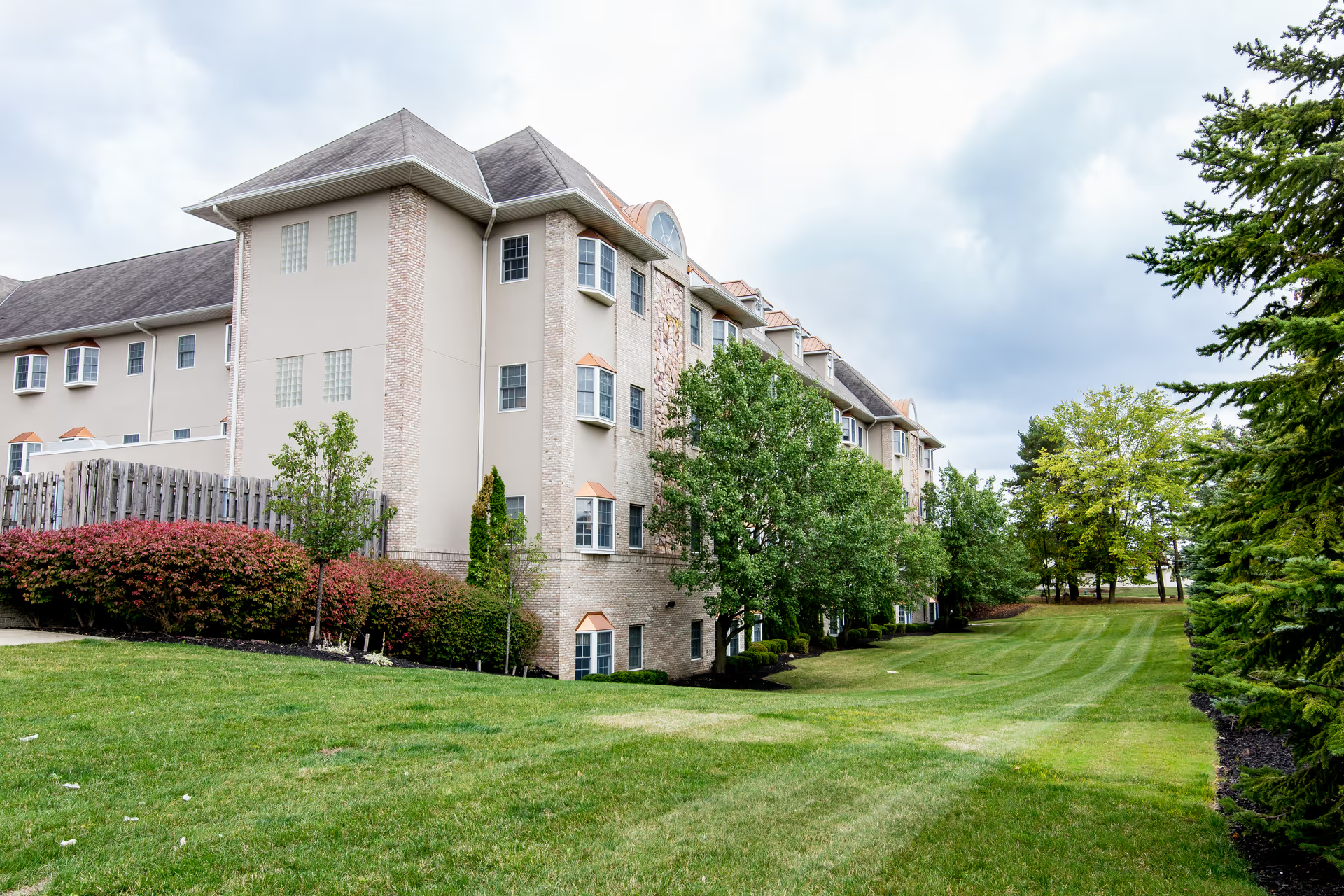
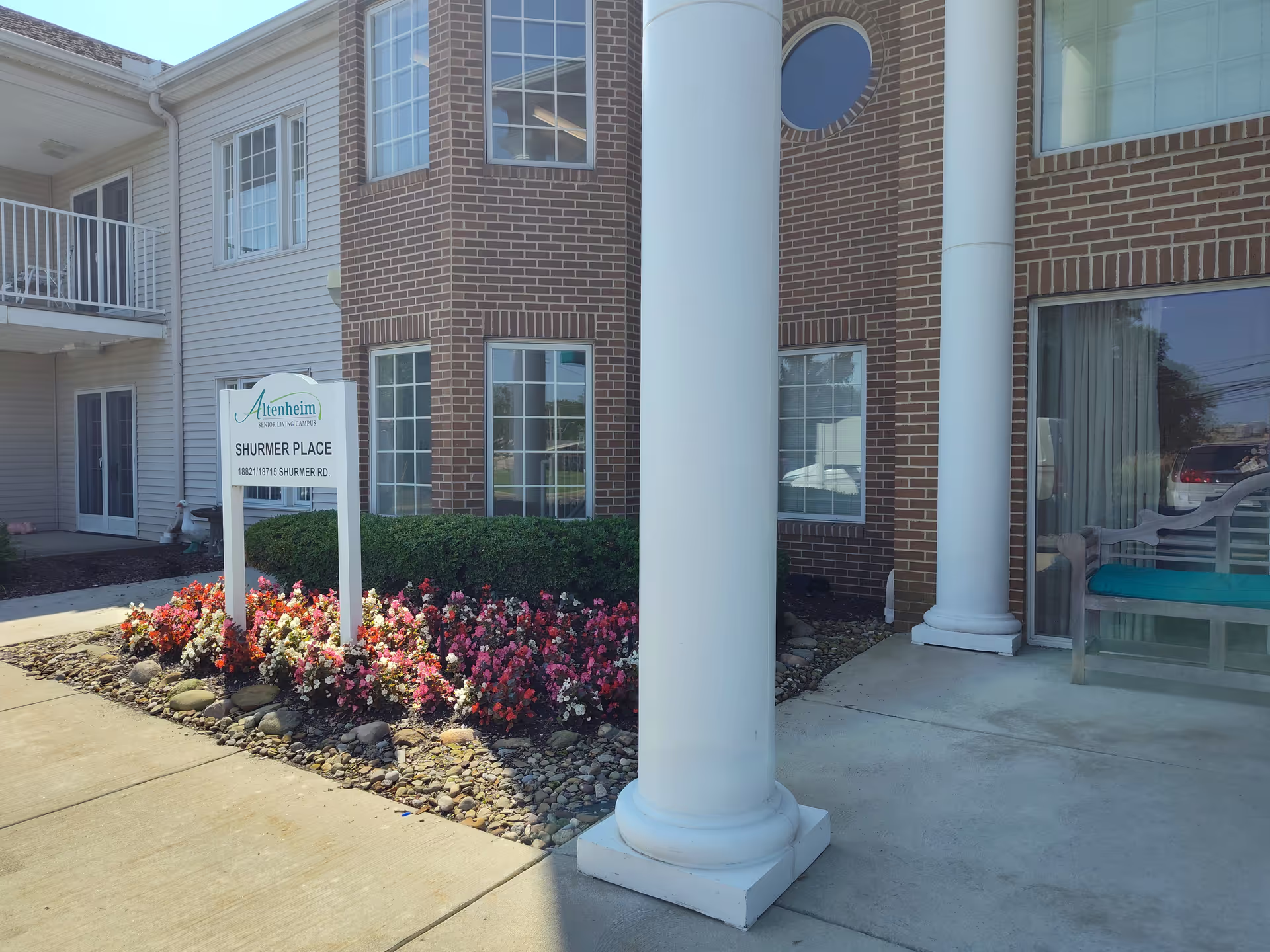
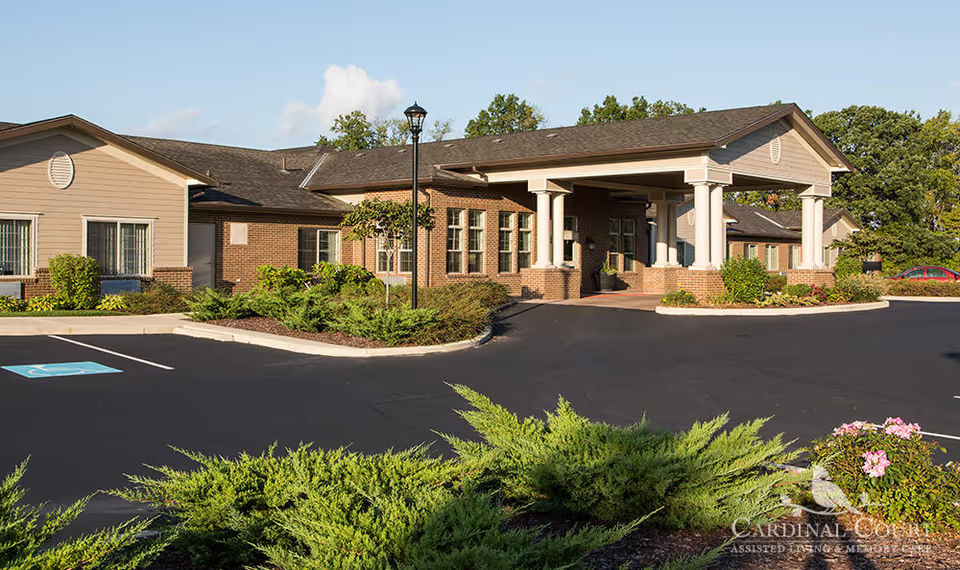
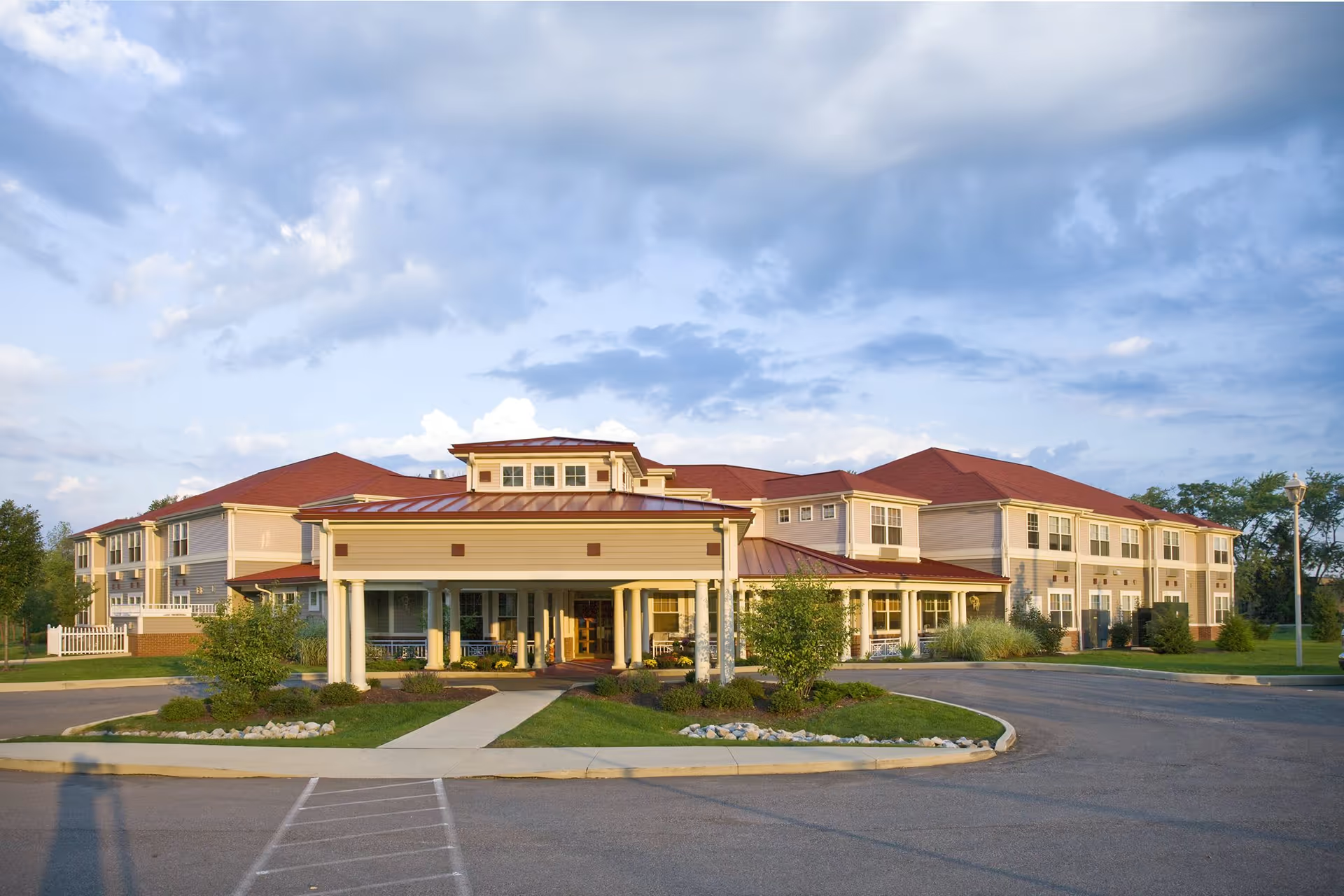
Facilities and accommodations: Room descriptions emphasize spacious apartments and clean common spaces; many reviewers find units adequate and neat. At the same time, the property is characterized as somewhat older, with variable condition in parts of the building. Several apartments lack full kitchen facilities, which is important for prospective residents who expect in-suite cooking. The tour/admissions experience has been described as underwhelming by some visitors, suggesting the facility could strengthen how it presents its physical condition and services during visits.
Management and operations: Operationally, the most notable concerns center on billing/payment-process problems and uneven responsiveness from management when families seek clarification or resolution. A specific policy-related constraint is a two-week minimum for respite stays, which some families find restrictive. These administrative and policy issues contrast with generally positive commentary about frontline staff and the resident experience.
Recommendations: Prospective residents and families should prioritize an in-person tour and ask targeted questions about unit features (including kitchen availability), portion customization and dietary accommodations, the facility’s maintenance plan for older areas, respite-stay flexibility, and billing procedures. Also request examples of how management handles family communication and follow-up on concerns. Overall, the facility appears to offer strong daily care, clean environments, active programming, and good dining — balanced against administrative and facility-condition items worth clarifying before move-in.